WHO, Mental health and wellbeing

Changing the narrative on suicide

Suicide is a major public health challenge, claiming the lives of more than 720 000 people every year. Each life lost has profound social, emotional, and economic consequences, deeply affecting families, friends, workplaces, and entire communities around the world. World Suicide Prevention Day (10 September) marks the final year of its three-year theme, Changing the Narrative on Suicide, with a simple call to action: Start the Conversation. Talking openly about suicide can break the silence and misunderstanding, encourage empathy and support, and make it easier for people to seek help.

Changing the narrative calls for suicide prevention and mental health to be a priority in public policy, urging governments and institutions to act.
Photo:Adobe Stock/ David Pereiras
Group of displaced Yemeni civilians, mostly women and children in traditional dress, gather near blue tarp shelters and water containers on a dirt field with damaged buildings and mountains in the background.

Security Council LIVE: Fresh attacks prompt emergency meeting on Yemen

10 September 2026 — On the heels of reported Houthi attacks on Saudi Arabia on Tuesday and the capture of another key port by the militants on Yemen’s Red Sea coast – including the seizure of...

‘The water comes up to our knees’: Climate hazards shut millions of children out of school in 2025

9 September 2026 — When the creek beside Taudibura Garo's school in Papua New Guinea floods, the water doesn't stop at the gate. It rises through the pit toilets – making the school unsafe –...

Record number of attacks on education, global fund warns

9 September 2026 — While September traditionally marks the start of the school year across the northern hemisphere, a staggering 93 million children are not in class at all amid an unprecedented...

UN Sustainable Development Goals

17 Goals to transform our world

The Sustainable Development Goals are a call for action by all countries — poor, rich and middle-income — to promote prosperity while protecting the planet.

hands holding megaphone and speech bubble

The Goals can improve life for all of us. Cleaner air. Safer cities. Equality. Better jobs. These issues matter to everyone. But progress is too slow. We have to act, urgently, to accelerate changes that add up to better lives on a healthier planet. Find new inspiring actions on the app and at un.org/actnow.

Today, half the world is under 30, and this generation is a powerful force for peace. The UN "Hear Us. Act Now for a Peaceful World" campaign, launched on the International Day of Peace, aims to include, invest in, and partner with young people to build lasting peace. 

Thomas the Tank engine

Learn more about the Sustainable Development Goals! On our student resources page you will find plenty of materials for young people and adults alike. Share with your family and friends to help achieve a better world for all.

SDG logo in General Assembly hall

As world leaders gather for the 81st session of the United Nations General Assembly, the task is clear: to put the Sustainable Development Goals at the centre of global decision-making. Read more in the Goal of the Month editorial

More from the
United Nations

Featured stories from across the United Nations and our world-wide family of agencies, funds, and programmes.

A scenic view of the coast and skyline of an unknown place, with clouds in the sky. UNEP, Pollution and Waste

Clean air pays off

A new UN report finds that every US$1 invested in tackling climate change and air pollution together could generate around US$15 in economic benefits. Cleaner air can cut healthcare costs, boost productivity and save lives, while also slowing global warming. In 2025, human-caused outdoor air pollution was linked to 6.4 million premature deaths worldwide. The report identifies 25 proven measures across energy, transport, agriculture, homes and waste, warning that every year of delay could cost the world more than US$1.5 trillion in lost benefits.

A woman looking at camera with a black and white landscape painting in the background. OHCHR, Indigenous Peoples

A Māori voice for self-determination

For Māori Indigenous fellow Naomi Watts, self-determination means reclaiming language, culture and Indigenous ways of governing while shaping a future for generations to come. After joining the UN Human Rights Indigenous Fellowship Programme, she called for Indigenous and Western systems of government to have equal respect, authority and autonomy in Aotearoa New Zealand. The programme also gave her community greater access to international human rights advocacy. Watts says Indigenous communities continue to drive change despite barriers and limited resources.

A woman is standing and looking at a jar containing soil. Behind her is a very big wall full of similar jars. FAO, Agriculture and Food

Science takes root in Mozambique

Women scientists are helping turn soil into a source of solutions for Mozambique’s farmers. At the country’s Agricultural Research Institute, Stília Vilanculos and Janete Americano analyse soils and turn the results into practical advice on crops and farming. Through the FAO-supported SoilFER programme, laboratories are gaining new equipment, training and closer links with farmers. By strengthening local expertise and access to reliable soil information, the initiative aims to improve soil health, farm productivity and food security while helping agriculture cope with drought and changing weather.

Éducation, UNDP

Literacy changes lives

Literacy empowers people to manage businesses, rebuild confidence, improve livelihoods and create new opportunities, transforming lives through education, dignity and lifelong learning.

Climate, Youth, IOM

Youth lead change

Young African climate leaders are driving innovative, community-based solutions that strengthen resilience, address climate mobility and empower vulnerable communities across the continent.

Science and Technology, UNCTAD

Services drive trade

Services now underpin global production and trade, but widening digital gaps limit developing countries’ ability to compete, innovate and benefit from fast-growing digital markets.

Peace and Security, WFP

Trade routes matter

Disruptions to key global trade routes raise food, fuel and fertilizer costs, threatening food security and increasing hunger risks in vulnerable countries worldwide.

What we do

Due to the powers vested in its Charter and its unique international character, the United Nations can take action on the issues confronting humanity in the 21st century, including:

Structure of the
United Nations

The main parts of the UN structure are the General Assembly, the
Security Council, the Economic and Social Council, the Trusteeship Council, the International Court of Justice, and the UN Secretariat. All were established in 1945 when the UN was founded.

The General Assembly is the main deliberative, policymaking and representative organ of the UN. All 193 Member States of the UN are represented in the General Assembly, making it the only UN body with universal representation.

The Security Council has primary responsibility, under the UN Charter, for the maintenance of international peace and security. It has 15 Members (5 permanent and 10 non-permanent members). Each Member has one vote. Under the Charter, all Member States are obligated to comply with Council decisions.

The Economic and Social Council is the principal body for coordination, policy review, policy dialogue and recommendations on economic, social and environmental issues, as well as implementation of internationally agreed development goals.

The Trusteeship Council was established in 1945 by the UN Charter, under Chapter XIII, to provide international supervision for 11 Trust Territories that had been placed under the administration of seven Member States, and ensure that adequate steps were taken to prepare the Territories for self-government and independence.

The International Court of Justice is the principal judicial organ of the United Nations. Its seat is at the Peace Palace in the Hague (Netherlands). It is the only one of the six principal organs of the United Nations not located in New York (United States of America).

The Secretariat comprises the Secretary-General and tens of thousands of international UN staff members who carry out the day-to-day work of the UN as mandated by the General Assembly and the Organization's other principal organs.

Learn more

Podium of the General Assembly Hall seen from below with the gold wall and the golden UN logo behind

The United Nations process to appoint the next Secretary‑General continues with interactive dialogues guided by the principles of transparency and inclusivity. Watch the dialogues with the candidates: Ivonne A-Baki (20 August), Michelle Bachelet Jeria (21 April), María Fernanda Espinosa Garcés (15 June), Rafael Mariano Grossi (21 April), Rebeca Grynspan Mayufis (22 April), Olara Otunnu (19 August), Carolyn Rodrigues Birkett (18 June) and Macky Sall (22 April).


A group of people carrying their few belongings, walking in front of buildings in ruins, at sunset.

This series shines a light on communities facing conflict, displacement, public health emergencies and other humanitarian challenges around the world. Drawing on reporting from across the UN system, it amplifies voices from countries including Haiti, Gaza, DR Congo, Yemen, Afghanistan and Myanmar, to foster understanding, encourage engagement, and help mobilize support, assistance, and protection for the most vulnerable people.

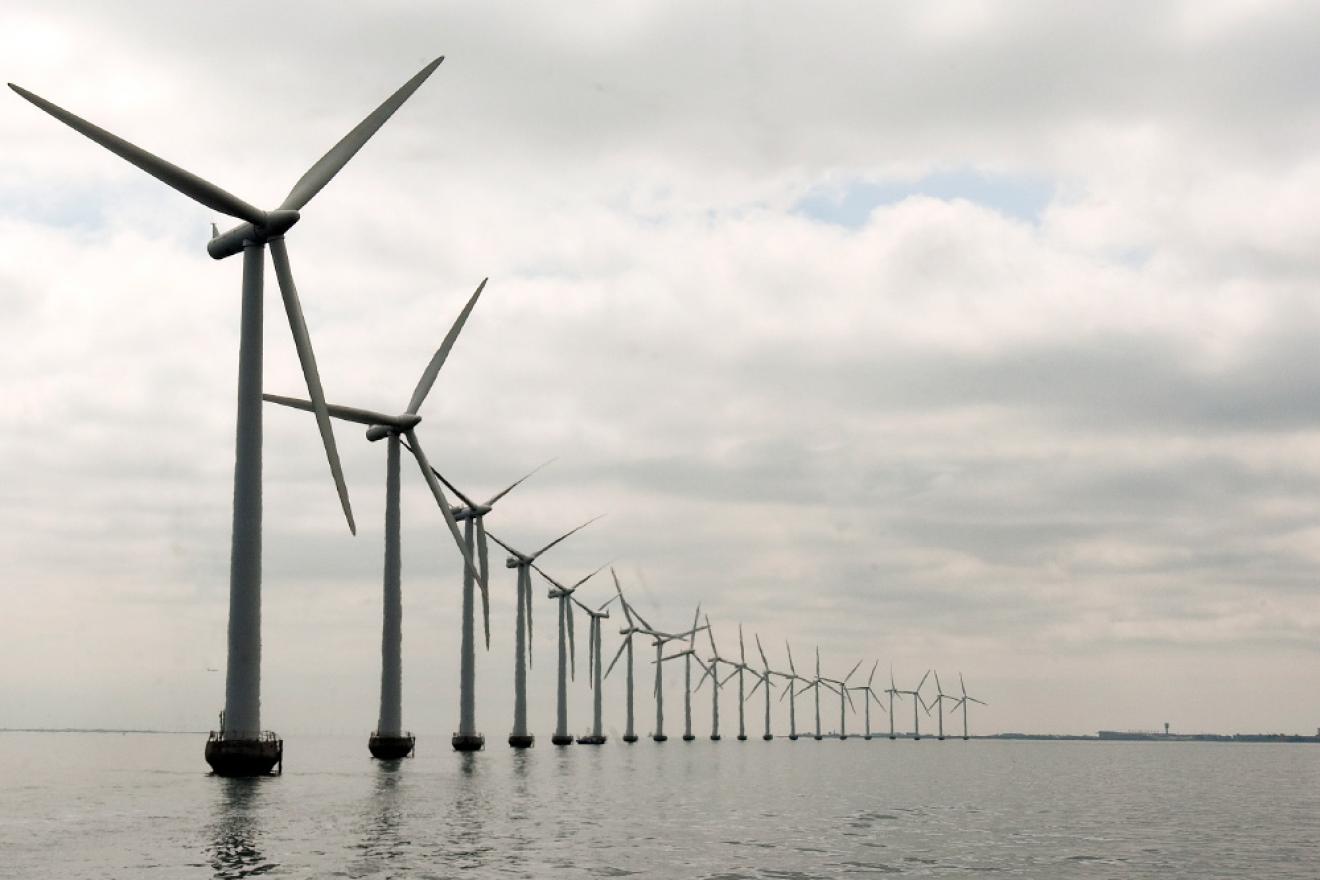
Climate Change is one of the defining issues of our time and we are at a pivotal moment. From shifting weather patterns that threaten food production, to rising sea levels that increase the risk of catastrophic flooding, the impacts of climate change are global in scope and unprecedented in scale. Taking decisive action today will make adapting to these impacts in the future more effective and less costly.

General Assembly hall with the Secretary-General at the podium

The United Nations is the only place on Earth where all the world's nations come together to discuss common problems and find shared solutions that benefit all of humanity. Learn about the main areas of the UN’s activities; how it makes a difference to the world’s people; and how every citizen can get involved and make a contribution. 

Watch and Listen

Video and audio from across the United Nations and our world-wide family of agencies, funds, and programmes.

Technology has created new ways for children to face sexual exploitation and abuse online, with 1 in 5 children across 21 countries affected in a single year. Keeping children safe requires stronger platform safeguards, greater accountability and better support, not just individual caution.

Open knowledge. Shared opportunity.

Open Educational Resources enable free access, adaptation and sharing of learning materials, expanding educational opportunities through openly licensed knowledge that benefits learners and educators worldwide.

Commodities explained

Commodities are essential raw materials traded globally, powering industries, everyday products and economic growth while connecting producers, markets and consumers worldwide.

UN Podcasts

Alvaro harvesting cabbages with a farmer

Planting hope in remote communities (AAN S13-E13)

“There's much more consciousness of having food and food security as a matter of national security, and clearly it's not only about availability of food. What food should we be growing? Where should we invest? Does it make sense that a lot of countries are importing a lot of the rice, for example, from the east when transportation costs go up?“

Growing up in rural Spain, Alvaro Lario’s parents managed a small fruit farm that sold melons in local villages. Now he is President of the UN International Fund for Agricultural Development (IFAD) and is helping small scale farmers to thrive all around the world.

“All of these people are extremely entrepreneurial. They're extremely creative. They have a lot of willingness and energy. Many times it's just the lack of opportunity or the lack of means, and I think that's what makes this job or this role very rewarding.”

The UN supports rural communities around the world as they gain economic self-reliance through agricultural activities. In this episode, Alvaro Lario reflects on attracting private sector investment for those projects, on what indigenous groups can teach others about resilience to global shocks, and shares how building one new road can transform thousands of lives.

Photo: ©IFAD/Joe Kinyanjui Kageni

Latest Audio from UN News

The United Nations in Pictures

Images from across the United Nations and our world-wide family of agencies, funds, and programmes.

man holding drone detector
Photo:UNOCHA/Matteo Minasi

Delivering aid under the drones

In Ukraine’s front-line city of Kherson, the threat of drone attacks has transformed everyday life. For Vlad, delivering humanitarian aid in Ukraine’s front-line city of Kherson means constantly watching the sky. As part of his work, he uses a drone detector that picks up signals from nearby drones, helping him identify when one is approaching and giving his team crucial time to find cover. He heads Ukraine Unity Bridge, a local organization whose volunteers evacuate civilians, provide transportation and deliver humanitarian assistance to some of the most dangerous areas of the city and surrounding communities. The danger is constant: humanitarian workers have been killed or injured while delivering aid or evacuating civilians, and anti-drone nets now cover parts of the road into the city. Yet Vlad and others continue reaching people in need, navigating a city where drones have made even ordinary journeys dangerous.

girls cultivating plants
Photo:©FAO/Elevernie Davis

Women cultivating the future

Across Latin America and the Caribbean, women are strengthening food security, livelihoods and communities. In Belize, teacher Elevernie Davis has turned a school garden into a living classroom, where children learn agricultural skills while growing fresh vegetables for nutritious school meals. Some students have even started gardens at home, sharing what they learn with their families. Nearly 800 students and more than 50 teachers have been trained. From Belize to Brazil, Guatemala, Uruguay and the Dominican Republic, women are showing how knowledge and opportunity can help build more sustainable food systems. The International Year of the Woman Farmer 2026 offers a unique opportunity to place women farmers at the centre of the agrifood systems agenda and accelerate action.