

Seagrasses are one of the most widespread marine ecosystems on Earth, covering around 300,000 square kilometres of seabed in 159 countries. When compared to colourful coral reefs, or mysterious mangroves, seagrass meadows may appear simple, but they are vital ecosystems supporting marine life, sustaining fisheries and storing large amounts of carbon while protecting coastlines. As these habitats rapidly disappear, the United Nations is raising awareness through World Seagrass Day and global restoration efforts to help protect biodiversity and combat climate change.
UNEP

Around 2 billion people welcomed the Year of the Horse last week. Horses have shaped ecosystems for millions of years and supported human societies for millennia. As the world marks the International Year of Rangelands and Pastoralists, the United Nations Environment Programme highlights how wild, feral and domestic horses aid restoration, from Kazakhstan’s rewilding efforts to seed dispersal and water access for other species. When sustainably managed, they strengthen ecosystems, support communities from Central Asia to the Andes, and exemplify resilience and cooperation—key lessons for environmental action.
Mariam Issoufou (Champions of the Earth 2025 winner) transforms traditional Sahelian architecture into climate-smart solutions that protect communities from extreme heat, reduce energy use, and lower carbon emissions. By blending heritage with innovation, her designs revive local craftsmanship, support sustainable livelihoods, and create safe, comfortable spaces across Niger and Africa.
Australia’s Reef Builder program, led by The Nature Conservancy and the government, is restoring critically endangered shellfish reefs across southern Australia, boosting biodiversity, water quality, and fish stocks. Since 2021, the initiative has rebuilt 62 hectares of reefs, created over 425 jobs, generated AUD$14 million in annual benefits, and brought together communities, Indigenous groups, scientists, and local businesses in a collaborative conservation effort.

Oppressive heat. Species extinctions. Pollution-choked skies. This is the future that awaits the world unless humanity takes dramatic steps to end a series of mushrooming environmental crises, finds a new report from the United Nations Environment Programme (UNEP). The seventh edition of the Global Environment Outlook (GEO-7) offers a stark vision of the decades to come. But its authors say the worst forecasts can still be avoided if countries quickly take meaningful steps to address climate change, nature, land and biodiversity loss, and pollution and waste.

UNEP has announced five 2025 Champions of the Earth, honoring leaders advancing bold solutions to the climate crisis. Marking the award’s 20th year, the laureates address climate justice, methane reduction, sustainable cooling, resilient architecture, and forest protection. Honorees include Pacific Islands Students Fighting Climate Change for reshaping global climate law; Supriya Sahu for pioneering sustainable cooling and green jobs in India; architect Mariam Issoufou for climate-resilient design in the Sahel; Brazil’s Imazon for AI-driven forest protection; and the late Manfredi Caltagirone for global methane action. Together, they demonstrate that innovative leadership can protect people, ecosystems, and the planet.

Climate change, biodiversity loss, and pollution already cost trillions annually, warns a new United Nations Environment Programme report. But systemic transformation, circular economies, clean energy, sustainable agriculture, could unlock $20 trillion yearly by 2070, save nine million premature deaths, and lift millions from poverty and hunger. Investing $8 trillion a year until 2050 secures a thriving planet and economy. However, the cost of inaction is far higher.
Bamboo-based restoration restores degraded land, supports biodiversity, boosts rural livelihoods, mitigates climate impacts, and promotes sustainable development across nine countries globally.

The UN report Global Cooling Watch 2025 launched today at COP30, warns that global demand for cooling could more than triple by 2050, fueling climate change due to cooling-related emissions and straining power grids. But we can change the course. The report champions a Sustainable Cooling Pathway that could slash cooling emissions by 64% by 2050 and save trillions of dollars in energy and infrastructure costs. This Pathway promotes nature-based cooling strategies, low-energy and hybrid systems that combine fans and air conditioners, high-efficiency equipment and the reduction of harmful refrigerants.

UNEP’s Emissions Gap Report 2025 finds that within the next decade, global temperatures will likely exceed 1.5°C above pre-industrial levels.

As climate impacts accelerate, the 2025 Adaptation Gap Report from the United Nations Environment Programme (UNEP) sounds a global alarm: developing nations are staring down a staggering annual shortfall of over US$310 billion in adaptation finance by 2035—twelve times current international flows. This gap threatens vulnerable populations facing climate impacts like rising seas and deadly storms. Although many countries have made strides in adaptation planning, outdated policies and insufficient finance remain challenges. The report urges a global push for increased public and private funding, emphasizing that adaptation is vital for climate justice and economic resilience.

Food waste isn’t just what’s scraped off plates, it’s a quiet crisis echoing through our climate, economies, and the lives of millions who go hungry. The 2024 Food Waste Index reveals that 19% of consumer-available food is wasted, causing emissions five times higher than aviation, while a third of humanity faces food insecurity. Yet, individuals and communities can act creatively. Chef Massimo Bottura, UNEP Goodwill Ambassador, leads the Food for Soul initiative, turning surplus food into meals at “Refettorios” in nine countries—showing that fighting waste is both responsible and beautiful.
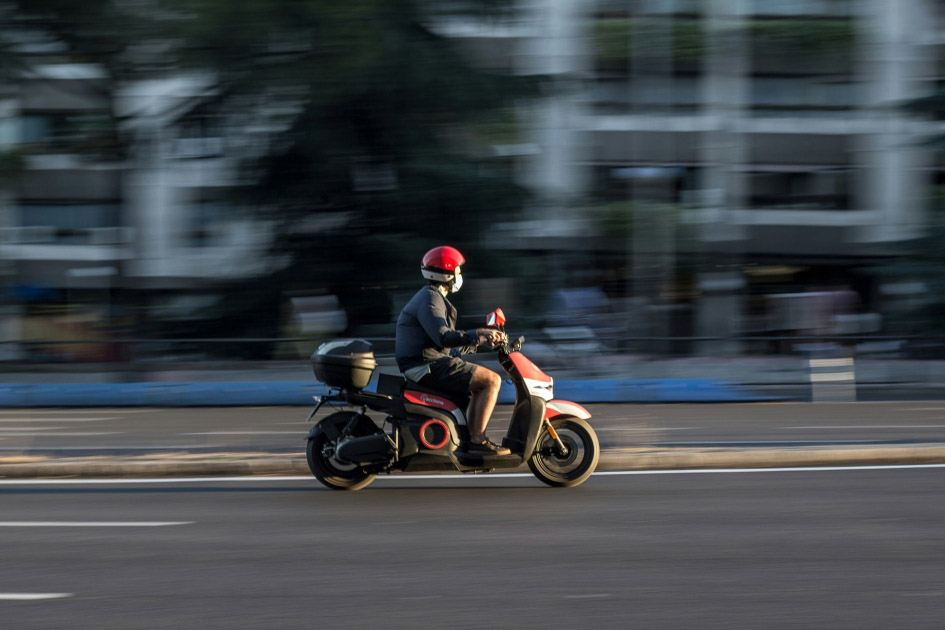
The Deliver-E Coalition unites major global food and grocery delivery platforms to accelerate the shift to zero-emission two- and three-wheeler vehicles, aiming to reduce emissions, and improve urban air quality.

A UNEP-led cold chain project in Kenya, has helped farmers reduce post-harvest losses by up to 40%, showcasing the vital role of temperature-controlled storage in improving food security.
Young Champions of the Earth honors young environmental innovators globally, supported by Chris Kemper and Planet A since 2024.