
UN Human Rights launches the 5th International Minority Artists Contest: War and Reconciliation. Share creativity, challenge injustice, inspire change, apply today!
OHCHR

Human rights are our compass in turbulent times, guiding us through uncertainty. UN Human Rights Chief Volker Türk launched the 2025 Human Rights Day campaign, warning that rising inequalities, conflicts, and climate crises threaten fundamental rights. Marking the UN Charter’s 80th anniversary, Türk urged solidarity and advocacy. The “Our Everyday Essentials” campaign seeks to reaffirm the enduring relevance of the Universal Declaration of Human Rights, showing how rights like food, education, and freedom shape daily life. Share your essentials through our online form or on social media using the hashtag #OurEverydayRights.

Preventable maternal deaths remain a global injustice rooted in gender inequality and systemic failure, with advocates like Angela Nguku urging a human rights-based approach to ensure no woman dies while giving life.

The Social Forum, an annual gathering organized by the Human Rights Council, facilitates the dialogue among civil society, Member States, and intergovernmental organizations around a yearly theme. The event promotes social cohesion based on the principles of social justice, equity, and solidarity, while addressing the challenges of globalization. In 2025, the Forum (Geneva, 30-31 October) focuses on how education contributes to the respect, promotion, protection, and fulfillment of all human rights for everyone. Follow the Social Forum live on UN web TV.
Danielle Bell explains why documenting human rights in Ukraine’s conflict is crucial for justice and accountability amid ongoing violence.

From the Amazon to the Arctic, Joenia Wapichana and Sara Olsvig are demanding that the shift to sustainable energy respect Indigenous rights, knowledge, and self-determination.
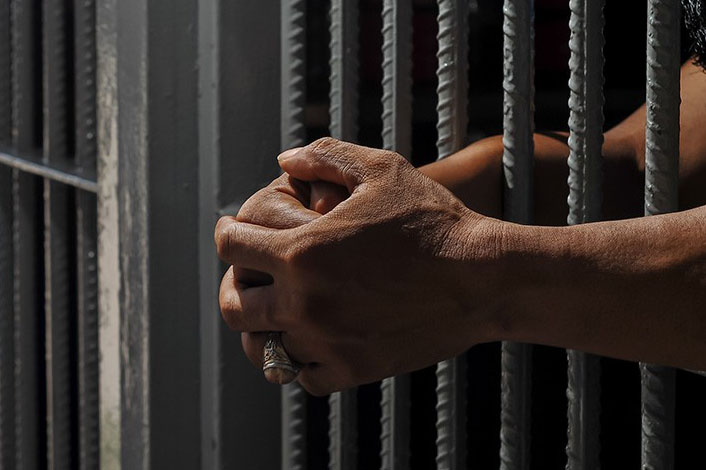
Global experts and formerly incarcerated individuals emphasize that successful reintegration after prison requires addressing stigma, ensuring access to basic rights, and treating support not as charity, but as a fundamental human right.

As the Second International Decade for People of African Descent begins, voices are calling for justice, recognition, and real change through activism, art, and inclusive policy that centers the lived experiences of people of African descent worldwide.

In 2022, women and girls constituted less than 7% of the global prison population. Their number surged 60% since 2000, highlighting gender-based violence in detention.

Kabelo Motlhophe never thought he would move from a cleaning job to a leadership role in local government. After witnessing a civic education workshop while cleaning, he became intrigued and decided to join the training sessions by Activate! Change Drivers, a youth empowerment network. This led him to run for election as a ward councillor in Mamelodi, where he won in 2021. Motlhophe credits the training, especially on public participation rights, as key to his success. Activate! partners with UN Human Rights Regional Office for Southern Africa to promote youth engagement in civic life and participation in public affairs.

On the International Day for Women and Girls of African Descent, powerful voices highlight resilience, call out injustice, and demand meaningful, intersectional action.

Despite progress, millions of children lack birth certificates, but inclusive universal digital registration systems could bridge the gap and uphold their rights.
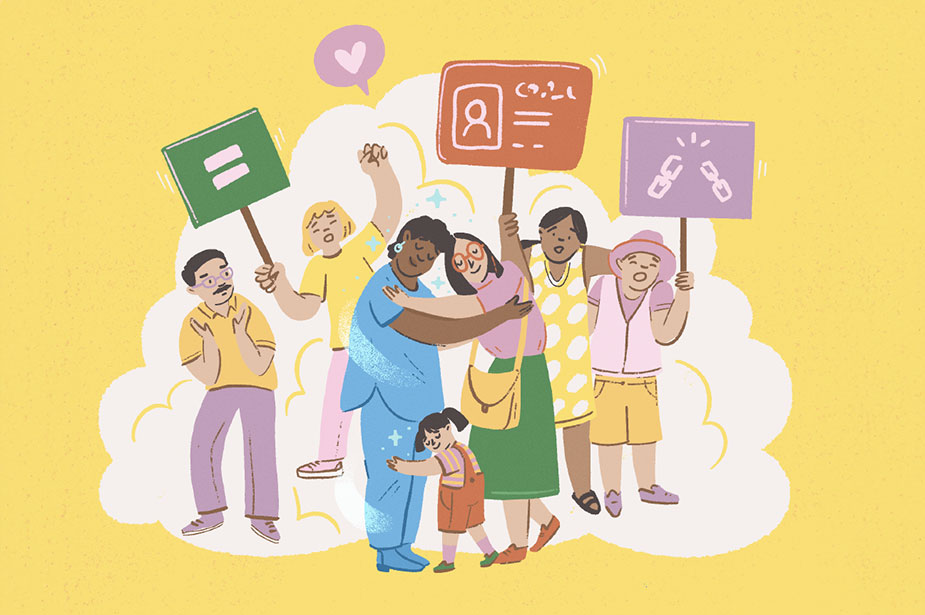
The comic strip from UN Human Rights, ‘A pathway to compassion,’ tells the story of Elizabeth and her struggle due to her insecure migration status and the power of solidarity. Illustrated by Magda Castría – Argentinian artist, feminist and activist – the comic is a reminder of how everyone can be part of demanding fairer systems and rules around migration. Elizabeth's community wanted to help her and others like her and demanded a fair migration system where everyone has a chance to live safely and securely.
On the International Day Against Homophobia, Transphobia, and Biphobia, 17 May, communities empower us to stand together against hate and create a future where everyone can thrive, no matter who they are or whom they love.

Livia Sant’Anna Vaz, a Brazilian prosecutor of African descent, likens Brazil's prisons to the slave quarters of colonial times, highlighting the ongoing dehumanization of Black individuals within a predominantly white judicial system. According to UN Human Rights, systemic racism remains embedded in countries across the world, affecting each phase of criminal proceedings, from a Black person’s initial arrest, through prosecution, and trial, conviction, sentencing and on to implementation of sentence. This issue is under international scrutiny through the UN Expert Mechanism to Advance Racial Justice and Equality in Law Enforcement, which focuses on addressing systemic racism in policing and justice. Sant’Anna Vaz describes her experience as a Black woman in the justice system as one of exclusion, citing problems such as racial profiling, wrongful incarcerations, and inadequate legal support, which contribute to suffering and neglect in prisons.