
Goal 7 is about ensuring access to clean and affordable energy, which is key to powering agriculture, business, communications, education, healthcare, and transportation. While the world continues to make progress toward sustainable energy targets, we are not moving fast enough.
Between 2015 and 2024, the share of the global population with electricity grew from 87% to 92%. Still, 655 million people remained without power in 2024. At our current pace, an estimated 645 million people will still lack electricity by 2030, and 1.8 billion will continue to rely on polluting fuels and technologies for cooking. Although our daily lives depend on reliable energy, our current consumption patterns are the primary driver of climate change, accounting for two-thirds of global greenhouse gas emissions.
Renewable energy is growing, but not yet at the scale required to meet global climate and development targets. We need accelerated action across all sectors—especially in heating and transport—backed by strong policies and investment. Reaching universal access by 2030 means scaling up investments in clean energy sources like solar, wind, and geothermal. Expanding infrastructure and upgrading technology to deliver clean energy in developing countries will both stimulate economic growth and protect the environment.
Why should I care about this goal?
A reliable energy system supports every part of society, from businesses and medicine to agriculture and education. While access to electricity is accelerating in poorer countries and renewables are making impressive gains, we must focus more attention on providing clean, safe cooking solutions for the 2.1 billion people who still lack them. For decades, fossil fuels like coal, oil, and gas have dominated electricity production, but burning them releases massive amounts of greenhouse gases. This damages everyone’s health and environment. Rapidly rising global electricity demand means that without a stable, clean power supply, countries cannot sustainably grow their economies.
Without electricity, daily life is severely limited. Women and girls spend hours fetching water, medical clinics cannot store life-saving vaccines, children cannot study at night, and businesses cannot compete. Failing to meet our clean cooking targets by 2030 means nearly 22% of the world’s population—mostly women and children—will continue to suffer from harmful household air pollution.
Fortunately, a major shift is underway. Developing countries are now growing their renewable capacity faster than wealthier nations, recording a 13% compound annual growth rate over the last five years compared to 8% in developed countries. This puts their overall share of global installed capacity at 47%, actively edging out wealthier nations. To ensure universal access by 2030, we must accelerate electrification, increase renewable investments, improve energy efficiency, and build supportive regulatory frameworks.
What are the consequences of lack of access to energy?
Lacking reliable energy cripples our ability to prevent disease and fight health crises. Energy services are absolutely vital for powering healthcare facilities, supplying clean water for essential hygiene, and running the communication networks that keep communities connected.
What can we do to fix these issues?
We can solve these issues through coordinated global and individual action. Countries can accelerate the transition by investing heavily in renewable resources, prioritizing energy efficiency, and modernizing their utility grids.
Businesses can commit to sourcing 100% of their operational electricity from renewable energy, while employers can reduce transit emissions by encouraging remote collaboration and offering incentives for train travel over driving or flying. Meanwhile, investors can channel funding into sustainable energy startups to bring new technologies to market quickly from a diverse supplier base.
On an individual level, you can save electricity at home by plugging appliances into a power strip and turning them off completely when not in use. You can also walk, bike, or use public transport to directly reduce your daily carbon footprint.
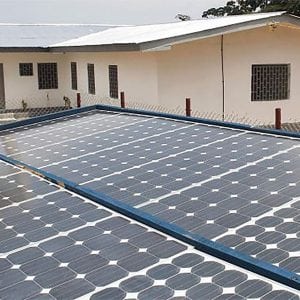
- About 655 million people lack access to electricity as of 2024; 92.5 per cent of people are projected to reach access by 2030.
- In 2022, renewable sources powered over 30 per cent of energy consumption in the electricity sector, but challenges remain in the transport sector.
- The share of renewable energy in the world’s total final energy consumption increased from 15.6 per cent in 2015 to 18per cent in 2023.
- To ensure access to energy for all by 2030, we must accelerate electrification, increase investments in renewable energy, improve energy efficiency and develop enabling policies and regulatory frameworks.
- Global electricity access has risen from 87 per cent in 2015 to 92 per cent in 2024, with 45 countries achieving universal electricity access, but approximately 8% of the world’s population, primarily in Least Developed Countries and sub-Saharan Africa, remain without access.
- 1.8 billion are projected to rely on unsafe and polluting fuels for cooking by 2030.
- Access to clean cooking fuels and technologies reached 75 per cent globally in 2024, up from 64 per cent in 2015. The region with the lowest access rates was sub-Saharan Africa, where progress towards clean cooking has failed to keep pace with growing populations.
- International financial support of clean and renewable energy to developing countries reached $24.6 billion in 2024. However, despite a third consecutive year of growth, 2023 flows amounted to only about three quarters of the 2016 peak of $28.4 billion.
7.1 By 2030, ensure universal access to affordable, reliable and modern energy services
7.2 By 2030, increase substantially the share of renewable energy in the global energy mix
7.3 By 2030, double the global rate of improvement in energy efficiency
7.A By 2030, enhance international cooperation to facilitate access to clean energy research and technology, including renewable energy, energy efficiency and advanced and cleaner fossil-fuel technology, and promote investment in energy infrastructure and clean energy technology
7.B By 2030, expand infrastructure and upgrade technology for supplying modern and sustainable energy services for all in developing countries, in particular least developed countries, small island developing States, and land-locked developing countries, in accordance with their respective programmes of support

Related news
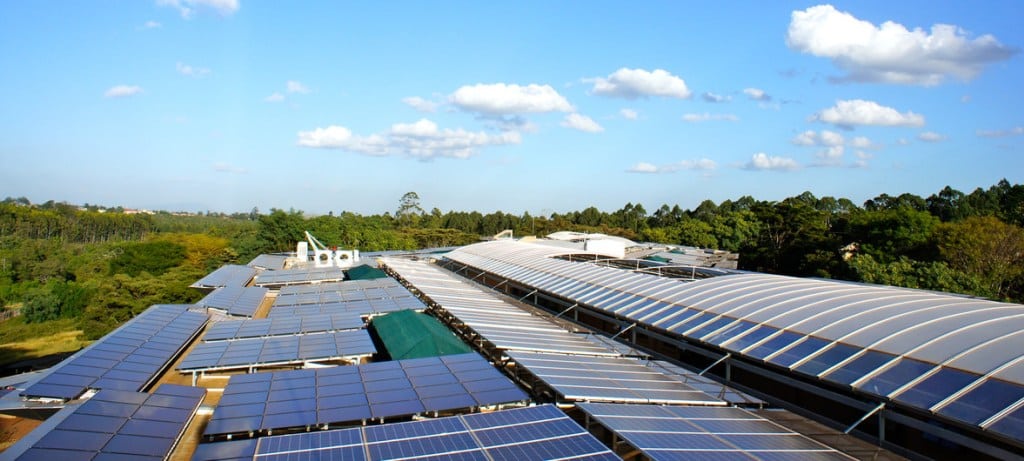
Achieving targets on energy helps meet other Global Goals, UN forum told
Energy is central to nearly every major challenge and opportunity the world faces today, including poverty eradication, gender equality, adaptation to climate change, food security, health, education, sustainable cities, jobs and transport, speakers told a [...]
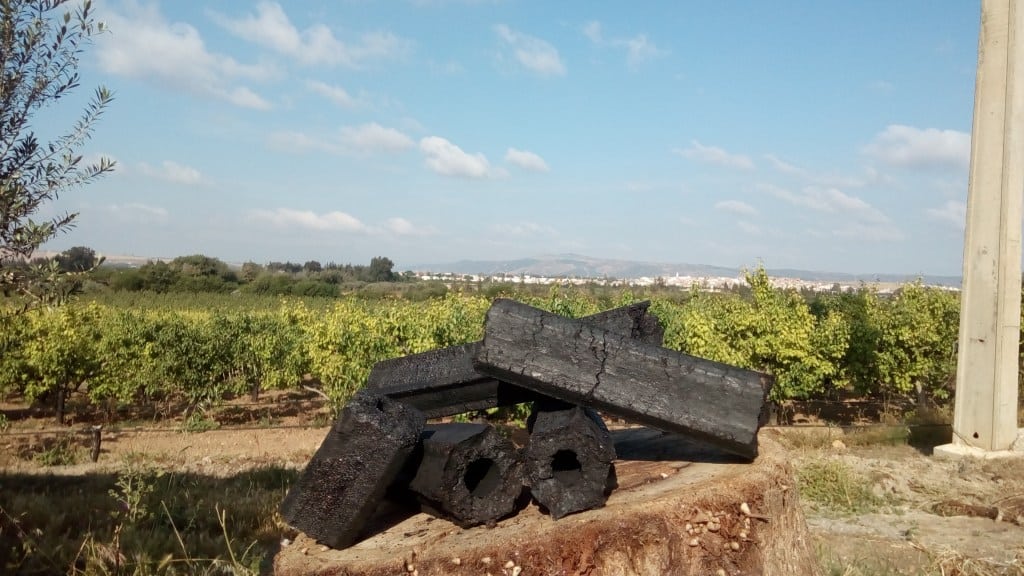
Chanouf Farm Biofire
By Sufian Rajab, Assabah, Tunisia In light of increasingly scarce energy resources and a general shift toward eco-friendly energies, one farm in Tunisia saw an opportunity to diversify its activities. It has developed a form [...]
Related videos
A bio-based, reuse economy can feed the world and save the planet – UN agency
Transforming pineapple skins into product packaging or using potato peels for fuel may sound far-fetched, but such innovations are gaining traction as it becomes clear that an economy based on cultivation and use of [...]