

In today’s globalized world, waste management has become a major obstacle to economic sustainability and sustainable development. Unsustainable production and rising consumer demand generate growing volumes of waste that threaten health, the environment, and economies worldwide. The illegal waste trade intensifies these impacts, causing ecosystem damage, health risks, and inequality in destination countries, while undermining governance, fueling corruption, and supporting organized crime. The report ‘Waste Crimes and Trafficking’ by the UN Office on Drugs and Crime reaffirms its commitment to combating waste trafficking.
Pollution and Waste

How much do you know about food loss and waste? Let’s find out! These brainteasers, quizzes, and crosswords will put your knowledge to the test.

The Imus–Ylang Ylang–Rio Grande Rivers in Cavite, Philippines were once-vibrant waterways that supported fishing, recreation, and livelihoods across ten municipalities. Decades of pollution, industrial and domestic wastewater discharge, improper waste disposal (especially plastics), erosion and siltation have transformed them into degraded rivers with severe water contamination. To revive the rivers, local governments, communities and agencies have introduced a mix of solutions. These include installing trash traps and waste-management systems upstream, building sanitary landfills, composting organic waste, reinforcing buffer zones along riverbanks, and deploying “river rangers” to manually remove plastic and other debris. Flood-risk management infrastructure — such as the 35-hectare Imus Retarding Basin and the nearby Bacoor Retarding Basin — has been completed to store excess rainfall and prevent overflow, reducing downstream flooding risk. Downstream, community-led reforestation and mangrove-restoration efforts aim to rehabilitate coastal zones and wetlands.

The world is edging past critical climate thresholds as emissions hit new highs, proving that the weakening link between GDP and CO₂ is still far too slow to keep global heating in check.
An estimated 673 million people face hunger, while obesity and food waste reveal deep imbalances in the global agrifood system which are under growing strain from conflict, climate change, economic shocks, and inequality. Transforming these systems to be more sustainable, equitable, and resilient requires urgent, collaborative action across borders, sectors, and generations.
Together we can create a better, more sustainable food future for all. Make World Food Day, YOUR day

A UNEP-led cold chain project in Kenya, has helped farmers reduce post-harvest losses by up to 40%, showcasing the vital role of temperature-controlled storage in improving food security.

Car exhaust. Factory smoke. Wildfire haze. Chances are, no matter where on Earth you live, you’re exposed to some form of air pollution almost every day. Air pollution remains a widespread and critical public health concern, responsible for an estimated 8.1 million premature deaths in 2021. The recent International Day of Clean Air for Blue Skies emphasized solutions, focusing on the theme "Racing for Air," which highlights the urgent need to combat this global emergency. Sports associations are increasingly supporting clean air initiatives. Steven Stone, Deputy Director of UNEP, stated that just as athletes need clean air to thrive, so does everyone else, as it supports healthy individuals, resilient communities, and a healthier planet.
The global textile sector is massive, but so is its environmental impact. The current "take, make, and dispose" model needs a revolution. InTex, a programme by the UN Environment Programme and funded by the European Commission and Denmark, is working to transform the industry into a sustainable, circular model through better data. By shifting to circular business models, and reducing carbon footprints across Africa and Asia, it has the potential to generate $700 billion by 2030. Find out more at UNEP InTex.
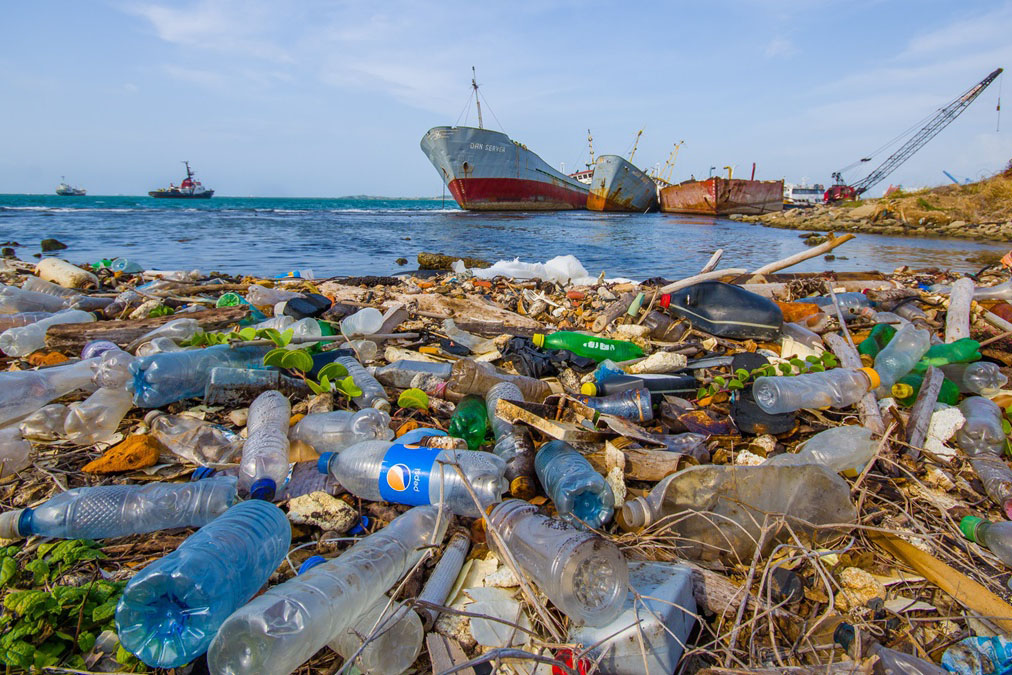
As global plastic trade surpasses $1.1 trillion, United Nations Trade and Development warns of rising environmental harm and calls for trade reforms, investment in sustainable alternatives, and a unified global treaty to curb pollution.

Within South Asia’s urban sprawl, a quiet transformation is taking place. From the slums of Dhaka and the riverbanks of Lahore to the schoolyards of Kathmandu, waste workers and young changemakers are reshaping their futures – with support from the Plastic Free Rivers and Seas for South Asia (PLEASE) project. PLEASE is the region’s largest initiative to combat marine plastic pollution and promote sustainable plastic use. Financed by the World Bank and implemented by the South Asia Co-operative Environment Programme, with UNOPS support, the project promotes practical solutions – public-private partnerships, innovation grants and inclusive education initiatives – to build a more circular and just economy.
Small Island Developing States are taking bold action to safeguard ocean biodiversity, despite contributing less than 1% of global emissions.
Every year, plastic kills over 100,000 marine mammals and a million seabirds, but the Ocean Decade is developing innovative, low-cost technologies to tackle plastic pollution at its source, aiming to prevent further environmental damage.
Research has found plastic waste makes up 80% of all marine pollution, and microplastics were found in every marine turtle, over half of all whales, and a third of seals.

In Egypt’s Nile Delta and beyond, young activists are leading efforts to combat toxic waste and climate threats, demanding environmental justice and sustainable solutions to protect communities and human rights.
In the vibrant community of Medina Gounass, Senegal, Modou Fall, also known as the Plastic Man, is dedicated to advocating for a cleaner planet. He raises awareness about the dangers of plastic pollution and educates children on the urgent need for sustainable action to protect the environment.

Humanity's unsustainable production and consumption practices are pushing the planet toward destruction. Households, small businesses, and public service providers generate more than 2.1 billion tons of solid waste annually, yet 2.7 billion people lack access to waste collection services, and only 61% of waste is properly managed. Urgent action is needed to tackle this crisis. This year's International Day of Zero Waste (30 March) focuses on the fashion and textile sector, highlighting the need for circular solutions. A zero-waste approach is key to this transition. Watch our celebration on UN Web TV.