

Norbu Gyeltshen and his wife, Pema Sedon, have transformed their farm in Bartsham, eastern Bhutan, by introducing quinoa, which they initially planted as an experiment. Now, quinoa is central to their work, leading to a harvest of about 1,200 kilograms last season, boosting their income and community resilience. Recognized as Bhutan’s special agricultural product, quinoa has become a national priority, thriving across all 20 districts. Supported by the FAO's One Country One Priority Product initiative, farmers are receiving training and building seed banks, fostering confidence in sustainable farming practices.
FAO
Seaweed farming is rapidly growing in Latin America and the Caribbean, offering sustainable food, coastal livelihoods, economic growth, and environmental benefits like ecosystem restoration and carbon capture.

How much do you know about food loss and waste? Let’s find out! These brainteasers, quizzes, and crosswords will put your knowledge to the test.

Fashion paid tribute to African cotton and designs on World Cotton Day by bringing together Nigerien fashion designer and UNESCO Goodwill Ambassador, Alphadi and students at Rome’s Accademia di Costume e Moda. Young designers worked with colourful African cotton to create fashion pieces, guided by Alphadi’s expertise, blending African and Italian design traditions in a two-day masterclass organized by FAO. The event highlighted cotton’s sustainability, its role from field to fashion, and celebrated Africa’s textile heritage and global potential.
This video features submissions to the “Global Call for Stories: Family farmers at the heart of climate-resilient and sustainable agrifood systems,” organized by FAO’s Family Farming Knowledge Platform and Engagement Units, in collaboration with allies including Access Agriculture, Access Agriculture, Agricultural Extension in South Asia (AESA), Alliance for Food Sovereignty in Africa (AFSA), Asian Farmers' Association for Sustainable Rural Development (AFA), CIRAD, EncontrAR, Latin American Council of Social Sciences (CLACSO), Platform of Latin America and the Caribbean for Climate Action on Agriculture (PLACA), Schola Campesina, and the World Rural Forum.

In the Himalayan mountains of Bhutan, women in the village of Goenpa Kabab weave intricate silk Kishuthara dresses on backstrap looms, a skill passed down through generations in a Buddhist, matriarchal community. Sherab Tshomo, a 41-year-old artisan, has been perfecting this craft since age eight, which involves dyeing raw silk with local plants and using traditional methods to create detailed patterns. Despite the high value of these garments within Bhutan and abroad, many women artisans struggle to access international markets, including the global fashion industry, to showcase their artistry and heritage.
Rangelands cover half the world, supporting biodiversity and pastoralist livelihoods, requiring policies and investments for land access, mobility, governance, ecosystem restoration, animal health, and equitable value chains.

Land, soil, and water are essential for agriculture and food security, but they face severe pressure due to human activities. Over 60% of human-induced land degradation occurs on agricultural lands, while agriculture utilizes over 70% of global freshwater withdrawal. The new edition of The State of the World’s Land and Water Resources highlights the urgent issues of land degradation, water scarcity, and climate change, and their effects on agricultural productivity and ecosystems. It explores sustainable solutions and integrated approaches for sustainable land, soil and water use and management emphasizing the importance of our current choices to ensure resource protection and meet future demands.
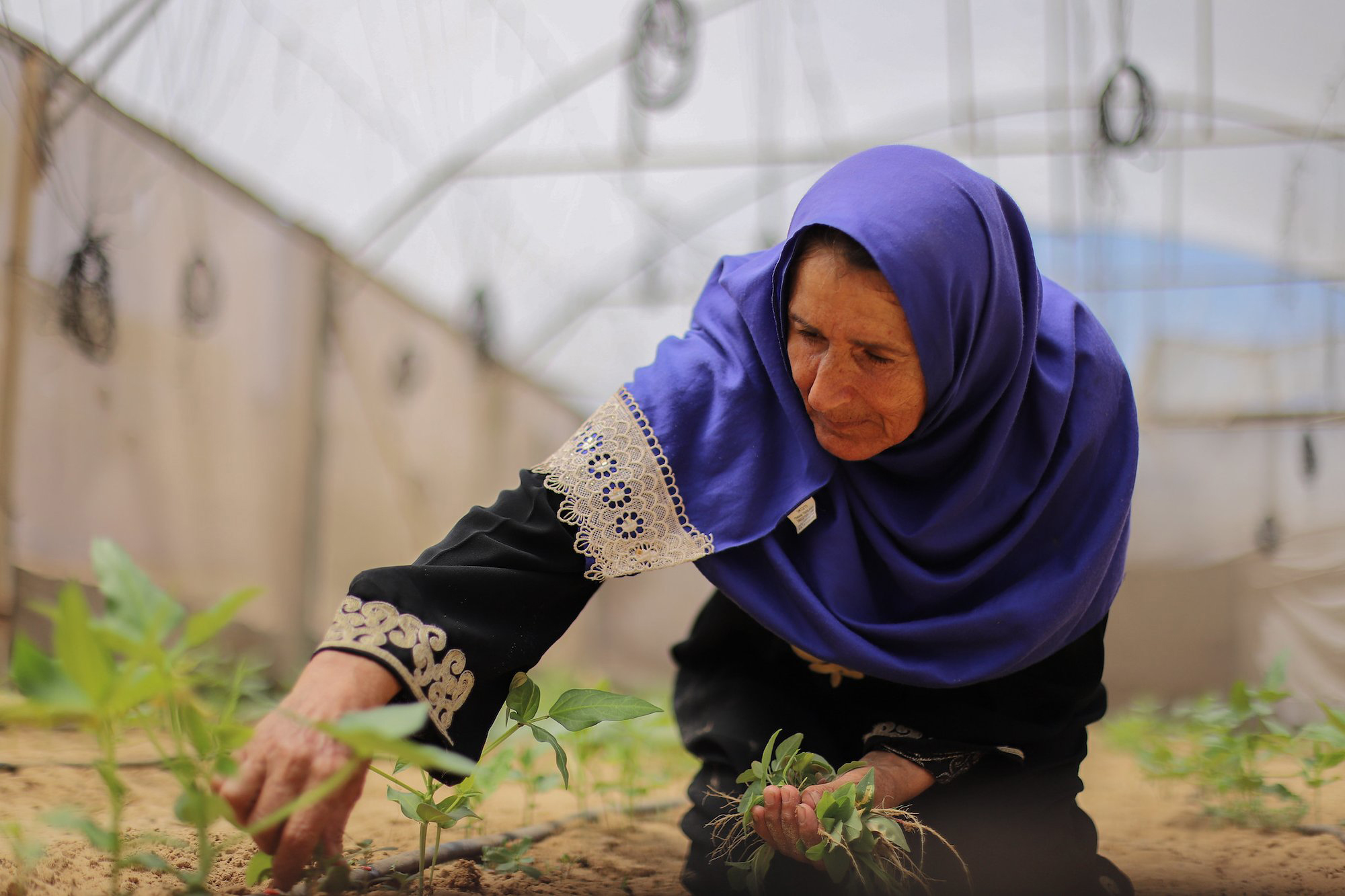
A small-scale farming initiative, launched in May 2025 by FAO and funded through the OPT Humanitarian Fund, has provided urgently needed cash assistance to farmers in Gaza to restart vegetable production. One beneficiary, 60-year-old Susan Allaham, returned to cultivation on her land in Khan Younis after the war halted her farming for years. Respite extreme challenges — lack of inputs (fertilizer, seeds, pesticides), damaged land, high prices, and a broader food-security collapse after two years of conflict — about 200 farmers are now growing vegetables again, offering a small “seed of hope.” Vegetables are seen as vital sources of vitamins and nourishment, especially for children and pregnant women. However, as of mid-October 2025, only about 4 % of Gaza’s agricultural land remained accessible and intact, underscoring how limited this recovery is. For farmers like Susan, this cultivation is their only means of livelihood, and if conditions — including the ceasefire — hold, they plan to expand production farther, reclaiming their land and supporting their families.

Agriculture and food security face severe threats from increasing disasters, which have caused an estimated $3.26 trillion in losses over the past 33 years, about $99 billion annually. A new report by the Food and Agriculture Organization (FAO) highlights how digital technologies are enhancing risk monitoring and response. It provides a comprehensive assessment of how various disasters disrupt food production and nutrition. Digital innovations are facilitating a shift from reactive crisis management to proactive resilience-building, with tools such as parametric insurance and early warning systems enabling communities to mitigate risks effectively.
FAO’s documentary highlights how anticipatory action engages communities to build inclusive, timely, and resilient disaster preparedness.

The forest in Canindeyú, Paraguay, sustains the Avá Guaraní community, providing medicine, food, and shelter. Teodora Vera, their elected leader, promotes agroforestry and reforestation to combat deforestation and climate change, which threaten water and food security. Through the PROEZA project, co-financed by Paraguay and the Green Climate Fund, families receive financial and technical support to adopt sustainable practices. So far, nearly 1,500 households benefit, ensuring resilience and livelihoods.
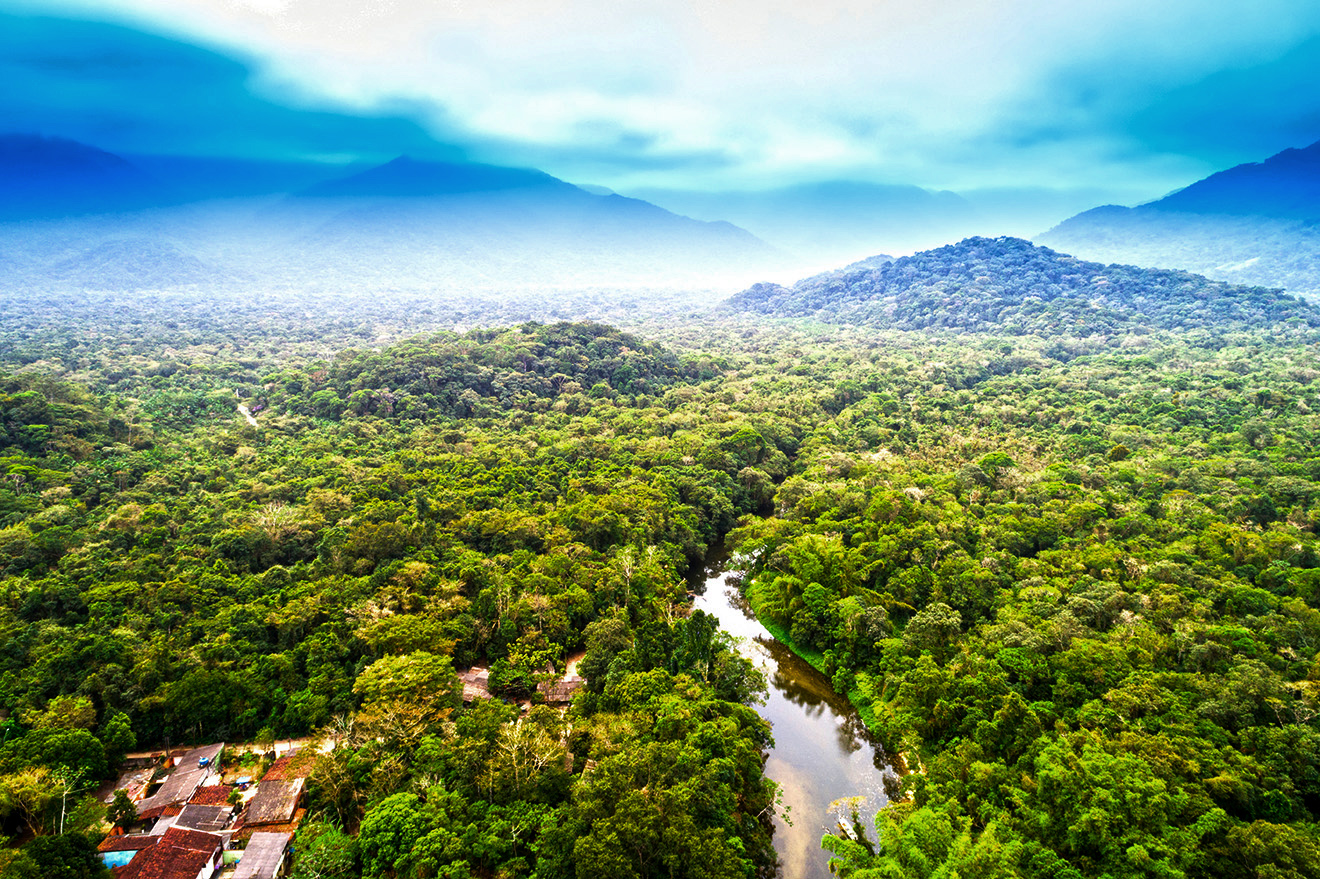
Forests are vital to our planet and our well-being, but they’re under increasing pressure. For nearly 80 years, the FAO’s Global Forest Resources Assessments (FRAs) have been the go-to source for trusted forest data worldwide. Built on country contributions and careful review, the 2025 FRA paints a vivid picture of our forests—tracking their size, health, carbon storage, policies, ownership, and even the impact of natural disturbances. It also highlights the value of non-wood products and how forests are managed. This global collaboration ensures we have the latest insights to guide smart, sustainable decisions for the future of our forests.
The Potato Park, situated in a centre of origin of crops, safeguards Andean agrobiodiversity and knowledge. Communities in the park combine conservation with sustainable use, including through indigenous seed production. They exchange genetic resources, expertise and practices with other communities around the world. In 2015, Indigenous Andean communities from the Potato Park deposited 750 potato seeds in the Svalbard Global Seed Vault. The deposit was the result of a Benefit-sharing Fund project supported by the International Treaty on Plant Genetic Resources for Food and Agriculture. This video reflects on the deposit to Svalbard and how the same Benefit-sharing Fund project has been essential for establishing a local seed bank, that today protects 1,367 native potato varieties and serves more than 5,000 farmers.

Juliana walks through her thriving garden, now nourished by a solar-powered irrigation system that combats drought. Once struggling after her husband’s death, she faced challenges like failed rains and poor harvests in Baixa da Missão, Angola. To improve her situation, she joined the Chitaka Farmer Field School (FFS), part of the European Union-funded FRESAN programme. This community learning initiative, in partnership with the Agrarian Development Institute and the United Nations Food and Agricultural Organization (FAO), has trained over 7,425 smallholder farmers in the region, empowering them to grow food consistently despite climate uncertainties.