Peace and Security

Non-violence: The strength of the courageous

The world is witnessing a troubling erosion of our shared humanity: dialogue is giving way to violence, civilians are bearing the brunt of conflict, and international law is being disregarded. In this time of rising tensions and deepening divisions, Mahatma Gandhi’s legacy of truth and non-violence carries renewed urgency. On this International Day of Non-Violence (2 October, Gandhi’s birthday), Secretary-General António Guterres calls on all people to follow Gandhi’s example—heal divisions through genuine dialogue and diplomacy, end suffering, and build a peaceful world through non-violence.

“Non-violence is not a weapon of the weak, it is the strength of the courageous.” - UN Secretary-General António Guterres.
Photo:UN/Pernaca Sudhakaran
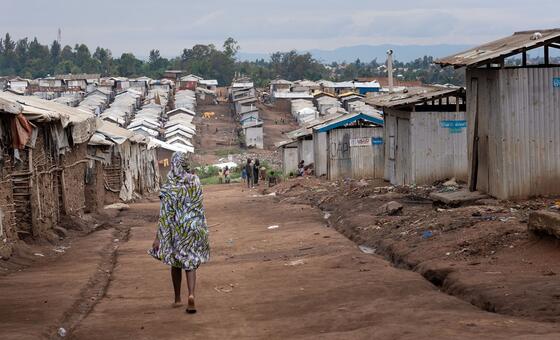
A woman in a colorful patterned dress walks down a dirt path through rows of makeshift shelters in a refugee camp in Ituri Province, DRC.

Ebola response faces setback as transit centre burns down in DR Congo camp

1 October 2026 — The enormous challenge of halting the spread of Ebola in the Democratic Republic of the Congo (DRC) just became even harder after a key transit centre for patients requiring...

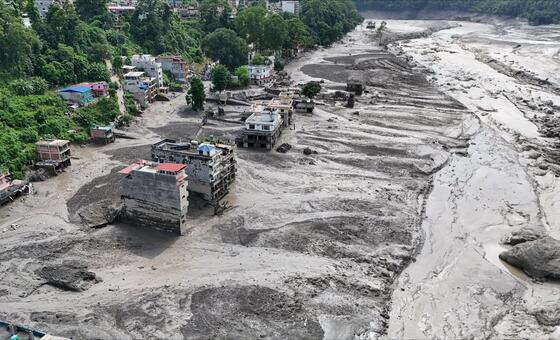
Nepal floods threaten jobs and livelihoods beyond disaster zone: ILO

1 October 2026 — The deadly flash floods in northern Nepal have severely disrupted employment and livelihoods, with wider impacts beyond communities that were directly affected, the International...

Who gets to shape AI? UN debate centres on power, trust and inclusion

30 September 2026 — Artificial Intelligence or AI – and the technology behind it – is moving fast. The question being asked across the world is who gets a seat at the table deciding how it's used...

UN Sustainable Development Goals

17 Goals to transform our world

The Sustainable Development Goals are a call for action by all countries — poor, rich and middle-income — to promote prosperity while protecting the planet.

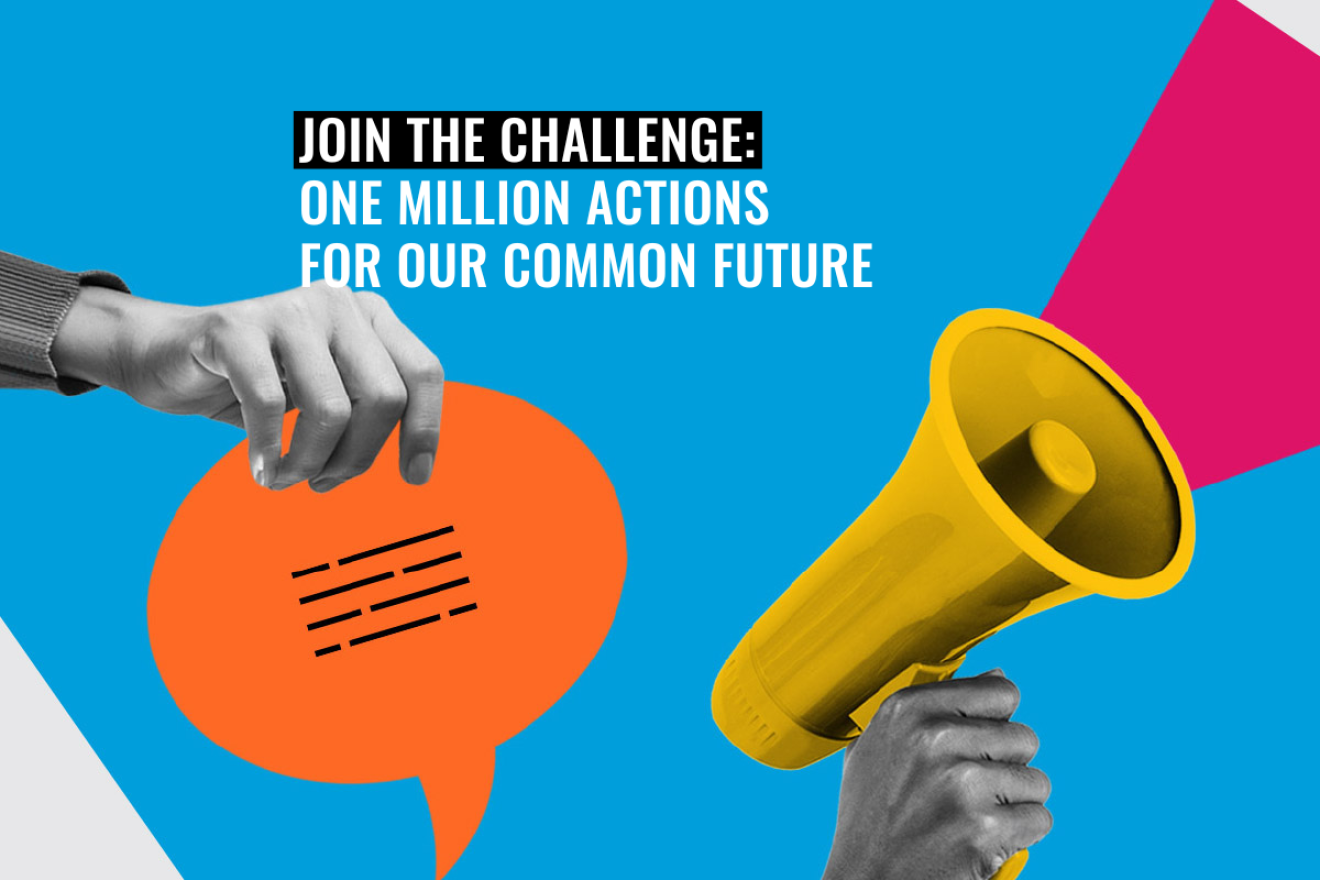
hands holding megaphone and speech bubble

The Goals can improve life for all of us. Cleaner air. Safer cities. Equality. Better jobs. These issues matter to everyone. But progress is too slow. We have to act, urgently, to accelerate changes that add up to better lives on a healthier planet. Find new inspiring actions on the app and at un.org/actnow.

Today, half the world is under 30, and this generation is a powerful force for peace. The UN "Hear Us. Act Now for a Peaceful World" campaign, launched on the International Day of Peace, aims to include, invest in, and partner with young people to build lasting peace. 

the UN Secretariat building with country flags, surrounded by colors of the SDGs

Watch our live broadcast of the SDG Media Zone during this year's high-level week from 21-25 September. Discover the transformations, innovations, and global solutions required to accelerate progress on the SDGs. Check out our daily Pulse blog for highlights of the conversations.

SDG logo in General Assembly hall

As world leaders gather for the 81st session of the United Nations General Assembly, the task is clear: to put the Sustainable Development Goals at the centre of global decision-making. Read more in the Goal of the Month editorial. 

More from the
United Nations

Featured stories from across the United Nations and our world-wide family of agencies, funds, and programmes.

A portrait of an unidentified teenage girl. Only a partial view of her torso and legs is visible. OHCHR, Women and Gender Equality

Protecting girls’ futures: Adolescent pregnancy is preventable

For millions of girls, pregnancy can put health, education and dreams at risk. An estimated 12.3 million girls aged 10–19 gave birth in 2025, a UN Human Rights report finds. Poverty, gender inequality, child marriage and sexual violence heighten the risks, while stigma and barriers to healthcare leave many without support. Yet adolescent pregnancy is preventable. Comprehensive sexuality education, confidential healthcare, contraception and stronger protection can help girls make informed choices. The report urges governments to turn commitments into coordinated action, with girls helping shape the decisions that affect their futures.

A crowd standing in the sun during a mass gathering. WHO, Health

Big crowds, rising heat: Planning saves lives

From sporting events to religious festivals, extreme heat can turn a day in the crowd into a health emergency. New World Health Organization (WHO) guidance shows that most heat-related illnesses at mass gatherings can be prevented or treated on site with timely planning. Well-organized medical teams can treat more than 90% of patients at venues, easing pressure on hospitals and ambulances. Safe drinking water, cooling areas, adjusted schedules and clear public information all help protect attendees, volunteers and workers. WHO urges governments and organizers to make heat safety part of every stage of event planning.

A woman sewing a fishnet. FAO

Tunisia's fishers find new safety nets

On Tunisia’s Djerba island, Fattouma Ben Chagra earns a steady income making and repairing traps for blue swimming crabs. But without a pension or insurance, she fears what will happen if the catch disappears. Tunisia has turned this invasive species into an economic opportunity, yet many fishing families remain exposed to illness, bad weather and uncertain earnings. The Food and Agriculture Organization of the United Nations (FAO) is helping explore ways to extend social protection to fishers and fish workers, linking sustainable fisheries with the security people need to build their futures.

Refugees, Migration, IOM

Rebuilding lives

IOM support helps Ukrainian refugees in Scotland navigate complex immigration processes, secure legal status and build stable futures for their families.

Éducation, SDG 10: Reduced Inequalities, UNESCO

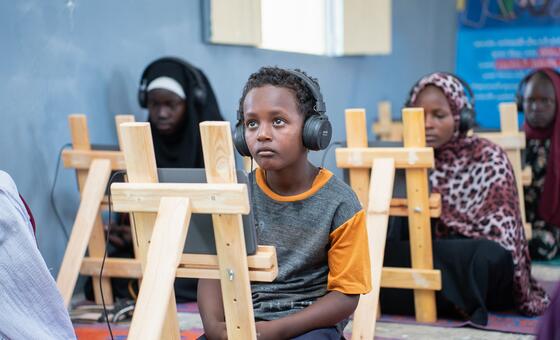
Literacy transforms lives

Literacy programmes worldwide are helping refugees, disadvantaged children and marginalized communities gain skills, confidence and opportunities for brighter, more inclusive futures.

Crisis and emergency response, WFP

Somalia's hunger crisis

Somalia’s hunger crisis is worsening as conflict, climate shocks and funding cuts leave millions food insecure and vulnerable children without vital nutritional support.

Economic Development, UNCTAD

Global investment shifts focus

The World Investment Forum 2026 will explore how global investment in AI, clean energy and critical minerals can support inclusive development.

What we do

Due to the powers vested in its Charter and its unique international character, the United Nations can take action on the issues confronting humanity in the 21st century, including:

Structure of the
United Nations

The main parts of the UN structure are the General Assembly, the
Security Council, the Economic and Social Council, the Trusteeship Council, the International Court of Justice, and the UN Secretariat. All were established in 1945 when the UN was founded.

The General Assembly is the main deliberative, policymaking and representative organ of the UN. All 193 Member States of the UN are represented in the General Assembly, making it the only UN body with universal representation.

The Security Council has primary responsibility, under the UN Charter, for the maintenance of international peace and security. It has 15 Members (5 permanent and 10 non-permanent members). Each Member has one vote. Under the Charter, all Member States are obligated to comply with Council decisions.

The Economic and Social Council is the principal body for coordination, policy review, policy dialogue and recommendations on economic, social and environmental issues, as well as implementation of internationally agreed development goals.

The Trusteeship Council was established in 1945 by the UN Charter, under Chapter XIII, to provide international supervision for 11 Trust Territories that had been placed under the administration of seven Member States, and ensure that adequate steps were taken to prepare the Territories for self-government and independence.

The International Court of Justice is the principal judicial organ of the United Nations. Its seat is at the Peace Palace in the Hague (Netherlands). It is the only one of the six principal organs of the United Nations not located in New York (United States of America).

The Secretariat comprises the Secretary-General and tens of thousands of international UN staff members who carry out the day-to-day work of the UN as mandated by the General Assembly and the Organization's other principal organs.

Learn more

Podium of the General Assembly Hall seen from below with the gold wall and the golden UN logo behind

The United Nations process to appoint the next Secretary‑General continues with interactive dialogues guided by the principles of transparency and inclusivity. Watch the dialogues with the candidates: Ivonne A-Baki (20 August), Michelle Bachelet Jeria (21 April), María Fernanda Espinosa Garcés (15 June), Rafael Mariano Grossi (21 April), Rebeca Grynspan Mayufis (22 April), Olara Otunnu (19 August), Carolyn Rodrigues Birkett (18 June) and Macky Sall (22 April).


A group of people carrying their few belongings, walking in front of buildings in ruins, at sunset.

This series shines a light on communities facing conflict, displacement, public health emergencies and other humanitarian challenges around the world. Drawing on reporting from across the UN system, it amplifies voices from countries including Haiti, Gaza, DR Congo, Yemen, Afghanistan and Myanmar, to foster understanding, encourage engagement, and help mobilize support, assistance, and protection for the most vulnerable people.

Climate Change is one of the defining issues of our time and we are at a pivotal moment. From shifting weather patterns that threaten food production, to rising sea levels that increase the risk of catastrophic flooding, the impacts of climate change are global in scope and unprecedented in scale. Taking decisive action today will make adapting to these impacts in the future more effective and less costly.

General Assembly hall with the Secretary-General at the podium

The United Nations is the only place on Earth where all the world's nations come together to discuss common problems and find shared solutions that benefit all of humanity. Learn about the main areas of the UN’s activities; how it makes a difference to the world’s people; and how every citizen can get involved and make a contribution. 

Watch and Listen

Video and audio from across the United Nations and our world-wide family of agencies, funds, and programmes.

Cate Blanchett has spent the past decade advocating for refugees as a UNHCR Goodwill Ambassador. She reads “The Promise,” a statement supporting refugees and their right to seek safety.

The statement calls for refugees to receive safety, inclusion, opportunities, and lasting solutions. It encourages governments, communities, businesses, and individuals to work together with compassion and solidarity.

What is deep science?

The Global Innovation Index 2026 explores how deep science transforms scientific discoveries into innovations, driving entrepreneurship, economic growth, and solutions to global challenges.

Our choices add up

Reducing food loss and waste can fight hunger and climate change by improving food security, cutting emissions, and strengthening sustainable food systems.

UN Podcasts

An astronaut taking a picture of planet Earth  with a large zoom lens.

What can space teach us about the circular economy?

In a new episode of the ILO’s Future of Work podcast, Canadian astronaut David Saint-Jacques and Casper Edmonds, an ILO expert on the circular economy and the world of work, explore what living and working in space can teach us about using finite resources on Earth. They discuss the opportunities and challenges of the circular economy, the millions of people already working in it, and how the transition can create decent work for all.

Latest Audio from UN News

The United Nations in Pictures

Images from across the United Nations and our world-wide family of agencies, funds, and programmes.

Three women, one of whom is wearing a UNFPA vest, are walking along a muddy road. The aftermath of flooding can be seen in the background.
Photo:© UNFPA Nepal/Nisha Bhandari

After Nepal’s floods, finding strength amid loss

In a crowded shelter in Nepal, 20-year-old Ram Maya replays her mother’s last voice message, asking if she was safe. The floods took her mother and sister-in-law; now she finds strength in cooking for displaced families and caring for children who lost their parents. Other women fled carrying babies, watched their homes vanish and faced life without clean clothes or privacy. The United Nations Population Fund (UNFPA) is providing hygiene supplies, healthcare and counselling to help survivors regain comfort and dignity. For women grieving loved ones and caring for their families, surviving the flood is only the beginning.

A seahorse swimming with a plastic spoon hanging from its tail.
Photo:Shutterstock/Jennifer Lorena Varner

Small changes, less plastic: The people rethinking tourism

For Lay, Valy and Rumluek, cutting plastic waste means protecting the places people call home and the livelihoods tourism sustains. In Cambodia, Lay replaced bottled water in his hotels with reusable glass containers. In Lao PDR, Valy helps coffee drinkers borrow and return stainless steel cups. On Thailand’s Koh Tao island, Rumluek brings businesses together to reduce waste and protect the sea that supports local jobs. Their practical solutions show how everyday choices can keep plastic out of the environment. With support from the United Nations Development Programme, local innovators are helping tourism leave a lighter footprint.