
Find out more in
Migration
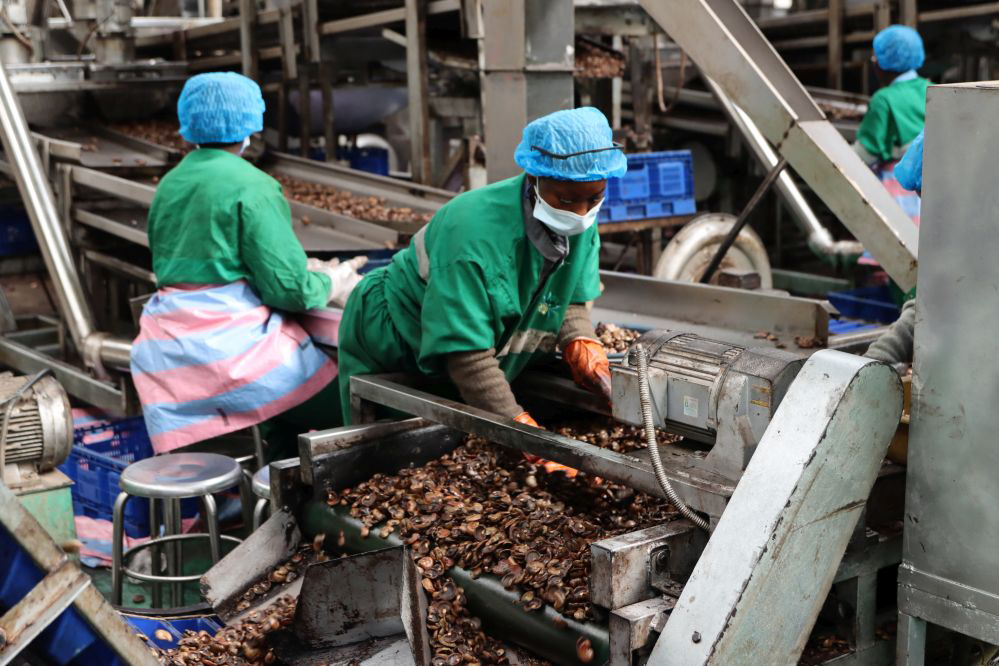
By investing in rural development, jobs and value chains, IFAD helps turn migration from a necessity into a choice by creating stable, home-grown opportunities where people live.

Clara’s journey from Patagonia, Argentina, to Ireland shows how music can shape migration and create belonging. Drawn to Irish traditional music during her youth, she followed her passion across continents, finding community and purpose in Ireland’s vibrant trad scene. While integrating into Irish culture, Clara maintains her Argentinian roots, blending Latin American styles into her performances and teaching guitar to local children. Her story illustrates how migration allows culture to travel, evolve, and connect people. By sharing her heritage and embracing new traditions, Clara exemplifies how music can bridge worlds, build community, and make a new place feel like home.

Migration is shaping our world in profound and lasting ways. From driving economic growth and innovation to strengthening communities and sustaining development, human mobility is a defining force of the 21st century. International Migrants Day 2025 (18 December) celebrates migrants for their economic contributions, resilience, skills, and stories, recognizing the strength, leadership, and courage they bring to societies everywhere. On this day, let us stand together to protect the rights of every migrant and ensure that migration is safe, dignified, and empowering for all.

Giselle and José, from Venezuela, met in Mucajaí, a small town in northern Brazil, where they bonded over high school and quadrilha rehearsals. José shares that dancing the quadrilha eased his loneliness and helped him feel at home in Brazil. The quadrilha junina, a lively folk dance filled with colorful costumes and joy, plays a central role in Brazil’s mid-year festivities, attracting thousands in Roraima, where they now live. Amid a wave of over 700,000 Venezuelan migrants in Brazil, many have benefited from Operation Welcome, a government initiative launched in 2018 with IOM’s support, which offers humanitarian support and relocation opportunities for rebuilding lives.
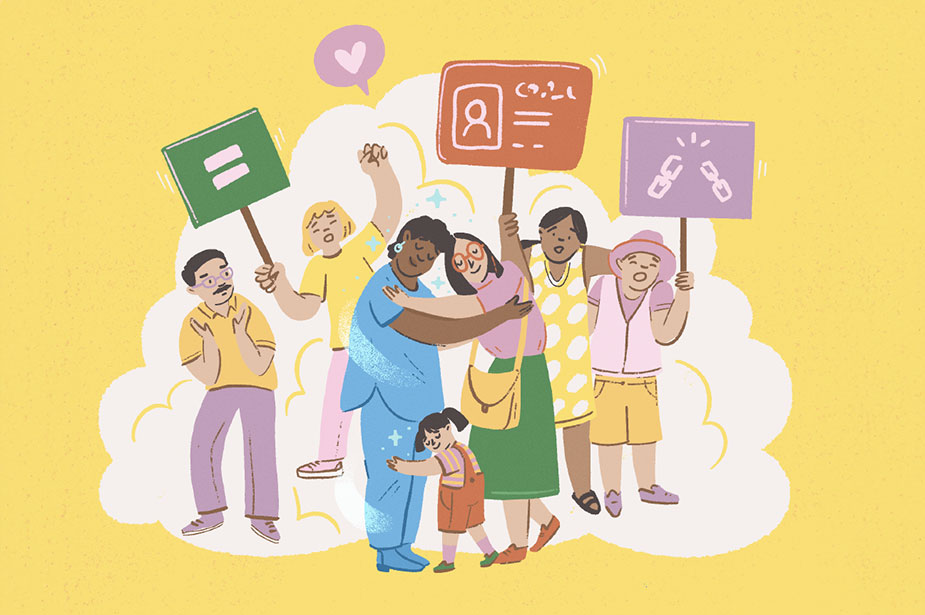
The comic strip from UN Human Rights, ‘A pathway to compassion,’ tells the story of Elizabeth and her struggle due to her insecure migration status and the power of solidarity. Illustrated by Magda Castría – Argentinian artist, feminist and activist – the comic is a reminder of how everyone can be part of demanding fairer systems and rules around migration. Elizabeth's community wanted to help her and others like her and demanded a fair migration system where everyone has a chance to live safely and securely.

Investing in the future of communities that are most likely to migrate to other countries is more effective than spending money on reinforcing border security according to Amy Pope, Director General of the International Organization for Migration (IOM).
Ms. Pope was speaking on the sidelines of the UN’s Fourth International Conference on Financing for Development Sevilla, Spain. The Conference was a crucial opportunity to push for financial reforms and boost investment in the Sustainable Development Goals (SDGs), 17 global goals adopted by all UN Member States to end poverty, protect the planet, and ensure healthy lives for all by 2030, including Goal 10.7 on the orderly, safe, regular and responsible migration and mobility of people.
UN News’ Matt Wells spoke to Ms. Pope and began by asking her how sustainable development is linked to migration issues.

In April 2023, conflict erupted in Sudan, displacing nearly 15 million people and creating the world's largest internal displacement crisis. Despite the profound devastation and dire humanitarian needs—where over 25 million people face hunger and funding is critically low—Sudanese people continue to display resilience and strength. They maintain their hopes and dreams amid their struggles for dignity, peace, and the possibility of returning home. The narrative emphasizes the importance of recognizing their humanity and the urgent need for global support to alleviate their suffering. Even in darkness, the people of Sudan persist in their search for light.

What was once a vibrant Afghan community has become a ghost town, with hundreds of families forced to leave behind their homes, land, crops, livestock and dreams.
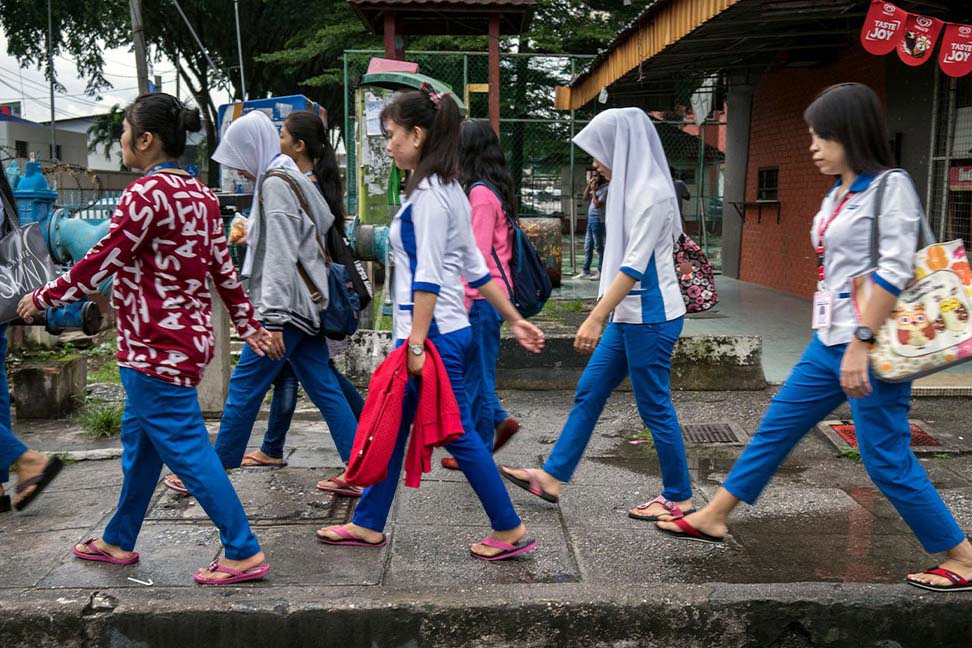
Malaysia is one of the most diverse countries on the Asian continent, a diversity that is rooted in a rich history of migration. It comprises some three million documented and two to four million undocumented migrants, as well as 188,000 refugees. Dari Dapur (or Stories from the Kitchen, in English) is the Malaysian subset of UN Human Rights’ global #StandUp4Migrants narrative change initiative. According to rigorous research commissioned by UN Human Rights, on which the Dari Dapur campaign was designed, most Malaysians see the benefits migration brings to the economy and society. However, some said they are daunted by the complexity of issues around integration and culture that it raises.
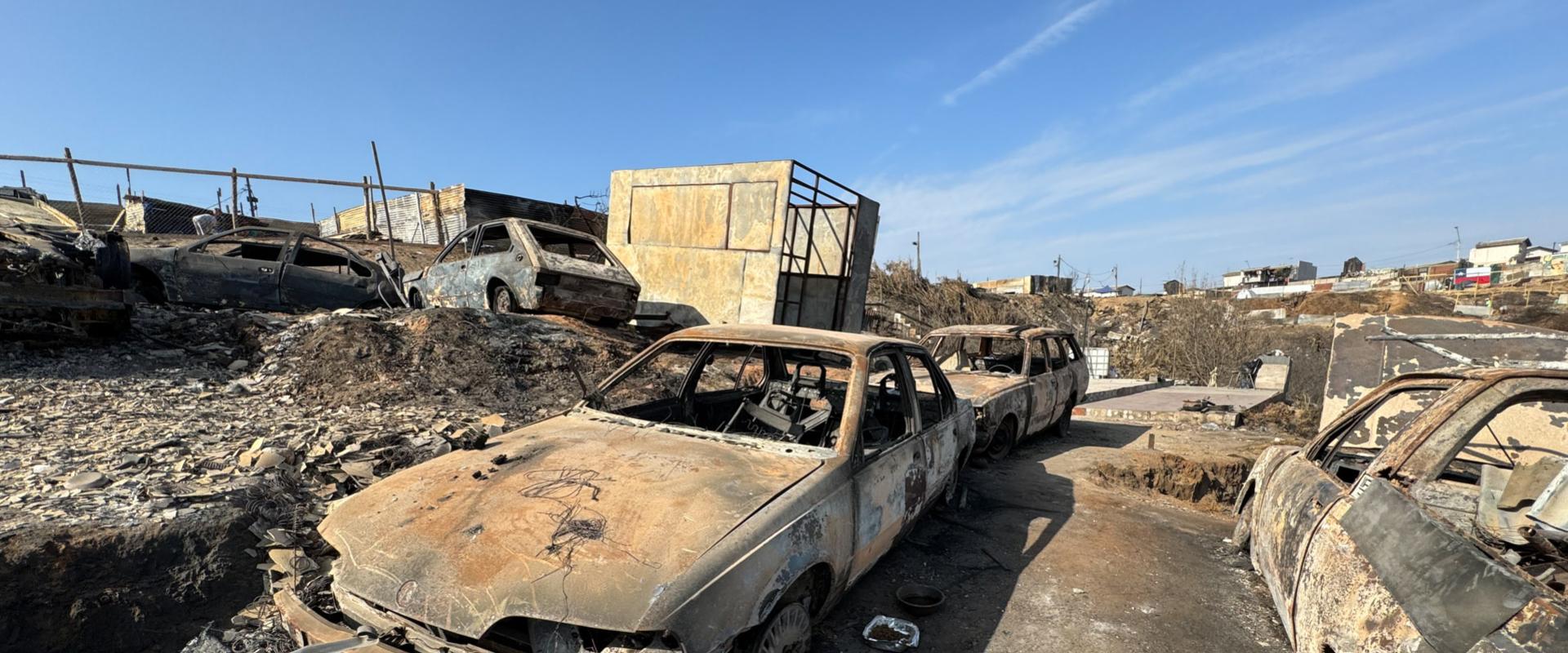
A group of 30 Venezuelan migrants traveled 120 kilometers m from Chile's capital, Santiago to El Olivar, a neighborhood consumed by the flames on the outskirts of Viña del Mar, to help those who lost everything in a disastrous forest fire. They brought food, water, products for newborns, and personal hygiene supplies. They mobilized professionals like doctors, social workers, and psychologists to assist the affected. Raúl Semprún, a Venezuelan journalist, and founder of Crónicas de Chile organized the operation as a way to give back to the country that welcomed them as a second home.
Musa and his family are forced to migrate due to climate change-induced drought, highlighting the urgent need for global climate action.
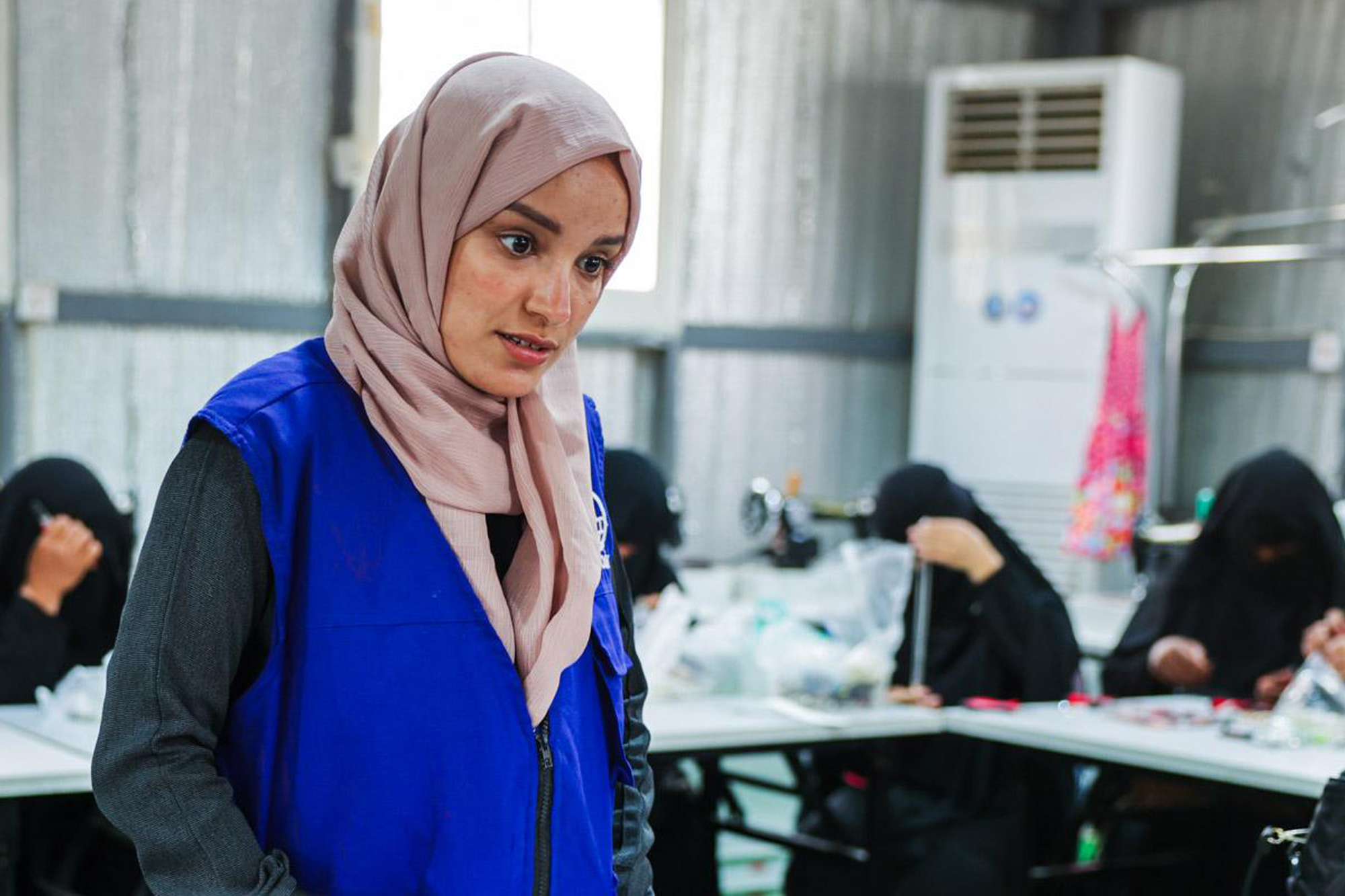
Tahani lived in a small village in Yemen and believed her role was limited to managing the household. After marrying, she left her village due to the country's decade-long conflict, and the new couple moved to a displacement site in central Yemen, where she became pregnant, but her daughter died due to lack of medical care. Shatha, who worked for the International Organization for Migration (IOM), met Tahani and encouraged her to join a workshop where she discovered her talent for making accessories. Tahani has built a small business and is now able to earn an income and support her family.

Over the past two decades, protracted conflicts, humanitarian needs, increasing frequency of disease outbreaks and heightened geopolitical tensions have continued to proliferate. Emerging crises add to the complexity of humanitarian needs. The International Organization for Migration (IOM) prioritizes the safety and protection of people in challenging crisis response contexts. The first-ever IOM Global Appeal for 2024 aims to serve almost 140 million people, including internally displaced persons and their host communities. Take a look at the images associated with seven of the world's most challenging crisis contexts.
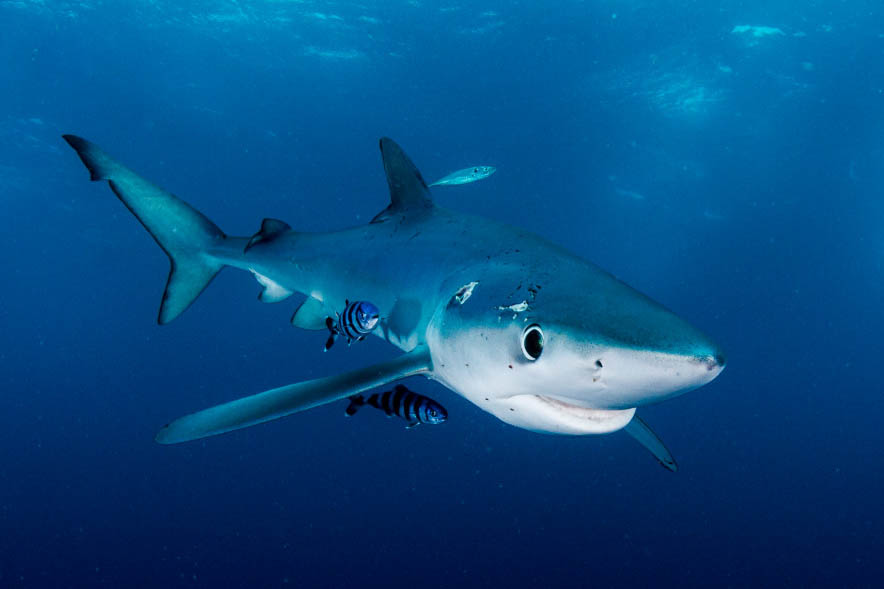
The first edition, State of the world’s migratory species report, underscores the urgent need for international cooperation to address the alarming population declines and extinction risks facing migratory species.