Slavery and Human Trafficking, UNODC

Human trafficking feeding online scams

This year's World Day Against Trafficking in Persons theme, "Trapped Behind the Scam," exposes the hidden human cost of online fraud. Behind many romance scams, cryptocurrency schemes, and fake investment offers are victims of human trafficking—people lured by false job promises, then trapped in scam compounds and forced to commit cyber-enabled crimes under threats, violence, and coercion. Ending these crimes requires stronger cross-border cooperation, protecting survivors, and dismantling the criminal networks that profit from exploitation.

Transnational organized crime groups exploit people to carry out industrial-scale financial fraud.
Photo:UNODC
A decontamination team member in a hazmat suit sprays a building in Bunia, Democratic Republic of the Congo.

Hunger hampers Ebola response as cases top 3,200 in DR Congo

29 July 2026 — The UN emergency food agency appealed for immediate funding on Wednesday, warning that deepening hunger is undermining the response to an Ebola outbreak in the Democratic Republic...

UN warns West Bank settler violence hits ‘all-time high’ as calls grow to end occupation

29 July 2026 — Violence in the occupied West Bank is worsening as the Israeli Government continues to approve new settlements while settlers and Israeli security forces have “often” acted together...

Climate alarm ‘blaring from every direction’

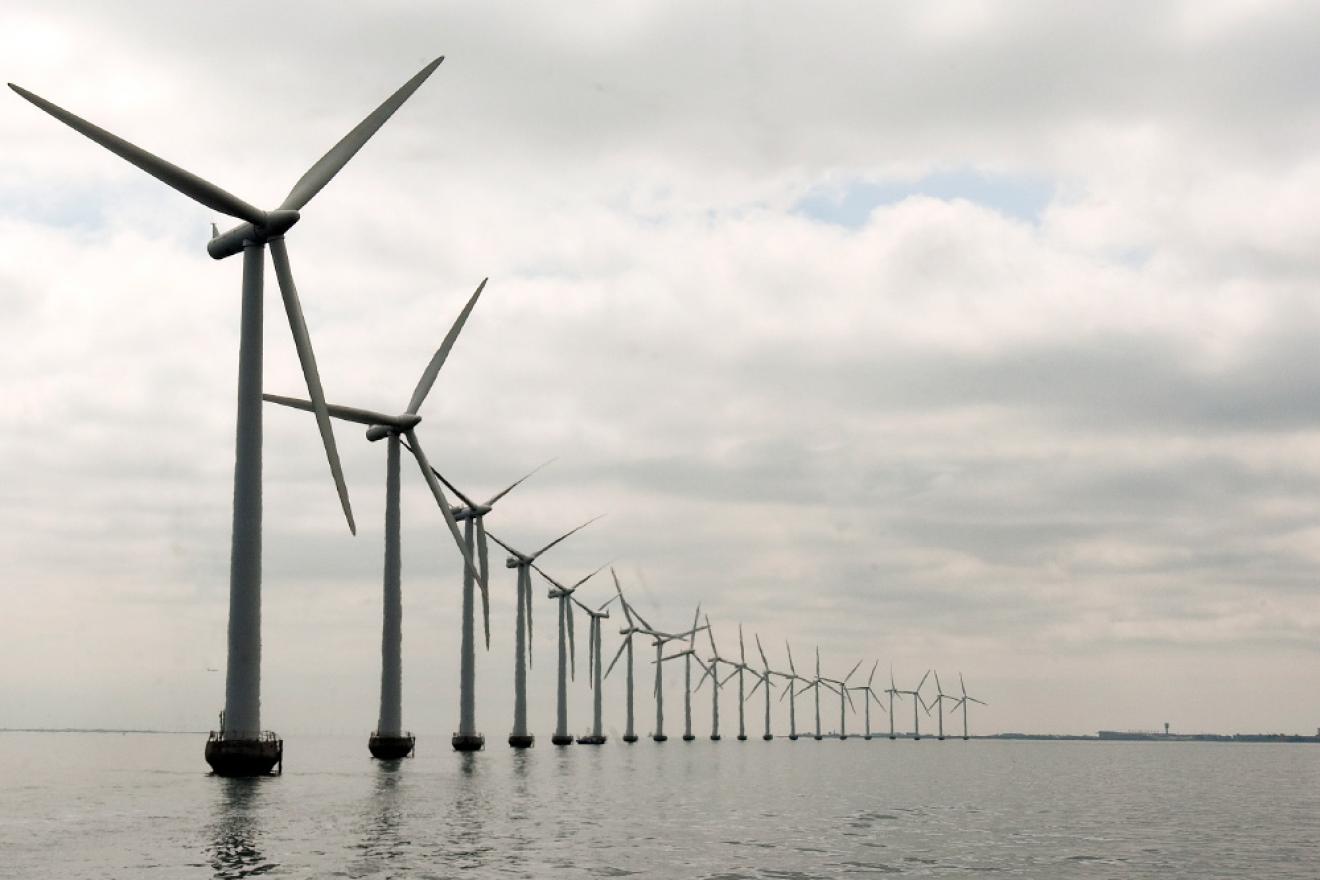
28 July 2026 — Climate-driven disasters are reaching “nightmare proportions” due to humanity’s “addiction” to fossil fuels, a top UN official warned on Tuesday.

...

UN Sustainable Development Goals

17 Goals to transform our world

The Sustainable Development Goals are a call for action by all countries — poor, rich and middle-income — to promote prosperity while protecting the planet.

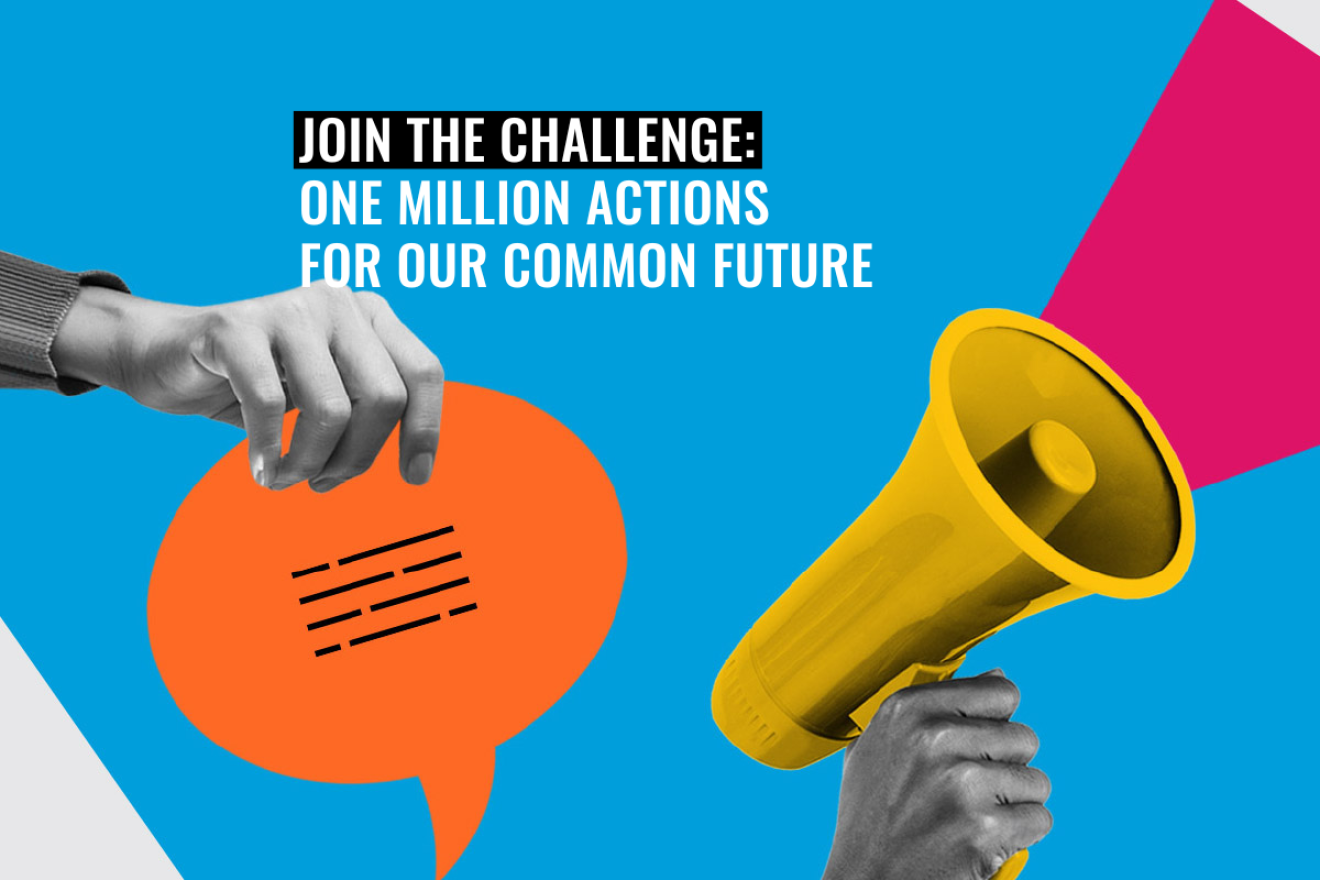
hands holding megaphone and speech bubble

The Goals can improve life for all of us. Cleaner air. Safer cities. Equality. Better jobs. These issues matter to everyone. But progress is too slow. We have to act, urgently, to accelerate changes that add up to better lives on a healthier planet. Find new inspiring actions on the app and at un.org/actnow.

Today, half the world is under 30, and this generation is a powerful force for peace. The UN "Hear Us. Act Now for a Peaceful World" campaign, launched on the International Day of Peace, aims to include, invest in, and partner with young people to build lasting peace. 

Thomas the Tank engine

Learn more about the Sustainable Development Goals! On our student resources page you will find plenty of materials for young people and adults alike. Share with your family and friends to help achieve a better world for all.

17 SDG goals

Ten years after their adoption, the Sustainable Development Goals remain a universal call to action for all countries – developed and developing. Progress is being made, yet major challenges remain. At the High-level Political Forum, countries focus on accelerating action on five critical goals.

More from the
United Nations

Featured stories from across the United Nations and our world-wide family of agencies, funds, and programmes.

A view of the moon from the Earth. Outer Space, UNEP

Shoot for the Moon: Can space exploration be sustainable?

The Moon has fascinated humanity for millennia and plays a vital role in sustaining life on Earth through its influence on tides and ecosystems. As lunar exploration accelerates, with countries and private companies pursuing ambitious missions, the United Nations is emphasizing the need for sustainable space activities. Despite international treaties and guidelines, an estimated 140 million pieces of space debris orbit Earth, including defunct satellites, rocket bodies, collision fragments and mission-related debris. These objects can damage spacecraft, pollute the atmosphere during re-entry and even pose risks to people and ecosystems. The United Nations Environment Programme and the UN Office for Outer Space Affairs are working to address these growing environmental challenges through stronger global cooperation and governance.

A person carrying a bucket full of gum arabic. Human Rights, OHCHR

Sudan’s gum arabic trade fuels war economy

A resin that helps bind everything from soft drinks to medicines now at the centre of Sudan’s devastating war economy, according to a new UN Human Rights report. Sudan’s gum arabic trade, long vital to global food, pharmaceutical and cosmetics industries, has become deeply entangled in the country’s conflict. Sudan, which once supplied 70-80% of global crude gum arabic exports, now sees the commodity linked to conflict financing, with armed actors benefiting through territorial control, checkpoints, taxation and smuggling. Farmers and traders face insecurity, restricted movement and disrupted livelihoods, while human rights abuses have been documented in producing areas. The report urges stronger oversight, anti-smuggling measures and heightened human rights due diligence across the supply chain.

A person carrying a petri dish with New World Screwworms, a parasitic fly whose larvae feed on the living flesh of any warm-blooded animal. Agriculture and Food, FAO

A tiny fly, a growing threat across the Americas

The New World Screwworm (NWS) is not a worm but a parasitic fly whose larvae burrow into living tissue, causing painful and potentially fatal infestations in livestock, wildlife, pets and, occasionally, humans. Resurging across the Americas, it threatens animal health, food production, trade and rural livelihoods. NWS spreads through the movement of infested animals, migrating wildlife and adult flies crossing borders, making surveillance and international cooperation essential. A proven solution is the Sterile Insect Technique, which has successfully eradicated the pest in several countries. The Foood and Agriculture Organization (FAO), together with partners, supports countries through surveillance, veterinary training, early warning systems, emergency assistance and regional coordination to prevent, control and ultimately eradicate NWS.

Slavery and Human Trafficking, IOM

The economy of hope

False promises of opportunity drive vulnerable migrants into trafficking networks, where hope is exploited for profit, leaving families burdened by debt, trauma, and loss.

Science and Technology, IAEA

Blue glow explained

Cherenkov radiation is a blue glow produced when charged particles move faster than light in a medium, helping inspectors verify nuclear material remains peaceful.

Food Aid, WFP

Fragile food security

Despite modest improvements, most people in Gaza still face severe hunger, with limited aid, funding shortages, and restricted access threatening recovery and food security.

Finance, UNCTAD

Debt management cooperation

The Borrowers’ Platform helps developing countries strengthen debt management through peer learning, shared expertise, and collaboration to address rising debt and financing challenges.

What we do

Due to the powers vested in its Charter and its unique international character, the United Nations can take action on the issues confronting humanity in the 21st century, including:

Structure of the
United Nations

The main parts of the UN structure are the General Assembly, the
Security Council, the Economic and Social Council, the Trusteeship Council, the International Court of Justice, and the UN Secretariat. All were established in 1945 when the UN was founded.

The General Assembly is the main deliberative, policymaking and representative organ of the UN. All 193 Member States of the UN are represented in the General Assembly, making it the only UN body with universal representation.

The Security Council has primary responsibility, under the UN Charter, for the maintenance of international peace and security. It has 15 Members (5 permanent and 10 non-permanent members). Each Member has one vote. Under the Charter, all Member States are obligated to comply with Council decisions.

The Economic and Social Council is the principal body for coordination, policy review, policy dialogue and recommendations on economic, social and environmental issues, as well as implementation of internationally agreed development goals.

The Trusteeship Council was established in 1945 by the UN Charter, under Chapter XIII, to provide international supervision for 11 Trust Territories that had been placed under the administration of seven Member States, and ensure that adequate steps were taken to prepare the Territories for self-government and independence.

The International Court of Justice is the principal judicial organ of the United Nations. Its seat is at the Peace Palace in the Hague (Netherlands). It is the only one of the six principal organs of the United Nations not located in New York (United States of America).

The Secretariat comprises the Secretary-General and tens of thousands of international UN staff members who carry out the day-to-day work of the UN as mandated by the General Assembly and the Organization's other principal organs.

Learn more

Podium of the General Assembly Hall seen from below with the gold wall and the golden UN logo behind

The United Nations process to appoint the next Secretary‑General continues with interactive dialogues guided by the principles of transparency and inclusivity. Watch the dialogues with the candidates: Michelle Bachelet Jeria (21 April), Rafael Mariano Grossi (21 April), Rebeca Grynspan Mayufis (22 April), Macky Sall (22 April), María Fernanda Espinosa Garcés (15 June) and Carolyn Rodrigues Birkett (18 June).

.

A group of people carrying their few belongings, walking in front of buildings in ruins, at sunset.

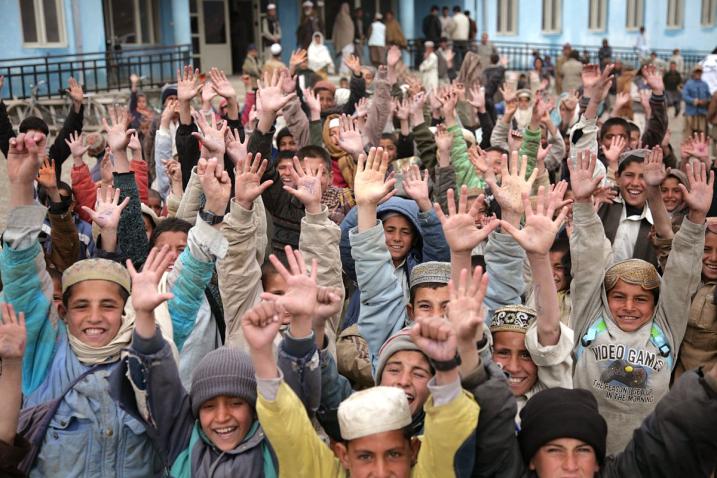
This series shines a light on communities facing conflict, displacement, public health emergencies and other humanitarian challenges around the world. Drawing on reporting from across the UN system, it amplifies voices from countries including Haiti, Gaza, DR Congo, Yemen, Afghanistan and Myanmar, to foster understanding, encourage engagement, and help mobilize support, assistance, and protection for the most vulnerable people.

Climate Change is one of the defining issues of our time and we are at a pivotal moment. From shifting weather patterns that threaten food production, to rising sea levels that increase the risk of catastrophic flooding, the impacts of climate change are global in scope and unprecedented in scale. Taking decisive action today will make adapting to these impacts in the future more effective and less costly.

General Assembly hall with the Secretary-General at the podium

The United Nations is the only place on Earth where all the world's nations come together to discuss common problems and find shared solutions that benefit all of humanity. Learn about the main areas of the UN’s activities; how it makes a difference to the world’s people; and how every citizen can get involved and make a contribution. 

Watch and Listen

Video and audio from across the United Nations and our world-wide family of agencies, funds, and programmes.

Drowning claims more than 300,000 lives each year, yet most deaths are preventable. Many countries still lack the policies, laws, and governance needed to reduce water-related risks.

World Health Organization's guidance outlines seven evidence-based strategies, including safer infrastructure, swimming education, rescue systems, and flood preparedness. Together, these measures help governments strengthen drowning prevention while advancing public health, safety, and equity.

Welcome to the family, Wenyen

UNHCR names Wenyen Gabriel as its newest Goodwill Ambassador, bringing his refugee experience and global platform to support displaced people rebuilding their lives.

Virtual Science Museum

UNESCO’s Virtual Science Museum lets visitors explore global science through interactive exhibitions, inspiring stories, and educational resources that connect cultures, traditions, and innovation.

UN Podcasts

Tshilidzi seated on stage, a banner with UN Decade of Action behind him, speaks to a man seated in front of him

Use AI responsibly for a better world (AAN: S13-E7)

“I would not trust AI. You are not supposed to trust AI. You are supposed to use it, always doubt it, always verify what it tells you, cross validate, so that you can be able to use it responsibly.”

Growing up in rural South Africa, Tshilidzi Marwala first learned about engineering from his grandmother’s handmade clay pots. Now rector of the United Nations University, the Under-Secretary-General is a vocal advocate of using artificial intelligence (AI) for good.

Education has been a driving force throughout Tshilidzi Marwala’s life, alongside the seismic transitions he has witnessed in his native country and around the world. “We [returned to South Africa just after the end of apartheid] and then we realized that freedom is beautiful… Democracy is a beautiful concept, but it's a very difficult journey. It's not an overnight thing.”

With a doctorate in neural networks among his many academic achievements, the UNU rector is familiar with the architecture behind the current rapid developments in AI. In this episode, he reflects on the intersection of political freedom, education and technology, and shares why digital literacy is among the most important skills of our age.

Photo: ©UNU

Latest Audio from UN News

The United Nations in Pictures

Images from across the United Nations and our world-wide family of agencies, funds, and programmes.

elderly man looks at pile of rubble
Photo:UNOCHA

Venezuela: Where hope still stands

One month after Venezuela’s devastating twin earthquakes, hope endures despite overwhelming loss. More than 5,300 people have died, 16,740 have been injured and nearly 18,000 people have lost their homes across seven affected states. International search-and-rescue teams from 31 countries joined local responders, while humanitarian organizations continue to provide food, health care, shelter, clean water, protection and psychosocial support to thousands of people. As communities begin the long road to recovery, resilience, solidarity and sustained humanitarian assistance remain essential to help families rebuild their lives.

landscape with flower fields and mountain
Photo:© Nuri Asmita

25 new sites inscribed on the World Heritage List

The UNESCO World Heritage Committee meets annually to decide which cultural and natural sites deserve World Heritage status and to monitor the conservation of existing sites. At its 48th session in Busan, Republic of Korea, the Committee inscribed 25 new sites on the World Heritage List, including Wadi Wurayah (pictured), recognised for its ecological distinctiveness and biodiversity. The Committee adopted measures to strengthen the protection of heritage threatened by conflict and climate change, and reinforced efforts to make the List more representative, reaffirming a shared global commitment to safeguarding humanity’s cultural and natural heritage for future generations.