IMO, Transport and Communications

Five decades connecting ships to safety

For fifty years, a landmark global agreement has helped connect ships to a lifeline in the sky. Adopted in 1976, the Convention on the International Maritime Satellite Organization paved the way for the use of satellite communications to make shipping safer. Today, the International Mobile Satellite Organization (IMSO), with more than 100 Member States, oversees key satellite-based distress and safety services — an enduring legacy of an agreement that transformed how ships can call for help at sea.

Although the Convention was adopted on 3 September 1976, it did not enter into force until 16 July 1979.
Photo:Adobe Stock/ Maksym Tereshchenko
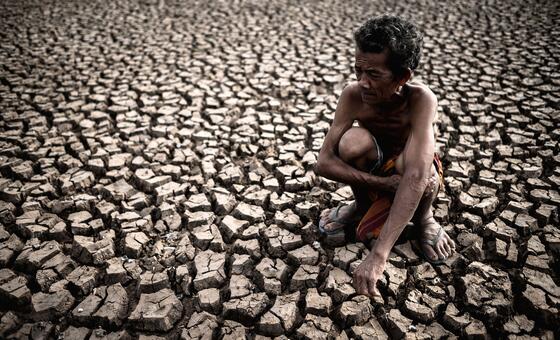
An elderly shirtless man crouches on a vast field of deeply cracked, dry earth.

El Niño is surging. Months of extreme heat could follow

3 September 2026 — Fuelled by exceptionally warm Pacific waters, the El Niño climate pattern is intensifying and has yet to peak. Forecasters are almost certain it will persist through February...

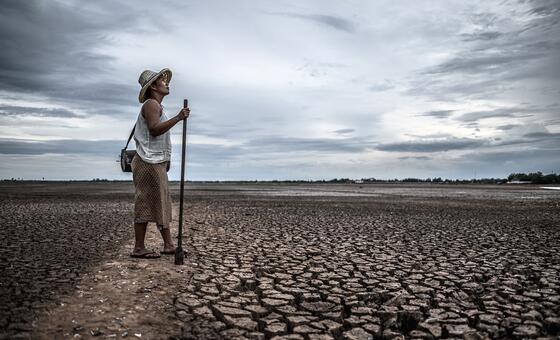
‘Fight for humanity’: Avoiding a climate catastrophe means acting now

2 September 2026 — Record heat waves, deadly flooding and extreme weather reflect an ever-warming planet poised to soon breach safe temperature limits, according to a UN report released on Tuesday...

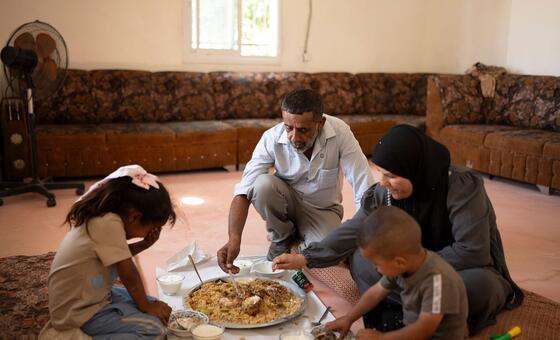
Food aid cutback in the occupied West Bank as health fears grow in Gaza

1 September 2026 — Lack of funding has forced the World Food Programme (WFP) to slash aid to families in the West Bank by half even though needs have more than doubled over the past two years....

UN Sustainable Development Goals

17 Goals to transform our world

The Sustainable Development Goals are a call for action by all countries — poor, rich and middle-income — to promote prosperity while protecting the planet.

hands holding megaphone and speech bubble

The Goals can improve life for all of us. Cleaner air. Safer cities. Equality. Better jobs. These issues matter to everyone. But progress is too slow. We have to act, urgently, to accelerate changes that add up to better lives on a healthier planet. Find new inspiring actions on the app and at un.org/actnow.

Today, half the world is under 30, and this generation is a powerful force for peace. The UN "Hear Us. Act Now for a Peaceful World" campaign, launched on the International Day of Peace, aims to include, invest in, and partner with young people to build lasting peace. 

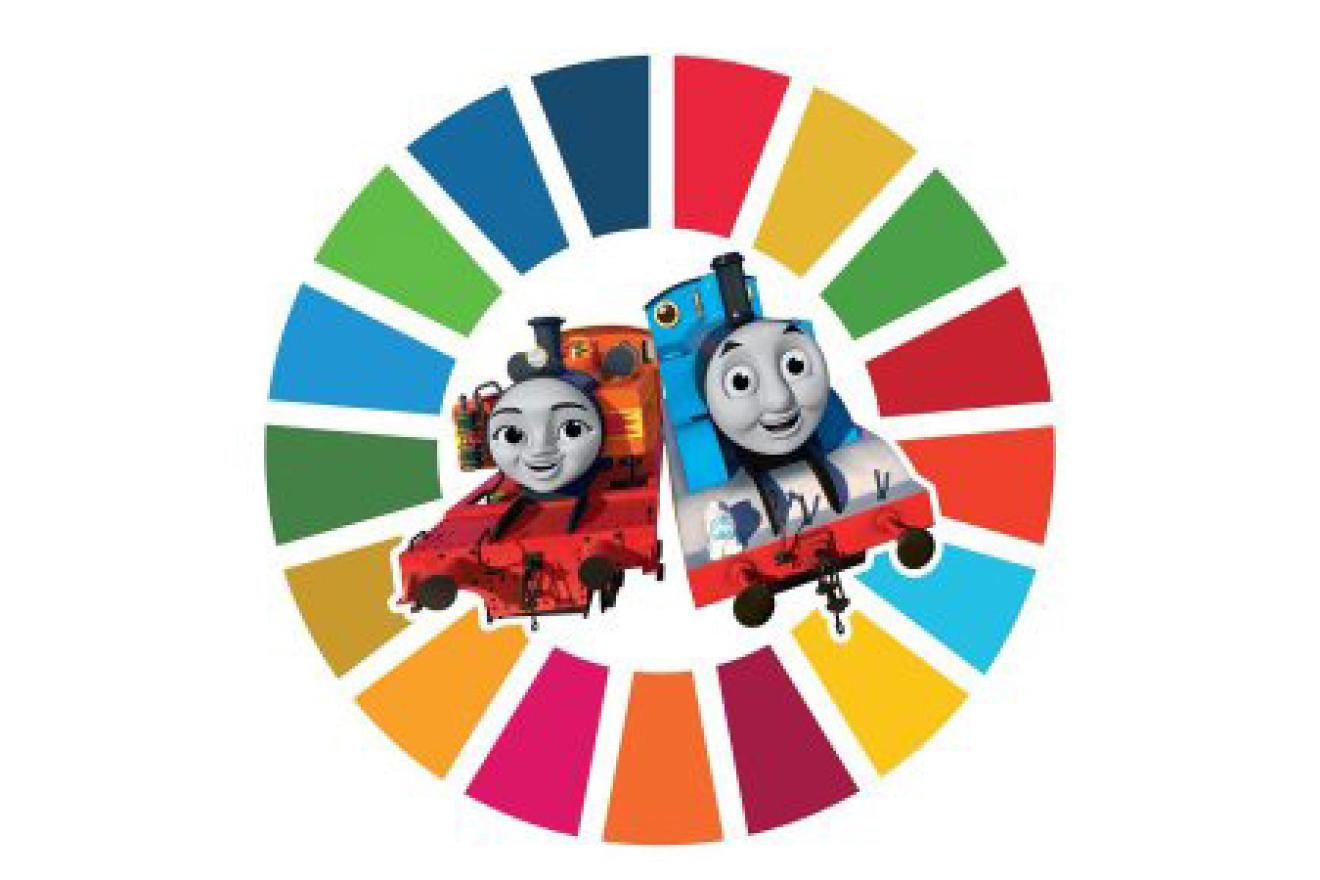
Thomas the Tank engine

Learn more about the Sustainable Development Goals! On our student resources page you will find plenty of materials for young people and adults alike. Share with your family and friends to help achieve a better world for all.

SDG logo in General Assembly hall

As world leaders gather for the 81st session of the United Nations General Assembly, the task is clear: to put the Sustainable Development Goals at the centre of global decision-making. Read more in the Goal of the Month editorial

More from the
United Nations

Featured stories from across the United Nations and our world-wide family of agencies, funds, and programmes.

fire in the night Climate, UNEP

Beyond 1.5°C: every fraction matters

The world is likely to cross the 1.5°C global warming threshold within the next few years, increasing the risks of extreme weather, ecosystem loss and damage to health, food and water supplies. A new UN Environment Programme report says the best remaining path is to keep this rise as small and brief as possible, then bring temperatures back below 1.5°C. This requires rapid and sustained cuts in greenhouse gas emissions, a faster shift from fossil fuels to renewable energy, stronger climate adaptation and carefully managed removal of carbon from the atmosphere. Every fraction of a degree — and every year above 1.5°C — matters.

woman in a contemplative stance Human Rights

Still searching, still asking: Where are they?

Across the world, families of people who have disappeared continue to live with the same unanswered question: Where are they? Enforced disappearances leave relatives facing years of uncertainty while they search for truth, justice and accountability. Families and civil society groups often lead these efforts, despite facing threats, harassment and other obstacles. The UN Human Rights Office stresses that States must investigate disappearances, search for missing people and ensure victims’ rights to truth, justice and reparation. Preventing future disappearances also requires stronger action, accountability and international cooperation.

woman in cow barn Agriculture and Food, FAO

Singing through Mongolia’s harsh winters

In Mongolia’s Töv province, dairy farmer Otgo Dashdorj sings to keep her cows calm — and producing more milk. After 27 years as nomadic herders, she and her husband settled three years ago as harsher winters, drought and degrading grasslands made traditional herding increasingly difficult. Now, with support from the Food and Agriculture Organization and partners, Otgo is using better feed, digital tools and climate-smart farming practices to strengthen her business. She hopes to double her herd to 40 cows and eventually pass the farm — and her secret of singing to happy cows — to her veterinarian son.

Sports, Women and Gender Equality, UN Women

Breaking stereotypes in women’s sport

Olympic champion Alysa Liu challenges stereotypes in women’s sport, championing body positivity, friendship, mental health, equality and the freedom to compete authentically.

Health, Mental health and wellbeing, ILO

A mine never forgives a mistake

After 19 years underground, Kazakh miner Ivan Katolik stresses vigilance, mentorship and worker-led safety to prevent accidents in dangerous mines.

Science and Technology, WFP

Digital aid brings choice and dignity to Ngala

WFP’s e-voucher programme gives displaced families in Nigeria’s Borno State the freedom to choose nutritious food while strengthening local markets and livelihoods.

SDG 9: Industry, Innovation and Infrastructure, WIPO

Global bioplastics innovation

Novamont pioneered renewable, biodegradable bioplastics, turning decades of research and strong intellectual property into sustainable materials used worldwide.

What we do

Due to the powers vested in its Charter and its unique international character, the United Nations can take action on the issues confronting humanity in the 21st century, including:

Structure of the
United Nations

The main parts of the UN structure are the General Assembly, the
Security Council, the Economic and Social Council, the Trusteeship Council, the International Court of Justice, and the UN Secretariat. All were established in 1945 when the UN was founded.

The General Assembly is the main deliberative, policymaking and representative organ of the UN. All 193 Member States of the UN are represented in the General Assembly, making it the only UN body with universal representation.

The Security Council has primary responsibility, under the UN Charter, for the maintenance of international peace and security. It has 15 Members (5 permanent and 10 non-permanent members). Each Member has one vote. Under the Charter, all Member States are obligated to comply with Council decisions.

The Economic and Social Council is the principal body for coordination, policy review, policy dialogue and recommendations on economic, social and environmental issues, as well as implementation of internationally agreed development goals.

The Trusteeship Council was established in 1945 by the UN Charter, under Chapter XIII, to provide international supervision for 11 Trust Territories that had been placed under the administration of seven Member States, and ensure that adequate steps were taken to prepare the Territories for self-government and independence.

The International Court of Justice is the principal judicial organ of the United Nations. Its seat is at the Peace Palace in the Hague (Netherlands). It is the only one of the six principal organs of the United Nations not located in New York (United States of America).

The Secretariat comprises the Secretary-General and tens of thousands of international UN staff members who carry out the day-to-day work of the UN as mandated by the General Assembly and the Organization's other principal organs.

Learn more

Podium of the General Assembly Hall seen from below with the gold wall and the golden UN logo behind

The United Nations process to appoint the next Secretary‑General continues with interactive dialogues guided by the principles of transparency and inclusivity. Watch the dialogues with the candidates: Ivonne A-Baki (20 August), Michelle Bachelet Jeria (21 April), María Fernanda Espinosa Garcés (15 June), Rafael Mariano Grossi (21 April), Rebeca Grynspan Mayufis (22 April), Olara Otunnu (19 August), Carolyn Rodrigues Birkett (18 June) and Macky Sall (22 April).


A group of people carrying their few belongings, walking in front of buildings in ruins, at sunset.

This series shines a light on communities facing conflict, displacement, public health emergencies and other humanitarian challenges around the world. Drawing on reporting from across the UN system, it amplifies voices from countries including Haiti, Gaza, DR Congo, Yemen, Afghanistan and Myanmar, to foster understanding, encourage engagement, and help mobilize support, assistance, and protection for the most vulnerable people.

Climate Change is one of the defining issues of our time and we are at a pivotal moment. From shifting weather patterns that threaten food production, to rising sea levels that increase the risk of catastrophic flooding, the impacts of climate change are global in scope and unprecedented in scale. Taking decisive action today will make adapting to these impacts in the future more effective and less costly.

General Assembly hall with the Secretary-General at the podium

The United Nations is the only place on Earth where all the world's nations come together to discuss common problems and find shared solutions that benefit all of humanity. Learn about the main areas of the UN’s activities; how it makes a difference to the world’s people; and how every citizen can get involved and make a contribution. 

Watch and Listen

Video and audio from across the United Nations and our world-wide family of agencies, funds, and programmes.

Writer, lecturer, political activist, and feminist organizer Gloria Steinem denounces violence against women in a speech at UN Headquarters. Utilizing material from the UN Audiovisual Library, this production showcases a major force in the feminist movement taking her message to the global stage.

Nature’s future warning

The Slaty Egret, a rare waterbird, is monitored as an indicator of wetland health in Botswana’s Okavango Delta, amid growing climate and environmental pressures.

The informal economy: 5 surprising facts

Over 60% of workers operate informally, shaping economies and daily life while raising critical questions about rights, policy, inclusion, and economic justice.

UN Podcasts

Garry Conille is seated with SDG banners and a United Nations Kenya banner behind him

There’s no problem that can’t be solved (AAN S13-E12)

“I've seen countries take their future in hand and transform themselves. [...] So I know that's possible. I'm also convinced that there was no problem that we have in Haiti, for which there's not a proven solution.”

Garry Conille knows that resilience, hope and determination can be powerful foundations for change. Now UN Resident Coordinator in Kenya, he hopes to contribute his wide-ranging experience to help accelerate the country’s development. 

Meanwhile, he hasn’t let go of his brimming optimism towards his troubled home of Haiti, where he served as prime minister. “It's been years of challenges and stress and distress, yet when you walk in the streets of Haiti, you will see these young children with their hair just tightly done, and these uniforms tightly pressed, walking for hours to go to school. [That’s] what defines Haiti more than anything else.”

The UN and its agencies stand alongside all low and middle income countries as they work to improve the lives of their citizens and those who seek shelter within their borders. In this episode, Garry Conille reflects on the dangers faced by young migrants, on the promise of Kenya as a new hub for diplomacy, and about his drive to seek solutions for even the most intractable problems.

Photo: ©UN RCO/Abel Ludeki

Latest Audio from UN News

The United Nations in Pictures

Images from across the United Nations and our world-wide family of agencies, funds, and programmes.

health worker in protective gear and his colleague with thumbs up
Photo:UNOCHA/Ramatoulaye Moussa Mazou

Hope against Ebola

In eastern Democratic Republic of the Congo, health workers and community responders are fighting Ebola while facing conflict, displacement and limited resources. Some are displaced themselves, yet continue caring for patients, identifying suspected cases and helping communities understand how to protect themselves. At a transit centre serving a displacement site of 18,500 people, responders provide testing and early care, helping contain the virus before it spreads further. Their local knowledge and trusted relationships are also crucial to overcoming fear and misinformation.

colorful Amazonian bird
Photo:UNDP Colombia

Protecting the Amazon, protecting the climate

The Amazon is one of the world’s most important allies against climate change, storing vast amounts of carbon while supporting extraordinary biodiversity and millions of people. But deforestation, fires and other pressures are weakening its ability to regulate the climate and could push parts of the forest towards irreversible change. Protecting and restoring the Amazon means stopping forest loss, supporting sustainable livelihoods and recognizing the crucial role of Indigenous Peoples and local communities. Stronger national climate plans and international cooperation can help safeguard the forest — and the climate benefits it provides far beyond the region.