
Swiss engineers at Swisspod are developing hyperloop capsules that travel up to 1,200 km/h in low-pressure tubes, aiming to make ultra-fast, affordable transport a reality within the next decade.
WIPO

For decades, farmers have relied on chemical fertilizers, pesticides and antibiotics to enhance food production. But the rapid modernization of agriculture to meet rising demands has its perils. To solve such problems, biotechnology companies are turning to living organisms and natural materials for inspiration. And alongside their biology‑first innovations, their strategic use of intellectual property (IP) is equally important. The companies featured in this article were shortlisted in the WIPO Global Awards 2025.

From Emily in Paris to Sex and the City, television fashion has become a powerful asset shaped, monetized, and safeguarded through intellectual property rights that protect costume design, brand collaborations, and merchandising worldwide.

As legal battles over AI training and copyrighted material unfold globally, the music industry faces a pivotal moment to balance innovation with fair compensation, while enabling AI’s growth.
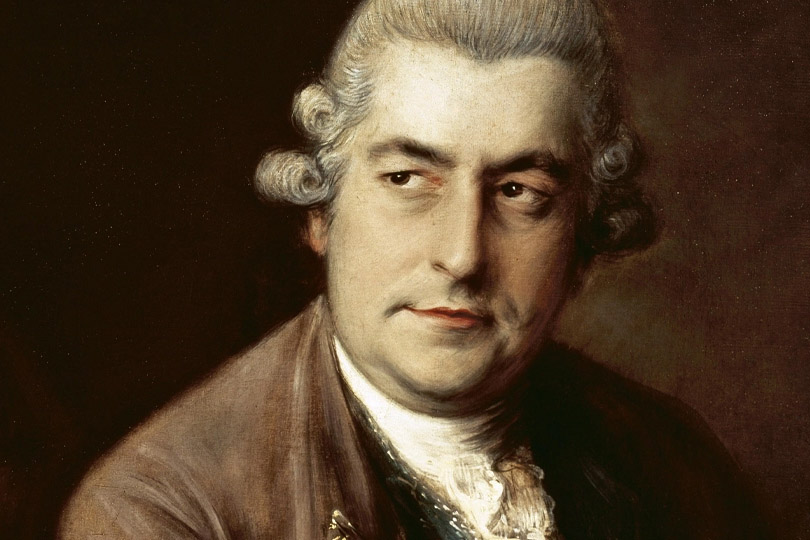
Bach’s fight for ownership of his compositions laid the foundation for recognizing music as intellectual property, a legacy now tested by the rise of AI-generated music.
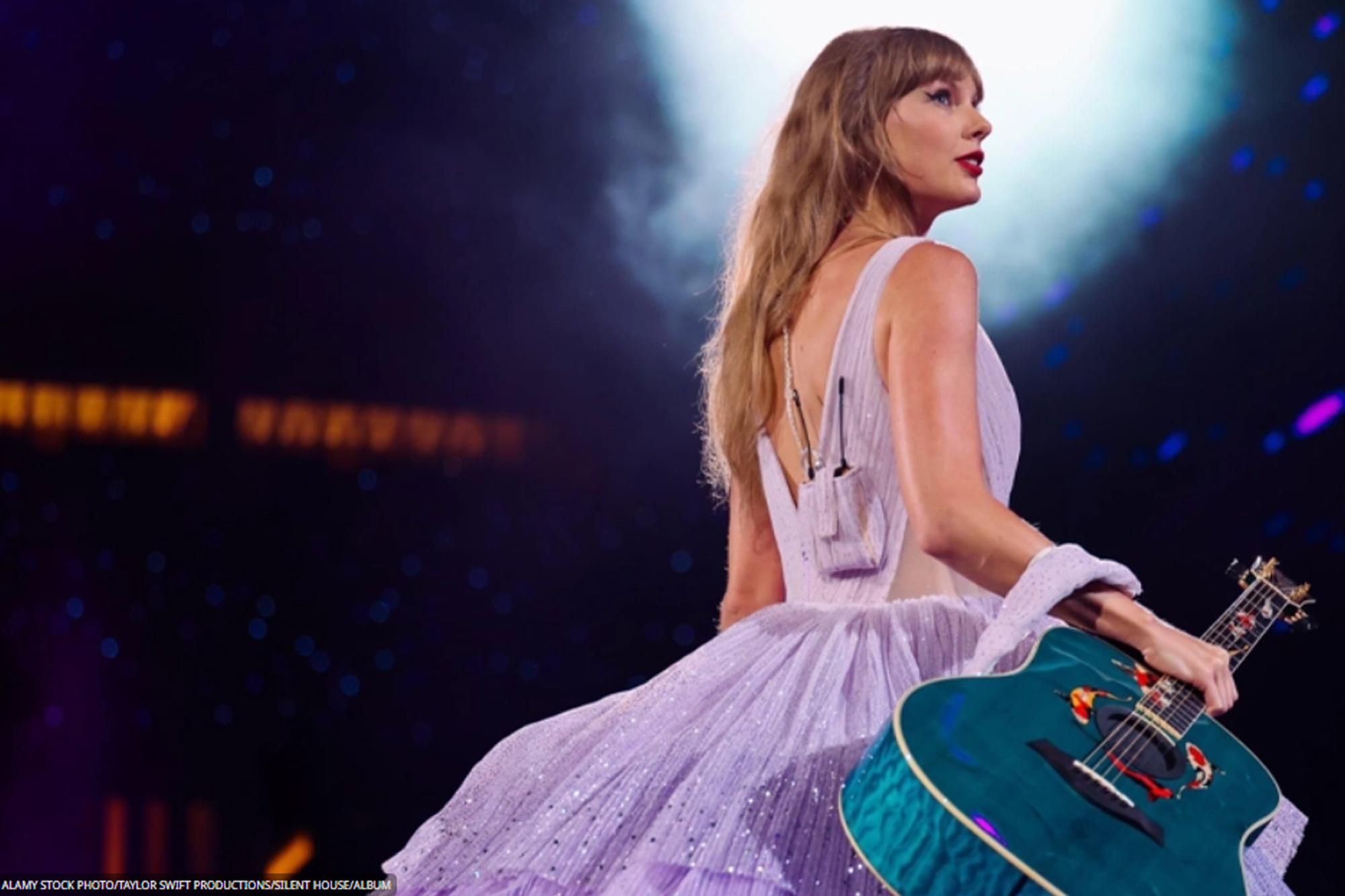
As Taylor Swift announces her new album, The Life of a Showgirl, all that goes into it behind the scenes showcases her ability to blend creative vision with strategic IP management seamlessly. This is the complete breakdown of her branded universe. With over 400 trademarks globally, she safeguards her name, song and album titles, tour names, and even the names of her cats. This strategy empowers her brand, protects her legacy, and sets a precedent for artists worldwide to treat IP as essential to creative and commercial success.

As generative AI transforms music creation, researchers and artists push for fairer systems to trace influence, license training data, and ensure musicians are compensated for their contributions.

From a mother’s struggle to an international brand, Tammy Rant, founder of Tushbaby revolutionized babywearing through thoughtful design, global trademark protection, and a commitment to supporting parents everywhere.

Music creators are urged to take control of their metadata to ensure fair compensation and protect their rights in the evolving music industry.
This year, World Intellectual Property Day (April 26), was all about the creators, innovators, and entrepreneurs who bring music to life.

Matt Chiu, a Singaporean inventor, created the Hanabii pacifier with petal-like silicone wings that protect it from dirt and germs, offering a hygienic and aesthetic solution for parents.

Medical technology innovations, from AI diagnostics to 3D-printed implants, are transforming healthcare, with intellectual property playing a crucial role in bringing these advancements to market.
The future of transportation is being shaped by climate change and breakthrough technologies, creating sustainable and efficient modes of travel. As innovations like driverless cars, electric vehicles, and space tourism emerge, understanding these advancements is crucial for shaping policies and personal choices in transportation.
The World Intellectual Property Organisation Technology Trends 2025 report on the Future of Transportation dives into the transformative changes reshaping the transportation sector.

Yakwetu is transforming Kenya's film industry by disrupting piracy through a legitimate pay-as-you-go streaming model that supports local creators and combats the illegal copying of content.
International sports events attract millions of fans worldwide, who eagerly tune in to watch their favorite teams and athletes compete. However, illegal streaming of these events not only harms athletes and broadcasters but also undermines the experience for fans. By choosing to watch through official channels, you help ensure that everyone involved—from the athletes who dedicate their lives to the sport to the broadcasters who bring the games to you—can benefit fairly.
Respecting copyright and supporting legitimate streams ensures that the excitement and integrity of the sport are preserved for all to enjoy.