Trade and Commerce, IMO

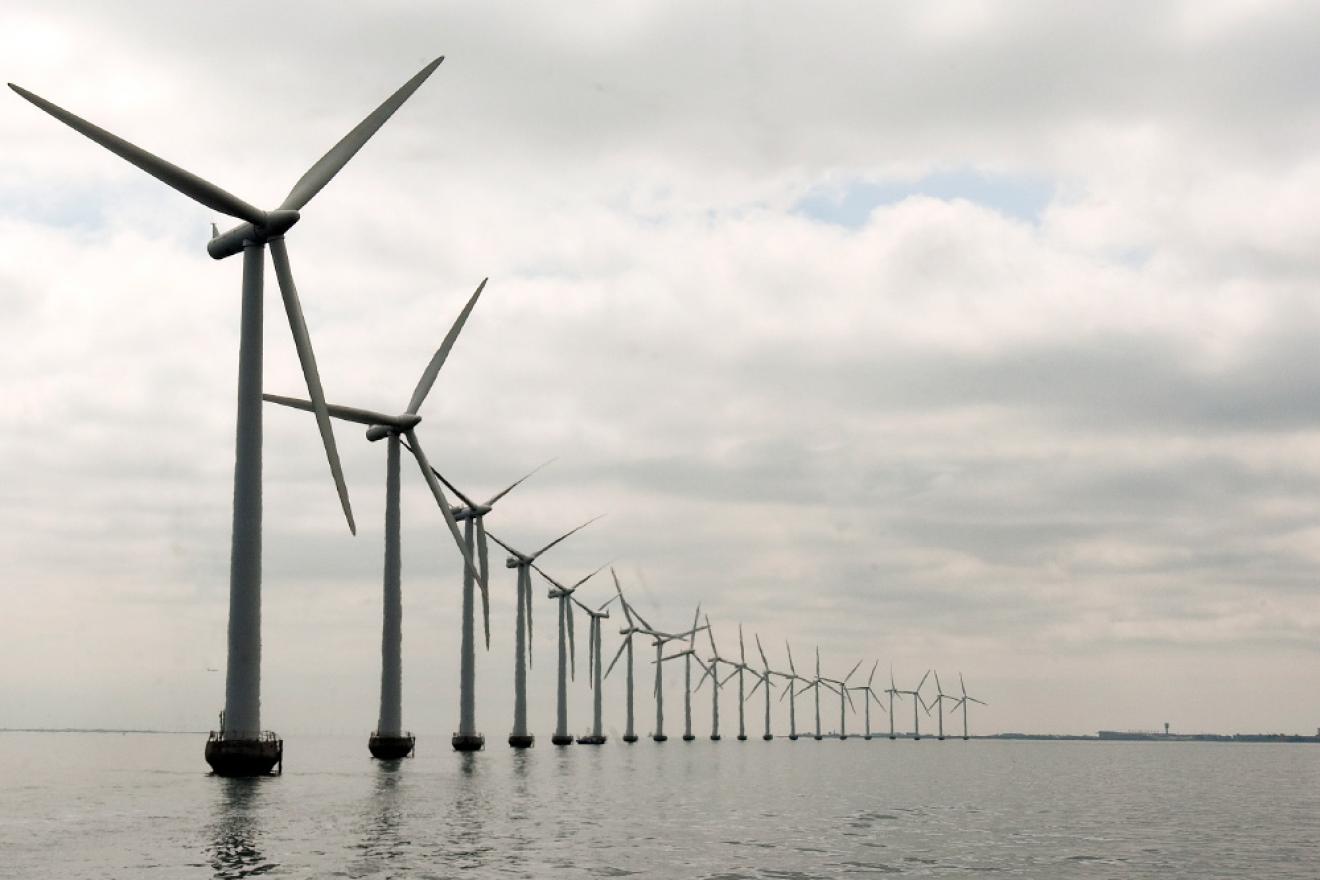
Carrying world trade. Carrying the risks

Across the world’s seas, seafarers carry the lifeblood of global trade, and with it the hidden burdens of distance, danger and conflict. This year's Day of the Seafarer honors those who keep food, medicine, energy and essential goods moving, often far from home and in harm’s way. Under the theme "Carrying world trade. Carrying the risks", it calls on Governments and industry to recognize seafarers' courage, skill and sacrifice, to uphold their rights and protect them from peril and geopolitical storms. For those ashore, it is a reminder not to be sea-blind to the hands that keep the world afloat.

The campaign highlights the hardship, pressure and risks of life at sea, especially in high‑risk and conflict‑affected areas.
Photo:© International Maritime Organization
A view of a street in Caracas, Venezuela, looking through a window grid with mountains in the background.

Venezuela quake disaster: UN urges collective effort to help victims

25 June 2026 — UN teams scrambled on Thursday in support of the international response to the devastating double earthquake disaster in Venezuela, where buildings lie flattened and people are...

UN chief: Targeting methane is a climate battle ‘we can win’

24 June 2026 — Amid efforts to cool global warming, the battle hinges on targeting such super-pollutants as methane, which emits one third of the world’s greenhouse gases and “is a fight we can...

Lives at risk in DR Congo as Ebola outbreak continues to outpace response

24 June 2026 — The Ebola outbreak in the Democratic Republic of the Congo (DRC) continues to spread faster than aid efforts can keep pace, despite significant gains in treatment capacity and...

UN Sustainable Development Goals

17 Goals to transform our world

The Sustainable Development Goals are a call for action by all countries — poor, rich and middle-income — to promote prosperity while protecting the planet.

hands holding megaphone and speech bubble

The Goals can improve life for all of us. Cleaner air. Safer cities. Equality. Better jobs. These issues matter to everyone. But progress is too slow. We have to act, urgently, to accelerate changes that add up to better lives on a healthier planet. Find new inspiring actions on the app and at un.org/actnow.

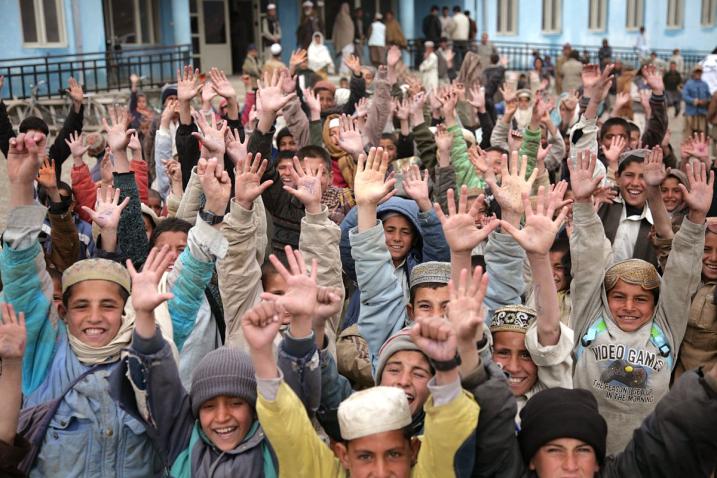
Today, half the world is under 30, and this generation is a powerful force for peace. The UN "Hear Us. Act Now for a Peaceful World" campaign, launched on the International Day of Peace, aims to include, invest in, and partner with young people to build lasting peace. 

Thomas the Tank engine

Learn more about the Sustainable Development Goals! On our student resources page you will find plenty of materials for young people and adults alike. Share with your family and friends to help achieve a better world for all.

icon with fish swimming below waves


Goal 14: Conserve and sustainably use the oceans, seas and marine resources

Healthy oceans and seas are essential to human existence and life on Earth.

More from the
United Nations

Featured stories from across the United Nations and our world-wide family of agencies, funds, and programmes.

fish steaks being picked up with tongs Agriculture and Food, FAO

Something fishy about this fish

What’s on your plate may not always be what it seems. As seafood travels through increasingly complex global supply chains, opportunities for fraud grow—from mislabeled species and diluted products to counterfeit brands and illegally sourced catches. The consequences extend beyond consumer deception, affecting food safety, honest businesses, and the health of marine ecosystems. New tools, stronger traceability, and international collaboration are helping expose fraudulent practices and protect the integrity of one of the world’s most traded food commodities. Could the fish you bought really be the fish you ordered? 

collage of maritime photos Transport and Communications, IMO

IMO's NextWave initiative expands opportunities for future seafarers

A maritime career can’t begin without time at sea—but for many aspiring seafarers, securing onboard training remains the biggest obstacle. A growing international initiative is working to bridge that gap by connecting cadets from developing countries with real-world placements aboard commercial vessels. With a strong focus on gender equality, industry partnerships, and expanding opportunities for small island, least developed, and landlocked nations, the effort aims to unlock talent, strengthen the global maritime workforce, and create new pathways to skilled, sustainable employment

young people in hard hats working on electricity panel Employment, ILO

Technical skills should be for everyone

Technical skills have the power to transform lives—but only when everyone has the chance to learn them. Breaking down barriers to vocational education means creating training environments where people of all genders can develop in-demand skills, pursue non-traditional careers, and access better job opportunities. From safer classrooms to stronger support systems and inclusive leadership, small changes can open doors to lasting economic empowerment. What does it take to make technical training truly accessible, equitable, and ready for the workforce of tomorrow?

Sports, SDGs, UNDP

One team, one planet

Call it football or soccer—the World Cup reminds us that while we may be 8 billion people, we are one team united in helping every person thrive on a healthy planet.

Oceans and Law of the Sea, UNEP

Protecting shared waters

From the polluted waters of the Mediterranean in the 1970s to cleaner coastlines today, UNEP shows how international cooperation and sustained environmental investment can restore marine ecosystems and improve lives.

SDG 13: Climate Action, UNDP

Climate action pays

Cambodia is integrating climate action into its development journey, investing in resilient communities, sustainable growth and forest protection to secure a prosperous low-carbon future.

Economic Development, UNCTAD

The cost of debt

Rising borrowing costs are squeezing developing countries’ budgets, leaving less funding for education, healthcare, infrastructure and climate action while highlighting the need for more affordable long-term finance.

What we do

Due to the powers vested in its Charter and its unique international character, the United Nations can take action on the issues confronting humanity in the 21st century, including:

Structure of the
United Nations

The main parts of the UN structure are the General Assembly, the
Security Council, the Economic and Social Council, the Trusteeship Council, the International Court of Justice, and the UN Secretariat. All were established in 1945 when the UN was founded.

The General Assembly is the main deliberative, policymaking and representative organ of the UN. All 193 Member States of the UN are represented in the General Assembly, making it the only UN body with universal representation.

The Security Council has primary responsibility, under the UN Charter, for the maintenance of international peace and security. It has 15 Members (5 permanent and 10 non-permanent members). Each Member has one vote. Under the Charter, all Member States are obligated to comply with Council decisions.

The Economic and Social Council is the principal body for coordination, policy review, policy dialogue and recommendations on economic, social and environmental issues, as well as implementation of internationally agreed development goals.

The Trusteeship Council was established in 1945 by the UN Charter, under Chapter XIII, to provide international supervision for 11 Trust Territories that had been placed under the administration of seven Member States, and ensure that adequate steps were taken to prepare the Territories for self-government and independence.

The International Court of Justice is the principal judicial organ of the United Nations. Its seat is at the Peace Palace in the Hague (Netherlands). It is the only one of the six principal organs of the United Nations not located in New York (United States of America).

The Secretariat comprises the Secretary-General and tens of thousands of international UN staff members who carry out the day-to-day work of the UN as mandated by the General Assembly and the Organization's other principal organs.

Learn more

Podium of the General Assembly Hall seen from below with the gold wall and the golden UN logo behind

The United Nations process to appoint the next Secretary‑General continues with interactive dialogues guided by the principles of transparency and inclusivity. Watch the dialogues with the candidates: Michelle Bachelet Jeria (21 April), Rafael Mariano Grossi (21 April), Rebeca Grynspan Mayufis (22 April), Macky Sall (22 April), María Fernanda Espinosa Garcés (15 June) and Carolyn Rodrigues Birkett (18 June).

.

child warming its hands on fire

This series shines a light on communities facing conflict, displacement, public health emergencies and other humanitarian challenges around the world. Drawing on reporting from across the UN system, it amplifies voices from countries including Haiti, Gaza, DR Congo, Yemen, Afghanistan and Myanmar, to foster understanding, encourage engagement, and help mobilize support, assistance, and protection for the most vulnerable people.

Climate Change is one of the defining issues of our time and we are at a pivotal moment. From shifting weather patterns that threaten food production, to rising sea levels that increase the risk of catastrophic flooding, the impacts of climate change are global in scope and unprecedented in scale. Taking decisive action today will make adapting to these impacts in the future more effective and less costly.

General Assembly hall with the Secretary-General at the podium

The United Nations is the only place on Earth where all the world's nations come together to discuss common problems and find shared solutions that benefit all of humanity. Learn about the main areas of the UN’s activities; how it makes a difference to the world’s people; and how every citizen can get involved and make a contribution. 

Watch and Listen

Video and audio from across the United Nations and our world-wide family of agencies, funds, and programmes.

Sustainable gastronomy, the art of preparing and enjoying local food in a way that protects natural resources, considers how ingredients are grown, sourced and brought to our plates. It reflects sustainability by ensuring food systems can continue into the future without harming the environment or human health.

This year's Sustainable Gastonomy Day, FAO Goodwill Ambassadors and Champions help bring these principles to life by promoting awareness of sustainable, local and responsible food practices worldwide.

Invest in peace

United Nations Peacekeeping needs renewed political will, investment and commitment as global support declines, to sustain peace over conflict.

AlUla’s Rawis: Voices through time

Stories endure through the people who carry them forward. In AlUla, Rawis preserve living memory through oral storytelling, connecting generations and keeping history alive.

UN Podcasts

Hanna in a room surrounded by women who are wearing veils and orange vests

Lighting Libya’s long path to peace (AAN: S13-E2)

“You have a positive trajectory. You're looking at the things that you can get done, and someone throws you a curve ball, and you've got to find a way of getting through it.”

Former Ghanian Foreign Minister Hanna Tetteh knows first hand the responsibility that comes from being an elected politician. Now head of the United Nations Support Mission in Libya, she draws on that experience as she works to get the nation onto a peaceful and democratic footing.

“I have to be optimistic. Otherwise I'll stop. And I think that when you're doing this kind of job, you have to keep yourself optimistic. You always have to find openings and entry points and try to see what you can work with and where you can create some opportunity to have a conversation that results in some concrete outcome.”

Politics was always present in Hanna Tetteh’s house growing up. Inspired by a dual heritage rooted in Hungary and Ghana, she became a passionate advocate of inclusive dialogue. In this episode, she reflects on her journey into politics, on bringing women and youth on board for Libya’s future, and shares why, when it comes to peace-building, patience is the biggest virtue.

Photo: ©UNSMIL/Elizabeth Stuart

Latest Audio from UN News

The United Nations in Pictures

Images from across the United Nations and our world-wide family of agencies, funds, and programmes.

artist painting on cardboard
Photo:WFP/Jaber Badwan

War, hunger and hope in Gaza

Can art change the way we see a humanitarian crisis? A powerful traveling exhibition is bringing deeply personal stories from Gaza to audiences across Europe through paintings created amid conflict, loss, and uncertainty. Tens of thousands have flocked to see Ahmed Muhanna's paintings of food insecurity and survival in Gaza. With his painting supplies running out during Gaza's war, Muhanna swapped acrylics for charcoal and coffee, and canvas for WFP food boxes. The exhibition invites visitors to look beyond headlines and statistics to the human experiences behind them. 

man and woman changing diapers of dolls
Photo:UN Women

Why are women so exhausted? Care work and the mental load

Beyond cooking, cleaning, or caregiving lies the constant planning, organizing, remembering, and anticipating that keeps households running. This unseen work falls disproportionately on women, shaping their time, careers, health, and well-being. What if true equality isn't just about sharing household chores, but also sharing the responsibility of thinking about them in the first place? In UN Women’s Hand in Hand “social experiment”, couples in Egypt, Jordan, and Morocco completed timed care tasks like changing diapers and preparing meals, first competing individually, and then working together.