Secretary-General, General Assembly

Secretary-General outlines priorities for 2026

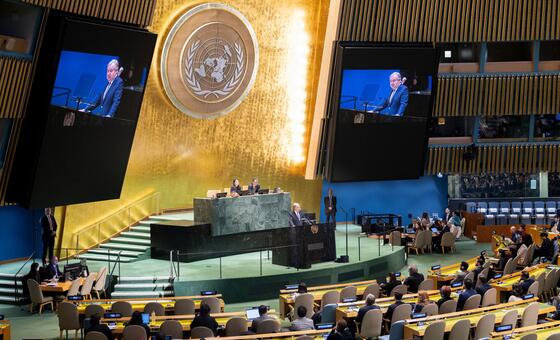
Following the presentation of his annual report United Nations Secretary-General António Guterres lays out his priorities for 2026 during a briefing to the UN General Assembly on 15 January at 10 a.m. (EST). Watch the event on UN Web TV.

View of the General Assembly Hall with António Guterres at the podium and on two screens.
Photo:UN Photo/Loey Felipe
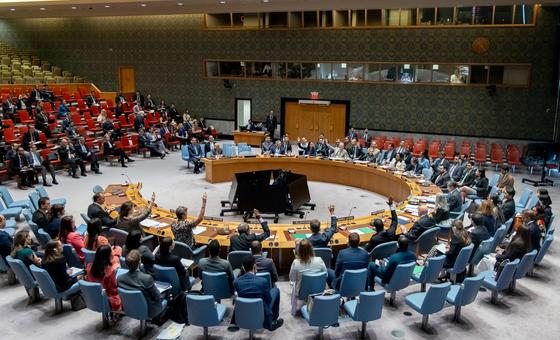
The UN Security Council meets to discuss Iran sanctions.

Security Council LIVE: UN raises alarm over deadly Iran protests and ‘possible military strikes’

15 January 2026 — The UN Security Council is meeting in New York in emergency session on Iran, amid escalating concern over reports that hundreds have been killed during weeks of nationwide anti-...

UN chief warns of a world in chaos as impunity and unpredictability spreads

15 January 2026 — In his final annual address outlining his priorities, UN Secretary-General António Guterres warned that the world is “brimming with conflict, impunity, inequality and...

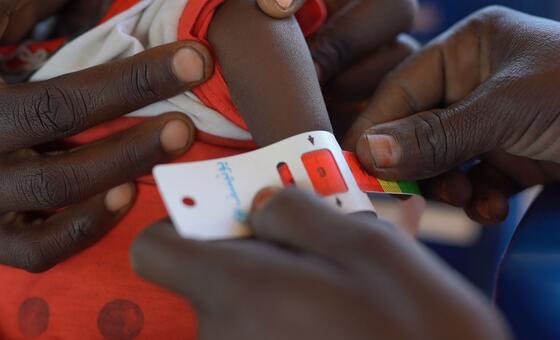
WFP warns Sudan food aid could run out in March

15 January 2026 — The World Food Programme (WFP) said on Thursday that it is struggling to keep emergency operations running in Sudan, where more than 1,000 days of war have pushed families to the...

UN Sustainable Development Goals

17 Goals to transform our world

The Sustainable Development Goals are a call for action by all countries — poor, rich and middle-income — to promote prosperity while protecting the planet.

hands holding megaphone and speech bubble

The Goals can improve life for all of us. Cleaner air. Safer cities. Equality. Better jobs. These issues matter to everyone. But progress is too slow. We have to act, urgently, to accelerate changes that add up to better lives on a healthier planet. Find new inspiring actions on the app and at un.org/actnow.

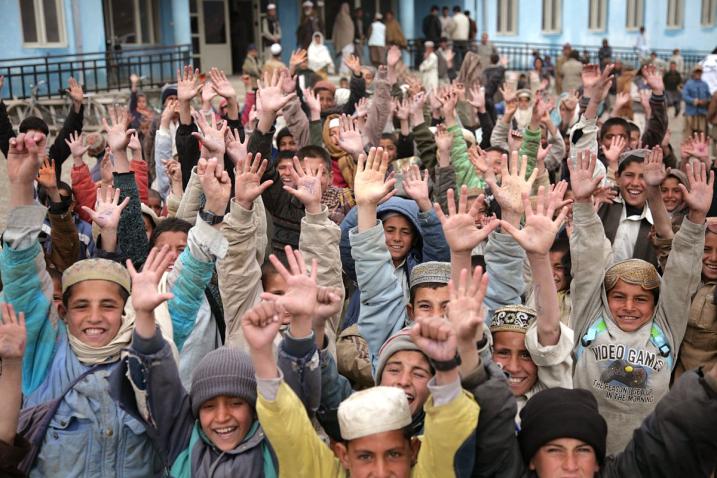
Today, half the world is under 30, and this generation is a powerful force for peace. The UN "Hear Us. Act Now for a Peaceful World" campaign, launched on the International Day of Peace, aims to include, invest in, and partner with young people to build lasting peace. 

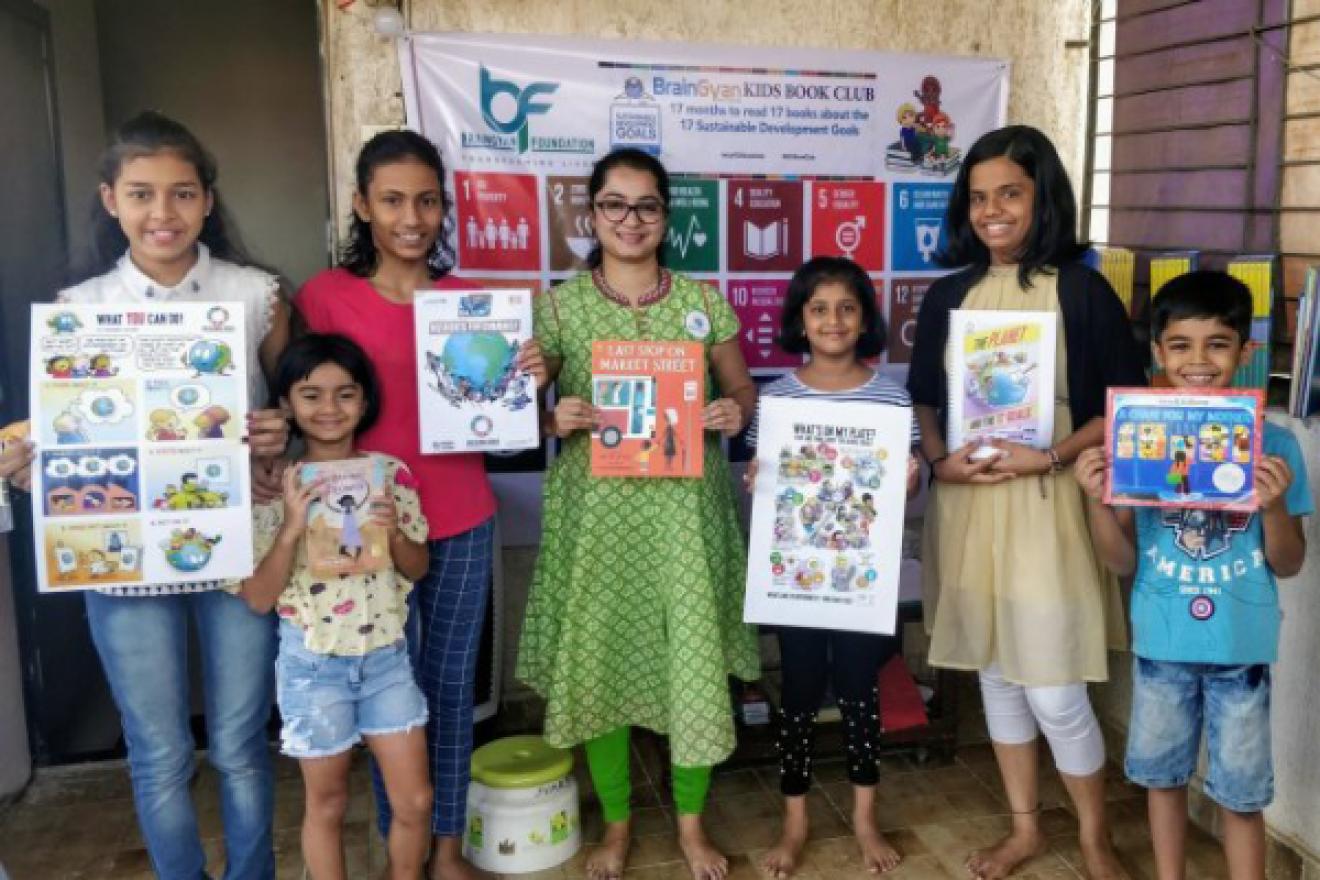
children holding up books

Reading and learning are essential to children’s growth and development; stories can fuel their imagination and raise awareness of new possibilities. The SDG Book Club aims to encourage them to learn about the Goals in a fun, engaging way, empowering them to make a difference.

More from the
United Nations

Featured stories from across the United Nations and our world-wide family of agencies, funds, and programmes.

Aerial view of UNDP’s Al Berka debris crushing site. UNDP

Hands that rebuild

In Gaza, Palestinians have endured two years of devastating war, leading to significant losses, including loved ones, homes, and personal belongings. They have witnessed the destruction of roads, schools, apartment buildings, and hospitals. Amid these challenges, they are working tirelessly on the frontlines of recovery. The United Nations Development Programme (UNDP) is facilitating safer and healthier communities by clearing debris, restoring wastewater systems, wells, and providing clean water to those in need. In 2025, UNDP projects employed 2,819 local workers to support essential services across Gaza.

Three people inspecting a small electronic device that is attached to a tree trunk. UNESCO, Natural Resources and the Environment

Nepal: Safeguarding Kanchenjunga’s biodiversity through local action

The forests around Mount Kanchenjunga in Nepal boast rich biodiversity, including endangered species like the snow leopard and red panda. Indigenous communities have traditionally used their knowledge for conservation, but challenges such as climate change, poaching, and hydropower projects are threatening this balance. Local resident Purna Kumar Limbu notes that frequent explosives from these projects are driving wildlife away. In response, the UNESCO initiative, Strengthening Community Engagement for Biodiversity Conservation, launched in 2025, aims to enhance global recognition of the Kanchenjunga Conservation Area and reinforce its importance to the local community.

A woman sitting outdoors on a low stool, engaged in peeling or cutting tubers, which are scattered on the ground around them. FAO, Agriculture and Food

Dwindling abundance

In eastern Cameroon, the Baka people have traditionally relied on hunting and gathering, but recent climate shocks, economic instability, and conflicts have strained their resources. In Mayos, a village in Dimako district, many have faced food scarcity, forcing children to miss school to search for food. To address this crisis, from April 2024 to June 2025, the Food and Agriculture Organization (FAO), with the Cameroonian government and World Bank support, launched the Emergency Project to Combat the Food Crisis (PULCCA). This initiative provided training in modern agricultural techniques and distributed production kits, blending traditional knowledge with new practices to enhance food security for the Baka community.

Finance, Economic Development, IFAD

Rural investment drives global growth

In 2026, IFAD is strengthening rural economies by empowering youth, promoting resilience, and connecting small-scale producers to markets to drive inclusive, sustainable growth.

Sports, IOM

Resilience rebuilds community

After returning to his devastated hometown of Sa’dah, Afif Wahesh helped revive the Youth Forum, transforming it into a vibrant, inclusive hub for sports, civic engagement, and community resilience.

SDG 7: Affordable and Clean Energy, ILO

Clean energy growth outpaces jobs

IRENA-ILO report shows 2024 renewable capacity records, but jobs reached only 16.6 million, revealing regional imbalances, automation impacts, inclusion gaps.

Torture and Other Cruel Treatment, UNFPA

"It was tragic..."

Amid the brutal siege of El Fasher, displaced health workers supported by UNFPA are delivering life-saving maternal and reproductive care to women and girls in Northern State camps.

What we do

Due to the powers vested in its Charter and its unique international character, the United Nations can take action on the issues confronting humanity in the 21st century, including:

Structure of the
United Nations

The main parts of the UN structure are the General Assembly, the
Security Council, the Economic and Social Council, the Trusteeship Council, the International Court of Justice, and the UN Secretariat. All were established in 1945 when the UN was founded.

The General Assembly is the main deliberative, policymaking and representative organ of the UN. All 193 Member States of the UN are represented in the General Assembly, making it the only UN body with universal representation.

The Security Council has primary responsibility, under the UN Charter, for the maintenance of international peace and security. It has 15 Members (5 permanent and 10 non-permanent members). Each Member has one vote. Under the Charter, all Member States are obligated to comply with Council decisions.

The Economic and Social Council is the principal body for coordination, policy review, policy dialogue and recommendations on economic, social and environmental issues, as well as implementation of internationally agreed development goals.

The Trusteeship Council was established in 1945 by the UN Charter, under Chapter XIII, to provide international supervision for 11 Trust Territories that had been placed under the administration of seven Member States, and ensure that adequate steps were taken to prepare the Territories for self-government and independence.

The International Court of Justice is the principal judicial organ of the United Nations. Its seat is at the Peace Palace in the Hague (Netherlands). It is the only one of the six principal organs of the United Nations not located in New York (United States of America).

The Secretariat comprises the Secretary-General and tens of thousands of international UN staff members who carry out the day-to-day work of the UN as mandated by the General Assembly and the Organization's other principal organs.

Learn more

Podium of the General Assembly Hall seen from below with the gold wall and the golden UN logo behind

On 25 November 2025, the President of the General Assembly and the President of the Security Council initiated the process of selecting and appointing the next Secretary-General. Candidates are nominated by a Member State or a group of Member States. Learn more about the multi-step selection and appointment process of the next United Nations Secretary-General.

Climate change is the defining issue of our time and now is the defining moment to do something about it. There is still time to tackle climate change, but it will require an unprecedented effort from all sectors of society.

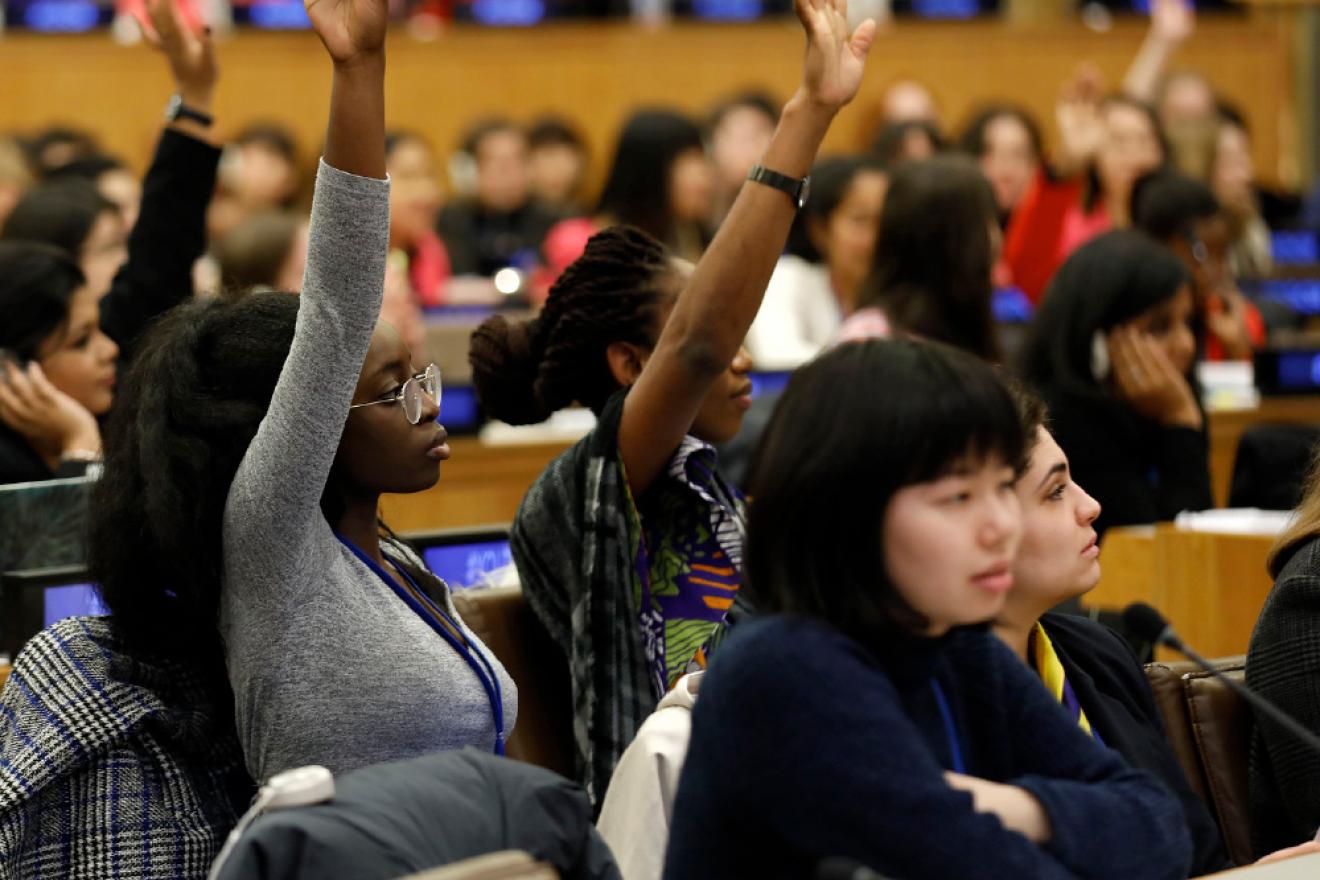
Women at UN CSW63 Side Event - “Take the Hot Seat”. Photo: UN Women/Ryan Brown

Women and girls represent half of the world’s population and, therefore, also half of its potential. Gender equality, besides being a fundamental human right, is essential to achieve peaceful societies, with full human potential and sustainable development.

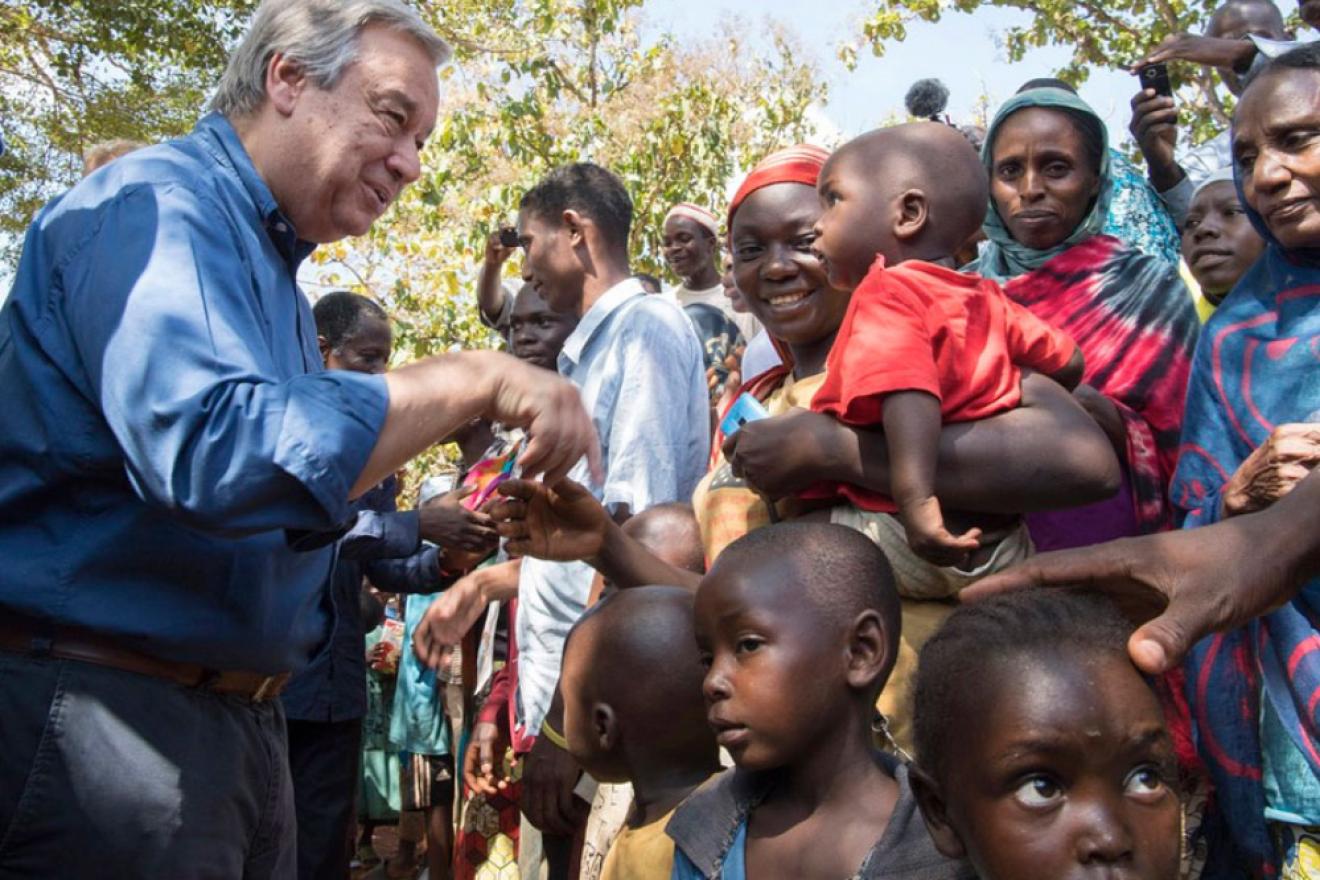
UN Secretary-General António Guterres is greeted on his visit to the Central African Republic

While global poverty rates have been cut by more than half since 2000, one in ten people in developing regions still lives on less than US$1.90 a day — the internationally agreed poverty line, and millions of others live on slightly more than this daily amount.

Watch and Listen

Video and audio from across the United Nations and our world-wide family of agencies, funds, and programmes.

Australia’s Reef Builder program, led by The Nature Conservancy and the government, is restoring critically endangered shellfish reefs across southern Australia, boosting biodiversity, water quality, and fish stocks. Since 2021, the initiative has rebuilt 62 hectares of reefs, created over 425 jobs, generated AUD$14 million in annual benefits, and brought together communities, Indigenous groups, scientists, and local businesses in a collaborative conservation effort.

What does the World Trade Organization do?

Discover how the WTO manages global trade, helps countries trade better, and improves lives worldwide.

Tajikistan’s agrobiodiversity revival

Communities in Tajikistan are reviving ancestral seeds and protecting agrobiodiversity, with FAO support helping farmers and women’s groups restore traditional crops, boost livelihoods, and strengthen resilience.

UN Podcasts

Jean-Martin is in the outdoors and facing a woman who is dressed up with a straw hat

Fighting hunger in a world of plenty, Jean-Martin Bauer (AAN S12-E5)

Jean-Martin Bauer was just a teenager when a visit to his uncle’s Haitian rice farm planted the seed of his life-long passion for food security. Now Director of Food Security and Nutrition Analysis at the World Food Programme (WFP) he works to feed hungry people worldwide.

“Even now, even during these dark times … there are opportunities to sow seeds for a better future.”

The world faces a global hunger crisis, with a record 319 million people currently not getting enough to eat. The author of a recent book on hunger in the Twenty-First Century, Jean-Martin Bauer reflects in this episode on the human cost of famine in Gaza and Sudan, the impact of funding cuts on the most vulnerable, and explains why the best solutions are those closest to home.

“That island in the south of Haiti was a great message of hope for everyone in the country, because the farmers of Haiti can feed themselves. They can feed the nation if given a chance.”

Photo: © WFP/Theresa Piorr

Latest Audio from UN News

The United Nations in Pictures

Images from across the United Nations and our world-wide family of agencies, funds, and programmes.

Two falconers riding horses while holding a falcon on their hands.
Photo:Unsplash/Spenser Sembrat

Falconer and farmer

In Kazakhstan, becoming a falconer demands time, dedication, and a deep understanding of birds of prey. Tleukabyl Yessembekuly, a farmer from Aksu-Ayuly and founder of the local farmers' association, learned the virtues of patience and vigilance through falconry. Faced with ecological challenges from climate change and land-use shifts, Yessembekuly proposed a project to restore natural springs and plant forage crops. His initiative received backing from the Global Environment Facility (GEF) Small Grants Programme, managed by the United Nations Development Programme (UNDP) in Kazakhstan.

woman among tomato plants
Photo:WFP/Almaz Tchoroev

In rugged Kyrgyzstan, smallholder farmers turn hardship into hope

In Kyrgyzstan’s rugged Batken Province, 70-year-old farmer Urinisa Tillabaeva is proving that tough land can still grow bright futures. With a new greenhouse, drip irrigation, and hands-on training, she no longer waits out the long winter months—she harvests beyond the traditional season, boosting yields and turning tomatoes into steady income for her family. As a leader in a local women’s farming group, Urinisa Tillabaeva is helping her community trade uncertainty for resilience—growing more and wasting less. She is among 4,500 farmers participating in a new World Food Programme (WFP) project aimed at boosting incomes and diets and adapting to deepening weather extremes in one of Central Asia’s most climate-vulnerable countries.