Health, WHO

World Cancer Day: United by unique

Up to four in ten cancer cases worldwide could be prevented, according to a new global analysis from the World Health Organization (WHO). World Cancer Day is an international day observed every year to raise awareness of cancer, promote its prevention, and mobilise action to address the global cancer epidemic. The World Cancer Day theme 2025-2027, “United by Unique” puts people at the centre of care and explores new ways to make a difference. Every cancer experience is unique, and it will take all of us, united, to create a world where we look beyond the disease and see the person before the patient. A world where people and communities' needs are central to health systems. Help us make a difference.

Cancer patients' needs should be met with empathy and expertise.
Photo:WHO/Tomislav Georgiev
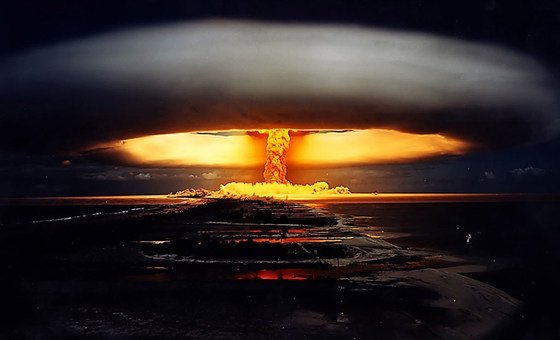
Licorne nuclear test, 1971, French Polynesia. Photo: The Official CTBTO Photostream

UN chief warns of ‘grave moment’ as final US-Russia nuclear arms treaty expires

4 February 2026 — UN Secretary-General António Guterres has warned that the expiration of the New START treaty represents a “grave moment” for international peace and security, as binding limits...

‘Deepfake abuse is abuse,’ UNICEF warns

4 February 2026 — New evidence reveals a proliferation of sexualised images of youngsters generated by artificial intelligence (AI) and a dearth of laws to stop it, the UN Children’s Fund (UNICEF...

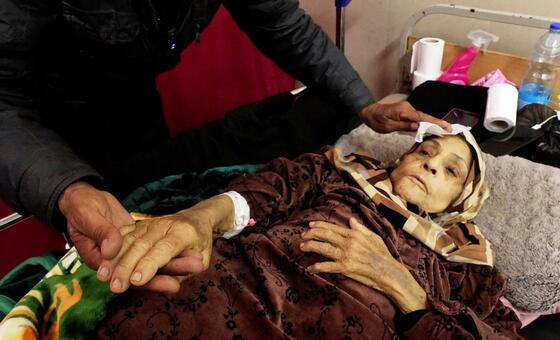
‘We are dying’: Gaza’s cancer patients plead for a way out

4 February 2026 — As World Cancer Day is marked on Wednesday, thousands of patients in Gaza face worsening illness, untreated pain and closed crossings – despite the limited opening of the vital...

UN Sustainable Development Goals

17 Goals to transform our world

The Sustainable Development Goals are a call for action by all countries — poor, rich and middle-income — to promote prosperity while protecting the planet.

hands holding megaphone and speech bubble

The Goals can improve life for all of us. Cleaner air. Safer cities. Equality. Better jobs. These issues matter to everyone. But progress is too slow. We have to act, urgently, to accelerate changes that add up to better lives on a healthier planet. Find new inspiring actions on the app and at un.org/actnow.

Today, half the world is under 30, and this generation is a powerful force for peace. The UN "Hear Us. Act Now for a Peaceful World" campaign, launched on the International Day of Peace, aims to include, invest in, and partner with young people to build lasting peace. 

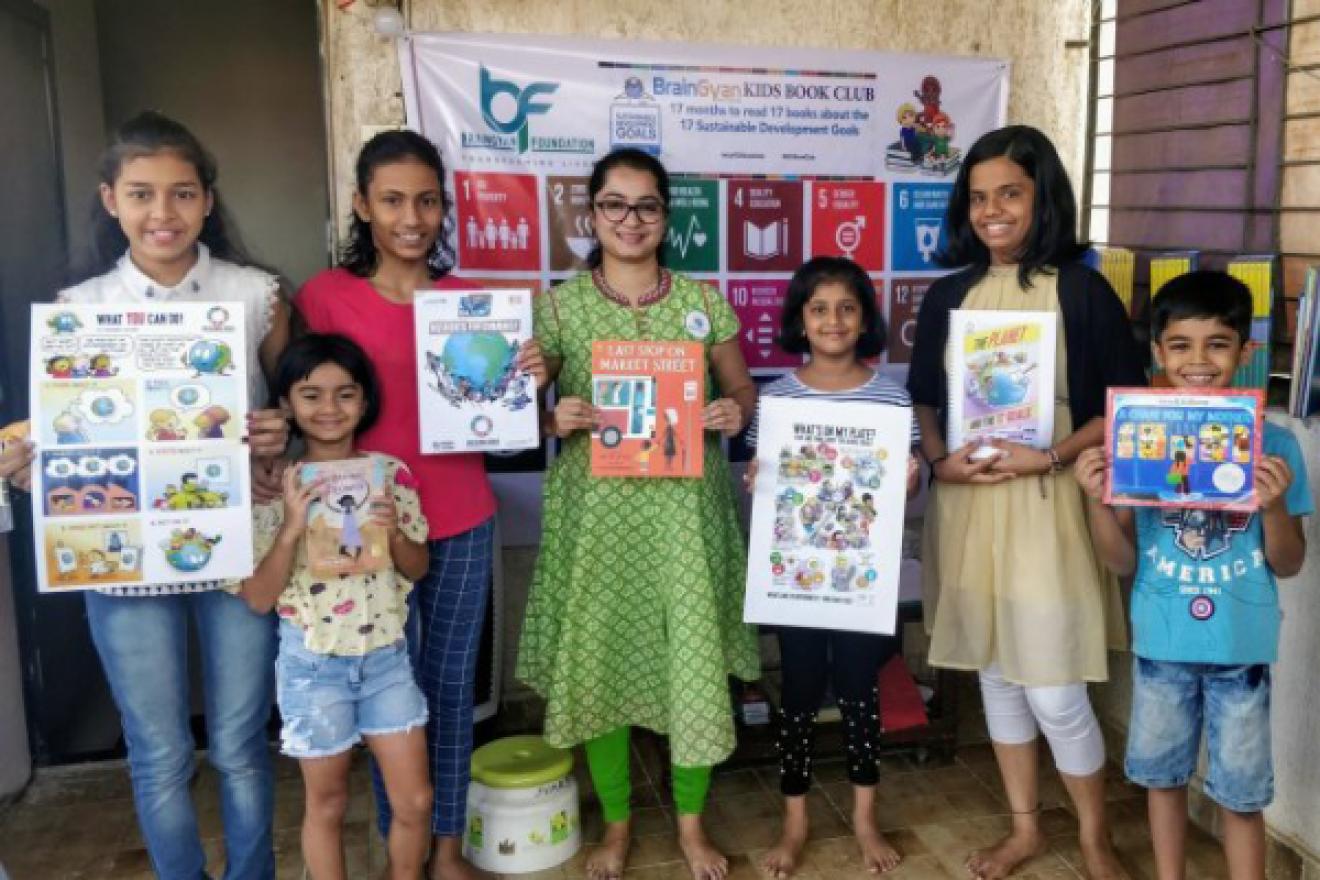
children holding up books

Reading and learning are essential to children’s growth and development; stories can fuel their imagination and raise awareness of new possibilities. The SDG Book Club aims to encourage them to learn about the Goals in a fun, engaging way, empowering them to make a difference.

More from the
United Nations

Featured stories from across the United Nations and our world-wide family of agencies, funds, and programmes.

A view of a large, elevated motorway crossing a river. Economic Development

Harmful investments outpace nature protection by 30 to 1

At a time when nature needs allies, our money is still marching in the opposite direction. A new United Nations Environment Programme (UNEP) report warns that for every US$1 invested in protecting nature, US$30 goes to activities that harm it. In 2023, nature‑negative finance reached US$7.3 trillion, driven by private sector flows and US$2.4 trillion in harmful public subsidies. The report calls for a major shift in global financing of Nature-based Solutions (NbS) and phasing out harmful investments to deliver high returns, reduce risk exposure, and enhance resilience.

Two women exchanging information at a hospital specialising in cancer treatment in France. Health

Four in ten cancer cases could be prevented globally

In a stark reminder of how much of the world’s cancer burden is within our power to change, new World Health Organization (WHO) findings expose the enormous role preventable risks play in shaping global health. The new analysis reveals that up to 40% of global cancer cases could be prevented, estimating 37% of new cases in 2022, or 7.1 million, linked to preventable causes. Tobacco is the leading culprit (15%), followed by infections (10%) and alcohol (3%). Lung, stomach, and cervical cancers comprised nearly half of preventable cases, with smoking and air pollution primarily contributing to lung cancer. Meanwhile, in Gaza, thousands of patients continue to endure worsening illnesses and untreated pain.

A woman weighing rice noodles on a digital scale in her food stall in Myanmar. Economic Development

Noodles that nourish and empower

Maw Maw Hmwe operates a food stall selling rice noodle salads in Myanmar's Magway Region. As a mother of eight facing unstable crop yields due to climate change and political crisis, she needed a reliable income. In 2024, she joined a women's savings and credit group supported by the Food and Agricultural Organization (FAO), which helped her access low-interest loans. Initially hesitant, she took a loan to improve her rice farming, which led to better harvests. The group not only provided financial support but also fostered a community where women share ideas and support each other during challenging times, giving Maw Maw a sense of confidence and independence.

Torture and Other Cruel Treatment, UN Women

Justice beyond banning FGM

Ending female genital mutilation requires more than laws, it demands survivor-centred justice, including healing, support, accountability, and changing enabling social attitudes.

Peace and Security, UNFPA

Displacement threatens women’s health

As violence and winter grip northern Syria, pregnant and displaced women face life-threatening risks as homes, safety and access to healthcare collapse.

SDG 16: Peace, Justice and Strong Institutions, UNESCO

UNESCO's Félix Houphouët-Boigny peace prize

UNESCO invites nominations for the 2026 Félix Houphouët-Boigny Peace Prize, honoring up to three individuals or institutions advancing peace.
Deadline: 28 February 2026.

Transport and Communications, UNECE

Brazil joins global TIR system

Brazil’s accession to the International Transport of Goods (TIR) Convention strengthens South American trade integration by cutting cross-border transport times and costs while boosting connectivity along key regional corridors.

What we do

Due to the powers vested in its Charter and its unique international character, the United Nations can take action on the issues confronting humanity in the 21st century, including:

Structure of the
United Nations

The main parts of the UN structure are the General Assembly, the
Security Council, the Economic and Social Council, the Trusteeship Council, the International Court of Justice, and the UN Secretariat. All were established in 1945 when the UN was founded.

The General Assembly is the main deliberative, policymaking and representative organ of the UN. All 193 Member States of the UN are represented in the General Assembly, making it the only UN body with universal representation.

The Security Council has primary responsibility, under the UN Charter, for the maintenance of international peace and security. It has 15 Members (5 permanent and 10 non-permanent members). Each Member has one vote. Under the Charter, all Member States are obligated to comply with Council decisions.

The Economic and Social Council is the principal body for coordination, policy review, policy dialogue and recommendations on economic, social and environmental issues, as well as implementation of internationally agreed development goals.

The Trusteeship Council was established in 1945 by the UN Charter, under Chapter XIII, to provide international supervision for 11 Trust Territories that had been placed under the administration of seven Member States, and ensure that adequate steps were taken to prepare the Territories for self-government and independence.

The International Court of Justice is the principal judicial organ of the United Nations. Its seat is at the Peace Palace in the Hague (Netherlands). It is the only one of the six principal organs of the United Nations not located in New York (United States of America).

The Secretariat comprises the Secretary-General and tens of thousands of international UN staff members who carry out the day-to-day work of the UN as mandated by the General Assembly and the Organization's other principal organs.

Learn more

Podium of the General Assembly Hall seen from below with the gold wall and the golden UN logo behind

On 25 November 2025, the President of the General Assembly and the President of the Security Council initiated the process of selecting and appointing the next Secretary-General. Candidates are nominated by a Member State or a group of Member States. Learn more about the multi-step selection and appointment process of the next United Nations Secretary-General.

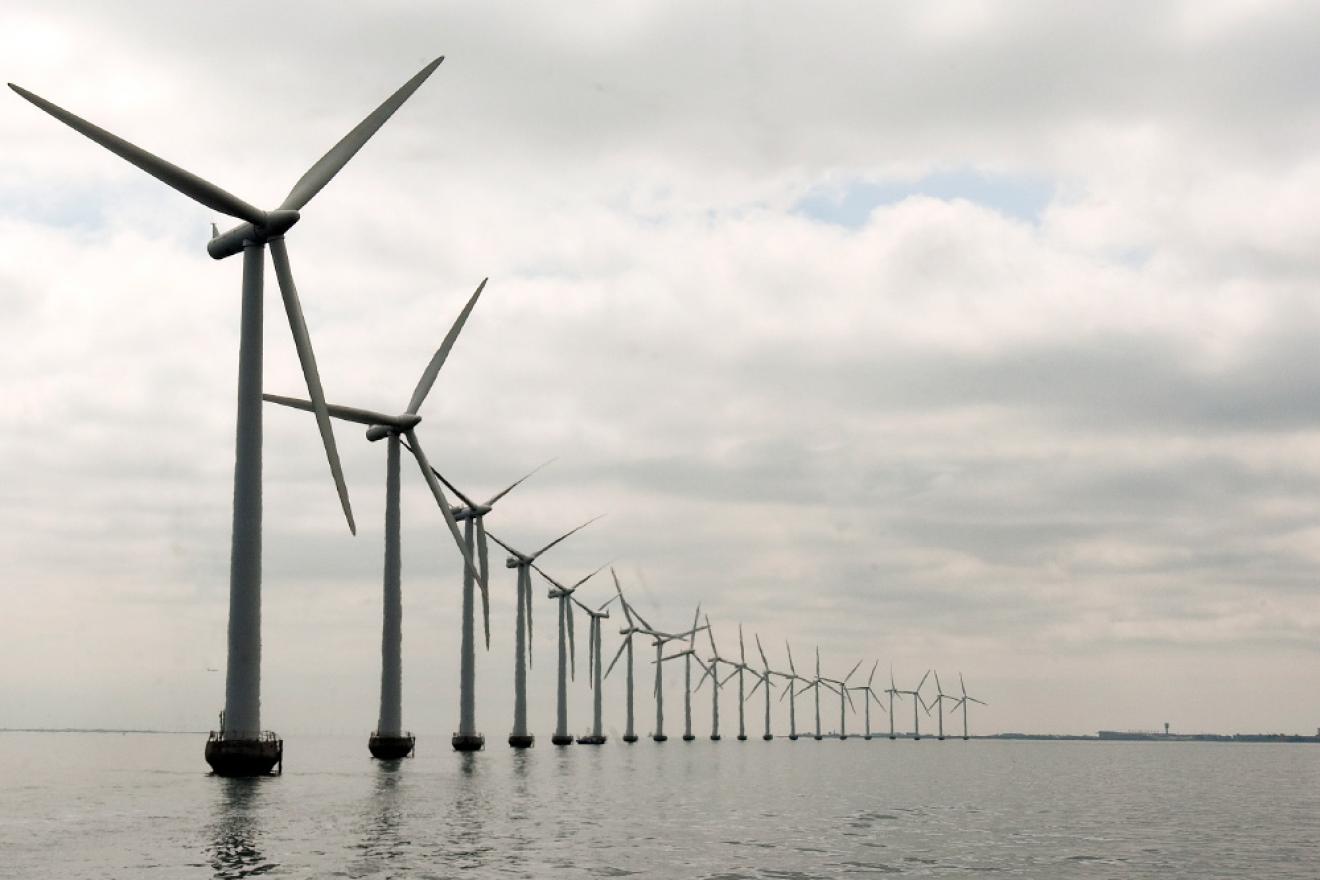
Climate change is the defining issue of our time and now is the defining moment to do something about it. There is still time to tackle climate change, but it will require an unprecedented effort from all sectors of society.

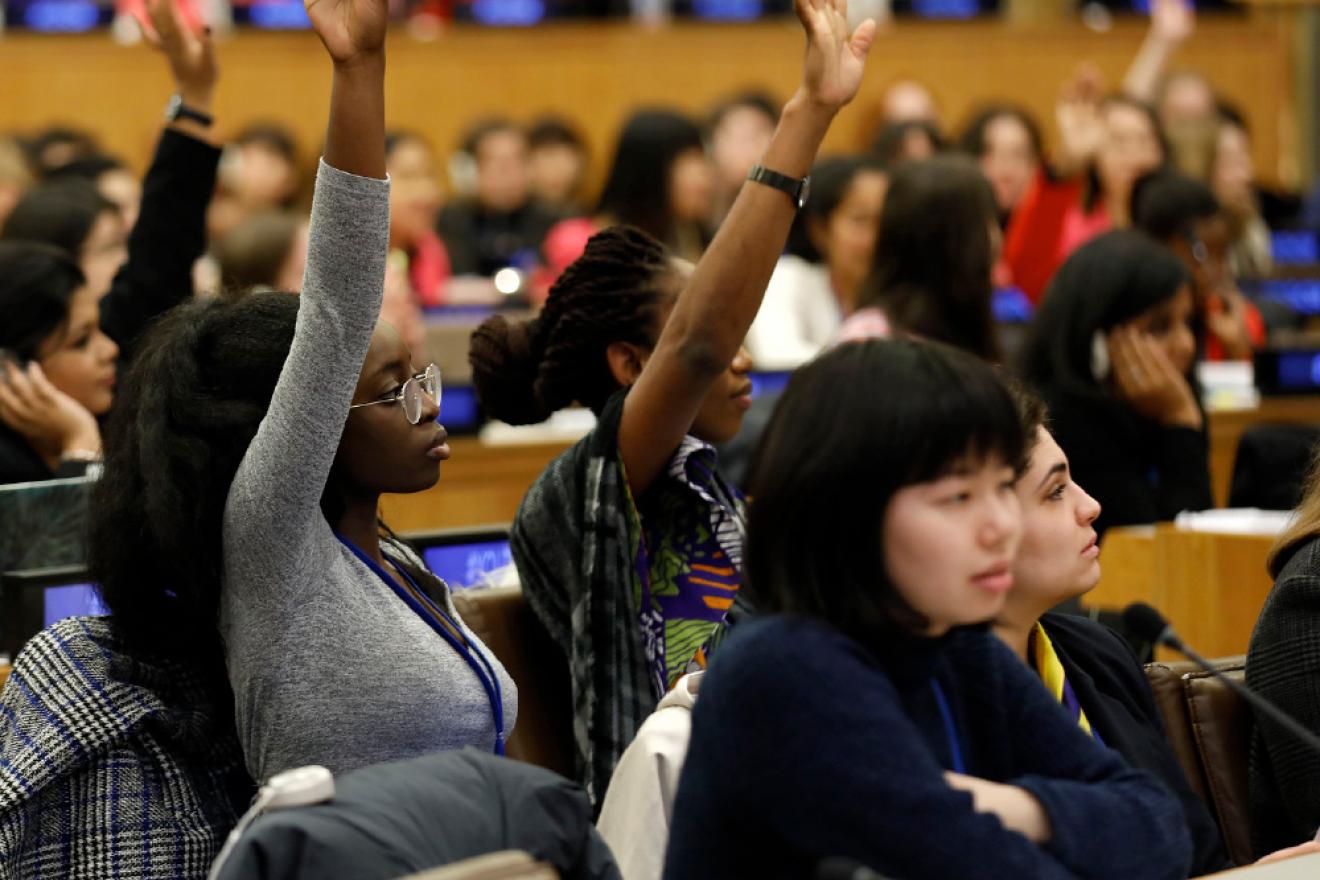
Women at UN CSW63 Side Event - “Take the Hot Seat”. Photo: UN Women/Ryan Brown

Women and girls represent half of the world’s population and, therefore, also half of its potential. Gender equality, besides being a fundamental human right, is essential to achieve peaceful societies, with full human potential and sustainable development.

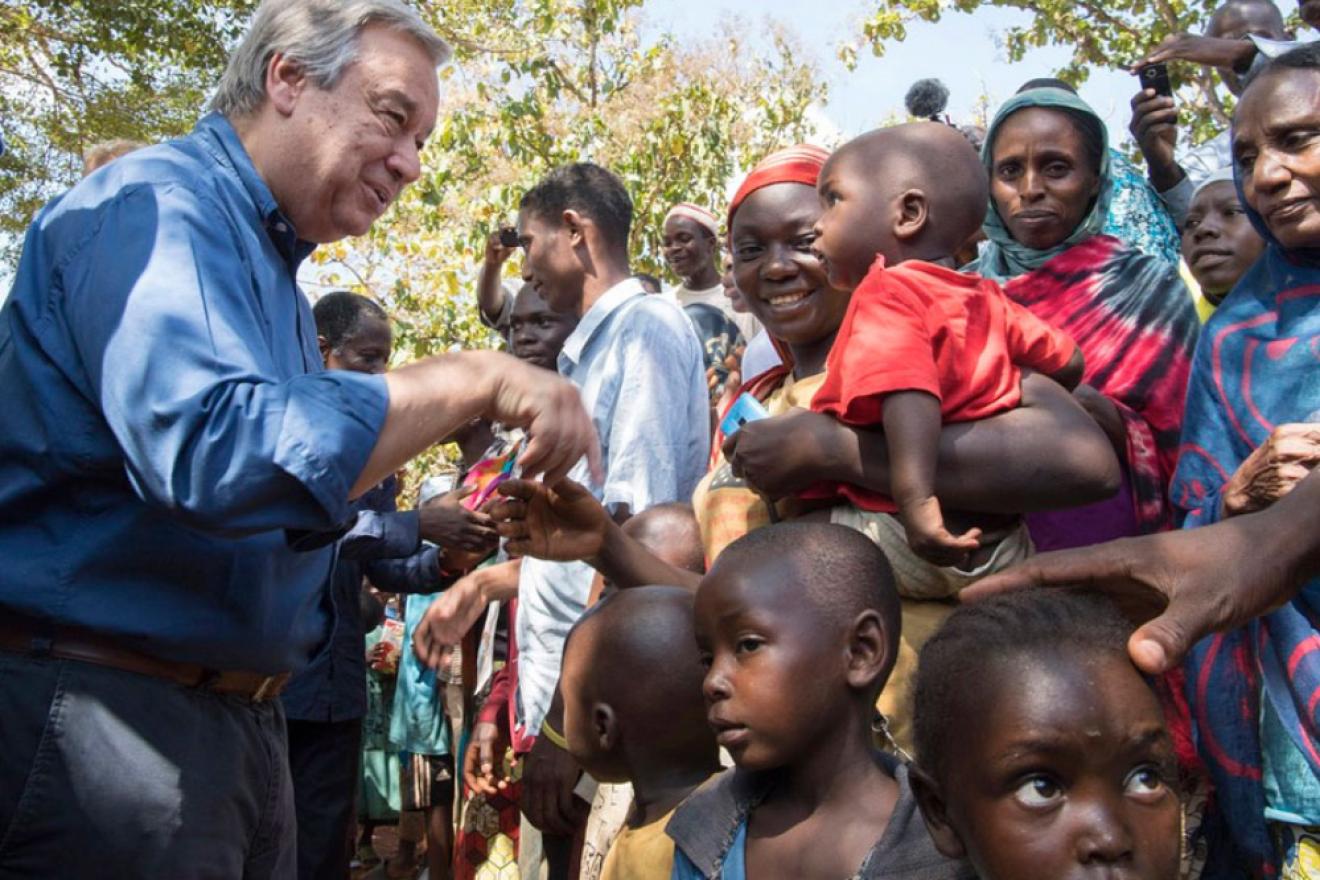
UN Secretary-General António Guterres is greeted on his visit to the Central African Republic

While global poverty rates have been cut by more than half since 2000, one in ten people in developing regions still lives on less than US$1.90 a day — the internationally agreed poverty line, and millions of others live on slightly more than this daily amount.

Watch and Listen

Video and audio from across the United Nations and our world-wide family of agencies, funds, and programmes.

Mariam Issoufou (Champions of the Earth 2025 winner) transforms traditional Sahelian architecture into climate-smart solutions that protect communities from extreme heat, reduce energy use, and lower carbon emissions. By blending heritage with innovation, her designs revive local craftsmanship, support sustainable livelihoods, and create safe, comfortable spaces across Niger and Africa.

Equipping health workers globally

The World Health Organisation Academy creates learner-centered, culturally and contextually adapted courses that equip health and care workers, especially in low- and middle-income countries, with the skills and knowledge they need to meet evolving healthcare challenges.

Media preparedness for disasters

The Model Disaster Preparedness and Response Plan empowers media institutions to develop comprehensive strategies that ensure operational continuity during emergencies and strengthen community resilience.

UN Podcasts

Bintou and several people are seen with UN aircrafts in the background

Why peace begins with people, not power - interview with Bintou Keita (AAN S12-E8)

Bintou Keita knows instinctively that some moments call for a more human response than words alone can offer. Once, at a ceremony to mark the end of the devastating Ebola epidemic in Sierra Leone, she found herself hesitating to deliver her pre-prepared statement to a grief-stricken crowd.

“I have my statement, but I can't deliver [it] because there's something else I have to do before. And in that moment, what came to me was humming, so I did it. And at that moment, the tears - my own, the tears in the audience - came out. These people were grieving, were still mourning.”

Bintou has retired after 36 years with the UN, most recently the Secretary-General’s Special Representative in the Democratic Republic of the Congo (MONUSCO) and head of the peacekeeping mission there. In this episode, she reflects on times when peacekeepers saved thousands of lives, on how women can lead the way out of devastating conflicts, and shares why she has learned to never say never.

Photo: ©UN Photo/Ilyas Ahmed

Latest Audio from UN News

The United Nations in Pictures

Images from across the United Nations and our world-wide family of agencies, funds, and programmes.

2 women are chatting. One sits on the ground and the other kneels beside her.
Photo:UNFPA Myanmar

Humanitarian solidarity

A UNFPA staff member talks to one of the victims of the 28 March earthquake in Myanmar. As in other crisis ridden countries, Myanmar families caught up in the disaster can't be waiting for the world to catch up — they need help now. Acting UN Humanitarian Coordinator Gwyn Lewis is urging donors to fully fund the response and invest in local mechanisms, so support can reach people faster and more directly. It’s a reminder that behind every appeal is a simple truth: for millions, aid isn’t abstract — it’s survival.

This UNOCHA-feature showcases several stories of aid disrupted, but not defeated.

women dressed in colorful cloth are gathered together inside an outdoor doorway for a photograph
Photo:IOM Sudan

What is happening in Sudan?

Over 3 million Sudanese have returned, most are going back to their exact home areas or nearby locations. Nearly three years into the conflict, families are returning to destruction and many return areas have extensive damage to housing, basic services, and critical infrastructure. Teams from the UN migration organization - the IOM - are responding by providing shelter and water among other vital basic services.

10 things you should know about Sudan: an IOM feature visual-storyteller.