The UN's unwavering commitment to health
Since the foundation of WHO in 1948, the world has experienced countless public health challenges threatening our health and well-being. However, numerous obstacles have been overcome and remarkable advancements made in medical science, health care and overall population health.
Since the turn of the century, there have been significant improvements in global population health. Child mortality rates have fallen by half, maternal mortality rates have decreased by a third, and the incidence of many infectious diseases such as HIV, tuberculosis (TB), and malaria have dropped.
Additionally, risks associated with premature deaths from non-communicable diseases (NCDs) and injuries have declined. As a result of these achievements, global life expectancy at birth has increased from 67 years in 2000 to 73.3 years in 2024. These positive outcomes are attributed to several factors such as enhanced access to essential health services and reduced exposure to health risks such as tobacco use, alcohol consumption, and child undernutrition.
The global guardian of public health
The United Nations, since its inception, has been actively involved in promoting and protecting health worldwide. Leading that effort within the UN system is the World Health Organization (WHO), whose constitution came into force on 7 April 1948 - a date we now celebrate every year as World Health Day.
At the outset, it was decided that WHO’s top priorities would be malaria, women’s and children’s health, tuberculosis, venereal disease, nutrition and environmental pollution. Many of those remain on WHO’s agenda today, in addition to such relatively new diseases as HIV/AIDS, diabetes, cancer and emerging diseases such as SARS (Severe Acute Respiratory Syndrome), Ebola, Zika virus and coronavirus disease (COVID-19).
In 1948, WHO took the responsibility for the International Classification of Diseases, which has become the international standard for defining and reporting diseases and health conditions. Since its creation WHO has contributed to many historic achievements in global public health. Some of them are:
- Antibiotics (1950): The great era of discovery of present-day antibiotics begins, and WHO begins advising countries on their responsible use.
- Polio (1988): The Global Polio Eradication Initiative 1988 is established at a time when polio paralyzed more than 350,000 people a year. Since then, polio cases have decreased by more than 99 per cent because of immunization against the disease worldwide.
- Smallpox (1979): Following an ambitious 12-year global vaccination campaign led by WHO, smallpox is eradicated.
- Tuberculosis (1995): The strategy for reducing the toll of tuberculosis (TB) is launched. At the end of 2013, more than 37 million lives had been saved through TB diagnosis and treatment under this strategy.
- AIDS, Tuberculosis and Malaria (2001): The Global Fund to fight AIDS, Tuberculosis and Malaria, a new partnership and funding mechanism initially hosted by WHO, is created in collaboration with other UN agencies and major donors.
- Children's mortality (2006): The number of children who die before their fifth birthday declines below 10 million for the first time in recent history.
- Heart Disease, diabetes, cancer (2012): For the first time WHO Member States set global targets to prevent and control heart disease, diabetes, cancer, chronic lung disease and other noncommunicable diseases.
- Ebola virus outbreak (2014): The biggest outbreak of Ebola virus disease ever experienced in the world strikes West Africa. The WHO Secretariat activates an unprecedented response to the outbreak, deploying thousands of experts and medical equipment; mobilizing foreign medical teams and coordinating creation of mobile laboratories and treatment centres. In 2016 WHO announced zero cases of Ebola in West Africa, but warned that flare-ups of the disease are likely to continue and that countries in the region needed to remain vigilant and prepared.
- Declaration on universal health coverage (2019): World leaders adopt a high-level United Nations Political Declaration on universal health coverage, the most comprehensive set of health commitments ever adopted at this level.
- COVID-19 response (2020): The COVID-19 outbreak was declared a public health emergency by the WHO in January 2020 and characterized as a global pandemic in March 2020. The United Nations launched a comprehensive response to the unprecedented public health, humanitarian and development emergency. In May 2023 the head of the WHO declared the end to COVID-19 as a public health emergency, stressing that it does not mean the disease is no longer a global threat.
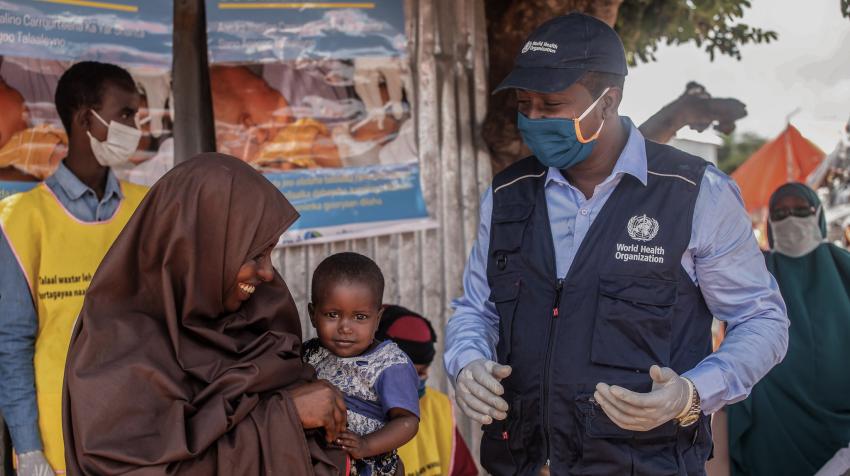
WHO staff, including medical doctors, public health specialists, scientists and epidemiologists and other experts, are at work on the ground in many countries worldwide. They advise ministries of health on technical issues and provide assistance on prevention, treatment and care services throughout the health sector.
WHO interventions cover all areas of the global healthcare spectrum. For instance, WHO intervenes during crises and responds to humanitarian emergencies. It also works to establish International Health Regulations, which countries must follow to identify disease outbreaks and to stop them from spreading. Furthermore, WHO’s work helps to prevent chronic diseases and to achieve the health-related Sustainable Development Goals.
World Health Statistics: Monitoring health for the SDG’s
While the Millennium Development Goals focused on a narrow set of disease-specific health targets for 2015, the Sustainable Development Goals look to 2030 and are far broader in scope. SDGs include a broad health goal, “Ensure healthy lives and promote well-being for all at all ages”, and call for achieving universal health coverage.
The World health statistics 2025 report presents mixed progress towards WHO’s Triple Billion targets.
An estimated 1.4 billion more people were living healthier by the end of 2024, surpassing the 1 billion target. The progress in healthier lives was driven by reduction in tobacco use, improved air quality and better access to water, hygiene, and sanitation. But progress towards increased coverage of essential health services and protection from emergencies lagged; only 431 million more people gained access to essential health services without financial hardship, and close to 637 million more people were better protected from health emergencies.
Maternal and child deaths are not falling fast enough to reach global targets. Progress has stalled, putting millions of lives at risk. This slowdown follows two decades of remarkable gains: between 2000 and 2023, maternal deaths dropped by over 40% and child deaths under 5 years of age more than halved. But underinvestment in primary health care, shortages of skilled health workers, and gaps in services like immunization and safe childbirth are now holding countries back.
Without urgent course correction to meet the 2030 targets, the world risks losing the chance to prevent an additional 700 000 maternal deaths and 8 million under-5 deaths between 2024 and 2030.
Other UN Agencies and Funds involved in health
The WHO is supported by other members of the UN family to promote and protect global health. Many health-related matters are addressed by the General Assembly and the Economic and Social Council, as well as through the efforts of the Joint United Nations Programme on HIV/AIDS (UNAIDS); the work of the United Nations Population Fund (UNFPA) in support of reproductive, adolescent and maternal health; and the health-related activities of the United Nations Children’s Fund (UNICEF).
UN observances related to health
In addition to World Health Day (7 April), annual international observances relating to health, as proclaimed by the General Assembly, include International Wellness Day (15 April), World Day for Safety and Health at Work (28 April), International Day to End Obstetric Fistula (23 May), World No-Tobacco Day (31 May), International Day of Yoga (21 June), International Day against Drug Abuse and Illicit Trafficking (26 June), World Drowning Prevention Day (25 July), International Day for Interventional Cardiology (16 September) World Mental Health Day (10 October), World Diabetes Day (14 November), World AIDS Day (1 December), International Universal Health Coverage Day (12 December) and World Meditation Day (21 December).