
 On 1 January 2016, the 17 Sustainable Development Goals (SDGs) of the 2030 Agenda for Sustainable Development — adopted by world leaders in September 2015 at an historic UN Summit — officially came into force. Over the next fifteen years, with these new Goals that universally apply to all, countries will mobilize efforts to end all forms of poverty, fight inequalities and tackle climate change, while ensuring that no one is left behind.
The SDGs, also known as Global Goals, build on the success of the Millennium Development Goals (MDGs) and aim to go further to end all forms of poverty. The new Goals are unique in that they call for action by all countries, poor, rich and middle-income to promote prosperity while protecting the planet. They recognize that ending poverty must go hand-in-hand with strategies that build economic growth and addresses a range of social needs including education, health, social protection, and job opportunities, while tackling climate change and environmental protection.
While the SDGs are not legally binding, governments are expected to take ownership and establish national frameworks for the achievement of the 17 Goals. Countries have the primary responsibility for follow-up and review of the progress made in implementing the Goals, which will require quality, accessible and timely data collection. Regional follow-up and review will be based on national-level analyses and contribute to follow-up and review at the global level.
Frequently Asked Questions
Related videos
News
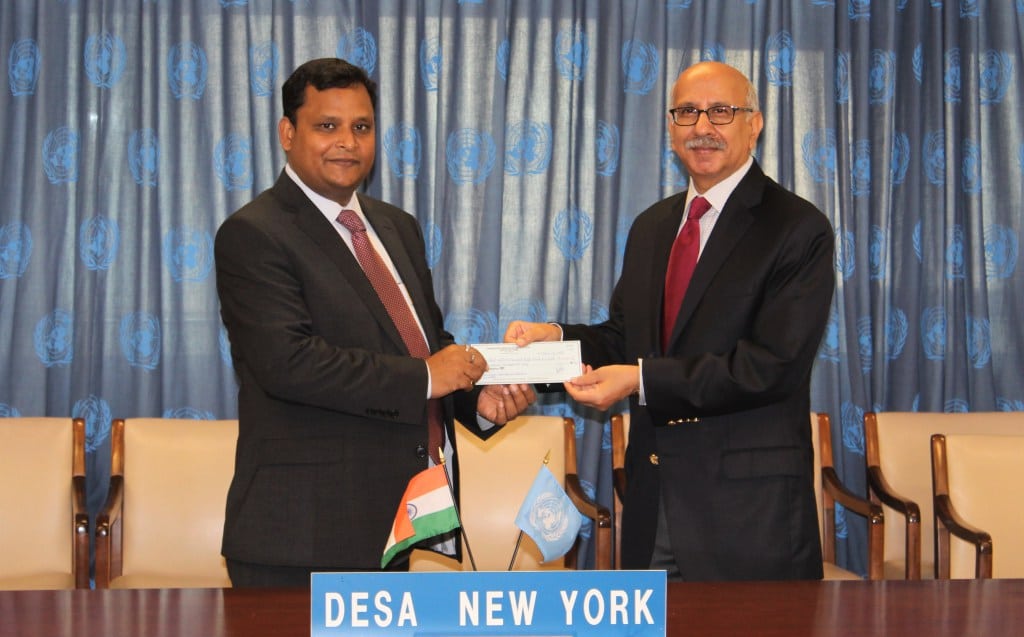
India contributes US$100,000 for fund to ensure developing countries’ role in international cooperation on critical tax matters
India delivered a voluntary contribution of US $100,000 to promote the participation of developing countries in the work of a key UN committee on tax matters that looks at key issues that could mobilize resources [...]

UN Secretary-General: Towards a fairer, more peaceful world
Op-ed by UN Secretary-General António Guterres for Impact Journalism Day Three years ago, world leaders unanimously adopted the 2030 Agenda for Sustainable Development. Negotiating this framework for a better future and its 17 Sustainable Development [...]
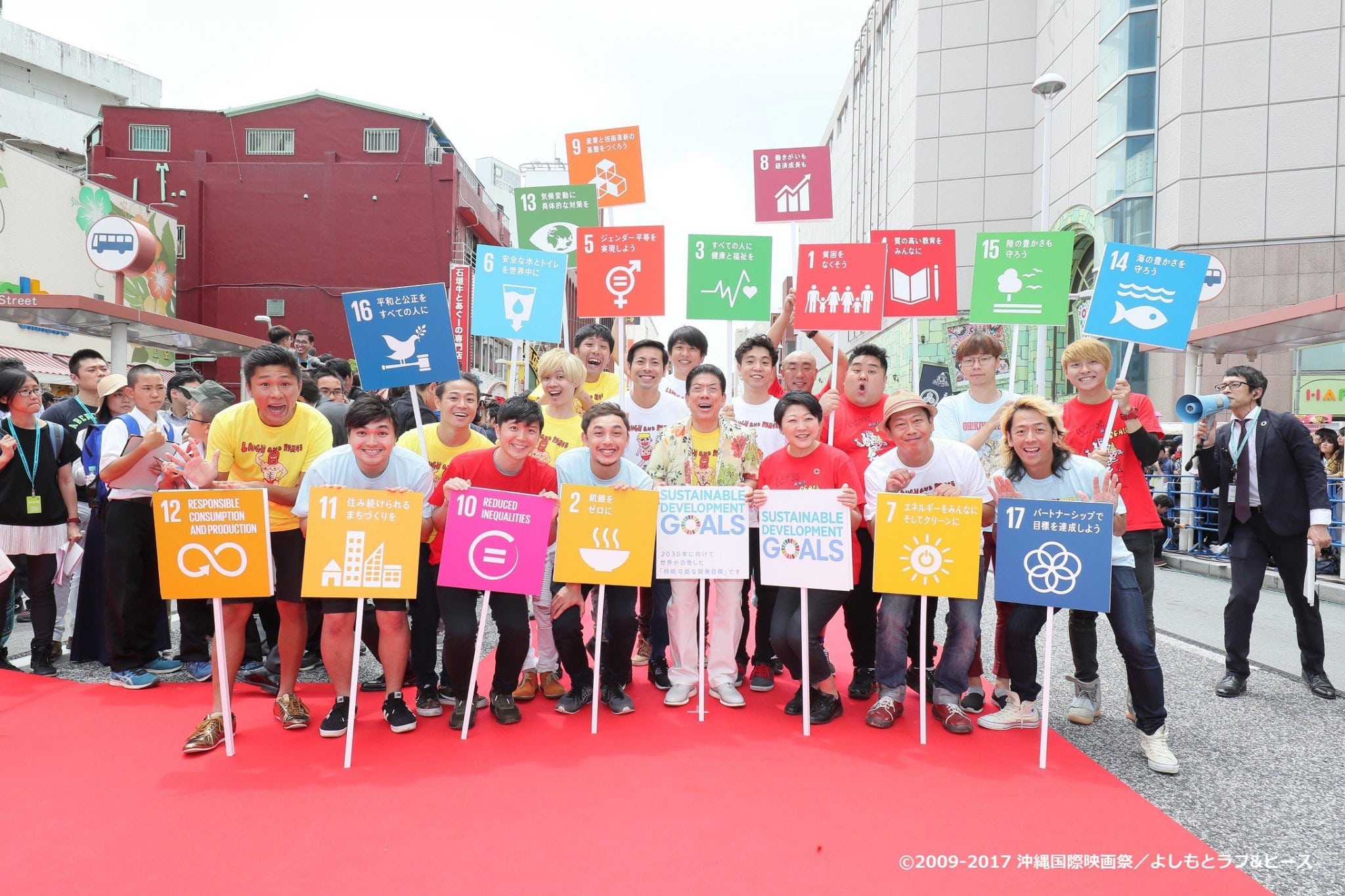
New tool to improve UN System action for SDGs now online
A searchable online registry that outlines the actions, initiatives and plans for the implementation of the Sustainable Development Goals (SDGs) by 39 UN System entities was launched today by the UN Department of Economic and Social [...]
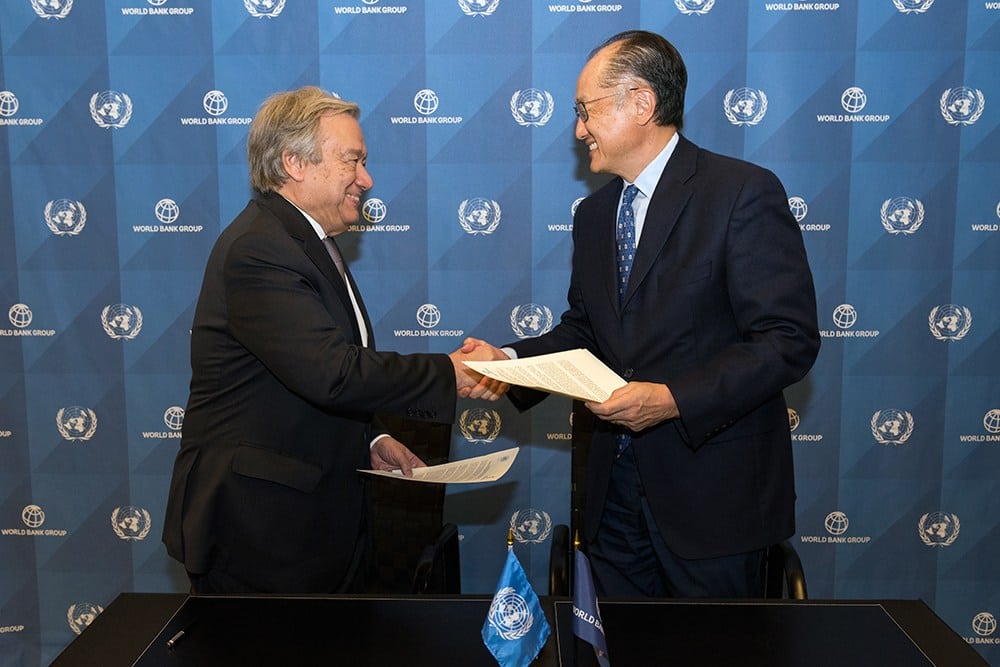
UN-World Bank Group Sign a Strategic Partnership Framework for the 2030 Agenda
The United Nations Secretary-General António Guterres and World Bank Group President Jim Yong Kim, guided by the Addis Ababa Action Agenda on Financing for Development and the Paris Agreement on Climate Change, today signed a Strategic [...]

UN and China’s Ministry of Science and Technology to team up to help developing countries achieve SDGs
Beijing, 5 December—The United Nations Department of Economic and Social Affairs today announced that it was entering into an agreement with China’s Ministry of Science and Technology to embark on a series of initiatives aimed [...]
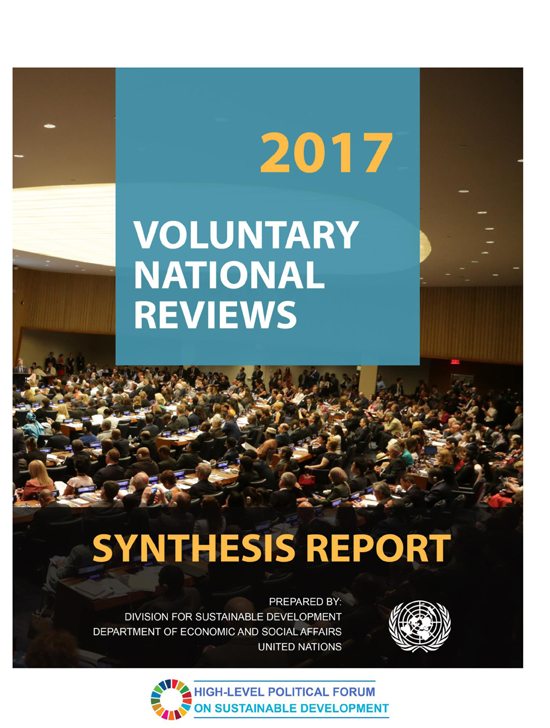
Report: SDGs moving from an international aspiration to concrete actions at the national level
Briefing by Mr. Liu Zhenmin, UN Under-Secretary-General for Economic and Social Affairs, Tuesday, 7 November 2017