Peace and Security

Promote multilateralism, end unilateral coercive measures

The term "unilateral coercive measures” usually refers to economic measures taken by one State to compel a change in the policy of another State. The International Day against Unilateral Coercive Measures (4 December) serves as a part of global efforts to raise awareness about the negative impact of such measures not in accordance with international law and the Charter of the United Nations. The observance emphasizes the need to promote dialogue, mutual respect, understanding, tolerance and multilateralism as the cornerstone of international relations and diplomacy.

Examples of unilateral coercive measures include trade sanctions, such as embargoes and the interruption of financial and investment flows between sender and target countries.
Photo:Adobe Stock/ MKS (AI generated)
A UNICEF-supported mobile clinic provides healthcare to people displaced by violence in Darfur, Sudan.

Sudan: Kordofan cannot become ‘another El Fasher,’ Türk warns

4 December 2025 — UN human rights chief Volker Türk on Thursday warned that Sudan risks “another El Fasher” as fierce fighting spreads across the Kordofan region, raising fears of a fresh wave of...

General Assembly demands return of Ukrainian children by Russia

3 December 2025 — The UN General Assembly on Wednesday demanded by a wide margin that Russia immediately and unconditionally return all Ukrainian children who have been forcibly transferred or...

Cold, displaced and in darkness, Ukrainian civilians brace for another winter of war

2 December 2025 — As Ukraine enters its fourth winter under full-scale invasion, millions of civilians face renewed hardship from relentless attacks, widespread power outages and freezing...

Emergency food supplies are distributed in Kryvorizhzhia, in the Donetsk region of Ukraine. Emergency food supplies are distributed in Kryvorizhzhia, in the Donetsk region of Ukraine.

UN Sustainable Development Goals

17 Goals to transform our world

The Sustainable Development Goals are a call for action by all countries — poor, rich and middle-income — to promote prosperity while protecting the planet.

hands holding megaphone and speech bubble

The Goals can improve life for all of us. Cleaner air. Safer cities. Equality. Better jobs. These issues matter to everyone. But progress is too slow. We have to act, urgently, to accelerate changes that add up to better lives on a healthier planet. Find new inspiring actions on the app and at un.org/actnow.

Today, half the world is under 30, and this generation is a powerful force for peace. The UN "Hear Us. Act Now for a Peaceful World" campaign, launched on the International Day of Peace, aims to include, invest in, and partner with young people to build lasting peace. 

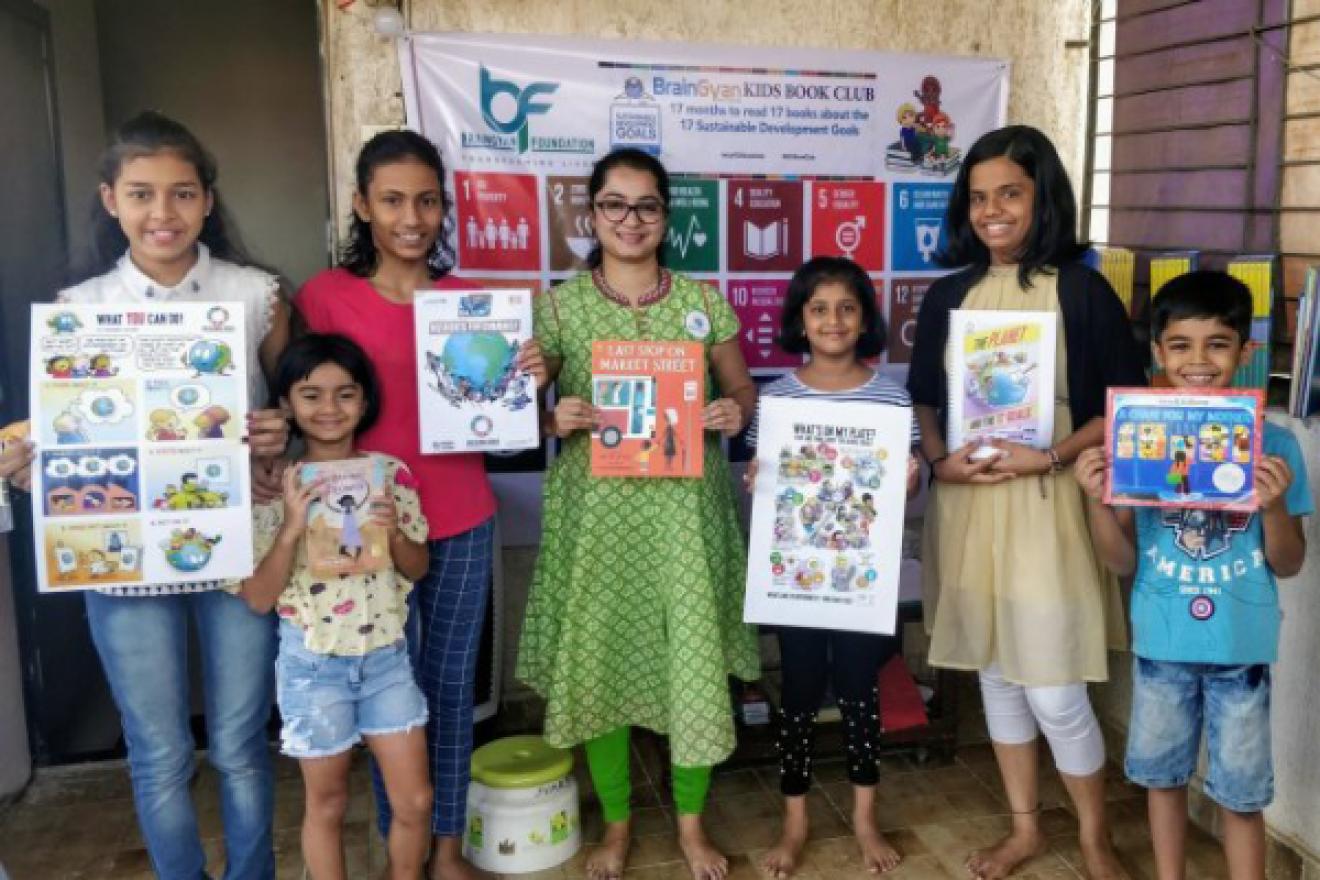
children holding up books

Reading and learning are essential to children’s growth and development; stories can fuel their imagination and raise awareness of new possibilities. The SDG Book Club aims to encourage them to learn about the Goals in a fun, engaging way, empowering them to make a difference.

More from the
United Nations

Featured stories from across the United Nations and our world-wide family of agencies, funds, and programmes.

A tropical island with a sandy beach, dense palm trees and two boats. Human Rights, UNDP

Rights in your pocket

A key symbolizes the security of a home, while a phone with internet access opens the door to information. Financial tools like credit cards and cash enable access to food and services. For many living in poverty, violence, or disaster, these rights are hard-won achievements. Promoting and protecting human rights is vital for sustainable development. The United Nations Development Programme (UNDP) collaborates in over 60 countries and territories to strengthen national human rights systems and help states fulfill their obligations. By securing essentials like clean water and advocating for justice, UNDP demonstrates that human rights are essential for safety, equality, and respect in everyday life.

An illustration composed of numerous abstract and figurative line drawings in various colors, featuring a collage of interconnected scenes and symbols. Human Rights, OHCHR

Human Rights Day 2025: Our Everyday Essentials

Human rights are our compass in turbulent times, guiding us through uncertainty. UN Human Rights Chief Volker Türk launched the 2025 Human Rights Day campaign, warning that rising inequalities, conflicts, and climate crises threaten fundamental rights. Marking the UN Charter’s 80th anniversary, Türk urged solidarity and advocacy. The “Our Everyday Essentials” campaign seeks to reaffirm the enduring relevance of the Universal Declaration of Human Rights, showing how rights like food, education, and freedom shape daily life. Share your essentials through our online form or on social media using the hashtag #OurEverydayRights.

An aerial view of terraced rice fields. Agriculture and Food, FAO

Land, soil, and water under strain: Urgent action needed

Land, soil, and water are essential for agriculture and food security, but they face severe pressure due to human activities. Over 60% of human-induced land degradation occurs on agricultural lands, while agriculture utilizes over 70% of global freshwater withdrawal. The new edition of The State of the World’s Land and Water Resources highlights the urgent issues of land degradation, water scarcity, and climate change, and their effects on agricultural productivity and ecosystems. It explores sustainable solutions and integrated approaches for sustainable land, soil and water use and management emphasizing the importance of our current choices to ensure resource protection and meet future demands.

Displaced Persons and Refugees, IOM

Displaced but not forgotten

In Nigeria’s Gbajimba camp, Shiminenge overcomes disability and displacement, leading advocacy that helped transform the site with accessible shelters, sanitation, and mobility support, restoring dignity for many.

Science and Technology, UNFPA

Technology fuels rising gender violence

A new UN report shows gender-based violence remains rampant and increasingly technology-driven, with adolescent girls disproportionately harmed as laws, policies and protections lag behind rapidly evolving online threats.

Trade and Commerce, UNCTAD

Globalization rewired by geopolitics

Geopolitical shifts and financial instability are reshaping globalization, straining trade and development, heightening risks for developing economies, and underscoring the need for coordinated trade, finance, debt, and climate reforms.

Disabled persons, ILO

Disability-Inclusive rural transformation

From 2021–2024, the SPARK initiative strengthened disability inclusion in rural India, Malawi, Burkina Faso and Mozambique, training facilitators and expanding access to services ahead of International Day of Persons with Disabilities.

What we do

Due to the powers vested in its Charter and its unique international character, the United Nations can take action on the issues confronting humanity in the 21st century, including:

Structure of the
United Nations

The main parts of the UN structure are the General Assembly, the
Security Council, the Economic and Social Council, the Trusteeship Council, the International Court of Justice, and the UN Secretariat. All were established in 1945 when the UN was founded.

The General Assembly is the main deliberative, policymaking and representative organ of the UN. All 193 Member States of the UN are represented in the General Assembly, making it the only UN body with universal representation.

The Security Council has primary responsibility, under the UN Charter, for the maintenance of international peace and security. It has 15 Members (5 permanent and 10 non-permanent members). Each Member has one vote. Under the Charter, all Member States are obligated to comply with Council decisions.

The Economic and Social Council is the principal body for coordination, policy review, policy dialogue and recommendations on economic, social and environmental issues, as well as implementation of internationally agreed development goals.

The Trusteeship Council was established in 1945 by the UN Charter, under Chapter XIII, to provide international supervision for 11 Trust Territories that had been placed under the administration of seven Member States, and ensure that adequate steps were taken to prepare the Territories for self-government and independence.

The International Court of Justice is the principal judicial organ of the United Nations. Its seat is at the Peace Palace in the Hague (Netherlands). It is the only one of the six principal organs of the United Nations not located in New York (United States of America).

The Secretariat comprises the Secretary-General and tens of thousands of international UN staff members who carry out the day-to-day work of the UN as mandated by the General Assembly and the Organization's other principal organs.

Learn more

General Assembly hall with the Secretary-General at the podium

The United Nations is the only place on Earth where all the world's nations come together to discuss common problems and find shared solutions that benefit all of humanity. Learn about the main areas of the UN’s activities; how it makes a difference to the world’s people; and how every citizen can get involved and make a contribution. 

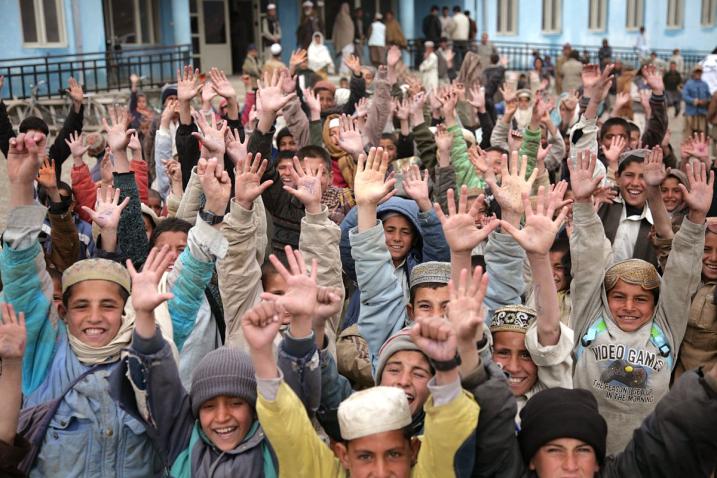
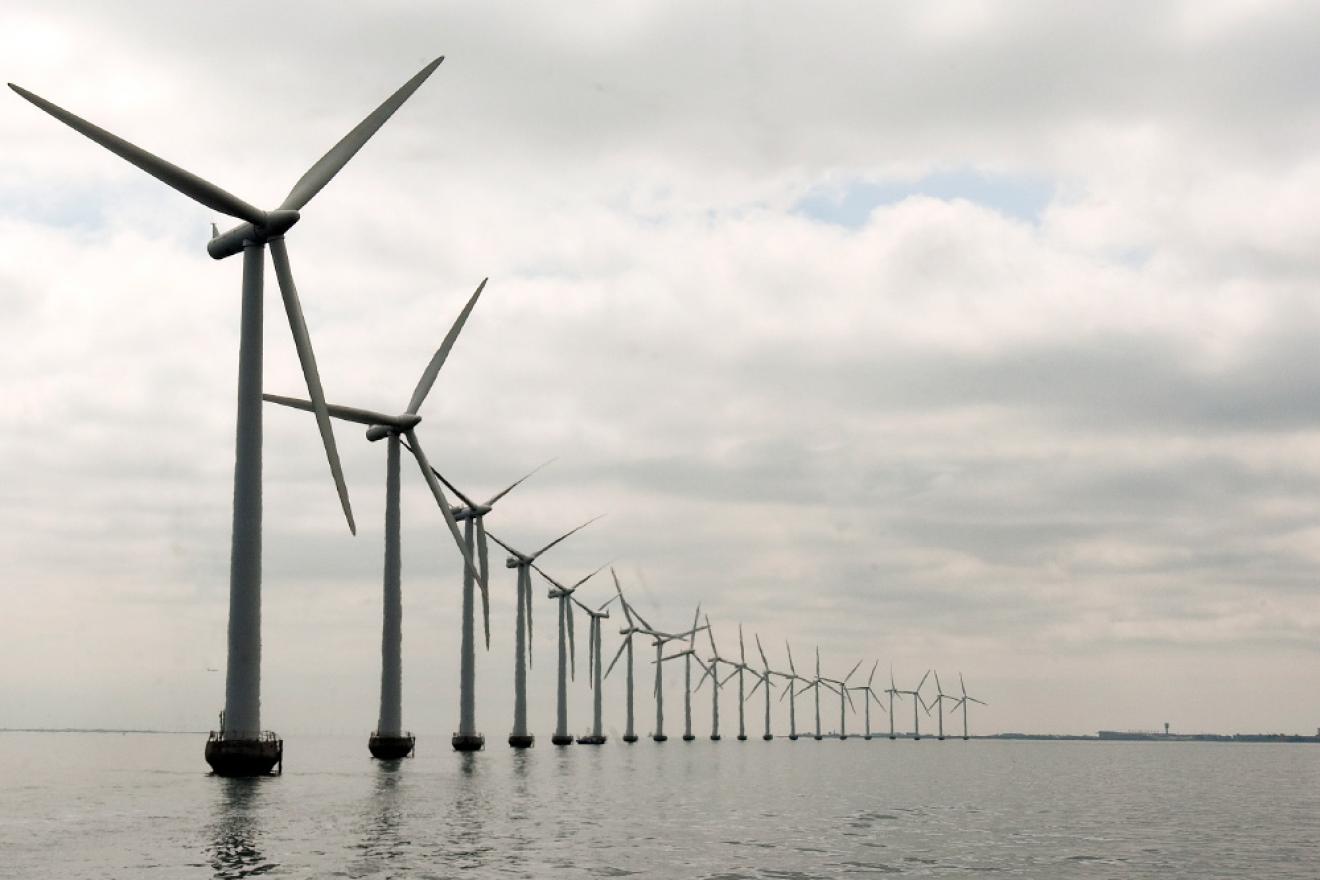
Climate change is the defining issue of our time and now is the defining moment to do something about it. There is still time to tackle climate change, but it will require an unprecedented effort from all sectors of society.

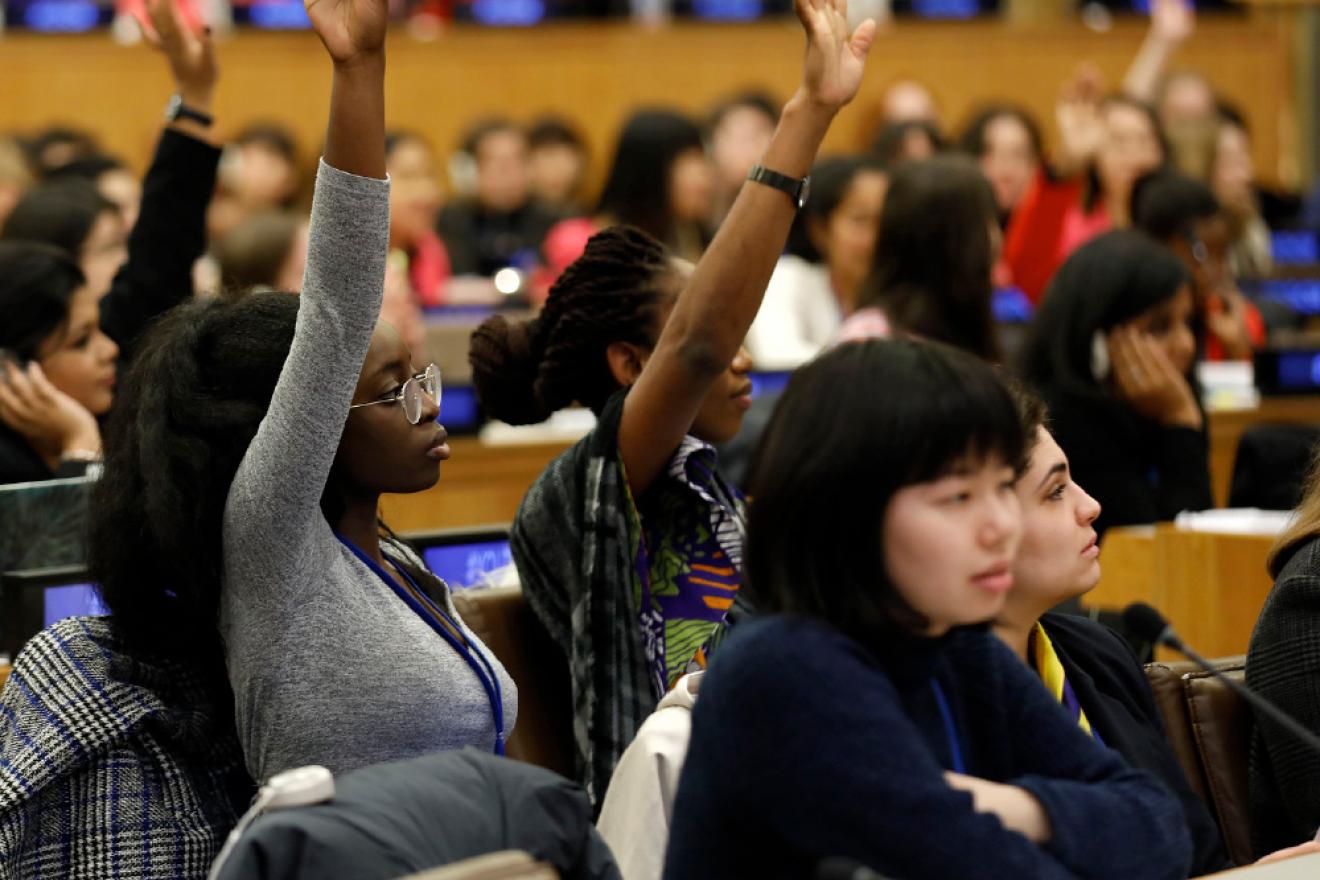
Women at UN CSW63 Side Event - “Take the Hot Seat”. Photo: UN Women/Ryan Brown

Women and girls represent half of the world’s population and, therefore, also half of its potential. Gender equality, besides being a fundamental human right, is essential to achieve peaceful societies, with full human potential and sustainable development.

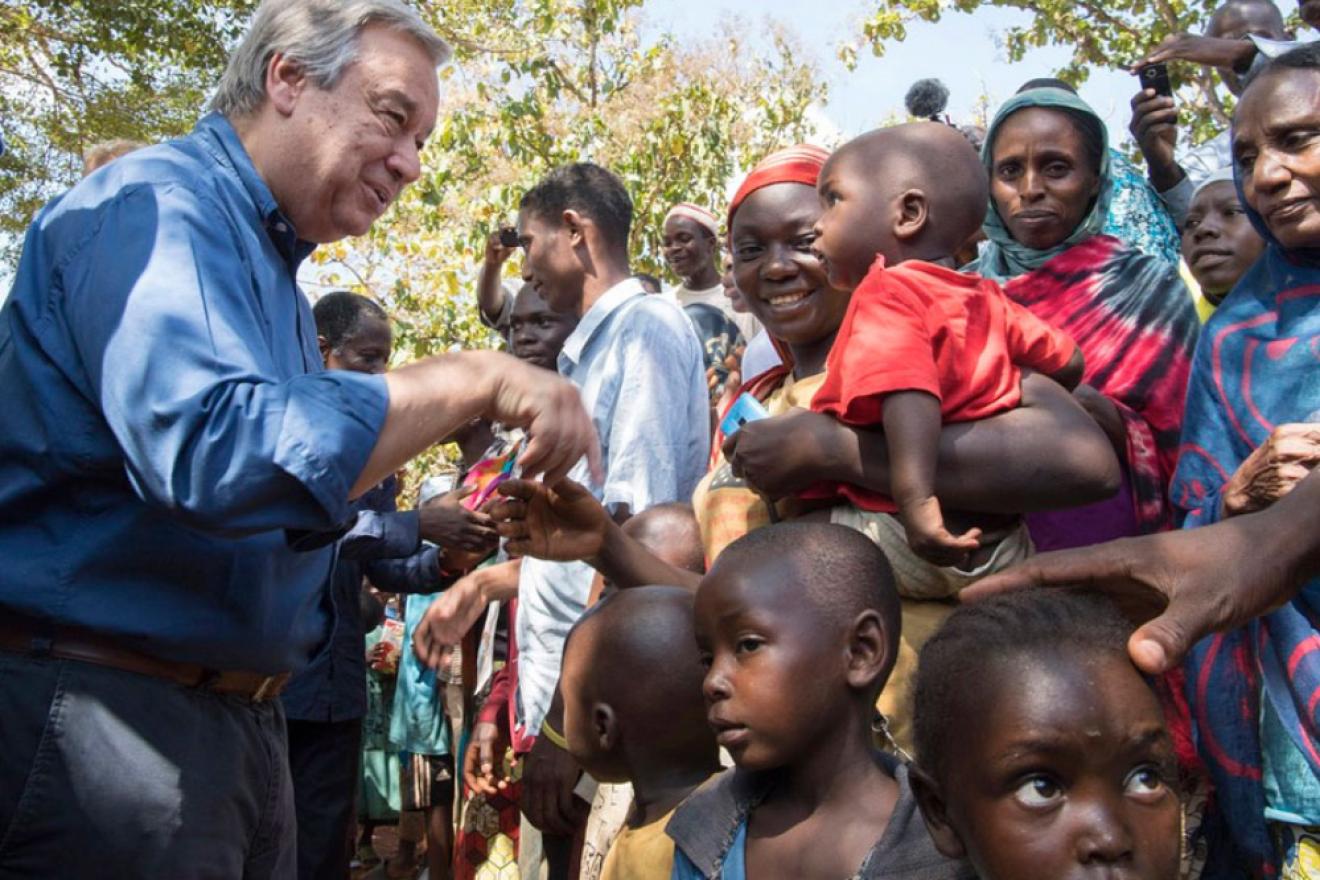
UN Secretary-General António Guterres is greeted on his visit to the Central African Republic

While global poverty rates have been cut by more than half since 2000, one in ten people in developing regions still lives on less than US$1.90 a day — the internationally agreed poverty line, and millions of others live on slightly more than this daily amount.

Watch and Listen

Video and audio from across the United Nations and our world-wide family of agencies, funds, and programmes.

An estimated 50 million people worldwide live in modern slavery, including 28 million in forced labour and 22 million in forced marriage, with children disproportionately affected. Despite 181 of 187 ILO members ratifying the 1930 Forced Labour Convention and adopting a strengthening Protocol in 2014, global efforts to eliminate forced labour continue.

Bamboo entrepreneurs boost nature and income

Bamboo-based restoration restores degraded land, supports biodiversity, boosts rural livelihoods, mitigates climate impacts, and promotes sustainable development across nine countries globally.

Cooking with cacao

In Peru, the Awajun community, supported by the Avanzar Rural project, adapts cacao farming to climate change, improving yields, incomes, and market access for smallholders.

UN Podcasts

smiling woman in industrial kitchen

Life stories from Peru: Adapting with cacao

Adaptation can seem daunting for rural businesses, but it’s a win-win. By adopting sustainable farming techniques like agroforestry, small-scale farmers can drive economic growth while protecting their land. 

In the third episode in IFAD's “Life stories” mini-series, we head to the Peruvian Amazon to see adaptation in action. Join us as IFAD Recipes for Change chef Waldir Maqque meets with Ruth, whose farmers’ association has become a key player in the local cacao value chain with IFAD’s support.

Latest Audio from UN News

The United Nations in Pictures

Images from across the United Nations and our world-wide family of agencies, funds, and programmes.

submerged farmland
Photo:UN Cuba/Claudio Peláez

Six things to know about Hurricane Melissa's impact on Cuba

Hurricane Melissa struck Cuba as a Category 3 storm on 29 October, tearing across the island in six hours with powerful winds and torrential rain. It battered five eastern provinces, forced more than 735,000 people to evacuate and affected millions of others. Floodwaters swept through towns, winds damaged infrastructure, and power outages rippled across entire districts, disrupting essential services across eastern Cuba when communities most needed them. Extensive flooding in Santiago de Cuba has submerged farmland and surrounding homes, leaving stagnant water that heightens the risk of mosquito-borne and waterborne diseases in already hard-hit communities. OCHA is helping national authorities and the UN Resident Coordinator steer and organize the emergency response under the UN Plan of Action for Hurricane Melissa, which guides multi-agency support across shelter and housing, food security, health, logistics, education, and water, sanitation and hygiene. 

smiling man holding gourds
Photo:UNDP/R2R Project

Limited land, limitless potential

For the Seychelles, a small island developing state in the middle of the ocean, land is limited, and 200 years of human settlement has already seen significant impacts on both terrestrial and marine ecosystems. On the main island of Mahé, where 86% of the population live, land is being actively developed for tourism, agriculture, housing, and other human needs. The impacts of these demands can be seen and felt where today less than 5% of the original native forest remains intact. To reverse this damage and restore degraded land, the project ‘Ridge to Reef’, is working to improve tree cover and restore soil. Funded by the Global Environment Facility (GEF) and implemented by the Seychelles Government in partnership with UNDP, the 'Ridge to Reef' approach focuses on the connection between land and sea to address environmental degradation. Nelson Renaud, chairman of the Local Food Producers Association, says "By taking care of the land, we can grow food that will take care of our community."