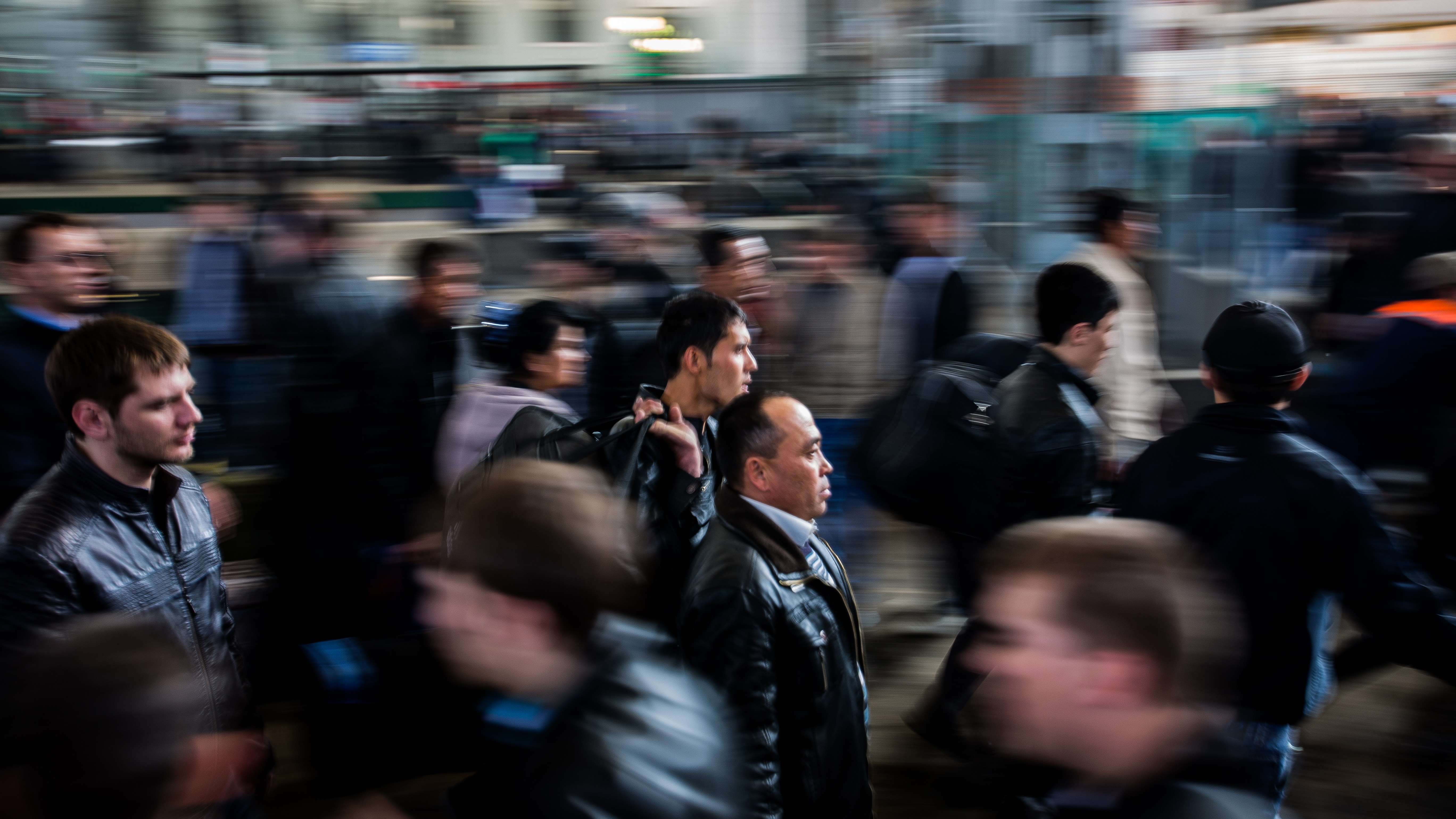
1950年,即联合国成立五年之后,世界人口总数约为25亿。到1987年,世界人口增长至50亿。1999年达到60亿,至2011年10月,世界人口约达70亿。到2022年11月中旬,这一数字已达80亿。
Latest news
Editorial Opinion by the UNV Executive Coordinator
The World’s Largest Workforce No One Counts
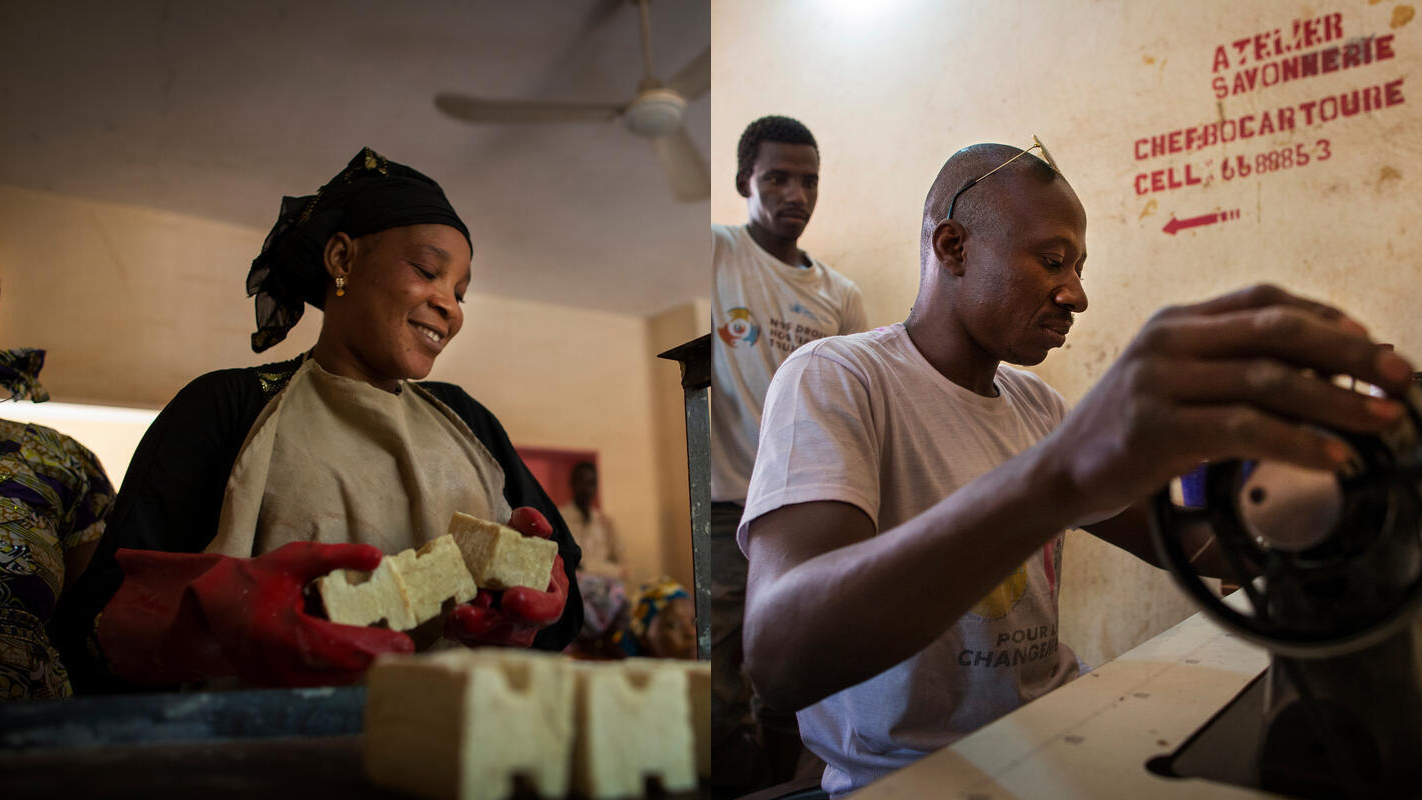
By any reasonable standard, volunteerism is one of the largest yet least understood systems underpinning global stability. The State of the World’s Volunteerism Report, recently published by United Nations Volunteers (UNV), suggests that roughly 2.1 billion people—about one third of the world’s working-age population—engage in some form of volunteering over the course of a year. Volunteerism is, therefore, not a marginal hobby of the middle class but a mass civic activity. This includes not only the familiar UN or NGO volunteer, but also the neighbour organizing food distribution, the youth coordinating mutual aid, the women maintaining informal safety nets in communities the state rarely reaches, and the corporate volunteer working online to share knowledge with a remote community.
In effect, countries and their governments already preside over a de facto national “volunteer corps” without a line in their budgets. Citizens are actively co-producing public goods—health outreach, education support, disaster response and social care—without appearing in administrative data. Increasingly, national institutions are prepared to recognize and work with this effort rather than treating it as invisible and incidental. In 2025, 23 countries acknowledged the positive impact of volunteers on the Sustainable Development Goals in their voluntary national reviews of the 2030 Agenda at the United Nations.
Yet despite its scale and importance, high-quality, comparable data on volunteerism remain scarce. National data are often sporadic, definitions vary widely, and informal volunteering is systematically undercounted. In the absence of verifiable evidence, governments celebrate “the spirit of volunteerism” while relying on patchy surveys or intuition to understand it.
Measuring volunteering is not a technical footnote; it is a policy gap waiting to be filled. Designing effective social protection, crisis response or social cohesion strategies while remaining only vaguely aware of actual patterns of citizen contribution means under-managing one of a country’s most important assets.
Against this backdrop, several findings of the State of the World’s Volunteerism Report stand out as immediately actionable.
First, informal volunteering—everyday mutual aid, peer support and community self-help—outpaces formal, organization-based volunteering by roughly two to one globally. Most volunteer effort, therefore, takes place outside registered organizations and official programmes. When communities self-organize to respond to floods before official services arrive, when diaspora networks mobilize medicines during crises, or when neighbours create their own care systems where formal services are weak, they are performing volunteer work that sustains national resilience.
For governments in developing countries, this means informal networks already deliver health outreach, education support and disaster response at scale—and in ways that are trusted and cost-effective. In developed economies, the same pattern reveals untapped potential in community-level solidarity, as many observed during the global pandemic.
The next step is clear: integrate informal volunteering into national development strategies and statistical systems. Provide targeted support—micro-grants, digital coordination tools, and recognition and training opportunities—without imposing heavy bureaucracy that could stifle spontaneity. Align labour force surveys with International Labour Organization–UNV standards to capture volunteers’ contributions more reliably.
The report also proposes the Global Index of Volunteer Engagement (GIVE): a standardized, multidimensional framework designed to measure volunteering more comprehensively and comparably across countries. By capturing the value of volunteering for individuals, societies and economies, as well as the enabling environment for volunteer engagement, GIVE offers a pathway to strengthen evidence and inform policy and investment in volunteering worldwide.
Taken together, these findings point to one conclusion: as long as governments are not measuring, shaping and strategically supporting volunteerism, they are under-managing one of their countries’ most important assets.
These insights arrive at a pivotal moment. The United Nations General Assembly has designated 2026 as the International Year of Volunteers for Sustainable Development. Many governments, civil society organizations and private sector actors are marking the year by improving the enabling environment for volunteer action and investing in tools that allow societies to measure and value it. Meanwhile, United Nations Volunteers is helping to share knowledge and innovations across borders so that lessons emerging from communities and countries around the world inform global standards.
The alternative—leaving 2.1 billion contributors undervalued and invisible—means overlooking one of the most powerful accelerators for peace and development available today.
As long as governments are not measuring, shaping and strategically supporting volunteerism, they are under-managing one of their countries’ most important assets.
Toily Kurbanov
日常议题
日常议题
作为世界上唯一真正具有普遍性的全球组织,联合国是应对仅靠一个国家无法得到解决的跨国界问题的最重要论坛。
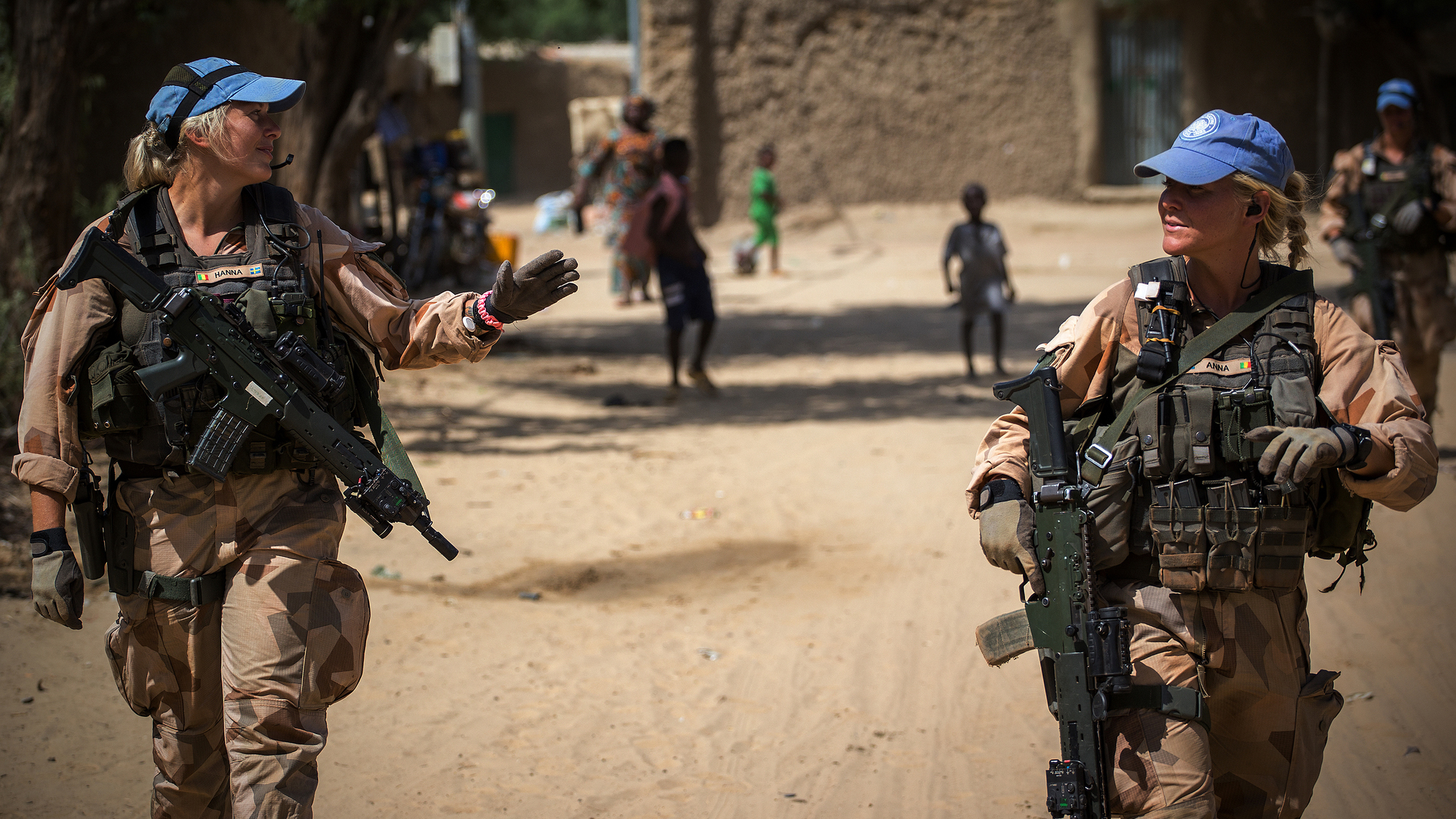
联合国成立时的最初目标是维护和平、保护人权、建立国际司法框架并推动经济和社会发展,70多年过去了,联合国面临着新的挑战,如气候变化、难民问题和艾滋病。
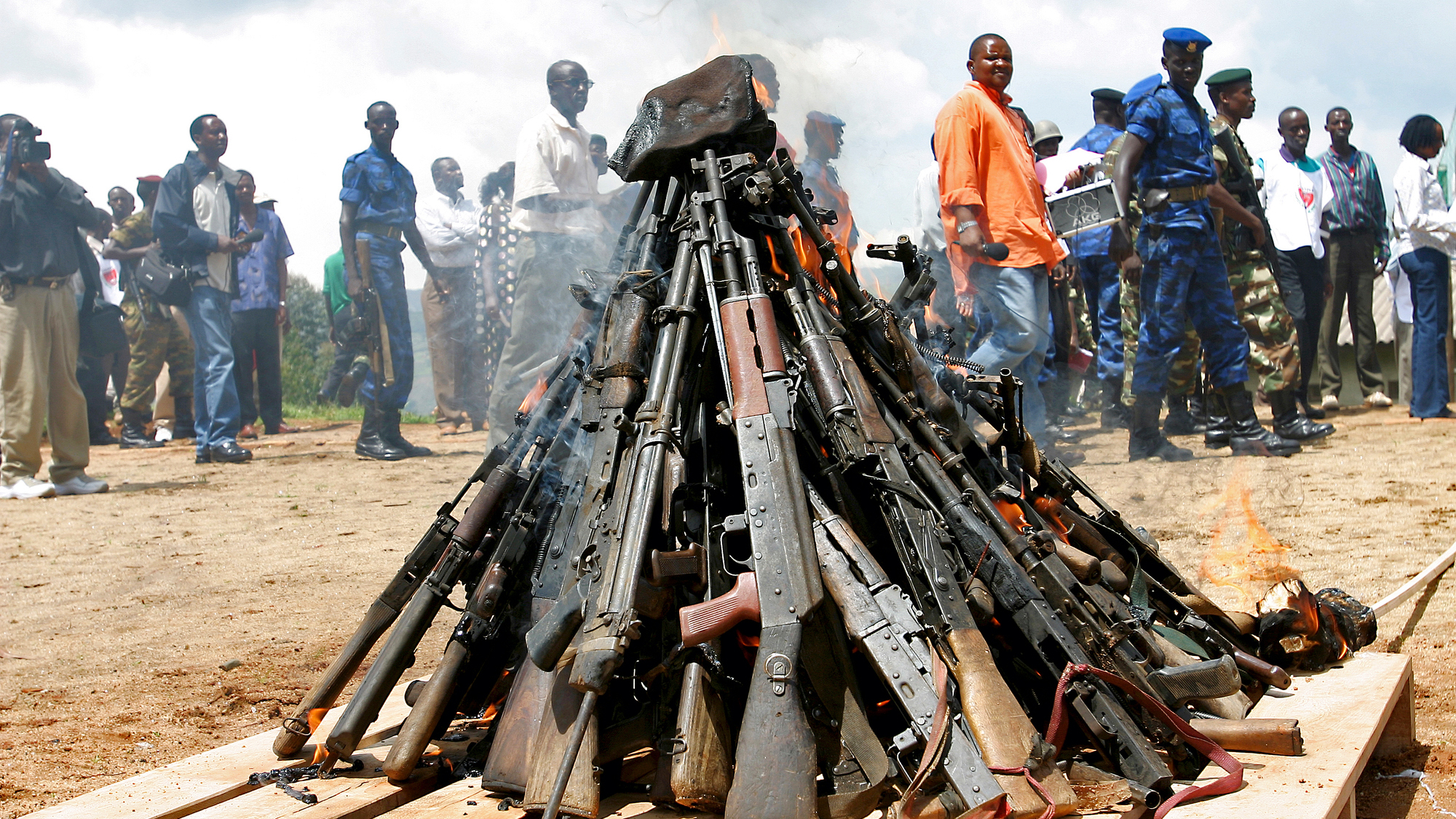
解决冲突和维持和平一直是联合国最引人注目的成果,此外,联合国及其专门机构还参与并开展大量致力于改善全世界人们生活的活动,从救灾、改善妇女教育和提高妇女地位到和平利用原子能。
本节提供了关于上述部分议题有一定深度的概述,并提供其他资源的链接,帮助您获取更多信息。

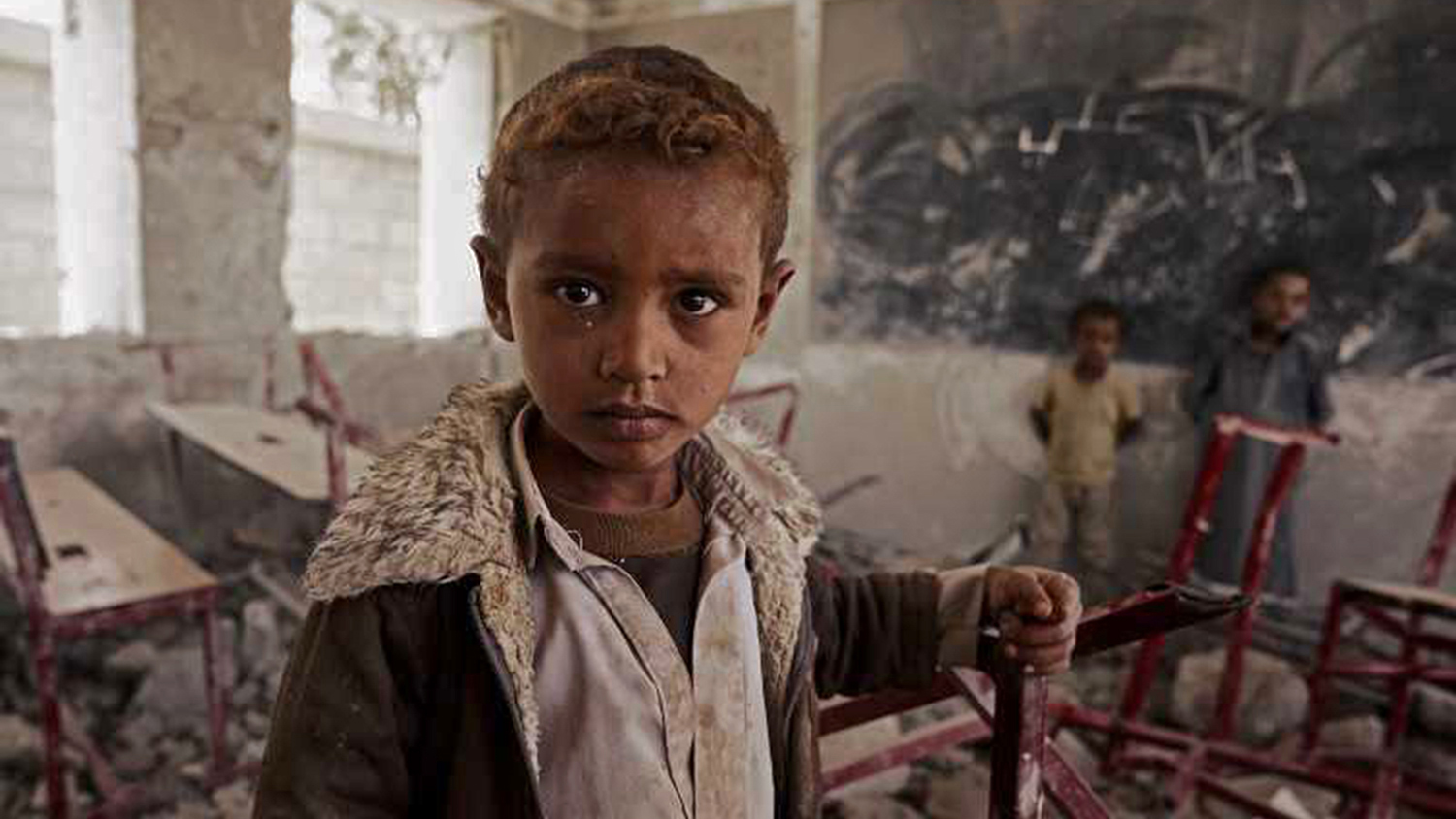
人权是所有人与生俱有的权利,它不分种族、性别、国籍、族裔、语言、宗教或任何其他身份地位。人权包括生命和自由的权利、不受奴役和酷刑的权利、意见和言论自由的权利、获得工作和教育的权利以及其他更多权利。人人有权不受歧视地享受这些权利。
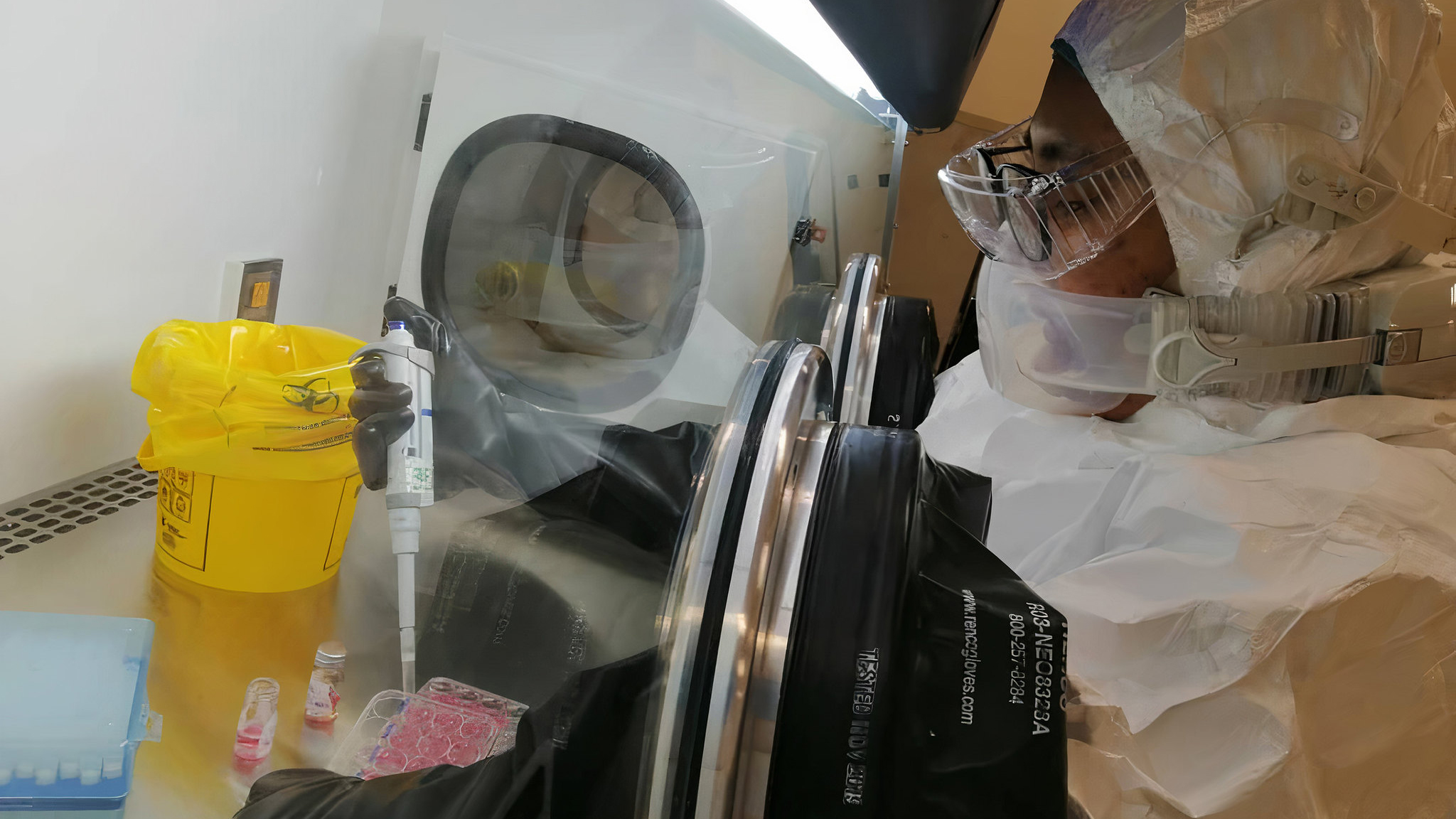
世界上的数据量呈指数增长。新的数据来源、新技术和新的分析方法,如果得到适当的应用,可以提高决策的灵活性和效率并更加注重证据,可以更好地监测落实可持续发展目标的进展,确保既包容又公平。
非法毒品是人类巨大苦难的根源。在这场危机中,最弱势的群体首当其冲,尤其是年轻人。吸毒者和戒毒者面临诸多挑战:毒品会造成伤害,他们要承受污名化与歧视,所采取的应对措施对吸毒者和戒毒者很严苛,却是无效的。
生命起源于海洋。海洋浩瀚无比,海洋面积约占地球表面的72%。海洋不仅孕育了生命且始终是生命的主要营养来源,而且,从最早有记载的历史开始,人类就利用海洋从事贸易和商业、进行海上冒险与探索。
自艾滋病开始流行以来,已有8840万人感染艾滋病毒,4230万人死于艾滋病并发症。世界各国领导人已承诺到2025年将每年新增艾滋病毒感染人数降至37万以下。然而,2023年新增感染人数仍然高达130万,是上述目标的三倍多。