
 The 17 Sustainable Development Goals have been adopted by all UN Member States. That’s great, but now what?
Governments will be busy for the next 15 years working to achieve the goals, but that doesn’t mean all the work falls on them. The private sector, civil society organization and regular people can all help accelerate the achievement of the SDGs. But sometimes it’s not that easy to know where to start. There are 17 goals after all, each one with different targets and indicators.
In fact, the question we get asked most frequently is: how can I help?
We want to make it easier for you to do your part. We don’t want you to feel like ending poverty, tackling climate change and reducing inequality is something only policymakers can do. We don’t want you to think it’s difficult to achieve – it is all doable.
This is why we have started the Year of Living Sustainably, a space where we will share tips on how to lead a sustainable lifestyle. Many of our tips are simple and you may already be doing them. Others will require you to change or adopt new habits. But you don’t have to turn your life upside-down to be sustainable. You don’t have to do everything at once, but also know that change starts with you and your involvement matters. Your small actions can have a big impact!
We also want to hear from you. We want to know how you’re helping to achieve the Sustainable Development Goals. Do you have an idea or initiative already running that is helping to improve people’s lives and protecting the planet? Tell us about it. We’d like to share with others.
So here’s how you can follow the Year of Living Sustainably:
We will be sharing regular blog posts on this website and also through the @GlobalGoalsUN twitter and facebook pages. The UN instagram page will also be doing a #SustainableSunday activity every week.
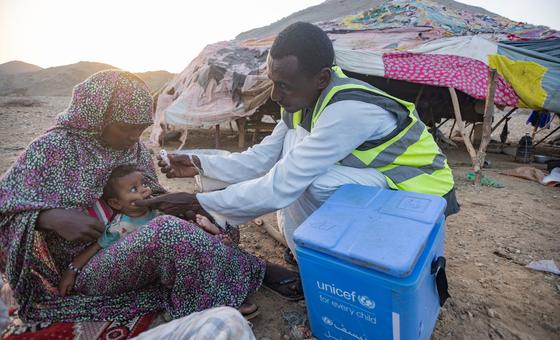
‘Let’s finish the job’ and end polio: WHO
Thirty-five years ago, polio, a highly infectious viral disease, paralysed around 350,000 children per year. Following a UN-led international push, that number is now less than 50. Read Full Story on UN News

Ceasefire offers ‘lifeline’ but Gaza hospitals remain in ruins
Gaza’s health system remains in ruins despite the fragile ceasefire holding, with hundreds of thousands still facing urgent medical and humanitarian needs, the head of the World Health Organization (WHO) warned on Thursday. Read Full [...]
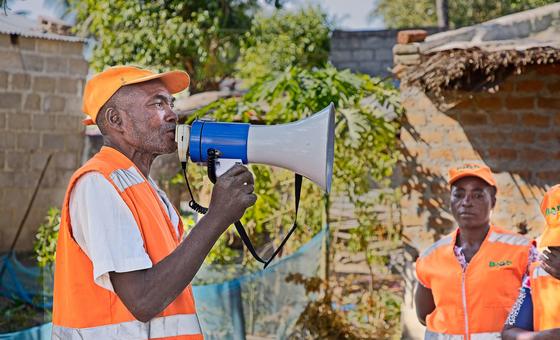
Climate science and early warnings key to saving lives
No country is safe from the devastating impacts of extreme weather — and saving lives means making early-warning systems accessible to all, UN chief António Guterres said on Wednesday. Read Full Story on UN News

New forum builds on Sevilla pledges to tackle global debt crisis
A new UN-backed forum launched on Wednesday to help developing nations escape the weight of unsustainable debt – which has left more than three billion people worldwide living in economies forced to spend more on repayments than health or education.

Most major methane leak alerts ignored despite climate threat
UN satellite tracking has greatly improved detection of major methane leaks – a gas responsible for about a third of global warming – yet companies and governments are acting on only around 12 per cent [...]

‘Finance must flow now’, says UN climate chief as COP30 nears
UN Climate Change chief Simon Stiell has urged countries to deliver a rapid surge in climate finance ahead of COP30, warning that developing nations remain dangerously short of the resources needed to withstand worsening storms, [...]