-
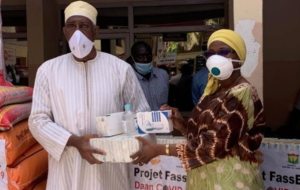
Duration: July 2021 - December 2024
Budget: US$2,074,010 (UNTFHS: $1,084,010; Pooled Funding: $990,000)
Implementing Agencies: UNFPA (lead), UNICEF, UNDP, UN WOMEN, UNRCO
Vulnerable women and youth in the town of Gueule Tapée-Fass-Colobane face significant and interconnected challenges. They notably have limited opportunities to expand their economic opportunities due to lack of access to education and vocational training, obstacles to financing for entrepreneurial endeavors, as well as legal barriers for women to start businesses.MORE -
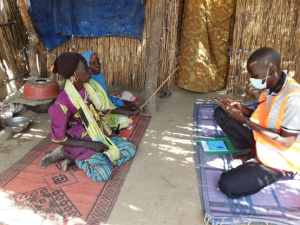
Duration: June 2021 - May 2024
Budget: US$4,427,969 (UNTFHS: $1,801,167; Pooled Funding: $2,626,802)
Implementing Agencies: UNDP (lead), UNICEF, FAO, UN-Habitat, UNRCO
Defined by its different cultures, ethnicities, and tribes, Cameroon is currently navigating multiple challenges including violence and displacement related to Boko Haram in the Far North, the refugee crisis in the East, the COVID-19 pandemic affecting the entire country, and political issues in various regions. The arrival of Boko Haram ten years ago brought violence and conflict to the Lake Chad Basin and led to massive internal and cross-border displacement, the destruction of livelihoods and property, and the disruption of trade and flow of food.MORE -

Duration: January 2021 - December 2023
Budget: US$4,309,383 (UNTFHS: $1,010,823; Pooled Funding: $3,298,560)
Implementing Agencies: UNDP (lead), FAO, UNRCO
While progress has been made to promote stability and inclusive development in Sierra Leone, significant obstacles remain in realizing the SDGs. In the Kono District, interconnected challenges including civil instability, a non-diversified economy with limited opportunities for income generation, unsustainable mining practices, destructive forestry activities, low agricultural productivity, and inadequate governance systems for community decision-making negatively impact the lives, livelihoods and opportunities of the residents, and undermine advancement of the SDGs.MORE -

Duration: January 2021 - February 2025
Budget: US$2,368,741
Implementing Agencies: UNDP(lead), UNICEF, WHO, UNEP and UNRCO
Forests play a crucial role in the sustainable development of Ghana, contributing to livelihoods, employment, tourism, and foreign exchange earnings. Over the past decade, however, the country has experienced substantial rates of deforestation and forest degradation, attributable to illicit timber logging, mining activities, unsustainable agricultural practices, and precarious land tenure policies.MORE -

Duration: August 2020 - December 2021
Budget: US$312,009 (UNTFHS: $299,989; Pooled Funding: $12,020)
Implementing Agencies: OHCHR (lead), UN-Habitat
The programme conducted a comprehensive human security assessment to identify challenges and opportunities in Preah Sihanouk province and provide local and national authorities and other relevant stakeholders with evidence and analytics to define risk-informed strategies, programmes and policy options.MORE -

Duration: February 2020 - August 2023
Budget: US$5,119,980
Implementing Agencies: UNMAS (lead), UNOPS, FAO, IOM, WHO, UNICEF
Sudan is at a pivotal moment of change on its journey to political and socio-economic recovery. During this period, the international community has a key responsibility to support the government and people of Sudan with coordinated responses that promote peace, address multi-dimensional insecurities, empower people and leverage opportunities on the ground. In this context, the UN Country Team in Sudan, with support from the UNTFHS, is responding to the complex challenges in the state of South Kordofan that has been at the center of armed conflict between the Government of Sudan and opposition groups in the past.MORE -

Duration: November 2019 - July 2022
Budget: US$375,000
Implementing Agencies: IOM (lead), UNESCWA, HSU
Countries in the Arab region have been heavily impacted by conflicts. These conflicts have resulted in tragic loss of life, forced displacement, physical destruction, strained and failing institutions that together result in complex and interconnected insecurities, often spilling into neighbouring countries within and beyond the region. Responding to the urgent challenges faced by countries affected by conflict in the region, the Arab Committee for Sustainable Development requested the League of Arab States through its Department of Sustainable Development and International Cooperation to prepare a regional report on the importance of SDGs and their implementation in conflict affected countries.MORE -
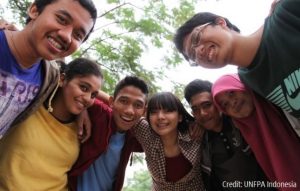
Duration: October 2019 - August 2022
Budget: US$5,235,742
Implementing Agencies: UNODC (lead), UNDP, UN Women
Despite rapid economic growth and progress in many areas of human development, Indonesia continues to suffer from acts of violent extremism with recent terrorist attacks involving women and children as perpetrators. Often described as the political barometer of South-East Asia, the success of Indonesia’s counter-terrorism efforts has profound influence throughout the region and beyondMORE -
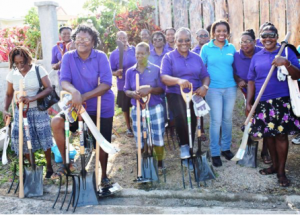
Duration: August 2019 - December 2023
Budget: US$6,252,405
Implementing Agencies: UN Women (lead), ILO, UNDP, FAO in partnership with UNFPA, UNICEF, RCO
In the Caribbean region, middle-income countries are marked by decreasing aid flows despite lagging economic growth, high and unsustainable levels of debt, increasing poverty and inequality, climate change and disaster risks, and public safety challenges. Women and youth are disproportionately affected by these challenges as a result of low-income levels and high barriers to economic participation that further increase their vulnerabilities to economic, social and environmental shocks. MORE -

Duration: July 2019 - April 2023
Budget: US$377,837
Implementing Agencies: Economic Commission for Africa (ECA), UN Office to the African Union (UNOAU), HSU
The development of the African Human Security Index (AHSI) represents the first continent-wide human security index to support progress on the implementation of Agenda 2063 and the Silencing the Guns initiative. Such an index will help clarify how diverse issues ranging from poverty in all its forms, to social exclusion, violence and environmental degradation interact and require people-centered, comprehensive and risk-informed responses that support the continent’s goal towards a more inclusive and shared prosperity, in greater peace and resilience.MORE -

Duration: May 2019 - December 2020
Budget: US$437,579
Implementing Agencies: International Peace Institute (IPI) (lead), UN Human Security Unit (HSU)
MORE -
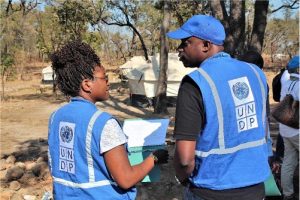
Duration: April 2019 - April 2023
Budget: US$6,059,450
Implementing Agencies: UNDP (lead), UNHCR
Situated at the heart of central southern Africa, Zambia shares borders with eight countries resulting in significant movements of people including refugees and asylum seekers into its borders. To ensure that communities living in the resettlement sites of Meheba and Mayukwayukwa are fully integrated into national planning processes at all levels, the programme implements the human security approach and takes into consideration the localized and priority needs of the participating communities.MORE -

Duration: March 2019 - September 2022
Budget: US$5,015,659
Implementing Agencies: UNDP (lead), UNHCR
On 26 September 2016, following nearly four years of negotiations, the Colombian Government and the country’s largest guerrilla group (the Fuerzas Armadas Revolucionarias de Colombia or FARC), signed a peace agreement to end over fifty years of deep-rooted and violent internal conflict. However, while some areas have seen an end to the conflict, others have experienced increasing violence and displacement as armed groups have competed to take control over areas vacated by the FARC.MORE -

Duration: February 2019 - December 2022
Budget: US$5,308,945
Implementing Agencies: IOM (lead), ESCAP, ILO, OHCHR
The small island states of the Pacific region are extremely vulnerable to the effects of climate change which increases the risk of flooding, storms, and extreme weather events. Rising sea levels also cause coastal erosion and salinity intrusion destroying the livelihoods of those dependent on agriculture and fishing.MORE -
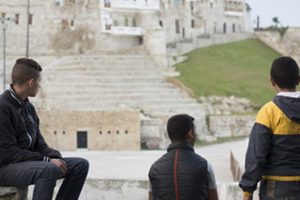
Duration: November 2018 - October 2021
Budget: US$4,836,212
Implementing Agencies: RCO (lead), UNHCR, UNICEF, IOM
The programme improves protection of vulnerable refugee, migrant and asylee children and youth in Morocco by: (i) promoting social norms and acceptance of refugee and migrant children and youth among host communities to enhance social cohesion; (ii) effectively identifying and assisting refugee and migrant children and youth to facilitate local integration and measures for child protection; and (iii) improving the capacities of government institutions and non-governmental organizations to enhance the well-being and future.MORE -

Duration: November 2018 - October 2021
Budget: US$4,836,212 (UNTFHS: $1,991,012; Pooled Funding: $ 2,845,200)
Implementing Agencies: UNRCO (lead), UNHCR, UNICEF, IOM
Morocco is a country of origin, destination and transit for refugees, asylum-seekers and migrants. Unaccompanied children and youth comprise 10% of migrants and 40% of refugees who make the perilous journey to Morocco and beyond.MORE -

Duration: October 2018 - December 2022
Budget: US$5,313,470 (UNTFHS: $2,001,842 Pooled Funding: $ 3,311,628)
Implementing Agencies: UNDP (lead), UNHCR, FAO
The struggle between herders and farmers in Nigeria over farmland and pasture is a serious and escalating conflict registering huge casualties and raising tensions particularly in the country’s Middle Belt. Drought and desertification in the north have forced pastoralist herdsmen to seek grazing lands further south resulting in competition over resources and clashes with settled farmers.MORE -

Duration: October 2018 - April 2022
Budget: US$US$ 5,405,253
Implementing Agencies: UNDP (lead), UNICEF, WFP, UNIDO, IOM, FAO
While Armenia has made positive gains in terms of economic development, it faces the critical challenge of ensuring sustainable and equitable growth without leaving behind its most vulnerable rural communities.MORE -

Duration: December 2017 - October 2023
Budget: US$5,089,703
Implementing Agencies: ILO (lead), UNIDO, UNDP, UNTFHS
The Nile Delta region, which hosts almost half of Egypt’s population, is a key source, transit and destination area for migrants and refugees. The region is also facing environmental challenges from rising sea levels, unchecked urban expansion and overburdened social infrastructure. To support the Government of Egypt’s commitment to advance opportunities for its young population, efforts that promote an integrated, coordinated and people-centered approach are essential to deal with the complexity of the interlinked challenges related to the migration-economic-climate change nexus.MORE -
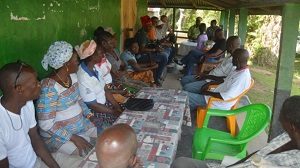
Duration: December 2017 - August 2021
Budget: US$373,308
Implementing Agencies: UNIDO and the London School of Economics
Agenda 2030 calls for people-centred, integrated, and contextually relevant frameworks that leave no one behind. The programme through a series of global trainings and regional symposiums will build the capacity of UN staff, Government representatives, regional organizations and civil society groups on the application of the human security approach and its contribution to the achievement of the Sustainable Development Goals (SDGs).MORE -

Duration: November 2017 - December 2021
Budget: US$6,455,232
Implementing Agencies: UNDP (lead), UNEP, PAHO/WHO, FAO
Jamaica is a small island state with a population of approximately 2.9 million facing interconnected challenges to its sustainable development. The impacts of climate change are particularly significant, affecting the country’s key economic sectors such as tourism, agriculture, fisheries and forestry and jeopardizing people’s livelihoods, economic growth and health.MORE -
Duration: September 2017 - June 2020
Budget: US$6,000,000
Implementing Agencies: IOM (lead), UN Habitat, UNOPS
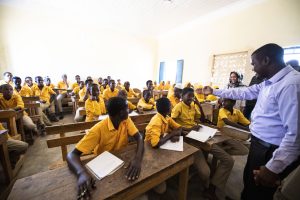
For centuries, the Somali way of life has been shaped, altered and defined by mobility amongst different population groups, with over 70% engaged in seminomadic pastoralism. While there has been progress towards recovery and stability since the formation of a new government in 2012, human insecurities from economic to food, health, environmental, political, personal, and community remain entrenched and compounded by structural factors related to governance, inequality, marginalization and exclusion. MORE -

Duration: March 2017 - February 2019
Budget: US$4,312,896
Implementing Agencies: UNDP (lead), IOM, FAO, UN WOMEN, UNFPA, UNICEF
Plagued by decades of instability and fighting, the Central African Republic (CAR) witnessed a resumption of violence in December 2012 when the mainly Muslim Séléka rebel coalition launched a series of attacks. In March 2013, they seized the capital, Bangui, forcing President François Bozizé to flee. A transitional government was established and entrusted with restoring peace. The conflict however took on increasingly sectarian overtones by December as the mainly Christian anti-Balaka movement took up arms and inter-communal clashes erupted again in and around Bangui.MORE -

Duration: December 2016 - December 2019
Budget: US$5,350,814
Implementing Agencies: UNDP (lead), UNICEF, FAO
Through an integrated human security approach, the programme strengthened collaboration between a broad range of stakeholders to build the resilience of communities, de-escalate the crisis in the Far North, and stem the spread of violent extremism in the region. Through initiatives that helped mitigate farmer-pastoralist conflicts, provided alternatives to youth vulnerable to recruitment by extremist groups, and improved municipal capacities to deliver social services and manage disaster risk, the programme responded to the root causes of economic, environmental, health, community and personal insecurity in the region, with a focus on the most vulnerable women, youth and displaced populations.MORE -
Duration: December 2016 - September 2023
Budget: US$7,112,258
Implementing Agencies: UN-Habitat (lead), UNICEF, UN Women
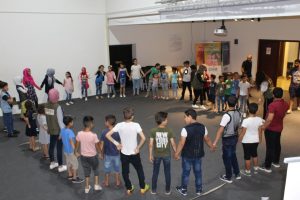
Hosting over 1.5 million displaced persons from Syria, Lebanon today has the highest number of refugees per capita in the world. Tripoli, a coastal city close to the Syrian border, has seen the largest influx of Syrians into Lebanon.MORE -
Duration: November 2016 - April 2018
Budget: US$260,454
Implementing Agencies: UNSSC
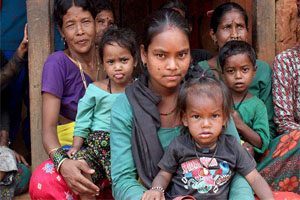
Agenda 2030 calls for people-centred, integrated, and contextually relevant frameworks that leave no one behind. The programme through a series of global trainings and regional symposiums will build the capacity of UN staff, Government representatives, regional organizations and civil society groups on the application of the human security approach and its contribution to the achievement of the Sustainable Development Goals (SDGs).MORE -

Duration: September 2016 - December 2019
Budget: US$1,904,274
Implementing Agencies: UNISDR(Lead), UNDP
The programme helps to develop the capacities of local governments and institutions to mitigate disaster-related insecurities in 10 urban communities living in vulnerable conditions in Mauritania and Tunisia.MORE -
Duration: June 2016 - December 2016
Budget: US$300,000
Implementing Agencies: OCHA
Through the deployment of two Special Envoys, the programme raised awareness on the impact of El Niño and climate change and led to the development and publication of the Blueprint for Action, which adopts the human security approach and its people-centred, comprehensive, context-specific and prevention-oriented principles.MORE -
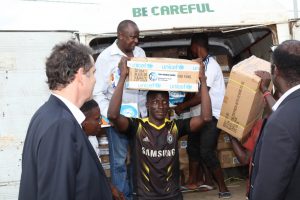
Duration: May 2016 - August 2017
Budget: US$811,005
Implementing Agencies: Office of the Special Adviser on the 2030 Agenda for Sustainable Development and Climate Change
The Ebola outbreak and the response by governments and international organizations revealed shortcomings in the manner in which national and international systems were configured to respond to health emergencies. In April 2015, the Secretary-General commissioned the High-level Panel on the Global Response to Health Crises (“Panel”) to undertake a wide range of consultations and to make recommendations to strengthen national and international systems to prevent and manage future health crises taking into account lessons learned from the response to the outbreak of Ebola virus in West Africa.MORE -
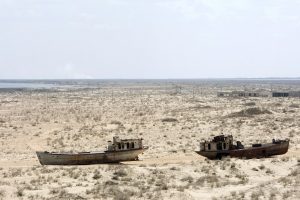
Duration: May 2016 - December 2019
Budget: US$4,710,075
Implementing Agencies: UNDP(lead), UNESCO, UNFPA, UNV
As a result of the Aral Sea environmental disaster, the population of Karakalpakstan, in the north-western region of Uzbekistan, is faced with income poverty, growing salinization of land and water resources, lack of food security, exposure to dust storms, poor quality of drinking water, and declining health.MORE -
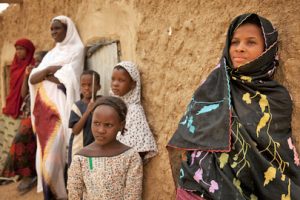
Duration: April 2016 - March 2019
Budget: US$5,114,750
Implementing Agencies: UNDP (lead), UNFPA, FAO, UNICEF, WHO, ILO
Between January 2012 and June 2013, northern regions of Mali endured months of conflict. Vulnerable communities in Timbuctoo, Gao and Kidal bore the brunt of violent clashes between armed groups and Government troops as people were forced to flee their homes and young people feared recruitment by rebel groups. As a direct consequence of the conflict, the local economy has stagnated, livelihood opportunities are limited, and households struggle to purchase the food they need as prices continue to rise.MORE -
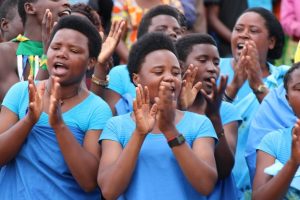
Duration: February 2016 - September 2018
Budget: US$US$ 5,017,141
Implementing Agencies: UNDP (lead), UNFPA, WHO, UN-Habitat, UNICEF, IOM
Rwanda has had to cope with a wide range of insecurities in the past decades. Nowadays, it is mostly threatened by a range of natural hazards including floods, landslides, droughts and earthquakes. Small landholding farmers are particularly vulnerable to environmental degradation reducing agricultural productivity and undermining food and nutritional security. The Ngororero district where the majority are subsistence farmers, is the second poorest in Rwanda and 79% of its total area is susceptible to landslides.MORE -
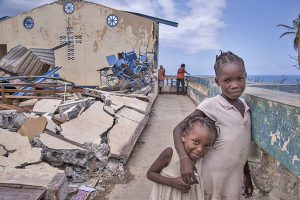
Duration: January 2016 - September 2019
Budget: US$4,112, 227
Implementing Agencies: UNDP(Lead), UNESCO, UN Women
In Haiti, high exposure to recurring natural hazards results from a combination of social, economic, and environmental factors such as persistent poverty, weak human capital development, and depletion of resources. Women are amongst the most disaster-affected part of the population because of the multidimensional impacts on their economic and personal security. Moreover, the young, elderly, and disabled are also exposed to increased vulnerabilities related to natural hazards.MORE -
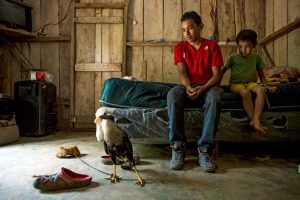
Duration: December 2015 - December 2018
Budget: US$538,026
Implementing Agencies: PAHO/WHO
The programme aims to mainstream the human security approach in the national health plans of Central America countries (Belize, Costa Rica, El Salvador, Guatemala, Honduras, Nicaragua, and Panama) and the Dominican Republic to build the path toward universal access to health and Universal Health Coverage (UHC).MORE -
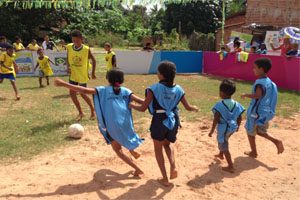
Duration: October 2014 - June 2017
Budget: US$2,354,200
Implementing Agencies: UNDP (lead), WFP, PAHO
The Chaco region in Paraguay faces severe challenges, including low levels of development exacerbated by insufficient rainfall and recurrent flooding. With the region being one of the driest areas in Latin America, its population faces a significant water deficit worsened by adverse climate effects. This has resulted in a decreased capacity for the population to adopt resilience-building strategies in response to these climate change-related risks. Beyond climatic factors, the region grapples with the intersection of old and new insecurities, including the impact of global economic shifts on land use and acquisition.MORE -
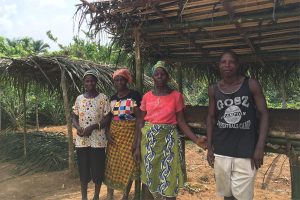
Duration: September 2014 - October 2017
Budget: US$6,246,593
Implementing Agencies: FAO (lead), UNICEF, UNFPA, ILO, WFP, UN Women
While Liberia has benefited from improved peace and security since the end of its 14 year civil war in 2003, a fragile protective environment continues to generate vulnerabilities among the population. Meanwhile, political events in neighboring Côte d’Ivoire in 2010 caused a large influx of Ivorian refugees as well as Liberian returnees into the country’s southeast region thus placing additional stress on historically marginalized border communities.MORE -
-

Duration: March 2014 - December 2017
Budget: US$4,870,751
Implementing Agencies: UNODC (lead), UNDP, UNFPA, UNLIREC, PAHO
The programme was the first in Trujillo to advance an integrated, multi-stakeholder approach to address the multitude of insecurities faced by vulnerable and at-risk communities. With an emphasis on prevention, the programme combined policy measures with community-based initiatives to significantly improve the daily lives of those living in fear of armed robbery, extortion, human trafficking, sexual violence, drug trafficking, and gang-related violence. The success of the programme produced transferrable practices that were replicated within and beyond the country under the leadership of the government.MORE -

Duration: January 2014 - December 2015
Budget: US$3,082,750
Implementing Agencies: UNDP, UNICEF, UNFPA
Despite its abundant natural resources, Chad remains one of the poorest countries in the world. Thirty years of constant violence and conflict have resulted in massive internal displacement that has spurred tensions between host communities and internally displaced persons (IDPs).MORE -
Duration: November 2013 - October 2015
Budget: US$4,220,065
Implementing Agencies: UNDP, FAO, UNICEF
Between 1998 and 2006 violence among armed groups in Northern Katanga in the Democratic Republic of the Congo triggered the displacement of some 180,000 persons across the province and into neighbouring Zambia and Tanzania. In late 2013, a further humanitarian emergency erupted in the region as rebel groups destroyed 600 homes and displaced an additional 400,000 people.MORE -

Duration: October 2013 - March 2017
Budget: US$3,374,413
Implementing Agencies: UNDP(lead), UNICEF, UNHCR, UNFPA, UNESCO, WFP
In recent years, security along Ecuador’s border with Colombia has become increasingly complex. While Colombia has made significant progress in reducing conflict, some illegal armed groups and criminal networks have shifted their activities to border regions, occasionally crossing into Ecuador. As a result, the northern provinces of Esmeraldas and Sucumbíos have experienced higher levels of crime and armed violence. Issues such as youth recruitment into illegal groups, human trafficking, and the illicit trade of drugs and weapons have intensified, further straining communities already facing economic and social challenges. For many years, northern Ecuador has grappled with poverty, unemployment, food insecurity, and limited access to essential services such as health care and education. Additionally, land use disputes between Indigenous and Afro-Ecuadorian communities have contributed to tensions in the region.MORE -
Duration: September 2013 - December 2016
Budget: US$2,563,001
Implementing Agencies: UNDP (lead), UNICEF, UNHCR, IOM
After four years of fierce fighting in Bosnia and Herzegovina, tens of thousands of lives were lost and approximately 2.2 million people were displaced from their homes. At the same time, essential infrastructure and social services were destroyed and cultural and religious monuments were ruined. While visible progress has been made towards rebuilding the country’s social, economic and political structures, seventeen years after the Dayton Peace Agreement, the country’s transition from conflict to sustainable peace remains incomplete and fragile.MORE -

Duration: July 2013 - December 2016
Budget: US$3,940,894
Implementing Agencies: UNDP (lead), UNICEF, WFP, UN Women, UNFPA
Once a thriving agricultural zone, the people of Tajikistan’s Rasht Valley face a number of insecurities that together impact their daily survival, livelihood and dignity. Among these, deterioration of the agricultural infrastructure following the political transition and conflict in the 1990s has led to a dramatic reduction in the region’s productivity and food security. In addition, prospects for economic revitalization and investment in infrastructure are often curtailed by persistent outbreaks of localized conflict and the impact of instability in neighbouring Afghanistan.MORE -
Duration: July 2013 - December 2015
Budget: US$2,463,955
Implementing Agencies: UNDP (lead), PAHO, FAO
For generations, the 2 million people living in Guatemala’s Dry Corridor have adapted to harsh conditions of water scarcity and seasonal food shortages. But in 2009, an extended drought pushed the region into an unprecedented food crisis, leaving nearly 400,000 people struggling to meet their basic nutritional needs. While emergency aid efforts helped stabilize the situation, the crisis laid bare deeper challenges—fragile ecosystems under pressure, multidimensional poverty, and unsustainable land use that fueled recurring cycles of food insecurity. Among the hardest hit were women and children, whose high rates of malnutrition posed serious long-term risks for health and development. Poor sanitation and inadequate housing further compounded these hardships.MORE -

Duration: June 2013 - May 2016
Budget: US$6,257,665
Implementing Agencies: UNIDO(lead), ILO, IOM, UN-HABITAT, UNWomen
In 2011, Egypt experienced an economic contraction due to diminished revenues from tourism, reduced direct investment and rising inflation. The rural inhabitants of Egypt’s Minya Governorate, who already faced high unemployment and a poverty rate twice the national average, were particularly hard hit.MORE -
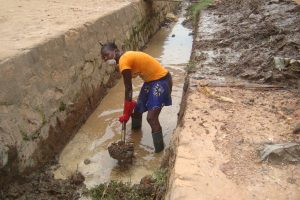
Duration: May 2013 - April 2015
Budget: US$321,000
Implementing Agencies: DESA/UNCRD
With the aim to achieve sustainable peace and development, the programme undertook human security assessments in target African countries (Kenya, Liberia, Rwanda and South Sudan) and conducted seminars and training courses to build the capacity of the participants.MORE -
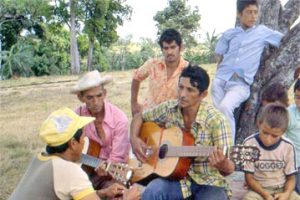
Duration: April 2013 - March 2016
Budget: US$3,567,180
Implementing Agencies: IOM, UNFPA, UNICEF, UNDP
The programme contributed to the development of an effective cross-border strategy for Ngöbe and Buglé indigenous groups from western Panama in search of seasonal employment in neighbouring Costa Rica. In partnership with local and national authorities, the programme strengthened the economic, food and health security of those most vulnerable in Panama, while simultaneously improving access to essential services and worker protections in Costa Rica and along the migratory route.MORE -

Duration: April 2013 - March 2016
Budget: US$3,624,968
Implementing Agencies: IOM(lead), UNFPA, UNICEF, UNDP
The Ngöbe and Buglé, two indigenous groups originating in western Panama, are among the most vulnerable people in Central America. Widespread and persistent poverty, driven by low agricultural productivity and scarce opportunities for economic development has taken its toll on these isolated groups.MORE -

Duration: February 2013 - January 2016
Budget: US$4,830,279
Implementing Agencies: FAO(lead), ILO, UN Women
Unprecedented and devastating floods battered Pakistan in 2010 and 2011, destroying infrastructure, homes and agricultural lands, affecting 20 million people, one fifth of the country. The disaster-prone Sindh Province, home to 34 million people, was particularly hard hit with 90% of the rural population engaged in agriculture and animal husbandry as their primary occupation. The floods had a disastrous impact on the already tenuous food and economic security situation of those most vulnerable.MORE -

Duration: January 2013 - September 2015
Budget: US$3,121,707
Implementing Agencies: IOM (lead), UNFPA, UNHCR, UNDP, UNODC
Over the past 15 years, states in the southern border of Mexico have become an important transit destination for thousands of irregular migrants. Most travel from Central America driven by persistent poverty, food insecurity, natural disasters and violence in their home countries. On their journey, these vulnerable migrants face extreme hardship and physical insecurity as they travel with limited access to basic shelter and essential social services. MORE