-
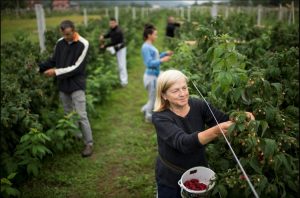
Duration: October 2012 - December 2015
Budget: US$2,737,060
Implementing Agencies: UNDP (lead), UNV, UNFPA, UNICEF, WHO
More than twenty years after the breakup of former Yugoslavia, Kosovo struggles to transition to greater peace, development and human rights. Today, Kosovans of all ethnicities endure some of the worst poverty in Europe. The combination of acute poverty and poor governance, coupled with inter-ethnic tensions, have resulted in a vicious cycle that limits the aspirations of all Kosovans to be free from want, fear and a life lived in dignity.MORE -
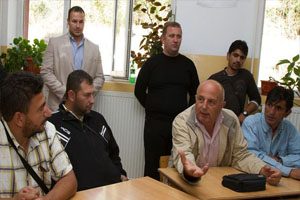
Duration: October 2012 - April 2015
Budget: US$2,859,659
Implementing Agencies: UNDP (lead), UNFPA, UNOPS, WHO
For over 20 years, the Sandžak region of south-west Serbia has received an influx of displaced groups from across the Balkans. Refugees, IDPs and Roma communities live in temporary housing or illegal settlements, with little more than rudimentary shelter and inadequate access to water, electricity and land to grow food.MORE -
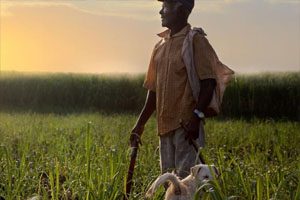
Duration: October 2012 - December 2015
Budget: US$2,569,600
Implementing Agencies: UNHCR (lead), UNDP, UNICEF
Geographically and socially isolated, bateyes lack basic healthcare, adequate water and sanitation, and access to education, while employment and income generation opportunities have grown increasingly scarce. Moreover, many residents in the bateyes, including an overwhelming 85% of adolescents, lack civil status documentation including birth certificates (either Dominican or Haitian) and are therefore unable to access education, vocational training, employment opportunities or healthcare offered outside of the bateyes.MORE -
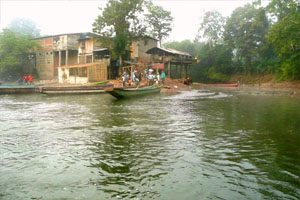
Duration: August 2012 - July 2015
Budget: US$3,596,448
Implementing Agencies: UNFPA (lead), UNDP, FAO, UNICEF, IOM
The ethnically diverse Alto Wangki Bocay region, located along the border with Honduras, is one of the most isolated and inaccessible regions in Nicaragua. It consists of 3 indigenous territories inside the Bosawas Biosphere Reserve, which is the largest tropical rain forest reserve north of the Amazon. The population is confronted with a range of human insecurities, with women and children being particularly vulnerable due to unequal gender relations, high levels of illiteracy, unplanned pregnancies, lack of control over economic resources and domestic violence.MORE -
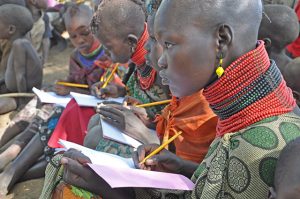
Duration: July 2012 - June 2015
Budget: US$6,328,828
Implementing Agencies: UNDP (lead), IOM, FAO, ILO, UNICEF, WHO, OCHA
Today, Central Turkana suffers from a ‘climate change-migration-conflict’ nexus. Cycles of severe and recurring drought have resulted in a significant drop in livestock production, increasing competition over scare resources, growing incidences of violent conflicts and lawlessness, high rates of malnutrition and regular outbreaks of communicable diseases due to lack access to adequate water, sanitation and hygiene.MORE -

Duration: March 2012 - March 2014
Budget: US$2,041,178
Implementing Agencies: WFP (lead), FAO, UNICEF
Bolivia is a disaster prone country affected by the ‘El Niño’ and ‘La Niña’ climate patterns as well as the consequences of climate change. In recent years, the population has been affected by consecutive climate change induced disasters, such as droughts and the impacts of natural hazards including severe floods and landslides. These events have caused injuries, resulted in displacement, and led to massive damage to housing, infrastructure, agriculture, drinking water and sanitation services.MORE -

Duration: March 2012 - March 2016
Budget: US$3,840,450
Implementing Agencies: UNDP (lead), UNESCO, UNFPA, UNV, WHO
Once the world’s fourth largest lake, the drying up of the Aral Sea is considered one of the world’s worst environmental disasters, causing a cascade of challenges for the already disadvantaged region of Karakalpakstan. Desertification and the increased salinity of water have degraded all arable land, thus worsening food and economic insecurity leading to malnutrition and a poverty rate of 44%. In addition, severe dust storms as a result of the dry seabed has worsened the respiratory health of the local population and added stress to an overburdened healthcare system. These multifaceted and interconnected outcomes have constrained economic opportunities, undermined resilience and threatened the future of the region.MORE -
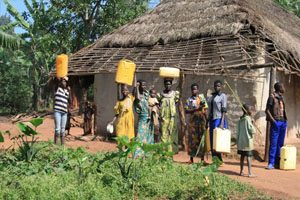
Duration: November 2011 - November 2014
Budget: US$4,032,188
Implementing Agencies: UNDP (lead), FAO, WHO, UNICEF, UNFPA
The Republic of Congo’s post-conflict context is characterized by a gradual consolidation of peace as well as an increase in economic reconstruction and rebuilding activities. Although the country has been recovering gradually since the 2003 peace agreement, many problems persist that constitute serious impediments to enhancing the level of human security and human development of the population.MORE -
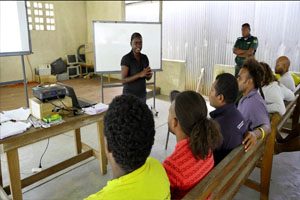
Duration: October 2011 - October 2015
Budget: US$2,268,297
Implementing Agencies: UNDP (lead), UNICEF, ILO
The outbreak of violent conflict in the Solomon Islands in 1999 resulted in massive destruction of key industries and infrastructure, the breakdown of law and order, and the displacement of more than 30,000 people out of a population of 523,000. Even with commitments from the Government to address reconciliation, many of the root causes of the conflict including poverty, disenfranchised youth, lack of basic social services, as well as a climate of distrust and division among communities remain unresolved.MORE -
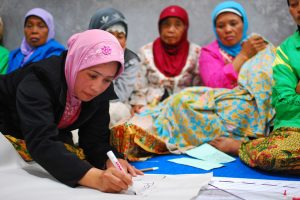
Duration: September 2011 - August 2013
Budget: US$2,357,798
Implementing Agencies: IOM (lead), UNFPA, WHO
Trafficking in persons is a critical global human security challenge, directly undermining people’s rights, livelihoods and dignity. Indonesia is a major source country for women, children and men who are subject to sex trafficking and forced labour, with estimates on the number of victims ranging from 100,000 to 1 million persons annually. Over the past decade the Government of Indonesia has demonstrated a clear commitment to address human trafficking.MORE -
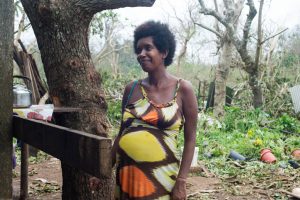
Duration: August 2011 - July 2014
Budget: US$3,003,023
Implementing Agencies: UNICEF (lead), UNDP, FAO
The unique geographic situation renders the Pacific Island Countries and Territories (PICTs) extremely vulnerable to the impacts of climate change and natural disasters. Nowhere is this more apparent than in Vanuatu, a small island developing state comprising of 80 low lying islands where climate change and natural disasters not only undermine people’s livelihood and dignity but also threaten the country’s existence.MORE -

Duration: May 2011 - April 2014
Budget: US$2,864,960
Implementing Agencies: UNICEF (lead), UN-Habitat, UNFPA, UNOCHA
Since 2009, the cumulative effect of frequent natural disasters, the global economic and food crises, and the extended political crisis has severely threatened the human security situation in Madagascar. At the same time, the relentless pace of urban migration has concentrated the country’s population in the capital, Antananarivo, where over 70 per cent of the population lives in informal settlements.MORE -

Duration: March 2011 - February 2013
Budget: US$1,820,436
Implementing Agencies: FAO (lead), UNICEF, UNDP, UNFPA, WFP, WHO
The adverse effects of climate change have been hindering Lesotho’s development progress in a number of key areas, including agriculture and food security, poverty reduction, water management, public health and disaster risk reduction. The inhospitable terrain, harsh climate and limited access to arable land puts intense pressure on the environment and makes the population highly vulnerable to climatic fluctuations.MORE -

Duration: October 2010 - March 2014
Budget: US$2,957,611
Implementing Agencies: UNDP (lead), UNICEF, ILO
Communities in the northern and eastern provinces of Sri Lanka have borne the brunt of an intractable conflict that ended recently and resulted in the death of family members, repeated displacement, the loss of productive income and assets, as well as interruptions in basic social services. Subsequently, reconciliation and the creation of social cohesion remain tenuous for these conflict-affected communities as people face extreme vulnerabilities due to lack of adequate protection against violence, discrimination, legal documentation, exploitation and child recruitment, in addition to the absence of social and economic opportunities.MORE -

Duration: July 2010 - June 2013
Budget: US$4,629,085
Implementing Agencies: FAO, UNESCO, UNRWA, UN Women
The overall goal of the programme is to empower and protect the livelihoods of vulnerable, rural, and refugee communities in the Jordan Valley. Specifically, the programme: (i) enhances and diversifies income-generating activities through water-efficient agricultural production, tourism, and creative industries; (ii) builds the capacities of farmers, women, and youth through vocational and technical support in good agricultural practices, agricultural machinery, food processing, and sustainable construction methods; and (iii) ensures adequate housing for vulnerable families and internally displaced persons using local resources and skills.MORE -
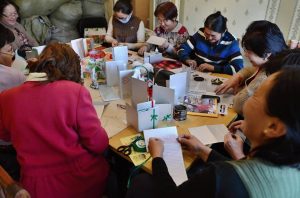
Duration: June 2010 - November 2012
Budget: US$2,779,483
Implementing Agencies: UNDP (lead), UNICEF, WHO, UNFPA
Mongolia struggles with severe climatic conditions where long and cold winters followed by dust storms in the spring result in vicious cycles of desertification, malnutrition and poverty. With less than one percent arable land, the country has been severely affected by climate change and its related consequences such as droughts, lack of access to clean water, and higher rates of morbidity and mortality.MORE -

Duration: June 2010 - October 2013
Budget: US$2,194,426
Implementing Agencies: OHCHR (lead), UNDP, FAO, WHO, UNICEF
In June 1999, tens of thousands of people crossed the border into Gabon fleeing violent conflict in the Republic of the Congo. Upon arrival in Gabon most refugees initially settled in rural areas within or adjacent to existing villages.MORE -

Duration: May 2010 - March 2013
Budget: US$4,108,280
Implementing Agencies: UNHCR (lead), WFP, FAO, UNDP
The northern Rakhine State is one of the poorest regions of Myanmar and home to Muslims and Buddhists from several ethnic groups. The lack of integration and communication among the ethnic groups in the region has fueled discrimination, exclusion and, in certain instances, large-scale out-migration of minority communities as a result of inter-community violence.MORE -

Duration: May 2010 - May 2013
Budget: US$2,670,613
Implementing Agencies: WHO/PAHO (lead) , OCHA, UNICEF, WFP, UNODC, UNIFEM, UNHCR, FAO
Colombia has enjoyed many years of economic growth and democratic stability. Nevertheless, a disaggregated view of the country’s development revealed pervasive disparities between regions and population groups. When formulating the programme, around 3 million people, displaced by nearly 50 years of conflict, faced significant daily hardships. Many settled in informal communities in the municipality of Soacha on the south-western edge of Bogota.MORE -
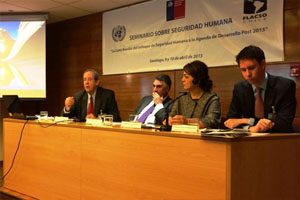
Duration: April 2010 - December 2012
Budget: US$517,121
Implementing Agencies: UNDP
The programme brought together security, human rights and human development policymakers and practitioners to discuss substantive and action-oriented agendas related to the advancement of human security. Taking into account the realities of Latin America and the Caribbean region, the programme validated the added value of the human security approach to the region.MORE -
Duration: April 2010 - December 2013
Budget: US$2,749,600
Implementing Agencies: UNDP (lead), UNFPA, UNICEF
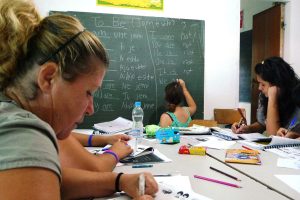
Albania has undergone a striking economic transformation over the past thirty years, transitioning from one of Europe's poorest nations to a middle-income country, accompanied by a substantial reduction in poverty. However, challenges persist for marginalized communities, particularly the Roma and Egyptian minorities. These populations face social exclusion and marginalization and limited livelihood opportunities, which creates further obstacles to economic security, educational attainment and social harmony within communities.MORE -
Duration: April 2010 - April 2013
Budget: US$2,826,692
Implementing Agencies: UNDP, UNFPA, UNICEF
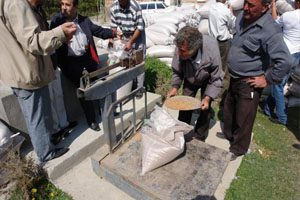
The objective of the programme was to enhance minimum living standards for people living in the Kasakh, Geghamasar, and Pambak communities through the development of an integrated community development plan that strengthened income-generating activities and improved access to basic social services.MORE -
Duration: March 2010 - August 2013
Budget: US$4,203,100
Implementing Agencies: UNDP (lead), UNICEF, WFP, FAO, ILO, UNFPA
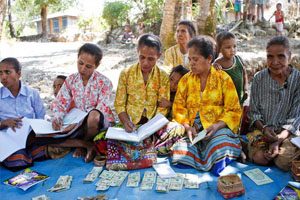
Decades of violent conflict and civil unrest had destroyed much of the country’s infrastructure and economy and led to the deaths of more than 100,000 people when Timor-Leste gained independence in 2002. While significant gains had been made towards consolidating peace and development during the first years of independence, the people of Timor-Leste still faced serious human security challengesMORE -
Duration: March 2010 - February 2013
Budget: US$2,563,395
Implementing Agencies: ILO, FAO
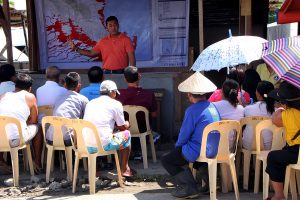
The programme utilized the human security approach to integrate several components including improvements in agriculture and fisheries; skills and entrepreneurship; institutional coordination and coherence; disaster risk management; and improved health care, especially for women and children. Together these interventions strengthened collaborative actions that were comprehensive, inclusive and sustainable, resulting in greater trust and confidence between local authorities and vulnerable poor communities in the Bondoc Peninsula.MORE -
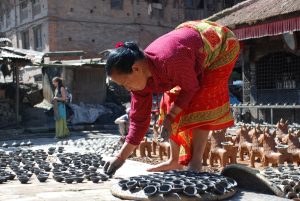
Duration: February 2010 - August 2012
Budget: US$1,163,204
Implementing Agencies: UNFPA, UNICEF, WHO
Between 1995 and 2005, internal conflicts in Nepal contributed to more than 13,000 deaths, undermined the provision of basic social services, and hampered the development of infrastructure, especially in rural areas. As the conflict intensified across the country, roads, schools, and health facilities were destroyed leading many to flee the violence, including teachers and healthcare providers.MORE -
Duration: November 2009 - January 2013
Budget: US$1,463,053
Implementing Agencies: UNDP (lead), UNICEF, UNFPA
The Chernobyl nuclear disaster and its aftermath affected myriad aspects of life for Belarusian citizens. The radioactive fallout disrupted agricultural production, leading to the closure of farms and enterprises in heavily contaminated areas, causing significant job loss and increased poverty levels in affected regions. Concerns around public health indicators in affected areas such as cancer incidence has increased the sense of insecurity among the population. This is compounded by a general lack of knowledge on how to life safely in conditions of low-dose radiation exposure, including how to navigate potential contamination of food which is particularly important in remote rural areas.MORE -

Duration: October 2009 - January 2014
Budget: US$4,633,477
Implementing Agencies: FAO, UNIDO, UNFPA, IOM, UNDP, UNESCO, UNHCR, WHO
By taking an integrated and coordinated approach across different sectors, the programme promoted greater equity and resilience, increased income generation opportunities, and improved the provision of social services in Mae Hong Son, the least developed and fragile province in Thailand.MORE -

Duration: July 2009 - November 2012
Budget: US$3,914,194
Implementing Agencies: UNDP, WFP, WHO
The programme supported the rapid and sustainable recovery of conflict-affected populations and their communities in the Lango sub-region in northern Uganda. The programme facilitated the resettlement and recovery of returnees through improvements in physical infrastructure, livelihoods, access to basic services, peacebuilding and conflict resolution.MORE -

Duration: June 2009 - May 2012
Budget: US$3,072,803
Implementing Agencies: UNESCO, UNICEF, WHO, UNDP
To address the interconnected challenges faced by vulnerable and isolated communities, and to ensure their inclusion in the country’s social, economic and political transition, the programme promoted a comprehensive rural development plan, while fostering dialogue between different ethnic and linguistic groups.MORE -

Duration: June 2009 - August 2013
Budget: US$3,052,834
Implementing Agencies: UNDP, UNICEF, WFP, FAO, UNIDO, UNU
To overcome threats to human security in northern Ghana, the programme aimed to develop the capacity of local institutions and civil society, strengthen agricultural practices and food security, and institutionalise mechanisms for conflict prevention and peace consolidation.MORE -

Duration: February 2009 - September 2013
Budget: US$4,215,054
Implementing Agencies: UNIDO (lead), ILO
Amidst severe economic challenges, Maluku, one of Indonesia's poorest provinces, grapples with heightened infant mortality rates, limited access to clean water and sanitation, and insufficient livelihood opportunities. Since 1999, ethnic conflicts have claimed numerous lives, displaced communities, and exacerbated poverty. The aftermath includes a fragile state of peace and a significant number of internally displaced people, who face housing challenges and limited financial resources. In addition, the lack of income-generating opportunities and weakened economic security constitute a breeding ground for conflicts at the community level.MORE -
Duration: January 2009 - September 2013
Budget: US$2,610,478
Implementing Agencies: UNDP, IAEA, WHO, UNICEF
The programme built the capacities of local communities to rebuild their economies through community-led decision-making and improvements in infrastructure, and by supporting local radiation awareness and risk reduction initiatives for those living in contaminated zones.MORE -
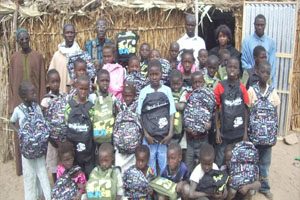
Duration: January 2009 - December 2012
Budget: US$2,589,763
Implementing Agencies: ILO, UNICEF
The programme raised the awareness of local authorities, officials, religious leaders and community members to the spread of child labour and strengthened their capacities in its prevention; provided education, health care and shelter to children; and improved the livelihoods of families at risk.MORE -
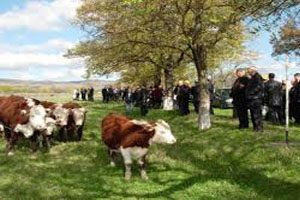
Duration: November 2008 - October 2011
Budget: US$3,710,224
Implementing Agencies: UNDP, UNHCR, FAO, ILO
The programme combined the expertise of the UN system and ensured a smooth transition from emergency relief to recovery and development. By strengthening the capacities of Government and non-Governmental entities, and by improving access to micro-credit and employment opportunities, the programme integrated displaced populations, refugees, and forced migrants within a framework that also enhanced the resilience of other low income groups within the area.MORE -
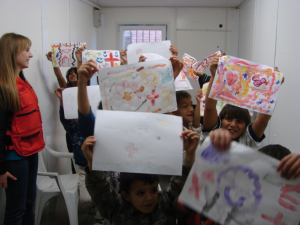
Duration: October 2008 - April 2011
Budget: US$3,038,958
Implementing Agencies: UNDP, UNICEF, UNFPA, WHO, OHCHR, UNV
The programme improved stability in Mitrovica and Zveçan through a multi-sectoral approach that underscored the protection and empowerment of local communities; strengthened institutions and enabled the planning and delivery of services to meet the needs of different neighbourhoods; and promoted greater exchange amongst communities.MORE -

Duration: October 2008 - June 2011
Budget: US$5,112,574
Implementing Agencies: UNDP, FAO, UNHCR, UNICEF
The programme was designed as an important vehicle for the consolidation of durable peace and recovery in post-conflict Ituri. Highlighting the multi-sectoral needs of the region, the programme focused on restoring livelihoods and productive assets within the participating communities.MORE -

Duration: October 2008 - December 2011
Budget: US$3,451,763
Implementing Agencies: UNDP, IOM, UNFPA
The programme focused on preventing human trafficking and domestic violence by addressing their root causes, and protected victims and those at risk by improving the capacity of Government agencies and civil society organisations to deliver legal, medical, psychosocial and housing services to those in need.MORE -

Duration: August 2008 - July 2012
Budget: US$3,228,984
Implementing Agencies: UNESCO, UNICEF, PAHO, UNFPA
The programme aimed to reduce violence and promote a culture of peace in Sao Paulo. Through a comprehensive set of interventions in the areas of education, health care and community participation, networks of participants designed action plans to address issues related to gender, race, ethnicity, youth and local development. As a result, integrated public policies based on the human security approach were developed, resulting in greater impact and improved relations between communities and the Government.MORE -

Duration: July 2008 - December 2010
Budget: US$1,095,600
Implementing Agencies: UNICEF, UNFPA, PAHO/WHO
Focusing on indigenous communities, the programme helped protect and empower adolescents living in the Beni and Cochabamba districts to the risks associated with sexual and domestic violence, early pregnancies, maternal mortality, and HIV/AIDS.MORE -
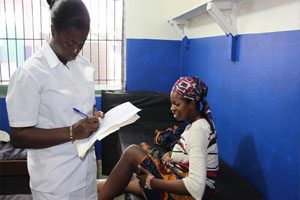
Duration: May 2008 - December 2009
Budget: US$3,416,867
Implementing Agencies: WHO, UNFPA
The programme reduced maternal morbidity and mortality by improving access to quality maternal healthcare services; promoting knowledge on reproductive health; and bolstering the capacity of local and national authorities to link community level care with formal healthcare services.MORE -
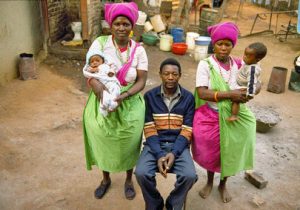
Duration: May 2008 - August 2012
Budget: US$1,499,850
Implementing Agencies: UNODC, OHCHR
The programme established One-Stop Centres to provide sustainable and integrated services to victims and offenders of sexual and gender based violence (SGBV). In 2008, South Africa had one of the highest rates of SGBV in the world. The programme successfully reduced the incidences of violence against women in Vryburg and Sunnyside.MORE -

Eliminating Child Marriage in Burkina Faso: A Plan for Protection, Empowerment, and Community Action
Duration: May 2008 - December 2010
Budget: US$1,645,312
Implementing Agencies: UNFPA, UNICEF
Through comprehensive community mobilisation initiatives coupled with the creation of scholarship programmes and extensive training networks, the programme successfully created an enabling environment for defending the rights of women and adolescent girls.MORE -
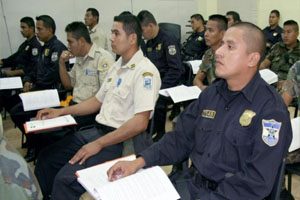
Duration: March 2008 - June 2011
Budget: US$2,399,820
Implementing Agencies: UNDP, UNICEF, WHO/PAHO
After a decade of conflict, the dividends of peace and development were slow to reach vulnerable and marginalized communities in the western Department of Sonsonate. Subsequently, an integrated and multi-stakeholder programme was developed to address the root causes of violence and to bolster economic opportunities; improve access to adequate housing, health and education; and to harness trust and partnerships between communities, the State, and civil society institutions.MORE -
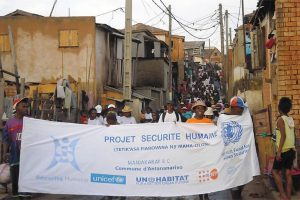
Duration: January 2008 - December 2012
Budget: US$308,571
Implementing Agencies: UNDP
The programme offered targeted support to four countries (Benin, Djibouti, Pakistan and Uruguay) interested in producing National Human Development Reports (NHDRs) from the human security perspective. The programme provided valuable avenues for the application of the human security approach and its contribution towards national development plans.MORE -
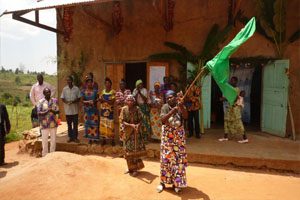
Duration: January 2008 - September 2010
Budget: US$1,244,560
Implementing Agencies: UNICEF, FAO
The programme improved child development and survival rates by addressing critical insecurities stemming from education, water, hygiene, sanitation and poverty related challenges through a comprehensive approach, focusing on community empowerment and capacity-building.MORE -

Duration: November 2007 - December 2010
Budget: US$2,235,839
Implementing Agencies: UNDP, UNFPA, UNICEF, WFP
To better address the needs of rural communities in Bhutan and to reduce the disparities between rural and urban areas of the country, the programme improved educational access and sanitation in rural areas; enhanced the knowledge and income generating skills of rural households; and extended micro-finance to those not previously reached through the establishment of Integrated Community Development Centres. The programme benefitted over 80,000 vulnerable people.MORE -

Duration: November 2007 - December 2012
Budget: US$1,779,298
Implementing Agencies: UNIDO
In collaboration with District Chambers of Commerce and the Ceylon National Chamber of Industry, the programme adopted a multi-sectoral, community-based approach that revitalized agricultural activities and increased food production through investments focused on small-scale farmers, including women and other vulnerable groups.MORE -

Duration: November 2007 - April 2010
Budget: US$1,026,538
Implementing Agencies: UNDP, FAO, UNICEF, UNIFEM
Taking place in the immediate post-recovery phase, the programme aimed to mitigate the socio-economic impact of the devastation caused by hurricanes Ivan and Emily. By providing assistance towards long-term reconstruction and recovery, the programme allowed individuals and communities to strengthen their resilience and improve their adaptation and coping mechanisms to future climate-related threats.MORE -

Duration: November 2007 - October 2011
Budget: US$2,073,200
Implementing Agencies: UNDP, FAO, IOM, WHO, UNICEF, ILO
The programme reduced tensions and improved the living conditions of host communities and refugees in the regions of Turkana and Garissa. Some 250,000 refugees benefitted from better relations with local communities, as well as improved access to basic services and enhanced communal conditions.MORE -
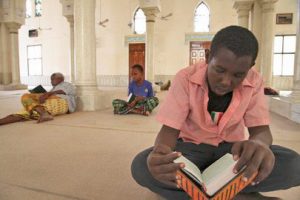
Duration: November 2007 - December 2010
Budget: US$4,150,752
Implementing Agencies: UNDP, UNHABITAT, UNHCR, FAO, UNICEF
The programme provided internally displaced persons with access to emergency food and health care through the provision of vaccinations, food and nutritional supplements, and improved access to potable water and sanitation services.MORE