-
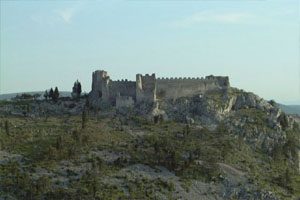
Duration: July 2007 - June 2010
Budget: US$2,349,579
Implementing Agencies: UNDP, UNESCO
Working closely with local authorities in the Mostar-Blagaj region, as well as the Stolac and greater Trebinje municipalities, the programme sought to promote community reconciliation in Southeastern Bosnia and Herzegovina through a multi-dimensional and community-based approach to poverty reduction.MORE -
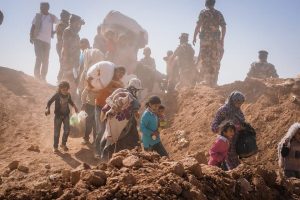
Duration: June 2007 - June 2010
Budget: US$220,350
Implementing Agencies: UNESCO
In close partnership with the League of Arab States, the programme deepened the understanding and acceptance of the human security approach among policymakers, academics and civil society actors in the region. As part of the programme, five academic papers were prepared by prominent Arab experts who discussed the threats, challenges and opportunities for human security in the region.MORE -
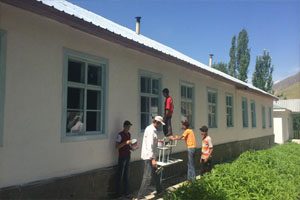
Duration: May 2007 - June 2010
Budget: US$1,095,038
Implementing Agencies: ILO, UNDP
The programme’s overall goal was to strengthen the human security situation in Tajikistan’s Rasht Valley, with particular emphasis placed on improving the socio-economic and personal security needs of people in transit and female-headed households without income opportunities.MORE -
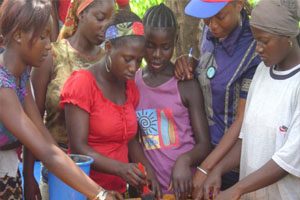
Duration: May 2007 - December 2008
Budget: US$1,095,039
Implementing Agencies: UNIDO, WHO, UNICEF, UNHCR, WFP
The civil conflicts of the 1990s in neighboring Sierra Leone and Liberia transformed Guinea into one of the largest refugee hosting countries in the world. With widespread poverty and food insecurity already overwhelming the economy, the influx of refugees placed significant strain on the limited resources of Guinea.MORE -
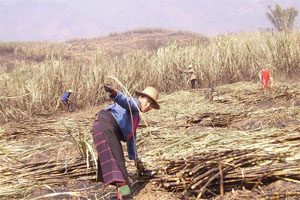
Duration: March 2007 - December 2009
Budget: US$948,200
Implementing Agencies: WFP, FAO, UNODC, UNFPA
The programme’s overriding goal was to protect ex-poppy farming households and poor vulnerable families from losing their livelihoods, improving their food security, and creating the conditions for renewed self-reliance and rehabilitation.MORE -
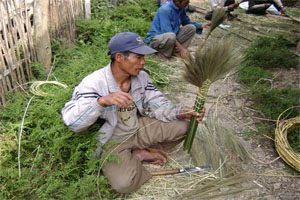
Duration: February 2007 - June 2011
Budget: US$2,412,550
Implementing Agencies: UNIDO, UNODC
To shore up the Government’s drug eradication efforts and to address the economic insecurity faced by rural farmers in the Oudomxay province, the programme contributed to the Government’s efforts to reduce personal and economic dependency on illicit drugs and supported farmers with alternative livelihoods.MORE -
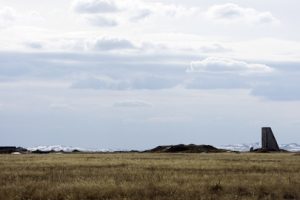
Duration: January 2007 - December 2009
Budget: US$1,978,698
Implementing Agencies: UNDP, UNICEF, UNFPA, UNV
The programme aimed to bolster the livelihoods of communities living in the former nuclear test site of Semipalatinsk through strategies and activities aimed at improving access to quality basic services and enhancing the capacity of local and national authorities to respond to the disaster.MORE -

Duration: January 2007 - September 2010
Budget: US$2,062,343
Implementing Agencies: UNICEF, PAHO, UNFPA
The programme developed the capacities of children, adolescents and women living in the provinces of Apurímac and Ayacucho to reach their full potential. Traumatized by violence and abject poverty, the programme provided a comprehensive approach beginning with improvements in maternal health and early childhood development, to the provision of good quality education and better living conditions without violence.MORE -
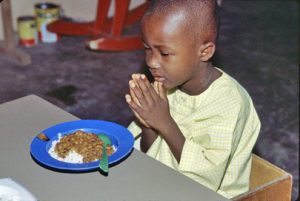
Duration: January 2007 - September 2011
Budget: US$1,745,782
Implementing Agencies: UNHCR, FAO, UNIDO
Through improvements in agricultural productivity and economic opportunities, the programme increased economic and food security for both refugees and their host communities. Greater cooperation between refugees and their host communities was also promoted through income generation activities.MORE -

Duration: December 2006 - December 2009
Budget: US$1,389,333
Implementing Agencies: UNICEF; FAO
The overall goal of the programme was to contribute to improving food security, as well as the management of natural resources and the environment through basic education. By strengthening collaboration between schools, parents, communities, and the Government, capacities to improve agriculture, nutrition, and sanitation were strengthened on a broader scale.MORE -

Duration: November 2006 - December 2009
Budget: US$1,236,598
Implementing Agencies: UNHCR, UNFPA
The overall goal of the programme was to support the integration of refugees from Tajikistan and Afghanistan into Turkmenistan. Beyond obtaining Turkmen citizenship, integration however required improving perceptions amongst host and refugee communities, as well as building the capacity of refugees to actively contribute to the economic and social life of their host communities.MORE -
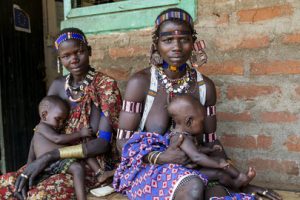
Duration: September 2006 - July 2010
Budget: US$1,298,374
Implementing Agencies: UNFPA
The programme sought to improve the health status of women by increasing the accessibility of obstetric care; enhancing the skills of existing midwives; and providing basic healthcare equipment for service providers in target communities.MORE -

Duration: September 2006 - July 2010
Budget: US$2,162,491
Implementing Agencies: UNDP, UNICEF, UNIFEM, UNESCO
The objective of the programme was to rehabilitate war-torn communities in a sustainable fashion, and promote peacebuilding and national reconciliation efforts through the provision of vocational training, as well as psychological and legal support to target communities.MORE -

Duration: August 2006 - February 2010
Budget: US$2,569,848
Implementing Agencies: UNDP, UNICEF, FAO, UNHCR, PAHO, UNFPA
The programme contributed to preventing and reducing the levels of violence in Comayagua, Choluteca and Juticalpa municipalities. Youth who represented the greatest number of both offenders and victims were particularly vulnerable to the growing rise in criminality and gang-related violence. The programme exemplified the added value of a participatory, context-specific and targeted human security approach to crime prevention.MORE -

Duration: August 2006 - January 2008
Budget: US$1,726,824
Implementing Agencies: UNMAS, UNOPS, UNICEF, UNDP
The programme brought together Government ministries, national mine action authorities, UN agencies, and landmine victims to develop the National Strategic Framework for Victim Assistance in order to comprehensively assess and respond to the multiple needs of previously unreached communities affected by landmines and explosive remnants of war (ERWs).MORE -
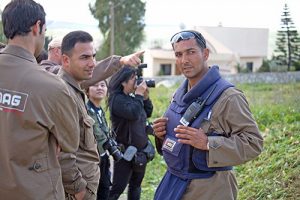
Duration: August 2006 - March 2009
Budget: US$2,966,590
Implementing Agencies: UNMAS/UNOPS, UNDP
By removing the threat of explosive remnants of war (ERWs) – landmines, cluster munitions and unexploded ordinances – the programme increased activities within and across communities, and supported the transition towards peace and reconstruction through training in economic and agricultural activities.MORE -
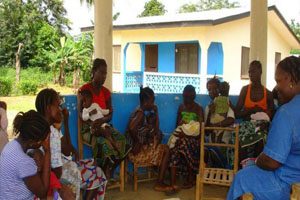
Duration: July 2006 - December 2009
Budget: US$3,965,571
Implementing Agencies: UNDP, FAO, WFP
The programme promoted the consolidation of peace by addressing the root causes of the conflict and by deepening community engagement in the process of reconciliation and recovery. As a result, initiatives were implemented to improve employment opportunities as well as enhance access to basic social services including education, healthcare, water and sanitation.MORE -

Duration: June 2006 - December 2008
Budget: US$988,235
Implementing Agencies: UNFPA
Confronted by multiple challenges including the political transition of the country, as well as a local weather phenomenon characterized by dry summers followed by snowy winters, the programme sought to enhance the overall situation of marginalised communities through a strengthened civil registration system that helped improve access to basic social services, housing, and training in small-business management.MORE -

Duration: June 2006 - March 2009
Budget: US$1,576,484
Implementing Agencies: FAO, WFP, UNICEF, PAHO, UNDP
The programme advanced a culture of prevention in remote areas prone to recurrent natural disasters. By promoting community-level response mechanisms and by using locally sourced materials, the programme fostered the engagement of local communities, benefited from their knowledge and commitment, and gained the support of local authorities towards disaster risk management.MORE -

Duration: June 2006 - January 2010
Budget: US$2,725,461
Implementing Agencies: UNICEF, WHO
Focusing on community-to-community transfer of local knowledge, the programme advanced community-based responses that strengthened the prevention, care and awareness of HIV/AIDS, as well as empowered mobile communities to come together to address other cross-cutting issues such as illiteracy, poverty, environmental degradation, and drug and alcohol abuse.MORE -

Duration: May 2006 - March 2009
Budget: US$977,874
Implementing Agencies: UNESCO, WHO
The programme improved the well-being of school children, their parents, and teachers by enhancing the capacities of a newly established psychosocial rehabilitation centre to deliver a comprehensive recovery programme.MORE -

Duration: May 2006 - April 2009
Budget: US$1,914,219
Implementing Agencies: UNICEF, WFP, UNHCR
The goal of the programme was to protect the human rights of the most vulnerable populations, namely Ecuadorian and Colombian children, adolescents, and their families living in Ecuador’s Northern Border region. As a result, existing legal frameworks and available protection and empowerment mechanisms were strengthened for refugees, unaccompanied children and host communities with little access to basic social services.MORE -

Duration: May 2006 - May 2010
Budget: US$1,760,000
Implementing Agencies: IAEA
To address the impact of tsetse and trypanosomosis (T&T) on livestock and agriculture in rural communities, the programme initiated the removal of the T&T from Western and South-western Ethiopia, expanded the practice of mixed farming, reduced overgrazing, and created an environment conducive for sustainable rural development.MORE -
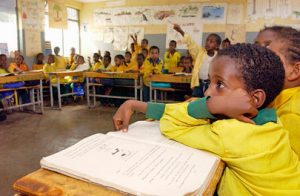
Duration: May 2006 - March 2008
Budget: US$1,440,703
Implementing Agencies: UNDP, UNICEF, IOM, UNHCR
Facing enormous strain on their limited resources, the programme helped to strengthen the capacities of people and communities in the Somali Regional State through improvements in the delivery of education, health and social services, as well as promotion of local solutions and community participation in development efforts.MORE -
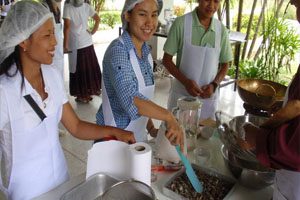
Duration: April 2006 - May 2009
Budget: US$1,977,116
Implementing Agencies: ILO
The programme contributed to the reduction of human trafficking for sexual and labour exploitation in Thailand and the Philippines by assisting, empowering and protecting returned victims through immediate and long-term socio-economic responses such as home visits; legal and psychosocial counseling; provision of health care and vocational training, as well as awareness raising on safe migration and how best to assist returnees in their reintegration.MORE -
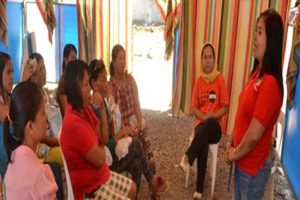
Duration: April 2006 - May 2009
Budget: US$1,977,116
Implementing Agencies: ILO
The programme contributed to the reduction of human trafficking for sexual and labour exploitation in Thailand and the Philippines by assisting, empowering and protecting returned victims through immediate and long-term socio-economic responses, such as, home visits, legal and psychosocial counseling, provision of health care and vocational training, as well as awareness raising on safe migration and how best to assist returnees in their reintegration.MORE -

Duration: March 2006 - June 2011
Budget: US$20,560,747
Implementing Agencies: UNDP
The programme contributed to the achievement of the MDGs in some of the poorest regions of sub-Saharan Africa. By supporting multi-sectoral interventions in agriculture, business development, education, health care, and nutrition, the programme highlighted the important contribution of the human security approach to the realization of the MDGs.MORE -
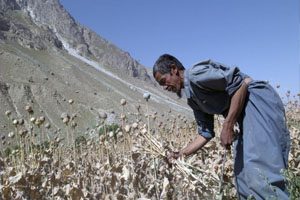
Duration: January 2006 - December 2007
Budget: US$2,725,390
Implementing Agencies: WFP
The programme contributed to the attainment of universal primary education by improving access to adequate, equitable and quality education. To this end, poor and vulnerable groups were employed in the physical improvement of classroom facilities, teachers’ housing, water quality, and sanitation facilities. This resulted in higher enrolment of students and retention of trained educators.MORE -

Duration: January 2006 - February 2008
Budget: US$3,085,790
Implementing Agencies: UNDP
The programme trained the African Union Mission in Sudan (AMIS) and the civilian population in a range of international and Sudanese norms and instruments with the aim to promote the human security of vulnerable civilian populations living in Darfur.MORE -

Duration: December 2005 - March 2010
Budget: US$1,436,987
Implementing Agencies: UNIDO
The goal of the programme was to contribute to peacebuilding efforts and to demobilise and reintegrate former combatants into civilian life. The programme also aimed to eradicate poverty in rural farming communities where a large number of ex-combatants had resettled.MORE -
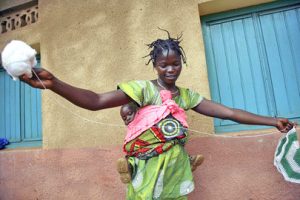
Duration: November 2005 - March 2008
Budget: US$1,047,629
Implementing Agencies: UNDP
The programme contributed to the consolidation of peace and stability by empowering ex-combatant youths in the war-affected regions of Pool, Bouenza, Lekoumou and Niari. The programme aimed to reintegrate ex-combatant youths as productive members of society, whilst addressing various post-conflict challenges in their host communities.MORE -
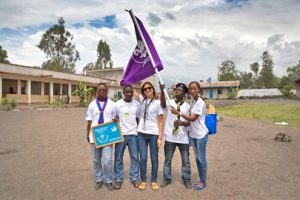
Duration: November 2005 - May 2007
Budget: US$1,063,823
Implementing Agencies: UNICEF
The programme improved children’s access to primary education in the provinces of Eastern Kasai, Western Kasai, and Katanga. Programme activities set out to increase the enrolment rate of girls in target primary schools and enhance the overall quality of primary education in the region.MORE -

Duration: October 2005 - September 2010
Budget: US$1,289,750
Implementing Agencies: WHO
The programme’s overall objective was to increase access to formal healthcare services for vulnerable populations, as well as to promote alternative health financing arrangements for those most vulnerable.MORE -
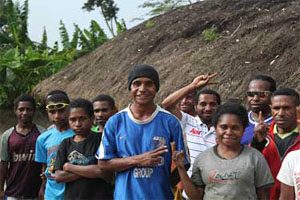
Duration: September 2005 - December 2008
Budget: US$1,581,142
Implementing Agencies: ILO
Despite abundant resources, the indigenous Papuan peoples were excluded from economic opportunities in the provinces of Papua and West Papua, resulting in inter-communal conflicts. Focusing on a community-driven approach, the programme engaged indigenous communities in alternative income-generating activities, strengthened their capacity to become self-reliant, and reduced tensions among communities.MORE -
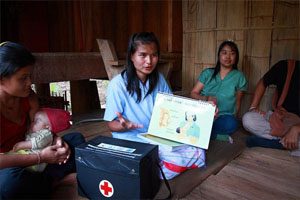
Duration: September 2005 - September 2009
Budget: US$1,524,312
Implementing Agencies: WHO
The programme sought to enhance the capacities of both host communities and local authorities to deliver improved healthcare services to sick migrants who had arrived through irregular migratory channels and often refrained from seeking medical care due to fear of deportation, financial constraints, or language barriers.MORE -
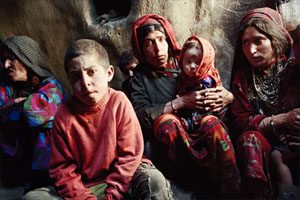
Duration: August 2005 - April 2007
Budget: US$3,660,414
Implementing Agencies: UN-HABITAT
The programme focused on improving land management, infrastructure, housing, governance and service delivery through a multisectoral approach that included the establishment of community institutions. Participating urban communities benefitted from improved living conditions and greater employment opportunities.MORE -
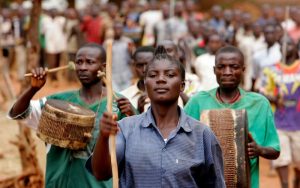
Duration: August 2005 - December 2008
Budget: US$4150791.47
Implementing Agencies: UNDP, FAO, UNICEF, UNIDO, WFP
The programme was a multi-sectoral, coordinated response aimed at stabilizing fragile communities in north-western Tanzania by simultaneously addressing the security, health, economic and environmental challenges faced by refugee and host communities.MORE -

Duration: August 2005 - July 2008
Budget: US$514,019
Implementing Agencies: UNDP
The programme sought to address the water crisis in Kohat District through community involvement in the management and conservation of water. The programme engaged with local communities in order to develop sustainable water conservation systems, improve irrigation schemes, and rehabilitate dry-land ecosystems to minimize drought-induced insecurities.MORE -
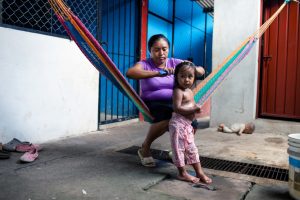
Duration: July 2005 - December 2007
Budget: US$1,541,925
Implementing Agencies: UNIFEM
To prevent sexual exploitation of vulnerable women and at-risk youth in the border communities of El Salvador, Guatemala and Honduras, the programme focused on their economic and social empowerment, bolstered their protection from sexual abuse and violence, and improved their access to quality health care.MORE -
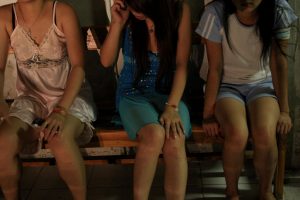
Duration: July 2005 - December 2007
Budget: US$250,800
Implementing Agencies: UNODC
To reduce the incidences of human trafficking, the programme addressed the root causes and ensured that gaps in the return and reintegration of victims and those at risk were addressed through a comprehensive package, combining efforts to restore psychosocial rehabilitation of victims with vocational training and access to justice for better reintegration of those most vulnerable.MORE -
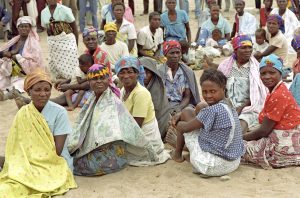
Duration: July 2005 - June 2006
Budget: US$1,138,601
Implementing Agencies: WFP, UNICEF, FAO
The programme implemented a “Food for Education” initiative that provided food to adolescents. This resulted in increasing primary school enrolment, stabilising attendance, and reducing the dropout rate. The programme also required that all students attend HIV/AIDS awareness sessions.MORE -
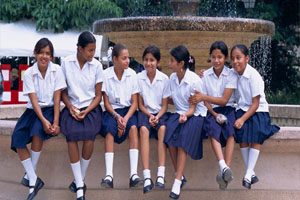
Duration: June 2005 - May 2006
Budget: US$491,370
Implementing Agencies: UNDP
As a follow-up to the regional meeting entitled “Transition and Human Security in Central Asia”, the programme supported the preparation of a report on the importance of regional cooperation for addressing common challenges such as rising poverty, lack of foreign investment, impediments to cross-border trade, and environmental degradation.MORE -
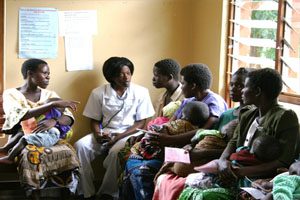
Duration: June 2005 - June 2008
Budget: US$1,193,183
Implementing Agencies: UNIDO
The programme increased agricultural productivity and diversified livelihoods in impoverished rural communities within Salima District in Malawi. The programme strengthened the capacities of vulnerable farming households to engage in income-generating activities, and improved the skills of local artisans.MORE -
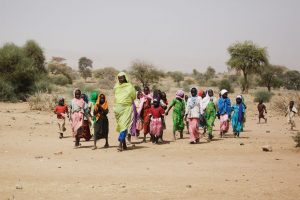
Duration: May 2005 - April 2007
Budget: US$115,266
Implementing Agencies: DPA
The programme contributed to discussions related to the 2005 UN summit on the Millennium Development Goals and the Report of the High Level Panel on Threats, Challenges and Changes. Specifically, the programme examined various approaches to the promotion of human security and presented practical experiences to generate human security initiatives by Governments.MORE -
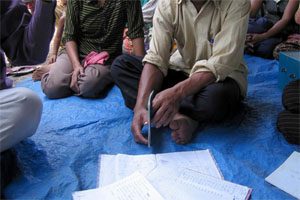
Duration: May 2005 - March 2010
Budget: US$1,176,001
Implementing Agencies: UNODC
As Cambodia was becoming an increasingly important transit country for drug trafficking in South East Asia, the programme’s overall goal was to reduce the rapidly increasing trend of substance abuse in five highly affected provinces. Based on a comprehensive vulnerability mapping of drug abuse and unsafe sexual practices, the programmes supported a targeted approach by building the capacities of local authorities, village focal entities, local healthcare centres, the police, and community members.MORE -
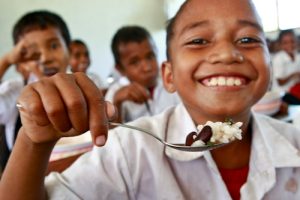
Duration: May 2005 - July 2008
Budget: US$1,614,630
Implementing Agencies: DESA
With the aim to increase productivity and contribute to greater economic and food security in rural communities in Timor-Leste, the programme improved technical and entrepreneurial skills in agriculture, livestock, fishing and eco-tourism, and strengthened community-based management of water and energy resources.MORE -
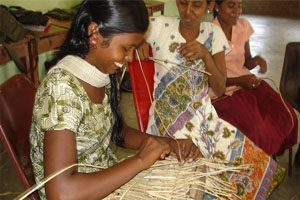
Duration: April 2005 - July 2006
Budget: US$1,241,900
Implementing Agencies: UN-HABITAT
Employing a community-based bottom-up approach, the programme assisted vulnerable persons residing in neglected urban neighbourhoods in north-eastern Sri Lanka. Through vocational and other skills training workshops, community members engaged with local authorities to improve the overall welfare of their neighbourhoods.MORE -
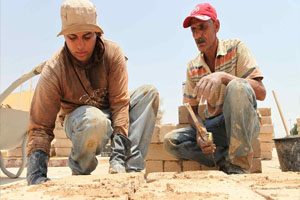
Duration: April 2005 - October 2007
Budget: US$5,276,745
Implementing Agencies: UNESCO, UNDP, UNIFEM, WHO, UNICEF, UNRWA, UNFPA
Executed by seven UN agencies, the programme supported the Palestinian authorities in meeting the growing demand for assistance amongst populations exposed to conflict-related psychosocial trauma in the West Bank and the Gaza Strip. The programme was of particular importance to the challenges faced by youth and women.MORE -

Duration: April 2005 - March 2008
Budget: US$1,017,500
Implementing Agencies: WFP
The programme’s overall goal was to pilot the “Food for Work” initiative at the community level, with the aim to empower women and provide them with meaningful employment to contribute to contribute to the human development and poverty alleviation of their communities.MORE -

Duration: February 2005 - December 2007
Budget: US$1,031,009
Implementing Agencies: UNDP
Responding to the interconnectivity between HIV/AIDS vulnerability and population mobility, the programme sought to reduce the social stigma attached to those infected, and build sustainable community resilience to HIV/AIDS in source communities in northern Thailand.MORE