
2018
10 July 2018
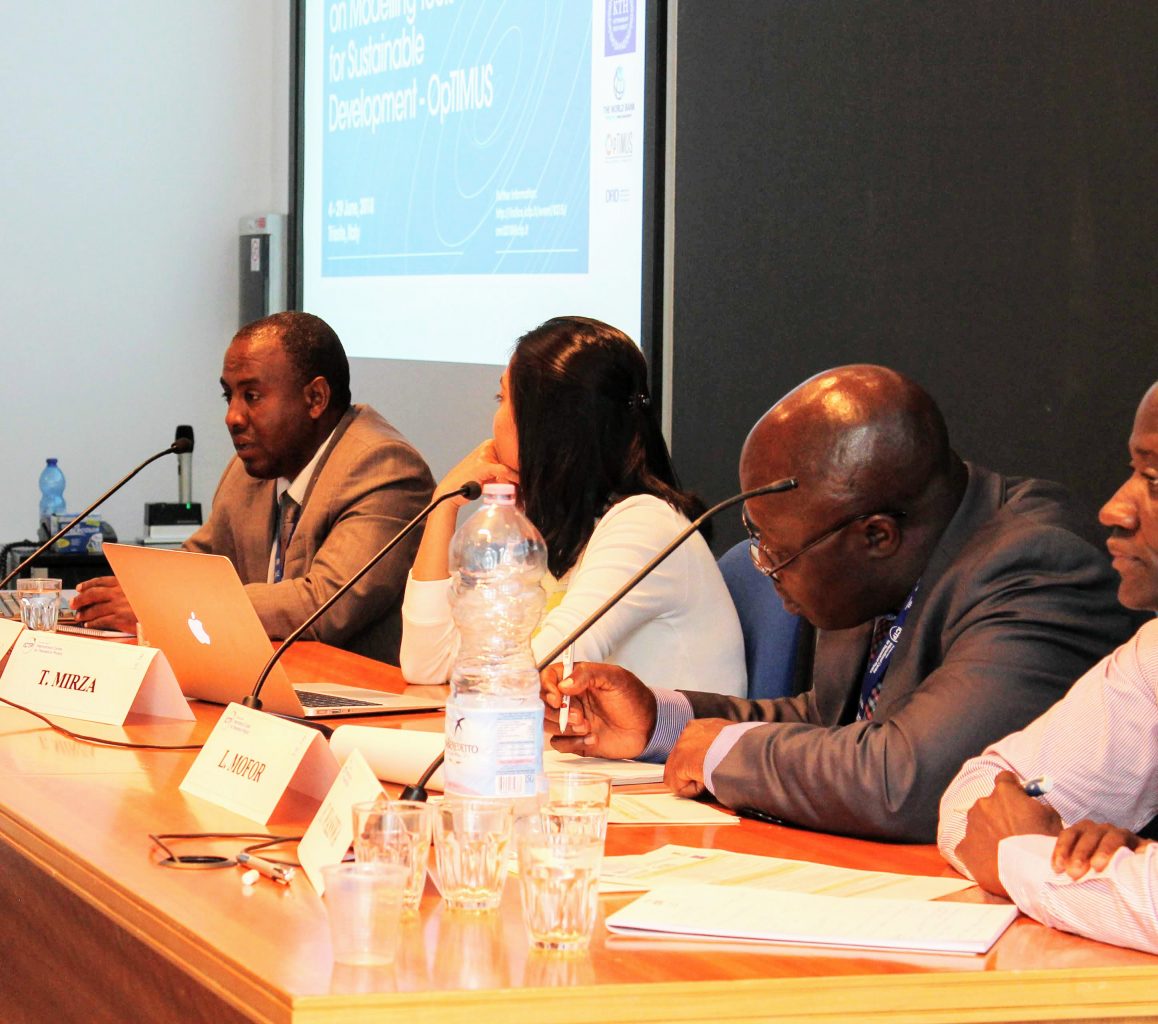
The Economic Analysis and Policy Division of UN DESA collaborated with the United Nations Development Programme, UN Regional Commissions, international organizations, as well as universities and research institutions, to develop modelling methodologies ...
5 July 2018
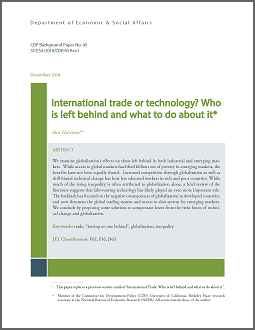
The paper examines globalization’s effects on those left behind in both industrial and emerging markets.


5 July 2018
With a potential global trade war in the horizon, Global Economic Monitoring Branch Chief Dawn Holland and Economic Affairs Officer Helena Afonso consider the potential impact of two strands of the trade policy debate on the United States labour market in “Trade Policy and the United States Labour Market”.
3 July 2018
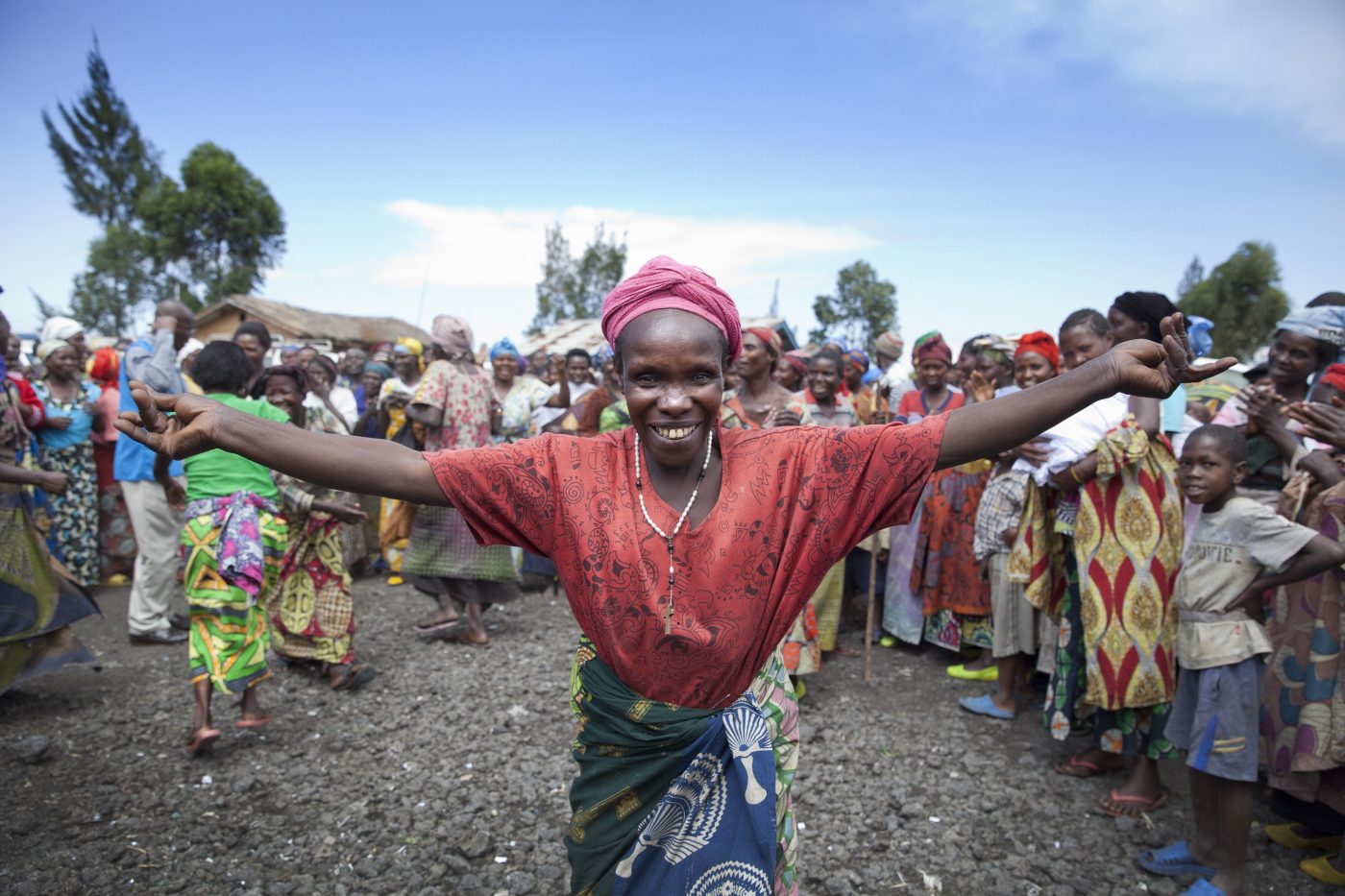
The CDP Secretariat participated at the Consultative Meeting on Accelerating Progress Toward Graduation from the LDC Category” organized by UN-OHRLLS from 28 to 29 June, delivering a presentation on the “Progress towards graduation”. More information: ...
1 July 2018
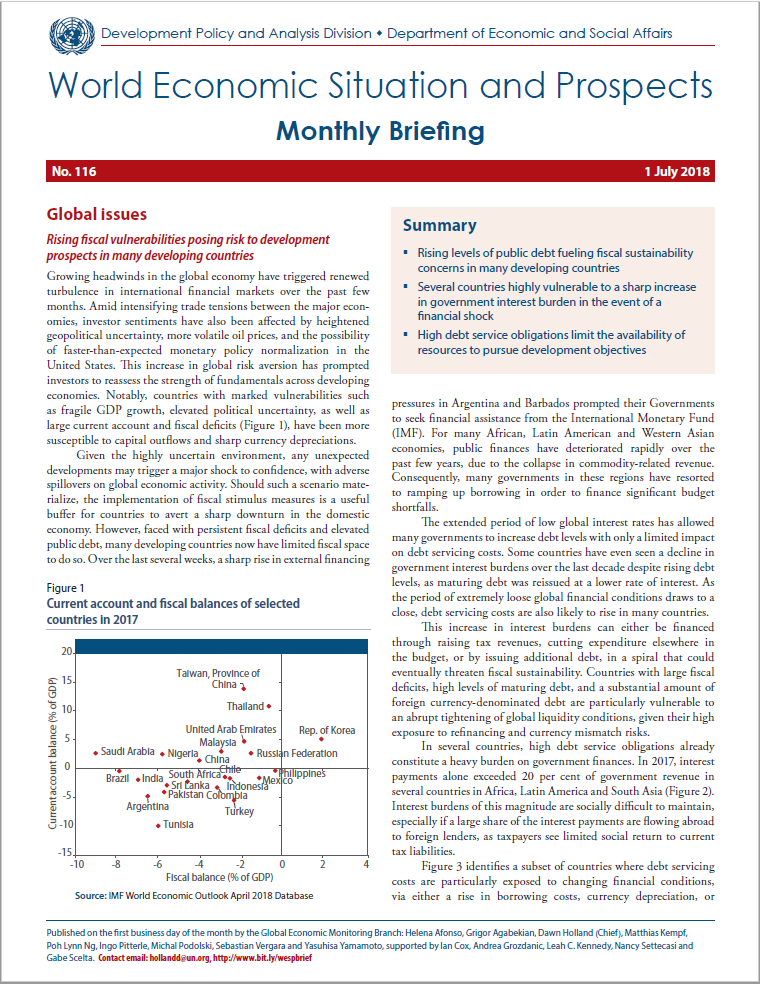
Rising levels of public debt fueling fiscal sustainability concerns in many developing countries Several countries highly vulnerable to a sharp increase in government interest burden in the event of a financial shock High debt service obligations limit the availability of resources to pursue development objectives

27 June 2018
The CDP Secretariat made a presentation on ‘The Needs and Priorities of LDCs in Economic Transformation’ at the 10th Plenary Meeting of the ‘OECD Initiative for Policy Dialogue in Global Value Chains, Production Transformation and Development’ taking p ...

12 June 2018
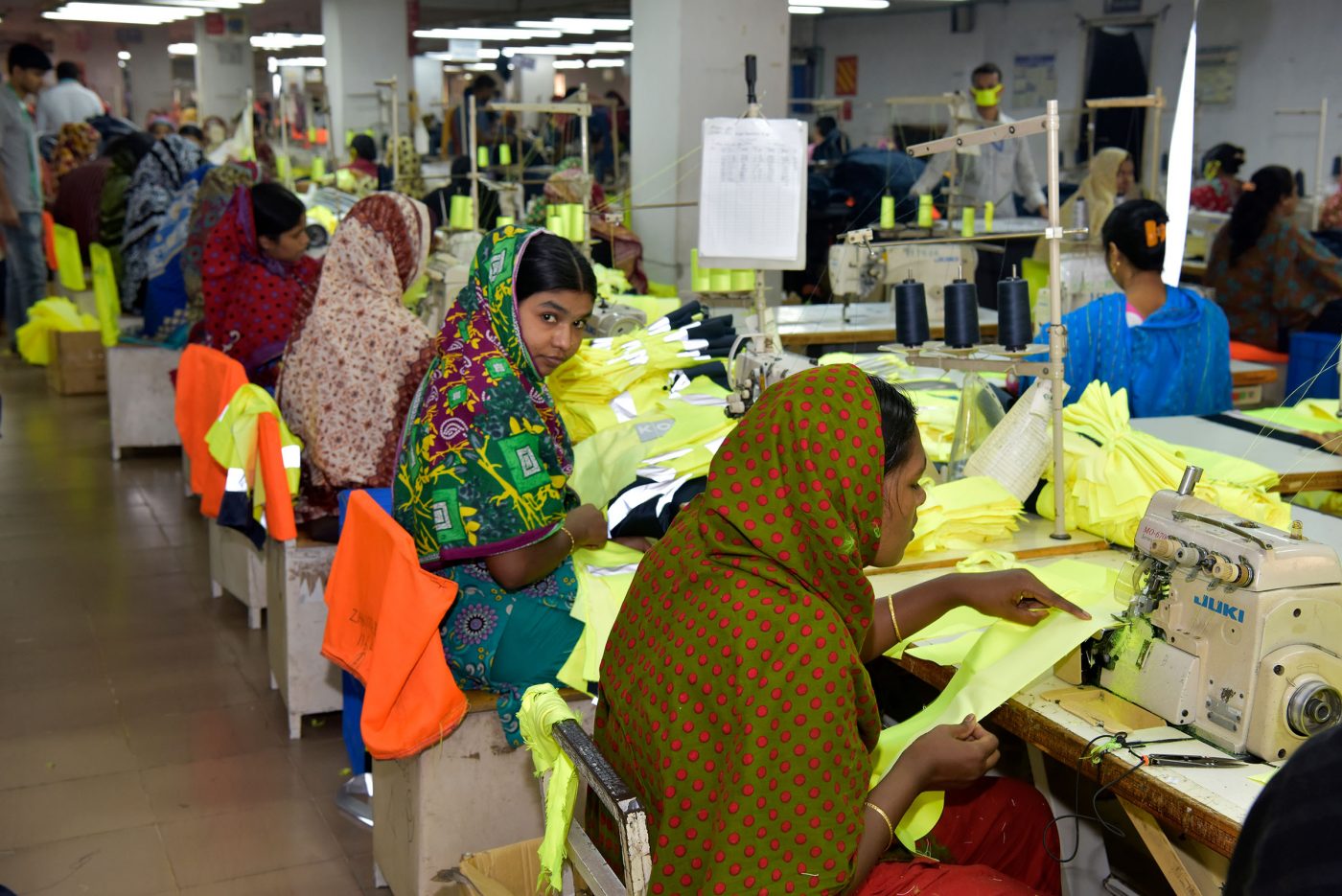
For some least developed countries (LDCs) like Bangladesh and Nepal, moving onto a path of long-term prosperity requires structural transformation that expands production via manufacturing, services and higher-productivity agriculture. The UN Committee for Development Policy (CDP), using a series of case studies, identified some possible lessons from building productive capacity in countries that are about to graduate or have recently graduated from the LDC category.


8 June 2018
This paper provides an overview of the conceptual and empirical issues involved in the overarching goal of “leaving no one behind”.


5 June 2018
This paper discusses examples of people not only being left behind but rather being pushed behind in all parts of the world.
Follow Us