-
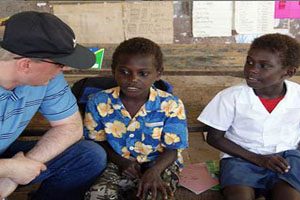
Duration: November 2002 - October 2003
Budget: US$309,000
Implementing Agencies: UNDP
The outbreak of violent conflict in Solomon Islands resulted in massive destruction of schools, thus leading to growing obstacles to deliver adequate education to children and youth. The programme subsequently supported efforts towards improving the learning environment for children and adolescents in several conflict-affected provinces.MORE -
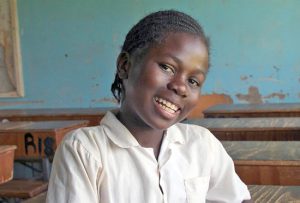
Duration: October 2002 - March 2006
Budget: US$3,030,000
Implementing Agencies: UNIFEM
The programme’s overall objective was to bring greater understanding on the interlinkage between gender inequalities and the HIV/AIDS epidemic. Accordingly, the programme promoted gender awareness as central to HIV/AIDS education, and integrated women’s rights into legislation on HIV/AIDS policies at the local, national and regional levels.MORE -
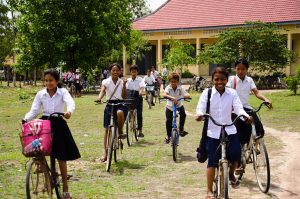
Duration: September 2002 - December 2003
Budget: US$480,430
Implementing Agencies: ESCAP
The programme worked to improve the quality of life in low-income communities by enabling targeted groups to design and implement community-based development strategies. A series of workshops were conducted in each location to train community members, Government officials, local stakeholders, and staff from the supporting organisations.MORE -
Duration: September 2002 - December 2005
Budget: US$480,640
Implementing Agencies: UNDP
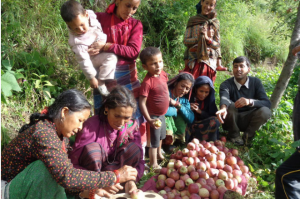
The programme’s objective was to reverse the incidence of trafficking and sexual exploitation of women and girls in Nepal by increasing their access to economic and educational opportunities, establishing district-wide and cross-border partnerships to deter criminal network, and empowering vulnerable victims with the knowledge and capacities to better protect themselves.MORE -
Duration: July 2002 - December 2007
Budget: US$3,090,000
Implementing Agencies: UNDP
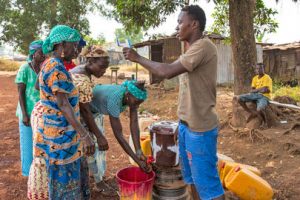
The programme contributed to the reintegration and resettlement of ex-combatants through the provision of vocational training, creation of short-term employment opportunities, and promotion of community reconciliation and co-existence.MORE -

Duration: June 2002 - August 2003
Budget: US$572,200
Implementing Agencies: WFP
The programme supported a large-scale school feeding initiative by restoring school buildings, training and motivating teachers, providing quality education, and operating school gardens. This resulted in the dual benefits of an improved learning environment with higher enrolment by children from pastoralist communities in rural areas.MORE -
Duration: June 2002 - May 2005
Budget: US$314,396
Implementing Agencies: PAHO/WHO
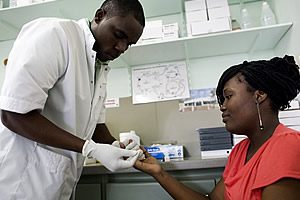
The programme expanded youth friendly reproductive health services for those faced with significant challenges, including exposure to HIV/AIDS, unwanted pregnancies and unsafe abortions. By engaging with local partners and building the capacities of key institutions, participants benefited from mobile reproductive health clinics, awareness raising education on HIV/AIDS, counselling on family planning, and the provision of contraceptives.MORE -
Duration: June 2002 - July 2004
Budget: US$360,627
Implementing Agencies: UN-HABITAT
As a result of more than 25 years of war and internal conflict, a large population of children and youth were living in dire conditions. To help re-integrate impoverished youth as full citizens, the programme addressed the needs of street children and disadvantaged youth through the establishment of a ‘House for Youth’ and the provision of basic services, education and vocational training.MORE -

Duration: June 2002 - July 2004
Budget: US$360,627
Implementing Agencies: UN-HABITAT
As a result of more than 25 years of war and internal conflict, large population of children and youth were living in dire conditions. To help re-integrate impoverished youth as full citizens, the programme addressed the needs of street children and disadvantaged youth through the establishment of a ‘House for Youth” and the provision of basic services, education and vocational training.MORE -
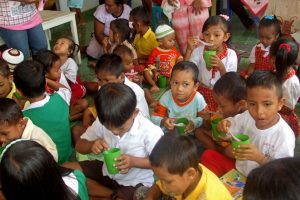
Duration: May 2002 - December 2003
Budget: US$1,007,475
Implementing Agencies: UNICEF
The programme was designed to promote the re-establishment of schools as centres for learning, psychosocial recovery and reconciliation. To this end, the programme aimed to ensure that children had access to well-equipped schools and provided capacity development for both teachers and students.MORE -
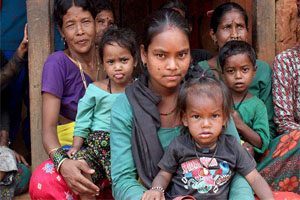
Duration: May 2002 - December 2005
Budget: US$490,698
Implementing Agencies: UNESCO
The programme aimed to improve the overall literacy rates among girls and the rural poor in Nepal by introducing and expanding community learning centers in vulnerable communities where villagers could participate in literacy courses and vocational skills training, and engage in small-scale community development projects or cultural initiatives. Since women were actively involved in the management of these centers, their status and profiles were raised within their communities.MORE -
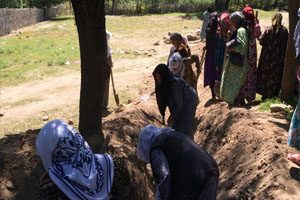
Duration: May 2002 - March 2004
Budget: US$1,155,590
Implementing Agencies: UNICEF
The programme sought to prevent water-borne and hygiene-related diseases by providing clean drinking water to schools and health institutions in addition to educational seminars on important hygienic practices.MORE -
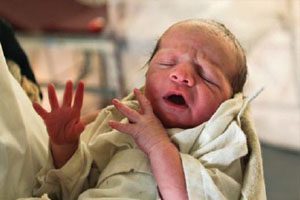
Duration: May 2002 - April 2004
Budget: US$707,000
Implementing Agencies: UNICEF
To ensure equitable access to health care for women and children in the province of Apurímac, the programme implemented an integrated strategy to reduce the number of maternal and perinatal deaths; decrease the rate of chronic malnutrition in children under three; improve access to quality health and nutrition services for mothers and children; and provide information about health, nutrition and hygiene to vulnerable women.MORE -
Duration: May 2002 - April 2003
Budget: US$978,500
Implementing Agencies: FAO
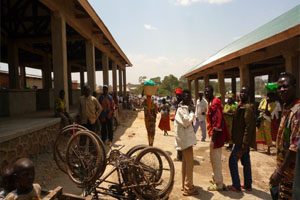
The programme’s overall goal was to provide assistance to conflict-affected communities to mitigate food and personal insecurities. The programme increased and diversified agricultural production through the distribution of essential inputs and through technical support to the agricultural sector.MORE -

Duration: April 2002 - October 2003
Budget: US$446,588
Implementing Agencies: FAO
The programme improved human security in fishery dependent, conflict-ridden communities through the distribution of fishing equipment and the provision of technical training.MORE -
Duration: April 2002 - January 2004
Budget: US$282,901
Implementing Agencies: UNFPA
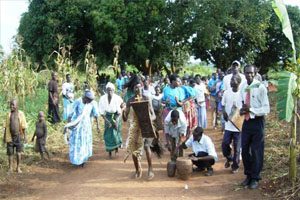
With an emphasis on displaced and impoverished women of reproductive age, the objective of the programme was to increase the quality of and access to reproductive health services in the Gulu District. Programme activities included improving the capacity of existing health clinics and promoting safe and responsible reproductive health services.MORE -
Duration: April 2002 - March 2003
Budget: US$1,045,983
Implementing Agencies: FAO
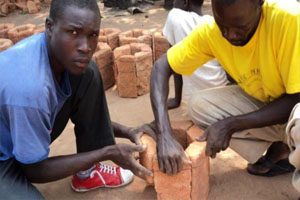
The programme aimed to restore food security in households facing the dire consequences of the continued conflict and drought in western Uganda. The programme was designed to promote sustainable agricultural practices and self-sufficiency for subsistence farmers.MORE -
-

Duration: March 2002 - January 2004
Budget: US$270,175
Implementing Agencies: UNAIDS, UNFPA
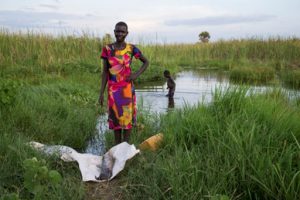
The programme contributed to improved sexual and reproductive health among vulnerable adolescents through training of healthcare providers, as well as improvements in access to health care. The programme engaged with community based organisations, youth groups, national and local governmental agencies, schools, and clinics.MORE -

Duration: March 2002 - July 2005
Budget: US$1,429,684
Implementing Agencies: UNDP
The overall goal of the programme was to promote community reconciliation and overcome mistrust among different ethnic groups in three sub-districts. The programme strengthened social and economic inter-linkages among these groups and improved coexistence by creating employment through joint decision making on public works, infrastructure rehabilitation, and access to basic social services.MORE -
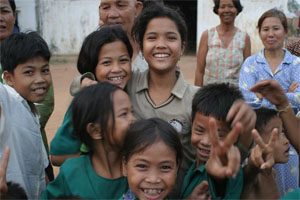
Duration: February 2002 - January 2005
Budget: US$609,248
Implementing Agencies: UNESCO
The objective of the programme was to support vulnerable children and at-risk youth who had dropped out of school and were engaged in informal activities, making them easy targets for criminal gangs and sexual exploitation. Through a network of organizations, a variety of activities were implemented to re-integrate those at risk into formal channels of education and daily life.MORE -

Duration: February 2002 - December 2005
Budget: US$850,569
Implementing Agencies: WFP
By addressing the complex challenges facing vulnerable communities in northern Rakhine State, the programme combined the ‘food for work’ and ‘food for education’ initiatives, and contributed to community development through local partnership and capacity building measures.MORE -

Duration: January 2002 - July 2007
Budget: US$5,132,499
Implementing Agencies: UNDP
To increase food security and to improve the incomes of poor households in Ainaro and Mantuto districts of Timor-Leste, the programme aimed to enhance agricultural productivity and improve sustainability of subsistence farming.MORE -
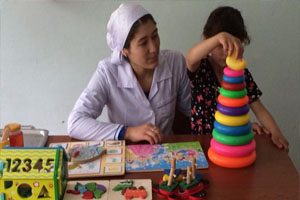
Duration: November 2001 - June 2003
Budget: US$1,628,327
Implementing Agencies: UNDP
The programme increased the understanding of the human security approach by supporting research on the nexus between health, education and inequality and provided evidence-based information to establish integrated policies that took all three elements into consideration. Research produced by the programme was shared with the UN system, Member States, civil society, and academics.MORE -

Duration: November 2001 - October 2003
Budget: US$202,000
Implementing Agencies: UNDP, UNICEF, UNFPA, WHO
The overarching goal of the programme was to reduce illicit drug abuse as well as improve the health status of vulnerable persons residing in the Mong Pawk District of the Wa Special Region. Through the newly established health centers, local health workers were trained to deliver basic health care, raise awareness on the dangers of opium addiction, and treat those dependent on drug abuse.MORE -

Duration: October 2001 - November 2002
Budget: US$1,045,983
Implementing Agencies: UNDP
The aim of the programme was to strengthen disaster preparedness and improve food security through the reconstruction of water harvesting systems, promotion of environmentally sound agricultural practices, and improved capacities of communities to cope with natural disasters.MORE -
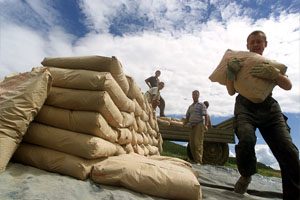
Duration: October 2001 - October 2002
Budget: US$1,019,964
Implementing Agencies: UNDP
The programme provided the Kosovar population with access to modern, efficient, accessible, safe and affordable primary healthcare services, in addition to strengthening the capacities of medical professionals.MORE -
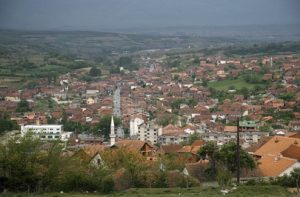
Duration: October 2001 - September 2002
Budget: US$269,388
Implementing Agencies: UNMIK/DPI
The overall goal of the programme was to increase participation by Kosovo's Serbs and other minority groups in the upcoming municipal elections. To this end, the programme supported a wide-ranging information campaign informing minorities of their rights in the newly adopted legislative framework and encouraging everyone to participate in the ongoing transitional process, including the upcoming elections.MORE -
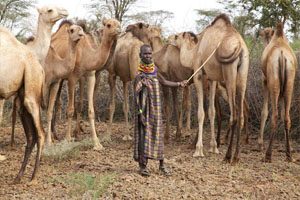
Duration: August 2001 - June 2002
Budget: US$1,009,985
Implementing Agencies: UNICEF
In order to alleviate the impact of drought in north-western and north-eastern Kenya, the programme provided primary healthcare services and food assistance to the most vulnerable and food insecure populations.MORE -
Duration: July 2001 - June 2005
Budget: US$378,245
Implementing Agencies: WHO
The programme sought to extend health insurance coverage to people excluded from existing social security programmes in order to ensure greater access to healthcare services for those most vulnerable.MORE -

Duration: July 2001 - June 2005
Budget: US$378245
Implementing Agencies: WHO
The programme sought to extend health insurance coverage to people excluded from existing social security programmes in order to ensure greater access to healthcare services for those most vulnerable.MORE -
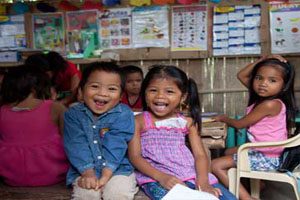
Duration: June 2001 - February 2004
Budget: US$214,747
Implementing Agencies: UNICEF
Covering the cities of Manila, Pasay and Quezon, the objective of the programme was to implement measures protecting children in impoverished urban communities from the risks of drug addiction, sexual exploitation, child labor, and homelessness.MORE -
Duration: June 2001 - May 2004
Budget: US$303,000
Implementing Agencies: UNDP
In response to the spread of HIV/AIDS, the programme supported the establishment of a national network of HIV infected persons who advocated on HIV/AIDs and lobbied against the stigma and discrimination associated with it. Moreover, service providers were sensitized and their capacities to address the needs of HIV infected individuals were strengthened.MORE -

Duration: May 2001 - April 2003
Budget: US$303,040
Implementing Agencies: UNFPA
The programme sought to improve the overall capacity of Haiti’s health care system. By strengthening the quality and management of reproductive health services, including obstetric emergencies, the programme increased access to integrated family planning and reproductive health care for most Haitian women who had little or no access to these services.MORE -
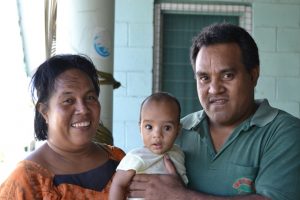
Duration: April 2001 - March 2005
Budget: US$1,587,833
Implementing Agencies: UNFPA
Targeting five priority countries in the South Pacific region (Kiribati, Marshall Islands, Solomon Islands, Tuvalu and Vanuatu), the programme stemmed the growing prevalence of sexually transmitted infections (STIs), HIV/AIDS, and unwanted pregnancies by increasing awareness and access to reproductive health care.MORE -
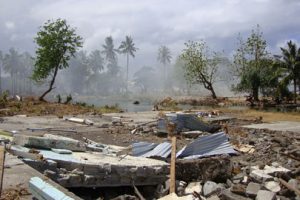
Duration: April 2001 - December 2005
Budget: US$720,711
Implementing Agencies: UNHCR
With the objective to develop the skills and capacities of those responding to and preparing for emergencies in complex environments, the programme established a regional emergency training centre, the eCentre. This platform offered training activities, provided resources, and maintained a network of trained personnel who could share their knowledge and combine their expertise.MORE -
-
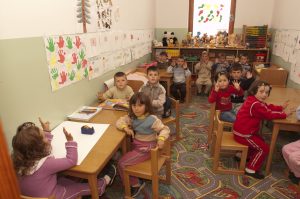
Duration: March 2001 - May 2002
Budget: US$2,700,374
Implementing Agencies: UNDP
The programme enhanced basic school conditions, improved the quality of education, and created a safer learning environment for students in Kosovo.MORE -
Duration: January 2001 - March 2002
Budget: US$1,262,500
Implementing Agencies: UNHCR
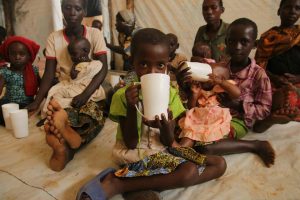
The programme supported the process of reintegration and co-existence in ethnically divided communities. By building the capacities of UNHCR and other humanitarian workers, the programme examined how initiatives in education, the arts, sports, and economic development can offer refugees, returnees, and other survivors of group conflict reasons to work together and create a base for relating constructively over time.MORE -
Duration: January 2001 - December 2002
Budget: US$530,250
Implementing Agencies: UNICEF
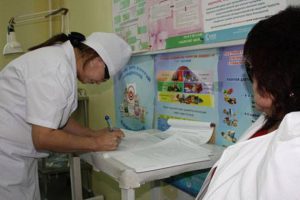
The programme aimed to contribute to the provision of affordable, functioning and accessible health care to marginalised communities in Mongolia by enhancing the capacity of healthcare professionals, including the promotion of community-based processes to prevent and monitor health related challenges, as well as increasing the availability of essential drugs.MORE -

Duration: January 2001 - March 2002
Budget: US$1,262,500
Implementing Agencies:
The overall objective of the programme was to deepen UNHCR’s understanding of the elements needed to promote coexistence in divided societies within the region. Accordingly, the programme developed joint activities in public spaces such as, schools, playgrounds, and health clubs to help address deeply entrenched mistrust amongst different ethnic groups.MORE -
Duration: January 2001 - March 2002
Budget: US$1,262,500
Implementing Agencies: UNHCR
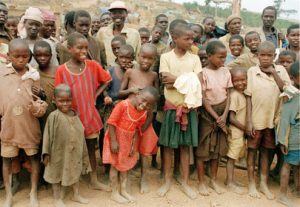
The programme was part of a broader UNTFHS programme which established 66 small scale initiatives in Bosnia and Herzegovina, as well as Rwanda, in order to promote co-existence in ethnically divided communities in the process of repatriation and reintegration.MORE -
Duration: December 2000 - September 2002
Budget: US$177,719
Implementing Agencies: UN-HABITAT
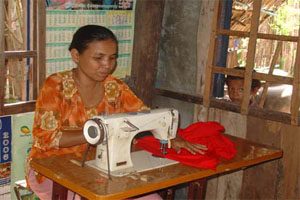
The programme aimed to reduce the broad range of insecurities faced by an inflow of migrants from rural areas settling in Phnom Penh’s expanding informal settlements. Through an integrated poverty reduction strategy, the programme improved access to basic services, provided vocational training and enhanced opportunities for income generation, and improved local governance through dialogue between the settlers and the local authorities.MORE -
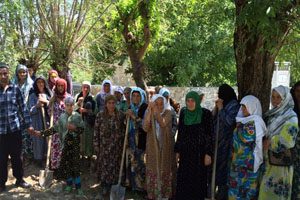
Duration: November 2000 - June 2003
Budget: US$676,641
Implementing Agencies: UNDP
To reassure that the needs of ex-combatants were addressed and to prevent them from turning to criminality to support themselves and their families, the programme aimed to create jobs for ex-combatants, improve local infrastructure, expand livelihoods, and facilitate commerce, transportation and communication between communities.MORE -
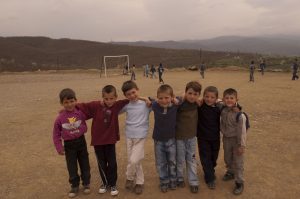
Duration: November 2000 - June 2003
Budget: US$1,027,431
Implementing Agencies: UNMIK/UNOPS
The programme provided safe transport for minority school children in selected Kosovo municipalities in order for them to access educational facilities. In doing so, the programme aimed to foster a culture of reintegration among children from different ethnic groups.MORE -
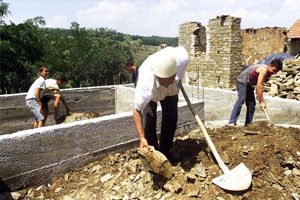
Duration: November 2000 - December 2002
Budget: US$3,866,375
Implementing Agencies: UNMIK/UNOPS
The programme restored the Perparimi brick factory back into operation, thereby increasing the availability of building materials to reconstruct and rebuild damaged housing in Skenderaj municipality.MORE -

Duration: November 2000 - August 2003
Budget: US$3,030,000
Implementing Agencies: UNMIK/UNOPS
The programme aimed to repair the sewage system in the rural municipality of Glogovac which was in a state of extreme disrepair, thus allowing sewage to flow into streets, gardens and public spaces. In doing so, the programme improved the overall health and sanitation status of conflict-affected communities and began the process of reconstruction and longer term development in the municipality.MORE -
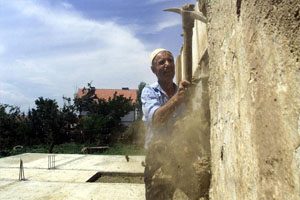
Duration: October 2000 - January 2001
Budget: US$440,650
Implementing Agencies: UNMIK/UNOPS
The programme improved the capacity of the broadcast media to provide the necessary coverage of the municipal elections in 2000. Technical assistance was provided to journalists and equipment for electronic information gathering was installed.MORE -

Duration: September 2000 - September 2004
Budget: US$480,587
Implementing Agencies: UNFPA
To respond to the most basic reproductive health needs of vulnerable persons in Capiz, the programme implemented a community-based model that aimed to raise awareness and improve access to reproductive health care and sexual practices through counselling, family planning and gender-sensitive education.MORE -

Duration: August 2000 - November 2003
Budget: US$20,448,626
Implementing Agencies: UNDP
The programme addressed post-conflict reconstruction and reintegration in the districts of Peje Skenderal, Rahovec and Mitrovice by rebuilding damaged houses, restoring electrical distribution networks, and providing employment to Kosovar Albanians and Serbs.MORE