
Timor-Leste
-

Duration: December 2021 - October 2024
Budget: US$297,223
Implementing Agencies: IOM (lead), UNICEF
The COVID-19 pandemic reversed development gains worldwide, increasing inequalities within and between countries. In Timor-Leste, remote border communities—already facing multiple, interconnected vulnerabilities—were particularly affected. Even before the pandemic, these communities struggled with limited access to essential services such as clean water, healthcare, and education. The closure of borders and severe travel restrictions disrupted daily life, cutting off cross-border trade—a key source of economic stability for many. As a result, livelihoods were strained, and access to basic necessities became even more challenging, underscoring the need for targeted, community-driven solutions to build resilience and support long-term recovery.MORE -
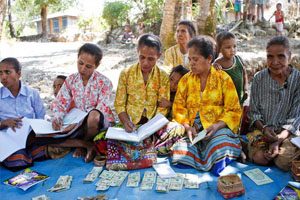
Duration: March 2010 - August 2013
Budget: US$4,203,100
Implementing Agencies: UNDP (lead), UNICEF, WFP, FAO, ILO, UNFPA
Decades of violent conflict and civil unrest had destroyed much of the country’s infrastructure and economy and led to the deaths of more than 100,000 people when Timor-Leste gained independence in 2002. While significant gains had been made towards consolidating peace and development during the first years of independence, the people of Timor-Leste still faced serious human security challengesMORE -
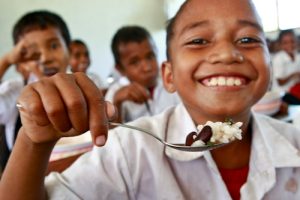
Duration: May 2005 - July 2008
Budget: US$1,614,630
Implementing Agencies: DESA
With the aim to increase productivity and contribute to greater economic and food security in rural communities in Timor-Leste, the programme improved technical and entrepreneurial skills in agriculture, livestock, fishing and eco-tourism, and strengthened community-based management of water and energy resources.MORE -

Duration: February 2005 - December 2007
Budget: US$1,169,964
Implementing Agencies: UNICEF
In an effort to increase enrolment and improve the retention rates of children attending primary schools, the programme’s overall goal was to increase the quality of primary education. The programme enhanced the competency of teachers and built capacities at the village level to mobilise communities to become more involved in the educational process.MORE -
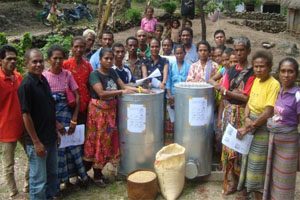
Duration: November 2003 - November 2004
Budget: US$379,606
Implementing Agencies: FAO
The programme sought to reduce post-harvest losses through technical training and capacity-building of farmers in vulnerable communities. The programme established seed-storage facilities in rural areas vulnerable to natural disasters.MORE -
Duration: January 2002 - July 2007
Budget: US$5,132,499
Implementing Agencies: UNDP
To increase food security and to improve the incomes of poor households in Ainaro and Mantuto districts of Timor-Leste, the programme aimed to enhance agricultural productivity and improve sustainability of subsistence farming.MORE -
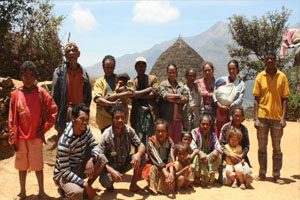
Duration: April 2000 - February 2002
Budget: US$819,444
Implementing Agencies: FAO
Divided into two phases, the programme intended to mitigate food insecurity and foster rural development in the immediate post-conflict recovery period in Timor-Leste by way of supplying maize and rice seeds to boost crop production, promoting improved seed production techniques and crop diversification, and developing better seed storage facilities locally.MORE