Climate Action

Science, Solutions, Solidarity

For a livable planet 

photocomposition: the illustration of an hourglass with the blue earth on the top, becoming sand on the bottom. the graphic has the phrase climate action cant wait

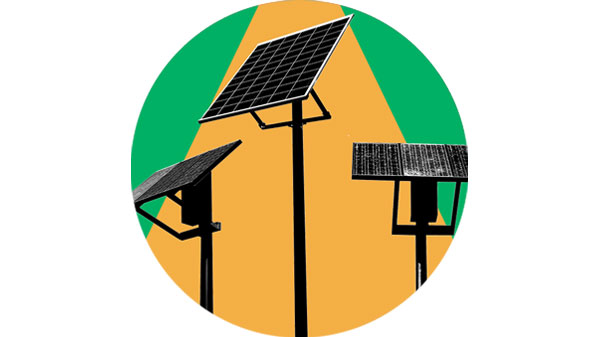
Clean energy needs to triple by 2030

2023 has shattered temperature records, and seen record drought, fire and floods around the world. Those who have contributed the least to the climate crisis – developing countries – are often hit the hardest. But no country and no person is immune.The science is clear: to preserve a livable climate, coal, oil, and gas production must decline rapidly, and global renewable power capacity – such as wind, solar, hydro and geothermal energy – needs to triple by 2030.
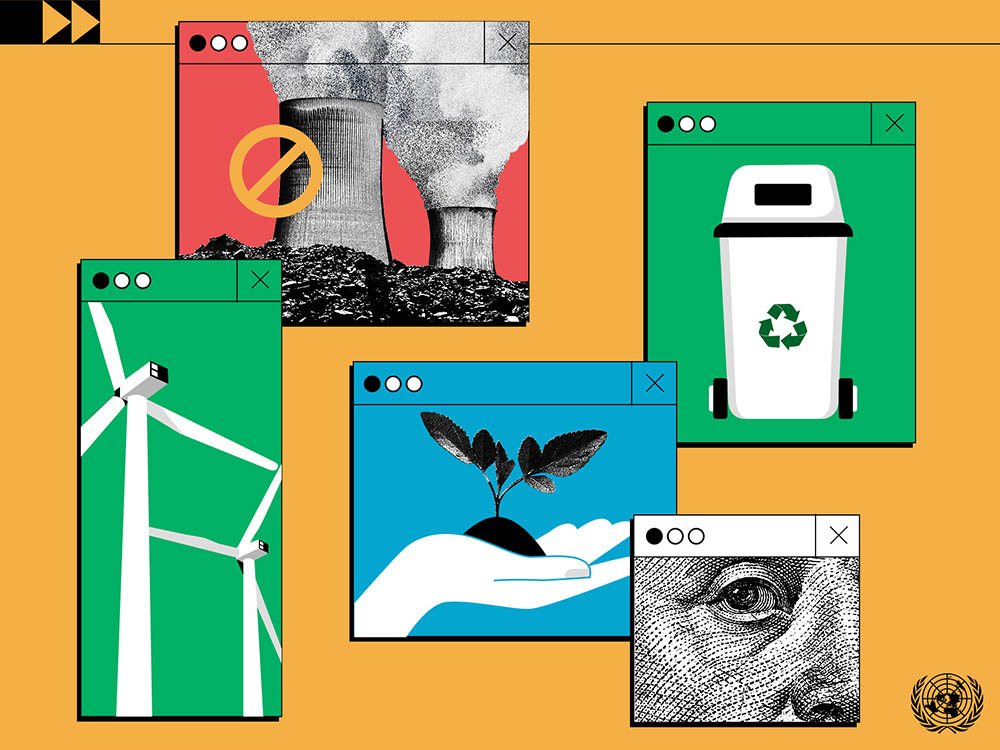
Here are five reasons why accelerating the transition to clean energy is the pathway to a healthy, livable planet today and for generations to come.

photocomposition: a storm on the background and an antenna to capture the weather information

Early warnings for all

A third of the world’s people do not get early warnings of extreme weather. The UN action plan aims to have everyone covered by 2027.

photocomposition: act now written in the middle of the sustainable development goals color wheel

For our common future

There are steps every one of us can take for a healthier planet. Act now, speak up and show leaders that people are ready for change.

photocomposition: an illustration of a person riding a bike on the shape of the planet, among solar panels and wind turbines

How to speed up the shift to renewable energy

Read about five critical actions to transform our energy systems and end our reliance on fossil fuels, the main cause of climate change.

photocomposition: the illustation show two hands holding a megaphone each

The facts on climate and energy

Climate change is a hot topic – with myths and falsehoods circulating widely. Find some essential facts here and share them.

To all those working, marching and championing real climate action, I want you to know that you are on the right side of history and that I am with you.”

ANTÓNIO GUTERRES, United Nations Secretary-General (19 September 2023)
Secretary-General Portrait

Watch, Listen and Share

How to communicate for climate action and solutions

How can communications spur action on climate change? How can we communicate science, hope and solutions in a way that resonates with audiences? How do we counter denialism, paralysis and doomism? Watch Melissa Fleming, UN Under-Secretary-General for Global Communications, Katharine Hayhoe, climate scientist, and Jeremy Heimans, co-founder and chairman of Purpose explore these crucial questions and more. Moderated by Ginger Zee, chief meteorologist and climate lead at ABC News. Watch here

Clean energy trends to power the world

Energy is at the heart of both the causes and the solutions to the climate crisis. Wangari Muchiri, director of Africa Wind Power, and Bruce Douglas, CEO of the Global Renewables Alliance discuss clean energy advances, solutions and some of the challenges of the energy transition. Moderated by John Timmer, Senior Science Editor at Ars Technica. Watch here

Tackling climate mis- and dis-information

Vanessa Nakate, climate activist and UNICEF Goodwill Ambassador, Paul Goodloe, meteorologist at The Weather Channel, and Jake Dubbins, co-founder of the Conscious Advertising Network discuss how to shape a healthier information ecosystem. Moderated by Charlotte Scaddan, UN Senior Adviser on Information Integrity. Watch here


Posters for Climate Action

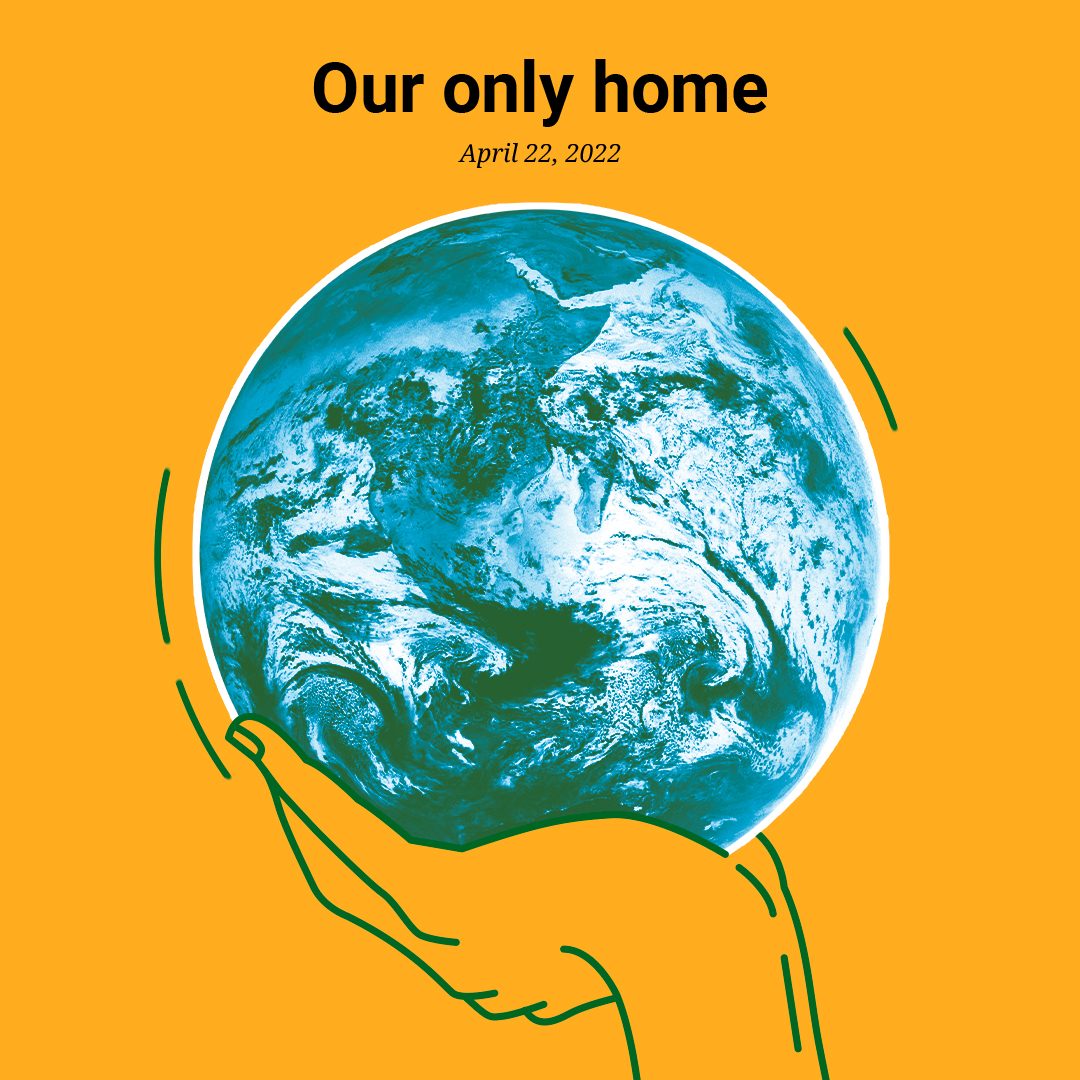
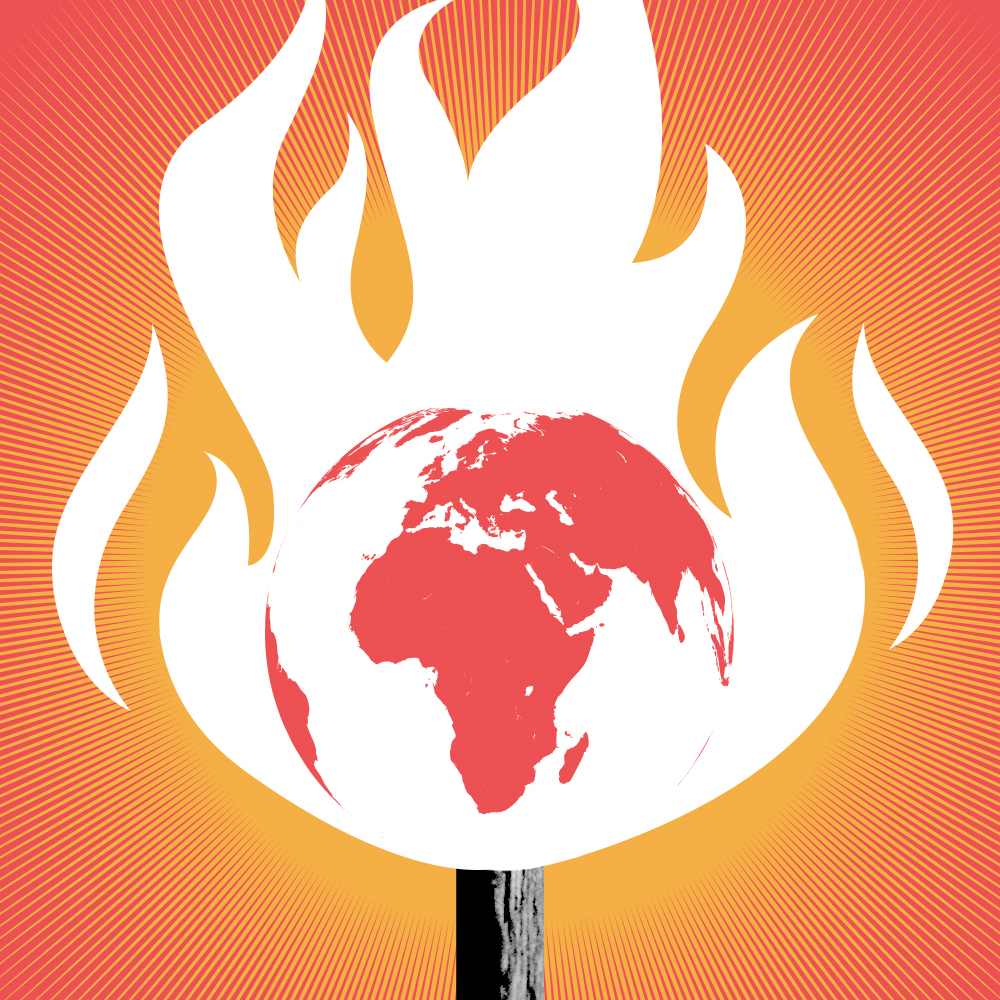
Illustration of the Earth melting

Climate issues

Restoring nature’s resources for climate action

Illustration about food, jobs and renewable energy

Net Zero

What does it mean? Why is it important? And are we on track?

Illustration with two speech bubbles

Powering a safer future

Why shift to renewables like wind and solar? Find out here.

Latest News

Anticipatory action... in action in Viet Nam

In Vietnam, the potentially devastating effects of Typhoon Noru in 2022 were significantly mitigated by the anticipatory actions of the Food and Agriculture Organization (FAO). Leveraging early warning systems, the FAO consulted with local communities to distribute watertight drums, provide cash transfers, and enact a comprehensive communication plan. These proactive measures not only ensured safety but also bolstered food security and resilience, emphasizing the crucial role of early warning in disaster preparedness.

Panama taps solar energy to heat water and reduce deforestation

In Panama, with support from the Global Environment Facility and UNEP, the Hato Chami school is harnessing solar energy to heat water, promoting sustainable practices, combatting deforestation, and reducing dependency on fossil fuels. This effort dovetails with a broader national strategy to implement solar thermal technology, which could significantly diminish CO2 emissions and save millions on fuel costs.

From ashes to riches: Profiting from peatland in Indonesia

Farmers in the Indonesian province of West Kalimantan on the island of Borneo are adapting their agricultural techniques with a more climate-friendly approach by ending the burning of land thanks to an initiative by Indonesia’s Peat and Mangrove Restoration Agency (BRGM), with support from the UN Office for Project Services (UNOPS).

Events

Middle East and North Africa Climate Week

Middle East and North Africa Climate Week (MENA CW) is the second of four Regional Climate Weeks held in 2023 to build momentum ahead of the UN Climate Change Conference COP28 and the conclusion of the first Global Stocktake. Hosted by the government of the Kingdom of Saudi Arabia, MENA CW 2023 provides a platform for policymakers, practitioners, businesses and civil society to exchange on climate solutions, barriers to overcome, and opportunities realized in the region.

International Day for Disaster Risk Reduction

Climate change is causing more frequent and extreme weather events, resulting in widespread adverse impacts and related losses and damages to nature and people. These impacts are often experienced most by those who have contributed the least to the climate crisis, which exacerbates existing inequalities. The Early Warnings for All (EW4All) initiative aims to help break the cycle of disaster and growing inequality and to ensure everyone on earth is covered by early warnings in the next four years. Learn more about EW4All here.

Latin America and Caribbean Climate Week

Latin America and Caribbean Climate Week (LACCW) is the third of four Regional Climate Weeks held in 2023 to build momentum ahead of the UN Climate Change Conference COP28 and the conclusion of the first Global Stocktake. Hosted by the government of Panama in Panama City, LACCW 2023 provides a platform for policymakers, practitioners, businesses and civil society to exchange on climate solutions, barriers to overcome, and opportunities realized in the region.

Climate action starting now

Everyone has a role in climate action. At the United Nations, we are calling on people everywhere to work together to solve climate challenges and realize the commitments of the 2015 Paris Agreement. This website keeps up with actions taken by governments, businesses, civil society, youth and more in every part of the world.

It’s our planet, and while we know it is in crisis, we also know that solutions are in reach. Progress is already well underway, from more green energy to more secure food supplies. And the benefits are clear as well, such as green jobs, clean air and sounder economies. A more sustainable, prosperous world is in reach. Join us in taking action to claim it, starting now.