Coronavirus global health emergency

WHO poster

WHO: Coronavirus disease (COVID-19) Pandemic

The World Health Organization (WHO) is working closely with global experts, governments and partners to rapidly expand scientific knowledge on this new virus, to track the spread and virulence of the virus, and to provide advice to countries and individuals on measures to protect health and prevent the spread of this outbreak. 

WHO’s response in countries

Find out how the WHO is working across its 149 country offices to assist communities all over the world.
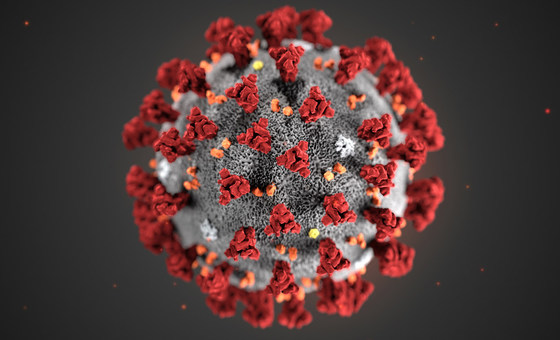
What is a Coronavirus?

Coronaviruses (CoV) are a large family of viruses that cause illness ranging from the common cold to more severe diseases. Find out more about this novel coronavirus (nCoV) that has not been previously identified in humans.

FAQs

What are the symptoms of COVID-19? How can I protect myself? Should I worry about COVID-19? Get the answers.

Verified

Verified is a United Nations initiative to encourage us all to check the advice we share.

What’s New?

Recent additions to the website

COVID-19 Response logo

Information from the UN System

Everyone is talking about coronavirus disease 2019 (COVID-19). Be sure to get your facts from reliable sources. The UN offices, field missions, agencies, funds and programmes are providing new information as it becomes available. Here are some of their resource pages.
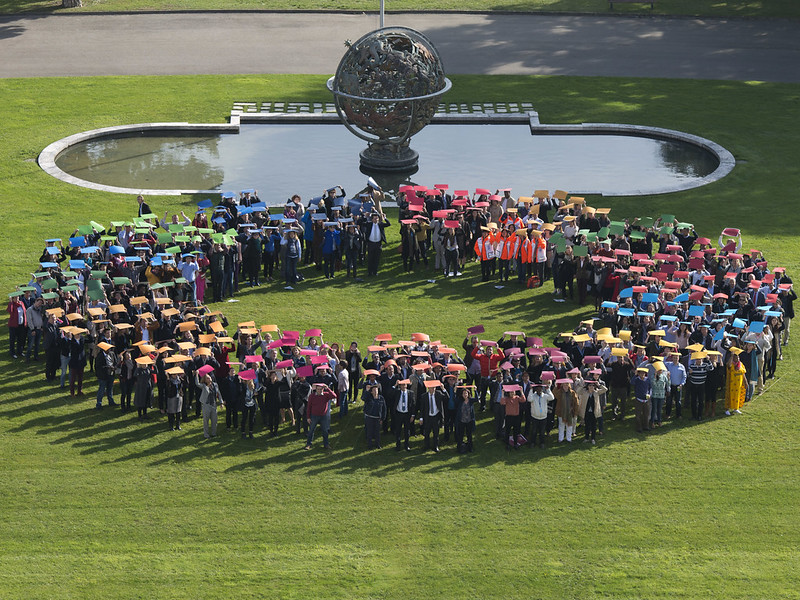
UN staff form a circle with the SDG colours

Information for UN personnel

The United Nations is closely monitoring the situation with the COVID-19 outbreak. This page features important advisories, guidelines, resources, and materials on the COVID-19 outbreak for all UN duty stations, offices, personnel and their families, visitors, and UN healthcare workers, as well as advice on maintaining wellness. It is updated with the latest available information.


Meetings

Get information on UN meetings that are being held virtually due to COVID-19.

hand washing icon

Communication Materials

Social media posters, advice for patients and health workers and key scenarios for printing
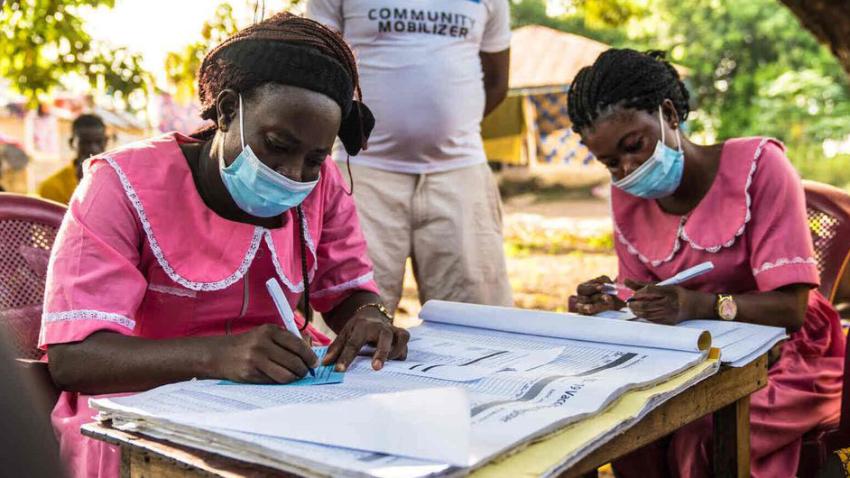
Community workers in Yemen raise awareness of the dangers of COVID-19 and the importance of taking the vaccine.

11 April 2022 - Although safe and effective COVID-19 vaccinations are available, the pandemic is still far from over, and countries affected by conflict are in danger of being left behind, the UN Security Council heard on Monday. 


Man riding a bicycle past an image of Cesaria Evora.

When COVID-19 hit, the closure of Cabo Verde’s borders to prevent the virus from spreading took a toll on people’s lives and livelihoods. Tourism suddenly stopped and many Cabo Verdeans lost their job. Thanks to a strong health system and a sound supply strategy, Cabo Verde became a model for COVID-19 response, with a lot to teach its neighbours on how to carry out vaccination campaigns. The World Bank responded to the crisis through several operations, at the beginning of the pandemic for $10 million, including credit line and social inclusion programmes.

woman putting on facemask

30 March 2022 - A third of the world’s population has yet to receive a single dose of COVID-19 vaccine, including a shocking 83 per cent of all Africans, said the head of the World Health Organization (WHO) on Wednesday.


Science in 5 is a video and podcast series reflecting WHO’s conversations in science. WHO experts explain the science related to COVID-19 in each 5 minute episode. Watch all episodes

In 2021, a deadly second wave of COVID-19 hit India hard, throwing medical facilities into turmoil as they struggled to meet the unprecedented spike in new cases. UNOPS worked with the government of Japan to bring life-saving equipment to vulnerable people in several parts of the country. 

With large sections of the population unvaccinated, new variants, like Omicron, are likely to keep emerging. These new variants spread like wildfire and put everyone at increased risk. To end this destructive cycle, the UN says we must vaccinate at least 70% of the population in every country. The UN's vaccine strategy is to achieve this goal by mid-2022. This will require at least 11 billion vaccine doses – but the task is doable.