Climate Solutions

COVID-19 exposed the consequences of the failure to make sufficient progress on the Sustainable Development Goals and in implementing the Paris Agreement on climate change. We would have been in a better place if we had.

We must change course, UN Secretary-General Antonio Guterres said, or we risk missing the point where we can avoid the “disastrous consequences for people and all the natural systems that sustain us.”

As we continue to tackle the pandemic, the enormity of the climate emergency can be daunting. What can one person or even one nation do on their own to reverse this challenge? Good news is that solutions do exist!
Climate Solutions

Drought resilience takes root in Southern Africa

Countries in Southern Africa are turning the challenge of drought into opportunity by developing gender-smart, community-led solutions that strengthen resilience, protect livelihoods and restore land.

A woman living the remants of her destroyed home.

Three ways countries are financing resilience as climate shocks intensify

As climate shocks are stretching public budgets, countries are testing new tools to finance adaptation and resilience.

Two workers monitoring the forest

In the wake of fire, how South Korea is climate-proofing its forests and communities

After devastating wildfires, South Korea is restoring forests in ways that protect biodiversity, reduce future fire risk and support local communities.

Famers smile at the camera

Welcome to the ‘agrihood’ – the neighbourhood of the future?

Towns and cities are home to more than half of the world’s population and responsible for around 70% of the greenhouse gas emissions driving the climate crisis. As cities expand and emissions rise, agrihoods offer a powerful alternative to traditional development by reducing carbon footprints, strengthening local food systems, and reconnecting people with nature.

Cover of education is driving environmental action

Five ways education is driving environmental action

From classrooms to communities, and from local initiatives to global movements, here are five ways in which education is driving environmental action.
cover of indigenous climate leadership in cambodia

How direct grants support Indigenous climate leadership in Cambodia

Indigenous communities in Cambodia are leading climate action, protecting forests, securing land and strengthening livelihoods through direct grants.

From family farm to climate tech: How one Kenyan woman is helping farmers outsmart drought

Giving up is not an option - so many people depend on you,” the words of Maryanne Gichanga, a participant in a UN supported initiative, which aims to help farmers in Kenya find solutions to alleviate the pressures of climate change on agriculture production.

climate finance

Why finance climate action?

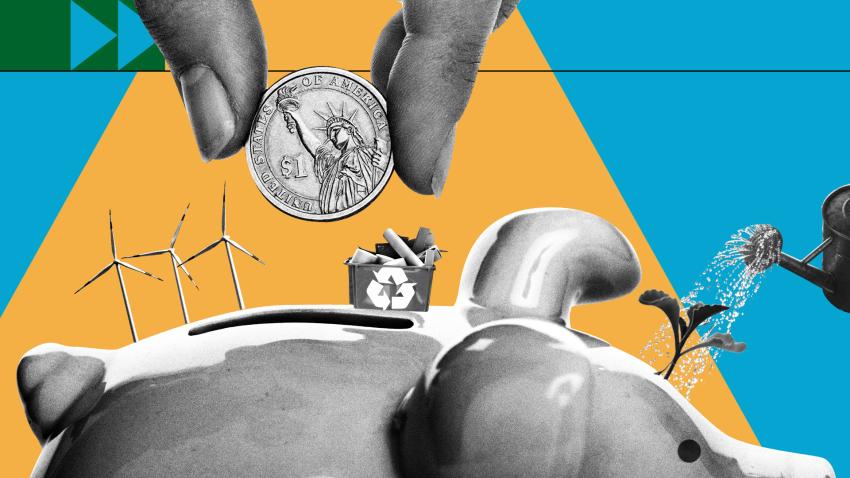
Climate action requires significant investment, but its value is immense: a livable climate. Countries around the world are showing how climate finance can improve people’s lives and prospects for the planet.

3 female firefighters in front of thier equipment

Women on the frontlines: Indonesia’s forest firefighters

As Indonesia grapples with the dual pressures of climate change and rapid deforestation, women are stepping into crucial roles in forest fire management, contributing their unique strengths to prevention and response.

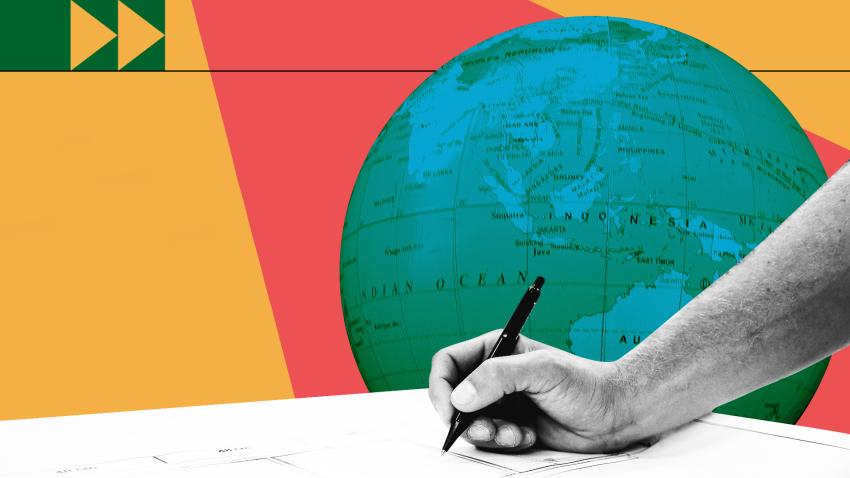
Photocomposition: the earth globe in the background, and a hand holding a pen, signing a paper, in the front

All About the NDCs

Nationally Determined Contributions, or NDCs, are national climate action plans by each country under the Paris Agreement. A country's NDC outlines how it plans to reduce greenhouse gas emissions to help meet the global goal of limiting temperature rise to 1.5C and adapt to the impacts of climate change. The Paris Agreement requires that NDCs are updated every five years with increasingly higher ambition, taking into consideration each country’s capacity.

Protecting people by protecting the planet

Climate change is putting not only the health of our planet, but the health of people everywhere at risk. Learn about two critical areas of climate action that bring immediate health benefits.

photocomposition: The UN Secretary-General speaking in front of a microfone, in black and white, contrasting with the blue and yellow background

July 2023 is the hottest month ever recorded

The UN Chief spoke on the global average temperature this July, which was confirmed to be the highest on record and likely for at least 120,000 years. July also had the highest-ever ocean surface temperatures.

5 facts on the impacts of heatwaves

Parts of the Northern hemisphere are experiencing severe heatwaves – and extreme weather is on the rise globally. How does heat impact societies? Read more here.