
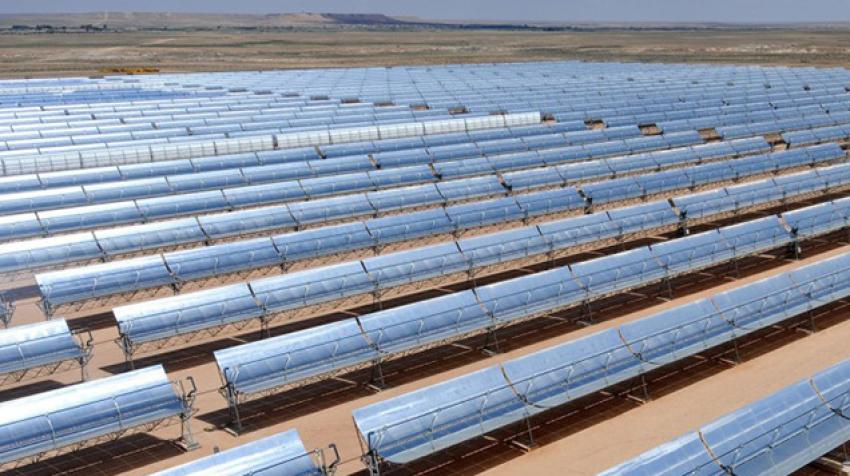
UN climate report stresses urgency to act to secure a livable future
There are multiple, feasible and effective options to reduce greenhouse gas emissions and adapt to human-caused climate change, and they are available now, said scientists in the latest report released by the Intergovernmental Panel on Climate Change (IPCC) on 20 March. Read more.

Marking the Kyoto Protocol’s 25th anniversary
The Kyoto Protocol, the first international treaty to set legally binding targets to cut greenhouse gas emissions, was adoped 25 years ago, on 11 December 1997, in Kyoto, Japan.

UN chief: We must triple the speed of the shift to renewable energy
At the launch of the latest report by the Intergovernmental Panel on Climate Change (IPCC), on the mitigation of climate change, the UN Secretary-General called for an urgent shift of investments and subsidies from fossil fuels to renewable energy, warning that investing in new fossil fuels infrastructure is “moral and economic madness.” Read the Secretary-General's remarks

UN climate report: It’s now or never to limit global warming to 1.5°
A new IPCC report – written by hundreds of leading scientists and agreed by 195 countries - noted that immediate and deep cuts in greenhouse gas emissions are needed across all sectors if we are to preserve a livable climate. Read more

New Report: Mitigation of Climate Change
On 4 April, the Intergovernmental Panel on Climate Change will release a major report on the progress and gaps in our efforts to cut greenhouse gas emissions and invest in renewable energy. Learn more

Causes and Effects of Climate Change
Fossil fuels – coal, oil and gas – are by far the largest contributor to global climate change, accounting for over 75 per cent of global greenhouse gas emissions and nearly 90 per cent of all carbon dioxide emissions. Read more

IPCC WGII Report
On 28 February 2022, the Intergovernmental Panel on Climate Change released a major report on Impacts, Adaptation and Vulnerability - packed with scientific information on the state of the planet, its ecosystems and habitats as well as an overview of the challenges and solutions associated with the growing climate risks seen around the world. Read more.
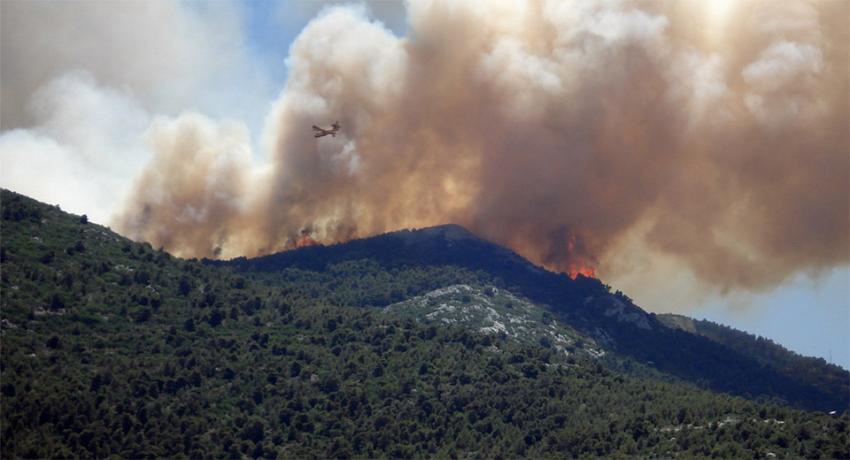
Frontiers 2022: Noise, Blazes and Mismatches
The UN Environment Programme’s latest Frontiers Report warns of intensifying environmental issues, including wildfires, urban noise pollution and phenological mismatches, that require greater attention. Read more

2021 joins top 7 warmest years on record: WMO
The UN weather agency lists 2021 as one of the seven warmest years on record, with global temperatures rising more than 1°C above pre-industrial levels and edging closer to the limit laid out under the 2015 Paris Agreement on Climate Change. Read more.
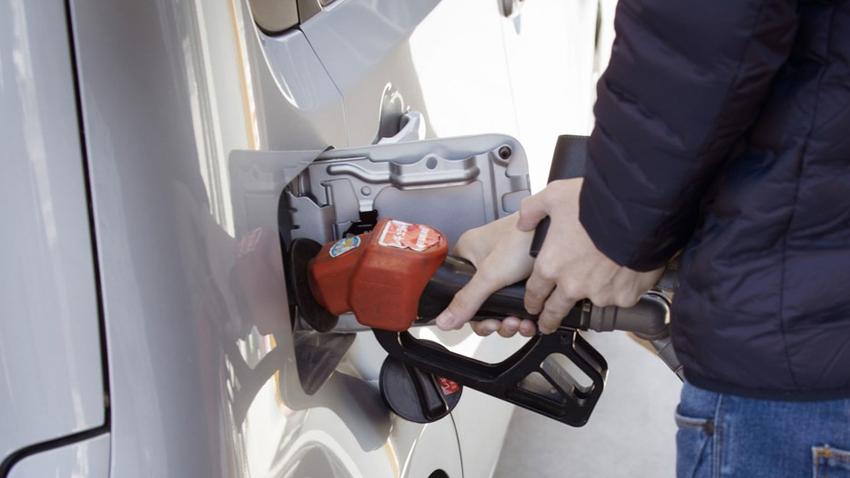
Emissions gap not closing nearly fast enough
The latest edition of the Emissions Gap report finds that climate commitments fall far short of the 55 per cent reduction required to keep temperature rise to no more than 1.5°C. Net-zero pledges could make a difference but must be implemented with urgency and ambition. Read more

Paris targets at risk
Heat-trapping greenhouse gases reached a new record last year, according to a new report. Despite a temporary decline, the pandemic-related slowdown had no discernible impact on growth rates of emissions. Half of carbon emissions are reabsorbed by oceans and land, but these may be less effective “sinks” in the future. Read more
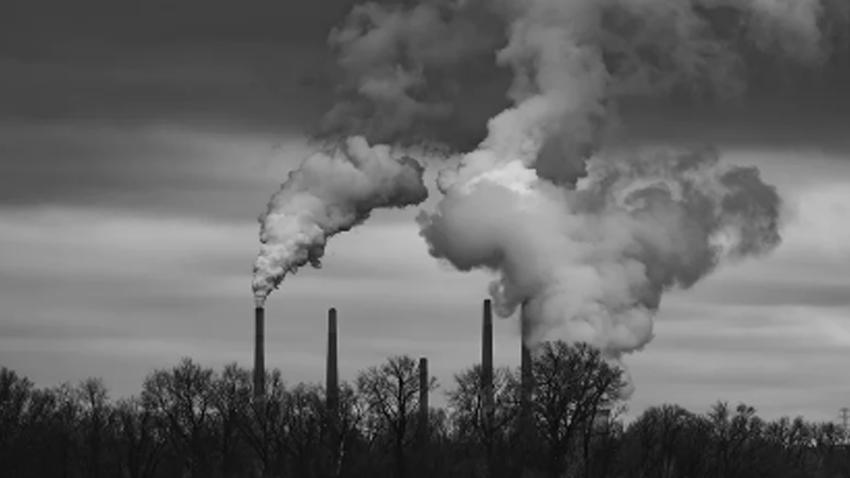
Breaking up with fossil fuels
Over $400 billion in public funds goes into fossil fuel subsidies each year. Subsidies should be cut but instead they are increasing. What’s the cost of our addiction to oil, coal and gas? Learn more

Fossil fuel use sharply off track
Climate ambitions have increased. But a new report shows that government support for fossil fuels would keep production in 2030 at double the rate required to slow the climate crisis. Projections indicate more global oil and gas production, and only a modest decline in coal production. Read the report

Clean up transport, save $70 trillion
A global conference on sustainable transportation is spearheading climate-critical solutions to reduce emissions from cars, planes and other modes of getting around. Such a shift could deliver cleaner air, better access to services and jobs, and considerable savings.

IPCC: We can act on climate change but time is running out
Climate changes are occurring in every region and globally, according to the latest Intergovernmental Panel on Climate Change report. The report defines changes that are unprecedented in thousands if not hundreds of thousands of years. It emphasizes that there is still time to act, but it must happen immediately. Press release. Secretary-General’s statement.