

Weapons of mass destruction, particularly nuclear weapons, are back in the spotlight amid renewed concern over their devastating power and the existential threat they pose to humanity. At the same time, the build-up and illicit trafficking of conventional arms threaten global peace and civilian safety, particularly in urban areas. New and emerging technologies like autonomous weapons add new risks as norms lag behind innovation. Amid rising geopolitical tensions, disarmament and arms control remain vital, with genuine dialogue and negotiation offering the best hope to prevent conflict.
Global Issues

Children and young people are more connected than ever, unlocking new ways to learn, communicate, and express themselves online. Yet these opportunities come with growing dangers—from cyberbullying and disinformation to sexual exploitation and trafficking. As digital threats intensify, protecting young users has become a global priority. The UN and its specialized agencies are doing their part to help protect children online. Learn more in Child and Youth Safety Online.

Declared a human right by the United Nations in 2010, clean water and sanitation are essential for life, health, and dignity. Yet over 2 billion people lack safe drinking water, and nearly half the world lives without safely managed sanitation services. Climate change, pollution, and scarcity are pushing this lifeline to the brink. UN-Water is calling for urgent global action. Improving access to water, sanitation, and hygiene could save 1.4 million lives every year. Water is life. Without it, there is no future.

Artificial Intelligence (AI) has the potential to significantly support the UN by promoting inclusivity, reducing inequalities and addressing many Sustainable Development Goals in areas like healthcare, education, and humanitarian response. However, the benefits of AI are currently unevenly distributed, primarily benefiting powerful companies and countries. Without proper regulations, AI risks worsening inequalities and impacting vulnerable populations. While it offers solutions to major global challenges, its rapid development also poses risks related to information accuracy and human rights.

Eradicating poverty is more than a goal; it’s a moral duty. The UN envisions a world where poverty becomes a relic of the past—a vision central to the 2030 Agenda’s first Sustainable Development Goal. From 1990 to 2014, remarkable progress lifted over a billion people from extreme poverty. Yet, setbacks in 2020 forced 71 million back into hardship, revealing the fragility of those gains. The UN urges courage and compassion in building inclusive strategies, directing resources where they are needed most, and turning hope and opportunity into universal rights—not fleeting privileges for the few.

In 2025, an estimated 305 million people require urgent humanitarian aid due to crises driven by conflict and climate change. Wars in Sudan, Gaza, and Ukraine have led to significant displacement and civilian casualties. Food insecurity is on the rise, affecting 280 million people, and famine conditions are deteriorating in countries like Sudan or Haiti. The world is approaching a1.5°C warming threshold, resulting in severe natural disasters, with 90 million displaced in high-risk climate areas. Global solidarity is essential for humanitarian action, and individuals can help by donating to emergency relief funds.
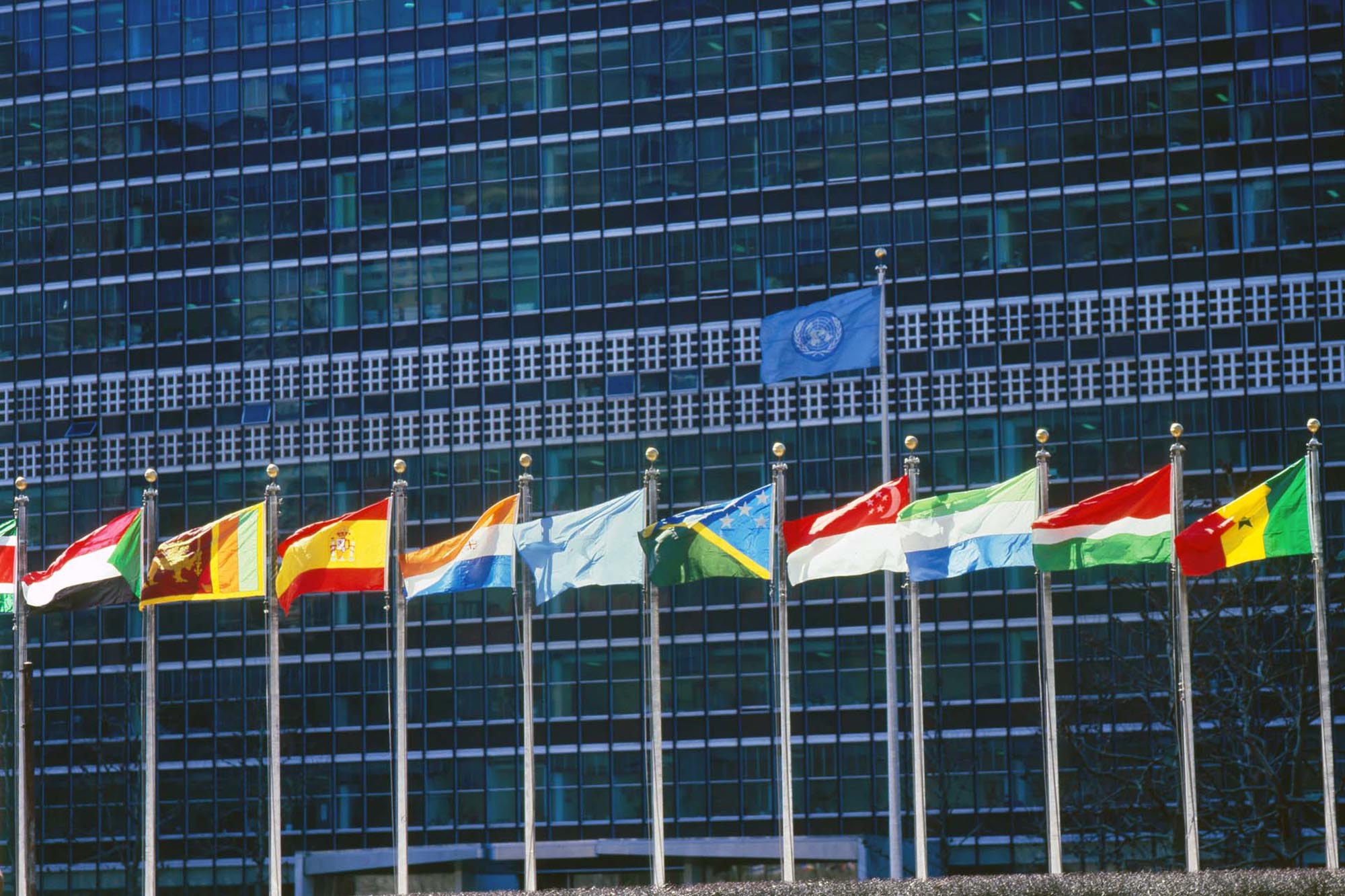
In today's gradually interconnected world, multilateralism is essential for tackling complex global issues such as peace, security, climate change, sustainable development, and human rights. Multilateralism's strength lies in its ability to foster crucial dialogue, build trust among nations, and facilitate collaborative solutions to shared global problems. As the world accelerates efforts to achieve the Sustainable Development Goals by 2030, a strong multilateral system is vital for navigating the complexities of international relations and securing a more peaceful and prosperous future for all.

Africa is a diverse continent, and the challenges it faces differ significantly across various countries and regions. Challenges such as climate change, hunger, malnutrition, and conflicts adversely affect the continent's progress towards sustainable peace and development. Through its unique capacities as the world’s premier vehicle for international cooperation, the United Nations system offers a forum for discussion of solutions to issues at the community, national and continental levels, as well as a powerful resource for their implementation.
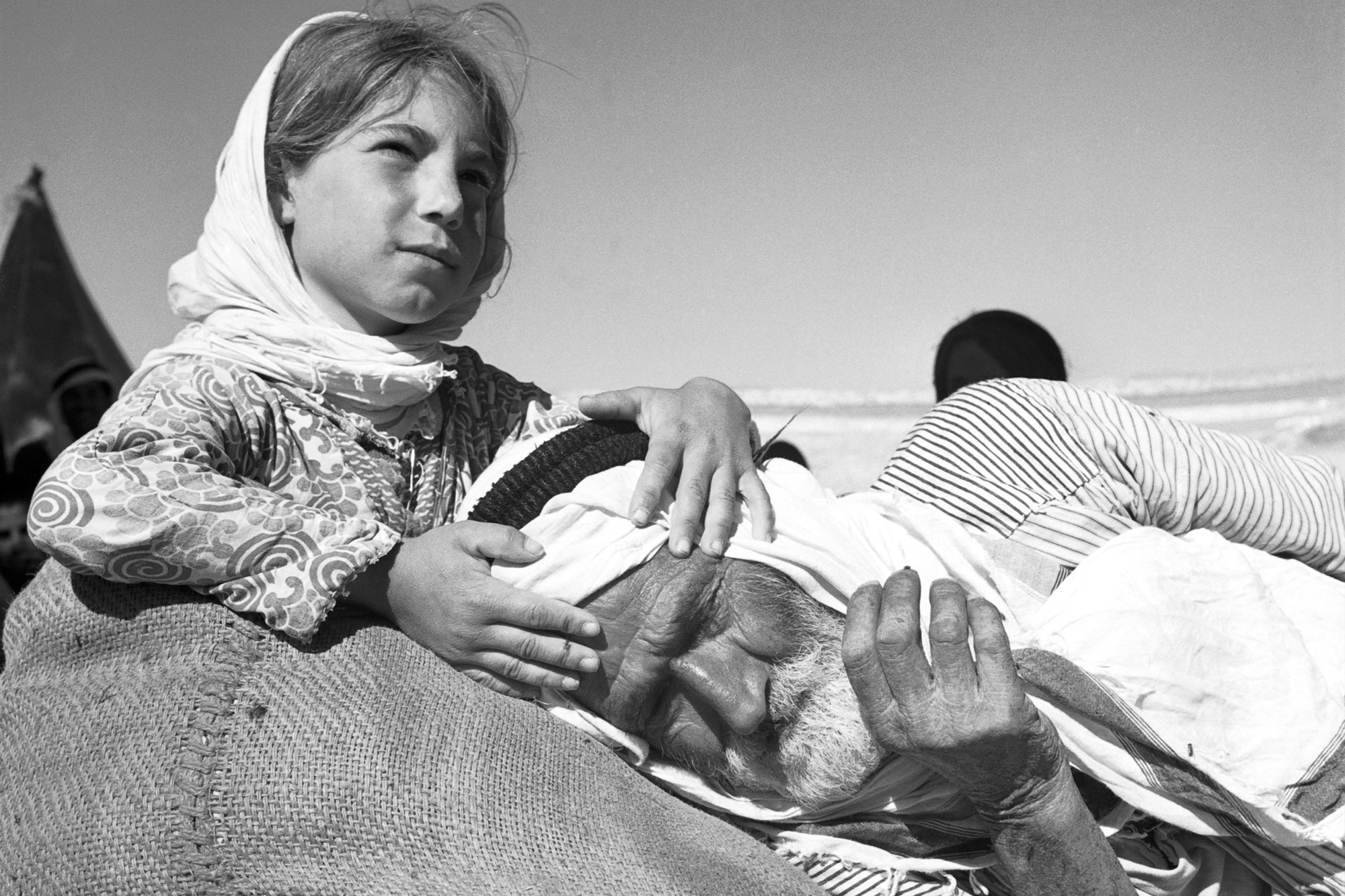
UN agencies are providing crucial support to millions of refugees worldwide as displacement reaches record levels. With over 110 million people forcibly displaced—including more than 59 million refugees and stateless individuals—UNHCR and UNRWA are leading humanitarian efforts in 135 countries. They offer essential aid like shelter, healthcare, education, and protection. Despite challenging conditions, UN field teams are on the ground, making sure refugees get the help they need while the global community works toward lasting solutions. The UN remains dedicated to protecting human rights.

The world is facing an escalating crisis for children, with over 473 million living in conflict zones in 2023—nearly doubling since the 1990s. There is an urgent need for resilient systems that support children's rights and well-being, driving sustained action to address these challenges and create a safer, more equitable future for all children. The protection, health, and welfare of children has been a focus of the United Nations since the time of the creation of the Organization in 1945. As we enter 2025, join us in supporting efforts to help children around the world.
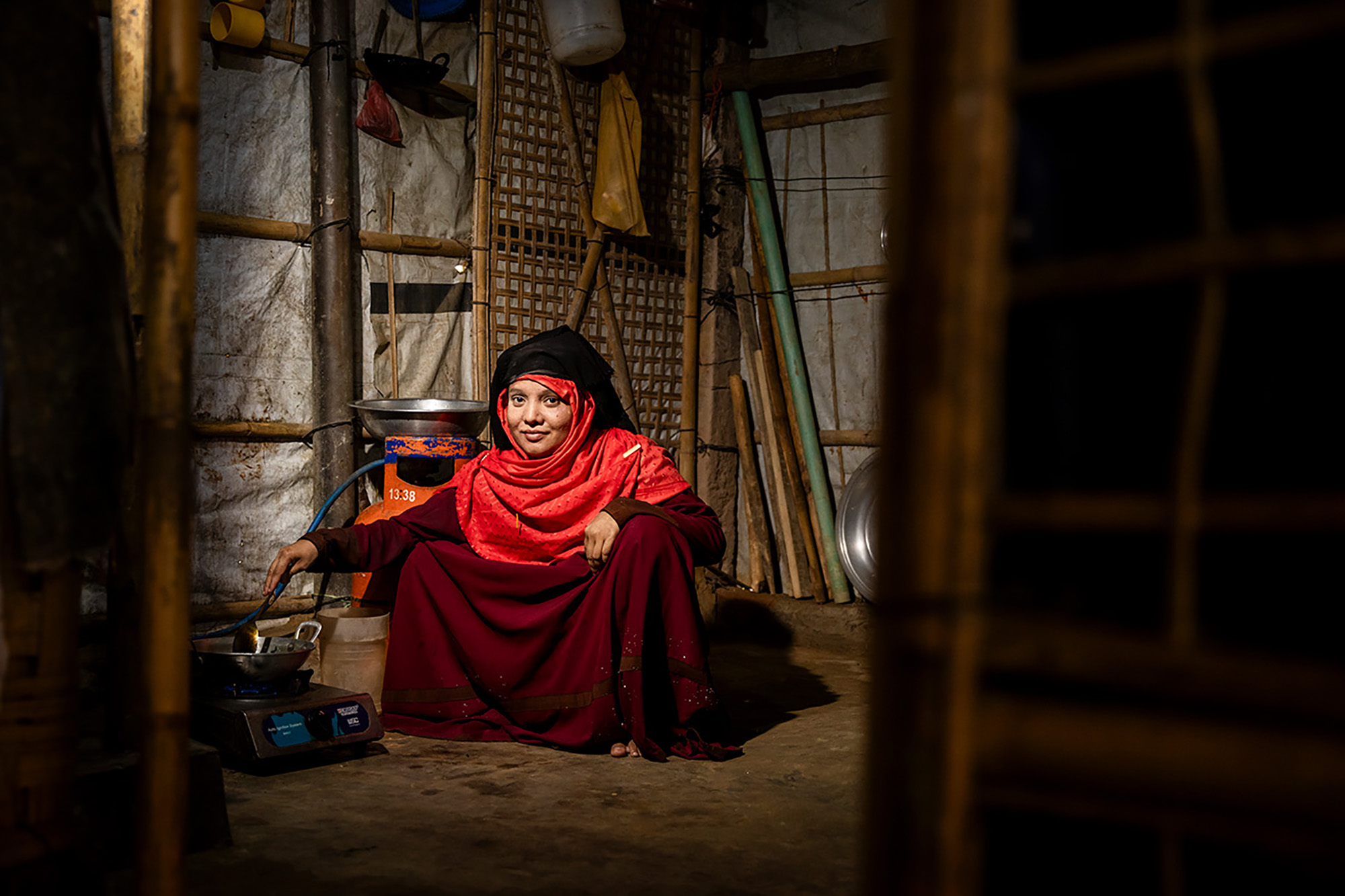
Global food production can feed everyone, yet hunger persists, affecting one in 11 people worldwide and one in five people in Africa. Our goal towards Zero Hunger by 2030 is off track, with nearly 600 million people likely to be chronically undernourished in six years. We require transformative changes and bigger investment in agriculture, closing urban-rural divides, and building efficient, sustainable, and resilient food systems. Our UN specialized agencies - FAO, World Food Programme, World Bank, and IFAD, among others - are there to help in the field.

Extreme heat affecting the health of 70% of the global workforce. Shifting weather patterns damaging our harvests. Rising sea levels increasing the chances of catastrophic floods. The impacts of climate change are global in scope and unprecedented in scale. Since the 1800s, human activities have been the main driver of climate change, primarily through the burning of fossil fuels such as coal, oil and gas. Without drastic action today, adapting to these impacts in the future will be more difficult and costly. We are at a defining moment to change the path of humanity.
Hello Future is a UNDP video series exploring the trends shaping our world. Today's episode explores the current cost-of-living and food insecurity crisis, fuelled in part by the COVID-19 pandemic and the war in Ukraine, impacting the entire world.
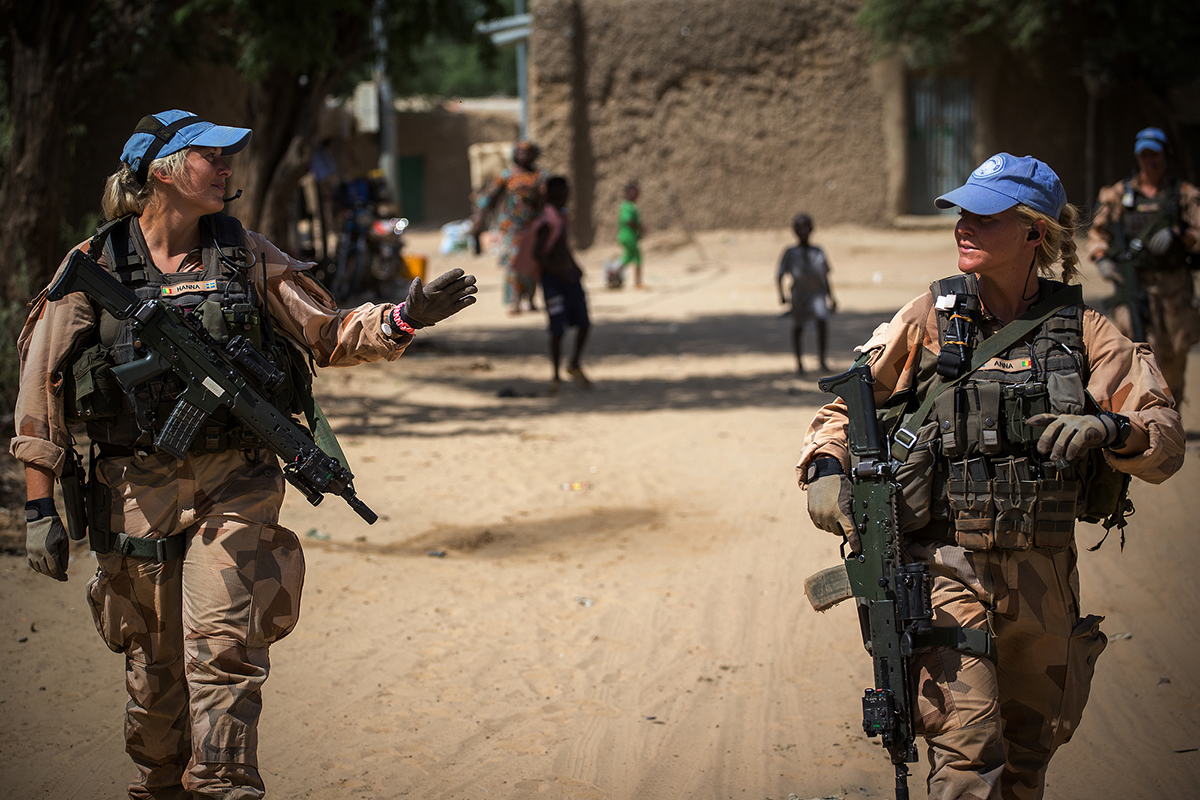
"To save succeeding generations from the scourge of war" are among the first very words of the UN Charter (in its Preamble), and those words were the main motivation for creating the United Nations, whose founders had lived through the devastation of two world wars by 1945. Since the UN's creation on 24 October 1945 (the date its Charter came into force), the United Nations has often been called upon to prevent disputes from escalating into war, or to help restore peace following the outbreak of armed conflict, and to promote lasting peace in societies emerging from wars.
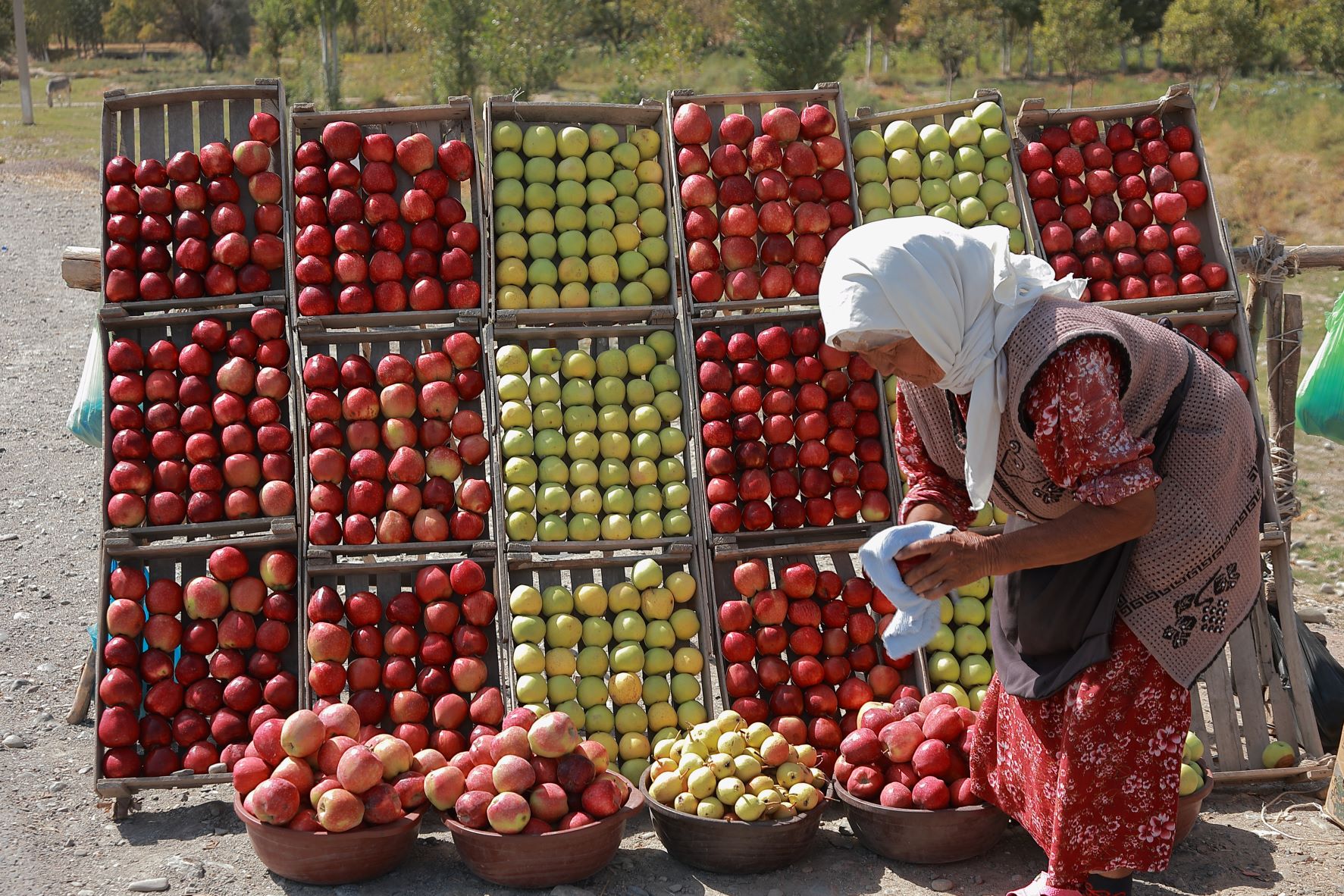
While global hunger numbers have stalled between 2021 and 2022, there are many places in the world facing deepening food crises. Africa remains the worst-affected region with one in five people facing hunger on the continent, more than twice the global average. According to the latest State of Food Security and Nutrition in the World (SOFI) report by FAO, over 122 million more people are facing hunger due to the pandemic and repeated weather shocks and conflicts.