Rays of hope for sustainable tuna
Canned tuna has been a great ally in our pantries around the world. Tuna is rich in Omega-3 and it also contains minerals, proteins, and vitamin B12, among other advantages.
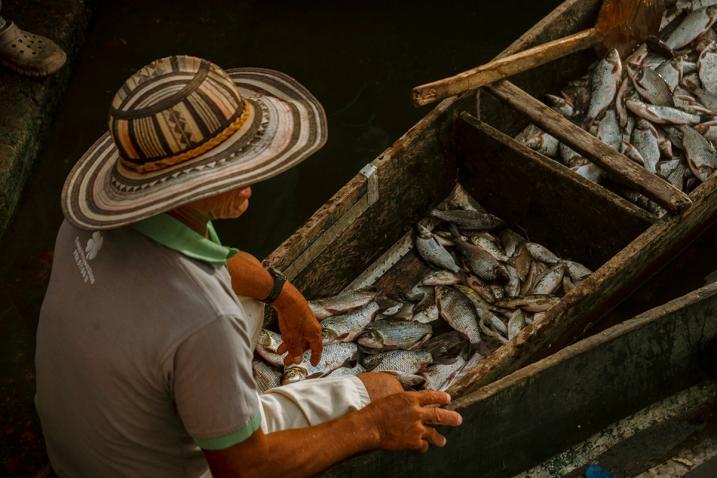
In the past, rising global demand for tuna put growing pressure on fisheries. In regions where management systems were fragmented or insufficient, this led to overfishing of some tuna stocks.
However, since the UN General Assembly designated May 2 as World Tuna Day 9 years ago to highlight the importance of responsible tuna fishing, significant progress has been made: In 2017, only 75% of the tuna catch came from healthy stocks free of overfishing; Today, it is estimated that 99% of commercial tuna catches come from stocks that are scientifically assessed to be biologically sustainable. For instance, Atlantic Bluefin tuna, once absent, are now common again in southern England and Ireland.
This recovery is thanks to coordinated efforts by governments through the five tuna regional fisheries management organizations. Their success stems from adopting management procedures. These are rules agreed upon by scientists, managers, and fishers before fishing begins. It is also driven by improved monitoring, control, and surveillance (MCS), including electronic monitoring, and investment in scientific training and data quality.
Sustainable tuna fishing by 2027
FAO’S Common Oceans Tuna project aims to ensure that all major tuna stocks are fished at sustainable levels by 2027, supporting more responsible tuna fisheries and biodiversity conservation. The project has developed a new e-learning course series: Management procedures for sustainable tuna fisheries and stepped up training to meet growing demand for capacity-building, as adoption of management procedures expands worldwide. It also promotes innovative electronic monitoring and traceability systems, alongside more eco friendly fishing practices. The data is encouraging. Out of the 23 tuna stocks, only two stocks are still subject to overfishing according to the latest numbers.
Maintain optimism, but also vigilance
However, vigilance remains essential. The 2023 UNCLOS Biological Diversity Beyond National Jurisdiction Agreement (‘the BBNJ’) entered into force in January 2026, giving impetus to global efforts to protect marine biodiversity in international waters. Still, challenges persist.
Climate change affects tuna reproduction and pushes them farther out to sea, raising costs and threatening coastal livelihoods in often poor coastal communities. Preventing seabirds, sharks, whales and turtles becoming accidentally caught in nets and on hooks as bycatch remains an ongoing struggle. Many species of the iconic albatross are threatened with extinction, largely, but not only due to getting caught on fishers’ hooks.
Continued global cooperation is key to achieving truly sustainable tuna fisheries and preparing for the challenges ahead.
Let's be optimistic about the tuna of tomorrow and remain committed to protecting it.
Did you know?
- Out of the 23 tuna stocks, only two stocks are still being overfished according to the latest data. In 2017, 33.3 percent of the stocks were estimated to be fished at biologically unsustainable levels.
- Two thirds of the principal tuna species caught for food are caught in the Pacific Ocean, 23 percent from the Indian Ocean and the remaining 11 percent is caught in the Atlantic.
- Tuna fish are warm blooded apex predators that can dive deep for food and swim up to 43 kilometers an hour when hunting or escaping predators.
- They are highly migratory with some tuna species travelling thousands of miles oceans. They also travel in schools up to 19 miles wide.
Related links
- Resolution establishing the International Day
- Tuna Market Reports
- Tuna, a global perspective
- FAO Fisheries and Aquaculture
- Globefish
- FAO Global Tuna Atlas
- Review of the state of world marine fishery resources
- FAO unveils management procedures e-learning series
- Strengthening cooperation and capacity for fisheries management in the Mediterranean
- Goal 14 -SDGs: Life below water