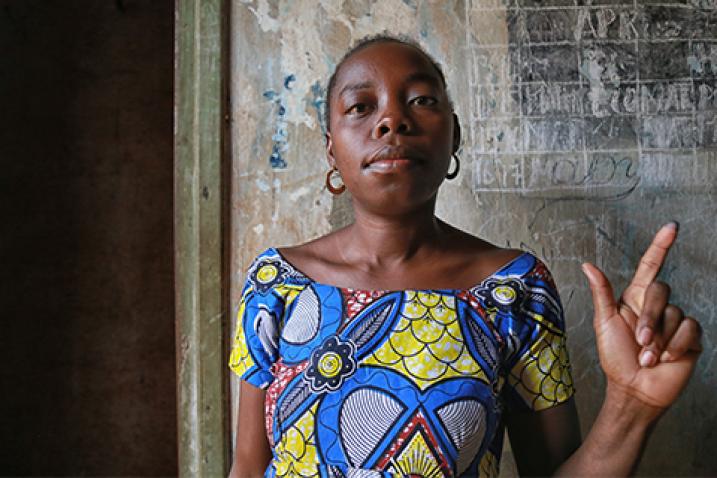
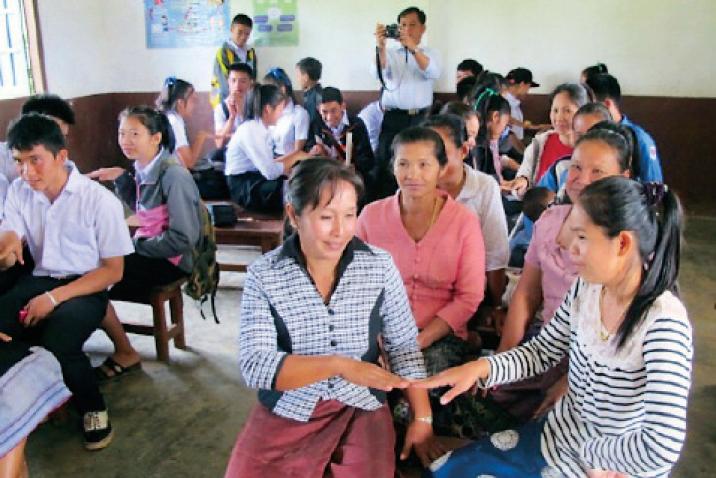
When every voice counts, democracy delivers
Governance systems can create meaningful opportunities for people to influence the decisions that affect their lives. Through dialogue, collaboration, and working to understand different points of view we ensure that no one is left behind.
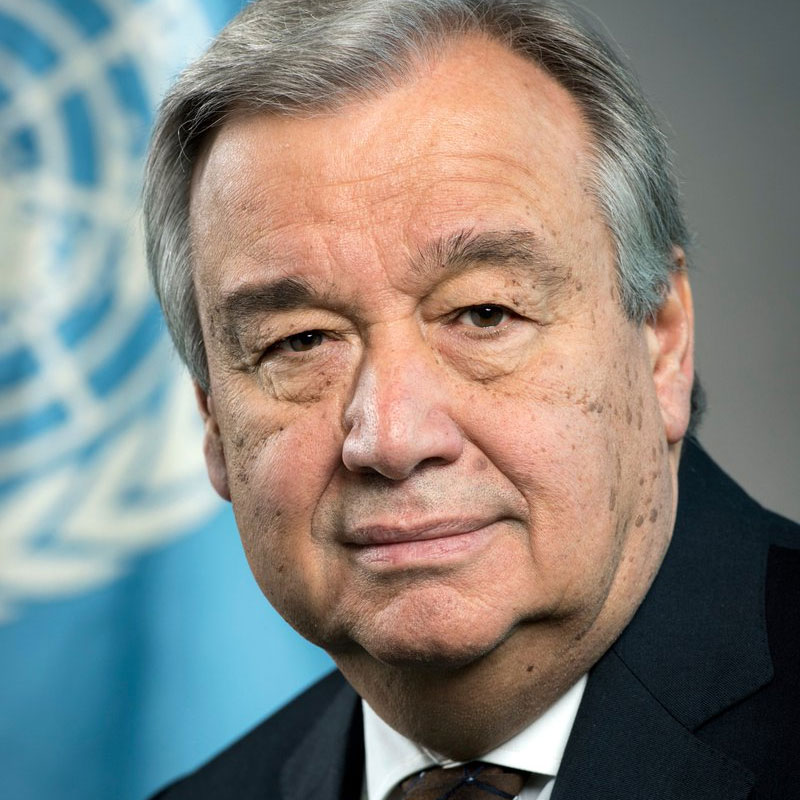
Marking the International Day of Democracy 2026 United Nations Secretary-General António Guterres emphasized “the importance of bringing together people from across societies to enrich decision making, foster trust, and build more peaceful, inclusive, and resilient societies.”
The United Nations Democracy Fund, United Nations Office for Partnerships will host an event on the International Day of Democracy on Tuesday 15th September at UN Headquarters to highlight how deliberative democracy can foster greater agency and ownership by bringing diverse voices into decision-making.
The event will reflect on experiences from citizens’ assemblies across the globe and explore how participation, dialogue and inclusion can strengthen trust and contribute to more responsive, accountable and effective governance.
UNDEF: Powering democracy with people first
For more than 20 years the United Nations Democracy Fund (UNDEF) has played a crucial role in advancing democratic values across the globe. Since its founding, UNDEF has supported civil society, inclusive participation, and strengthened institutions that uphold human rights and the rule of law. Its projects have reached grassroots communities, giving voice to the marginalized, promoting gender equality, and encouraging transparent governance. Through funding more than one thousand initiatives, UNDEF has become a vital force in helping people shape their own futures through dialogue, civic engagement, and democratic innovation.
Over two decades, UNDEF's impact has been especially significant in places where democracy is fragile or under threat. By investing in civil society organizations, independent media, and youth-led movements, the Fund has helped create resilient democratic cultures from the ground up. In an era marked by disinformation, authoritarianism, and shrinking civic space, UNDEF’s work remains more relevant than ever. As we mark this 20-year milestone, we celebrate not only the Fund's achievements, but also the courage of the individuals and communities it supports—those who continue to defend democracy as a force for dignity, inclusion, and peace.
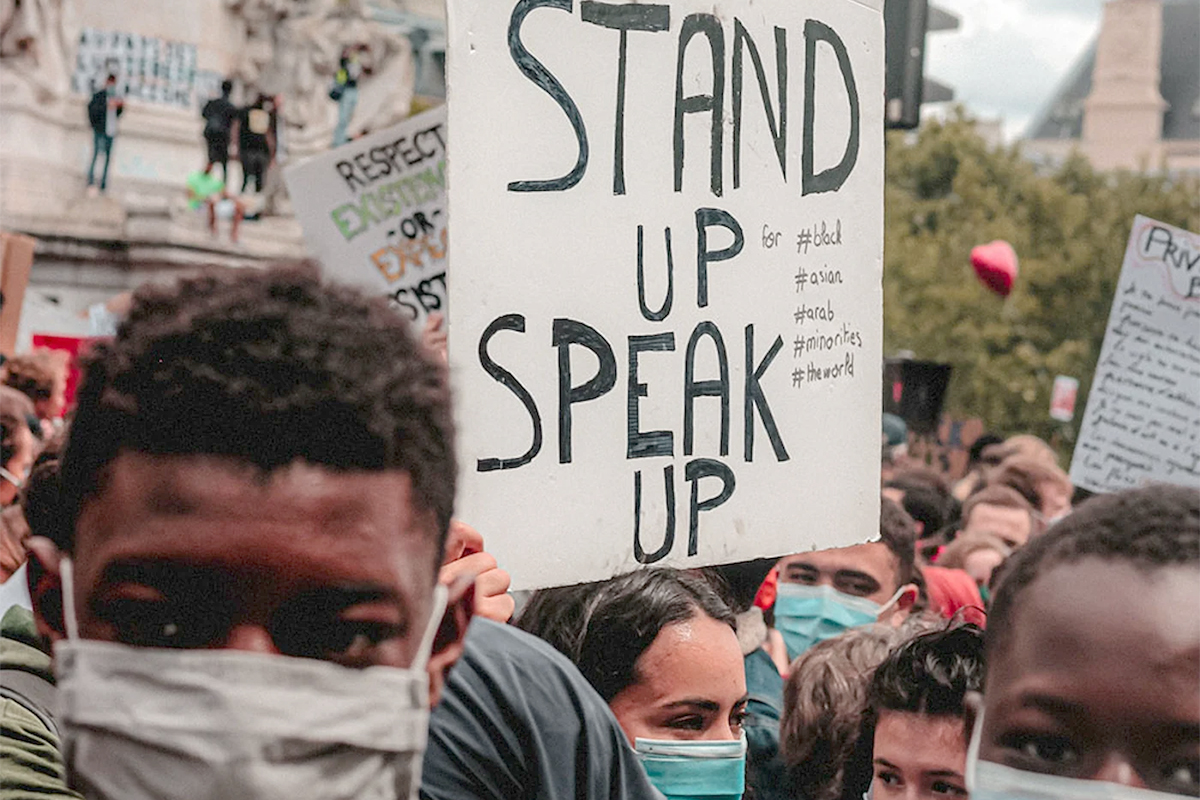
Stories from the UN System
The UN promotes good governance, monitors elections, supports the civil society to strengthen democratic institutions and accountability, ensures self-determination in decolonized countries, and assists in the drafting of new constitutions in post-conflict nations. Read some stories about how the UN supports democracy.
Background
The International Day of Democracy provides an opportunity to review the state of democracy in the world. Democracy is as much a process as a goal, and only with the full participation of and support by the international community, national governing bodies, civil society and individuals, can the ideal of democracy be made into a reality to be enjoyed by everyone, everywhere.
Freedom of expression is a fundamental human right, enshrined in Article 19 of the Universal Declaration of Human Rights. But around the world, there are governments and those wielding power who find many ways to obstruct it.
Article 19 of the Universal Declaration of Human Rights states, “Everyone has the right to freedom of opinion and expression; this right includes freedom to hold opinions without interference and to seek, receive and impart information and ideas through any media and regardless of frontiers.”
The link between democracy and press freedom is also enshrined in the International Covenant on Civil and Political Rights.
Each time we choose dialogue over division, and cooperation over confrontation, we strengthen democracy.
UN Secretary-General António Guterres
2026 Events
Raising Hands and Voices
15 September 1:00 - 2:00 PM
The Goals Lounge, UNHQ, New York
Watch Live on UN Web TV
UN Democracy Fund - UN Partnerships | Special Event
Watch
Why democracy matters now
Read
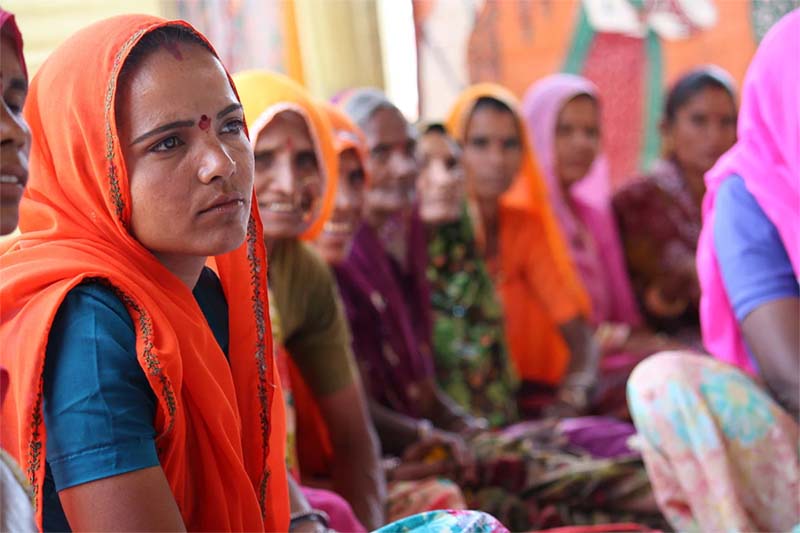
Five actions to boost women’s political participation
Women’s political participation is critical for a well-functioning democracy. Find out why there are so few women in decision-making and what can be done to close the gap.
Resources
- Department of Political Affairs: Electoral Assistance Division
- The United Nations and the Rule of Law
- UN Democracy Fund (UNDEF)
- UN Development Programme (UNDP) - “Democratic Governance”
- OHCHR and Democracy
- Rule of Law – Right to the truth
- UNESCO’s Recommendation on the Ethics of Artificial Intelligence
- UN Office on Drugs and Crime (UNODC), Good Governance
- UN Women: Democratic Governance
- Past events for the International Day of Democracy