
Secretary-General's Call to Action on Extreme Heat
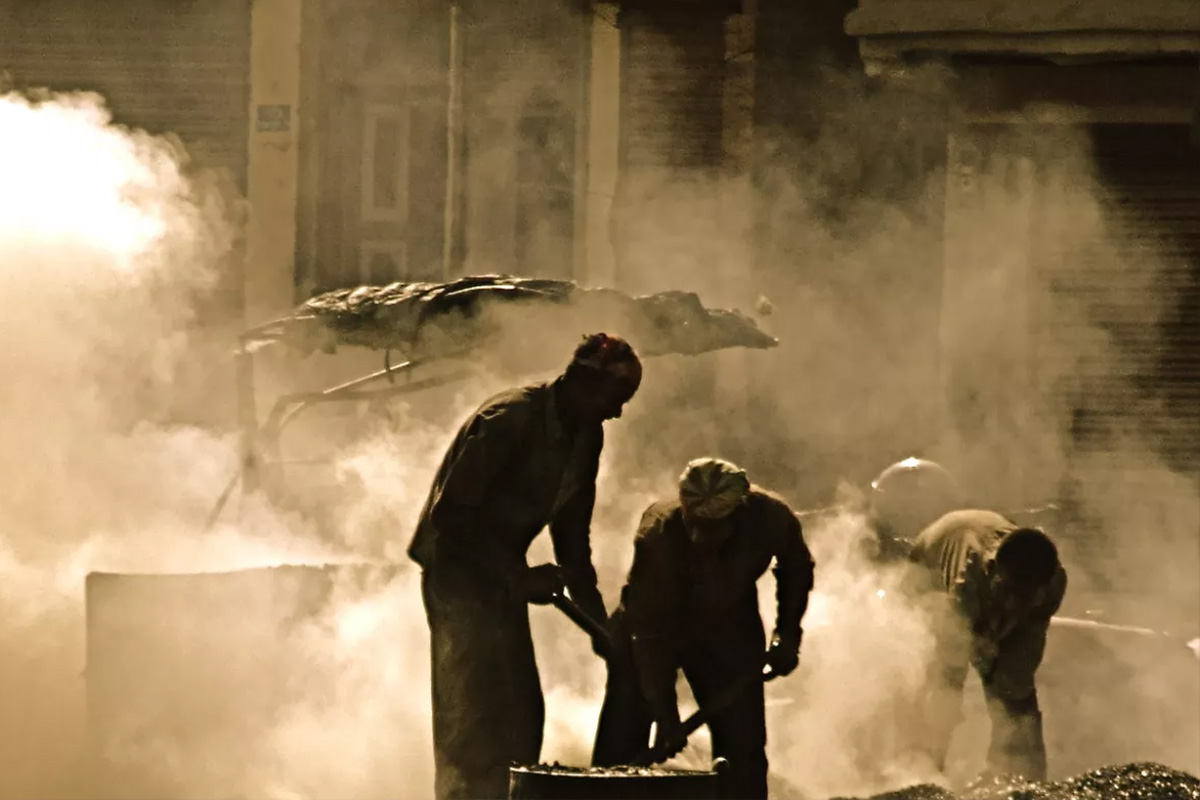
Crippling heat is everywhere. Billions of people around the world are wilting under increasingly severe heatwaves driven largely by a fossil-fuel charged, human-induced climate crisis. More than 70 per cent of the global workforce – 2.4 billion people – are now at high risk of extreme heat. The most vulnerable communities are hit hardest.
In response to the rapid rise in the scale, intensity, frequency and duration of extreme heat, UN Secretary-General António Guterres has called for an urgent and concerted effort to enhance international cooperation to address extreme heat.
In the face of scorching heat domes and raging wildfires, the Secretary-General renewed his appeal in July 2026 for action in four areas:
- Protect people before heat becomes deadlier.
- Make work safer.
- Build and retrofit for the heat that is coming.
- Stop fueling the crisis.
Strengthening Global Action
The UN Secretary-General's Call to Action on Extreme Heat brings together the diverse expertise and perspectives of ten specialized UN entities (FAO, ILO, OCHA, UNDRR, UNEP, UNESCO, UN-Habitat, UNICEF, WHO, WMO) in a first-of-its-kind joint product, underscoring the multi-sectoral impacts of extreme heat. In support of the Call to Action, the Global Heat Health Information Network launched a set of Heat Action profiles, mapping heat-related work across 16 UN and international organizations.
Call to Action HEAT ACTION PROFILES
Every city and country should have heat-health action plans, early warning systems and public health measures that reach every community in time.
ANTÓNIO GUTERRES, United Nations Secretary-General (31 July 2026)

Learn more
Workers, Jobs, Employment
Heat and Health
- Heat action across UN Entities and international organizations
- Global standards, good practices and partnerships
- Case studies in heat resilience
- Heat and Health factsheet
- Heat and health in the European region
- Checklists to assess vulnerabilities in health care facilities in the context of climate change
- Extreme heat - ClimaHealth
Sustainable Cooling

Human Security and Mobility
Women and Children