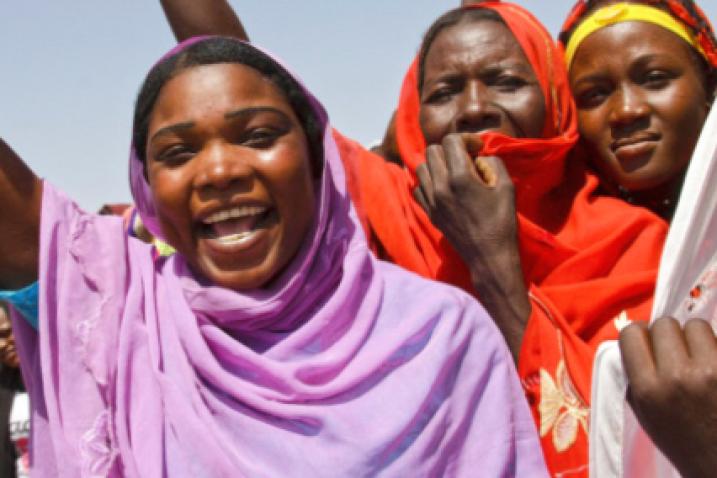
Weaponizing vulnerability in times of war
Sexual violence against children is one of the six grave violations identified and condemned by the United Nations Security Council, forming part of its framework to monitor and respond to abuses in armed conflict.
In contemporary conflicts, sexual violence has become increasingly prevalent, often occurring in environments where the rule of law has collapsed. It is frequently used deliberately as a tactic of war to terrorize communities, force displacement, or assert control over populations.
Both girls and boys are affected, although their experiences are often underreported or misunderstood. In some contexts, harmful practices exploit children systematically, reflecting the breakdown of institutions meant to protect them.
Lasting scars and the pursuit of justice
The impacts of sexual violence on children are devastating and long-lasting. Survivors often suffer severe psychological trauma, along with physical health consequences such as sexually transmitted infections and early pregnancies.
Social stigma compounds these harms, particularly for girls associated with armed groups, making reintegration into their communities extremely difficult. Young mothers and children born of rape face heightened vulnerability to exploitation, including trafficking and forced labor.
Consequences and legal accountability
International law clearly prohibits sexual violence against children. Such acts constitute serious human rights violations and may amount to war crimes or crimes against humanity under the Rome Statute of the International Criminal Court.
Security Council resolution 1882 (2009) recognizes sexual violence against children as a priority concern and calls for concrete action plans to address it. It also serves as a trigger for listing perpetrators, reinforcing accountability mechanisms and strengthening global efforts to protect children in situations of armed conflict.

2026 Event
Conflict-Related Sexual Violence Against Children Safeguarding Futures and Empowering Caregivers
Thursday, 19 June 2026
10 a.m. to 1 p.m. EDT
Conference Room 11, UNHQ, New York
Event to commemorate the 12th official observance of the International Day for the Elimination of Sexual Violence in Conflict co-hosted by the Office of the SRSG on Sexual Violence in Conflict, the Office of the SRSG for Children and Armed Conflict, and the Permanent Mission of Argentina to the United Nations.
Background
Definition and prevalence
The term “conflict-related sexual violence” refers to rape, sexual slavery, forced prostitution, forced pregnancy, forced abortion, enforced sterilization, forced marriage and any other form of sexual violence of comparable gravity perpetrated against women, men, girls or boys that is directly or indirectly linked to a conflict. The term also encompasses trafficking in persons when committed in situations of conflict for the purpose of sexual violence or exploitation.
A consistent concern is that fear and cultural stigma converge to prevent the vast majority of survivors of conflict-related sexual violence from coming forward to report such violence. Practitioners in the field estimate that for each rape reported in connection with a conflict, 10 to 20 cases go undocumented.
UN Resolutions
On 19 June 2015, the United Nations General Assembly (A/RES/69/293) proclaimed 19 June of each year the International Day for the Elimination of Sexual Violence in Conflict, in order to raise awareness of the need to put an end to conflict-related sexual violence, to honour the victims and survivors of sexual violence around the world and to pay tribute to all those who have courageously devoted their lives to and lost their lives in standing up for the eradication of these crimes.
The date was chosen to commemorate the adoption on 19 June 2008 of Security Council resolution 1820 (2008), in which the Council condemned sexual violence as a tactic of war and an impediment to peacebuilding.
In response to the rise in violent extremism, the Security Council adopted resolution S/RES/2331 (2016), the first to address the nexus between trafficking, sexual violence, terrorism and transnational organized crime. Acknowledging sexual violence as a tactic of terrorism, it further affirmed that victims of trafficking and sexual violence committed by terrorist groups should be eligible for official redress as victims of terrorism.
Resources
- General Assembly resolution establishing the International Day (A/RES/69/293)
Reports of the Secretary-General on conflict-related sexual violence
- 2026: S/2026/321
- 2025: S/2025/389
- 2024: S/2024/292
- 2023: S/2023/413
- 2022: S/2022/272
- 2021: S/2021/312
- 2020: S/2020/487
Other reports
- Conflict Related Sexual Violence MPTF Annual Progress Report 2025
- Team of Experts Report 2024
- Team of Experts Report 2023
- Team of Experts Report 2022
- Team of Experts Report 2021
- Team of Experts Report 2020
- UN Action Against Sexual Violence in Conflict (UN Action):
- More reports
Publications
Related websites
- Say #NoToHate
- Stop Rape Now: UN Action Against Sexual Violence in Conflict
- Special Representative of the Secretary-General on Sexual Violence in Conflict
- UN Team of Experts on the Rule of Law and Sexual Violence in Conflict
Multimedia
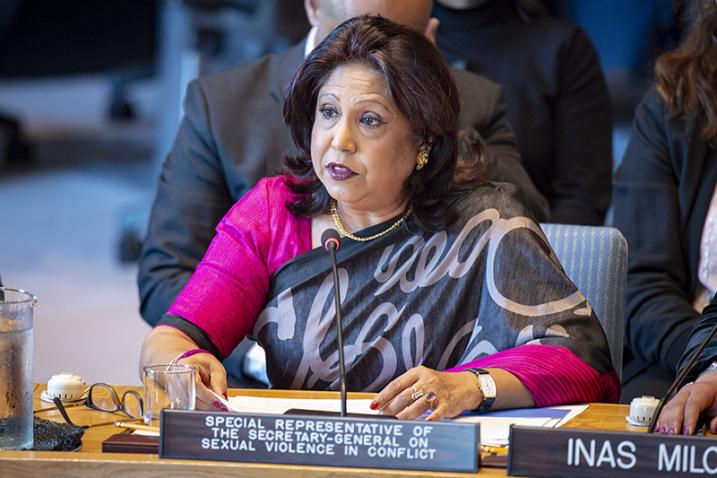
"If you look at the history of war, and the conflicts around the world, and time immemorial, sexual violence has been used in every war as a tactic of war" - Pramila Patten (Secretary-General's Special Representative on Sexual Violence in Conflict)
Listen to the interview in Awake at Night S3-Episode 26: It Breaks Your Heart to Hear About the Brutality
Exhibition

Photo Exhibition: From Despair to Hope: Children Beyond Armed Conflict