2026 Theme: Sport: Building Bridges, Breaking Barriers
The 2026 International Day of Sport for Development and Peace will spotlight the theme “Sport: Building Bridges, Breaking Barriers,” underscoring sport’s unique capacity to foster connection, inclusion, and peace in an increasingly fragmented world.
As a universal language that transcends cultural, social, and boundaries, sport serves as a powerful catalyst for social transformation. Sport connects communities across borders and generations, reducing isolation among marginalized groups, and creating spaces for dialogue, solidarity, and mutual respect.
The 2026 International Day will highlight evidence-based approaches and best practices demonstrating how sport contributes measurably to the 2030 Agenda for Sustainable Development, particularly in advancing health, gender equality, reduced inequalities, and peaceful, inclusive societies. Through dialogue, partnerships, and shared experiences, IDSDP 2026 will reaffirm sport’s role as a strategic tool for building bridges between people and breaking down barriers to inclusion, leaving no one behind.
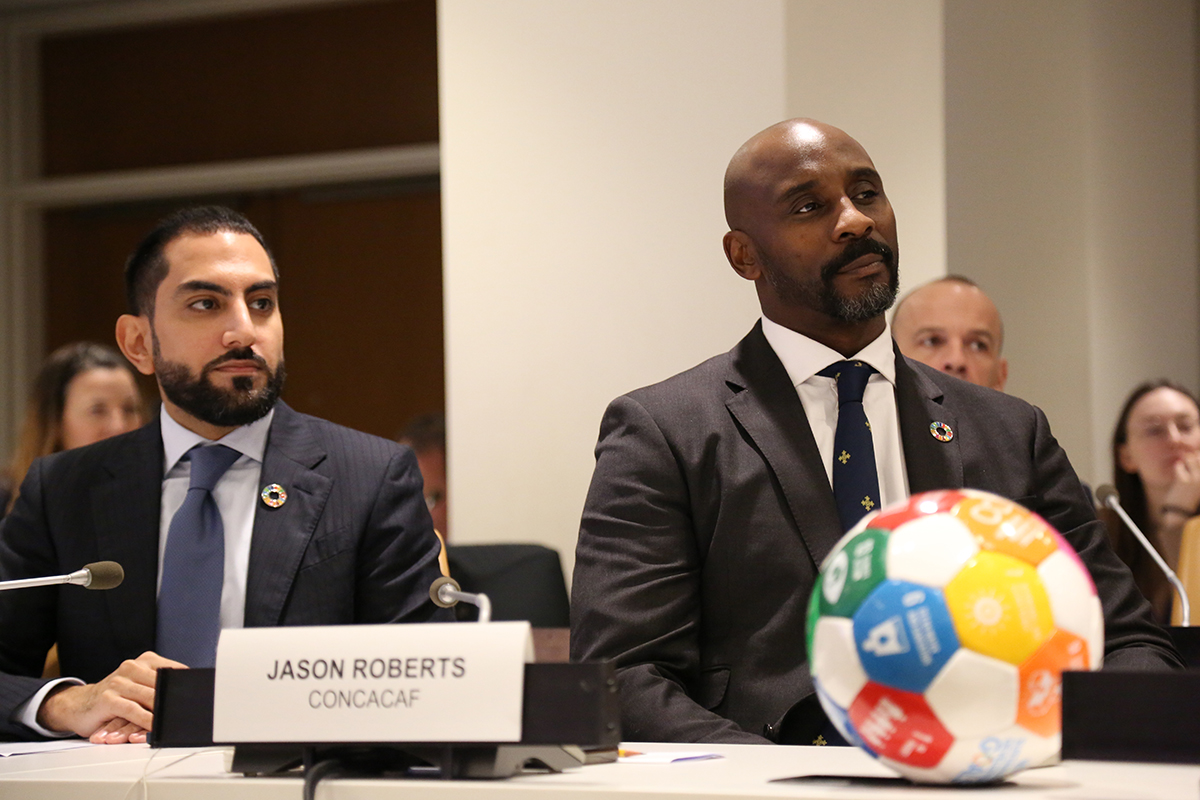
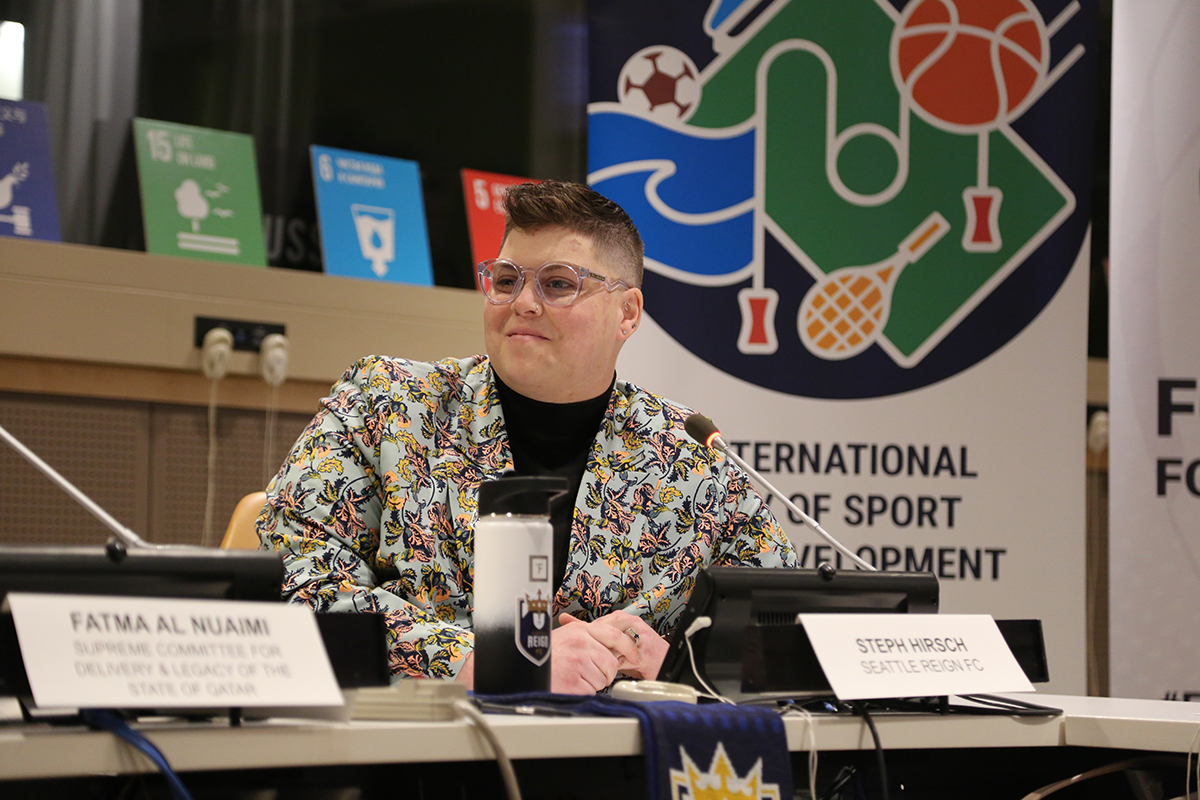
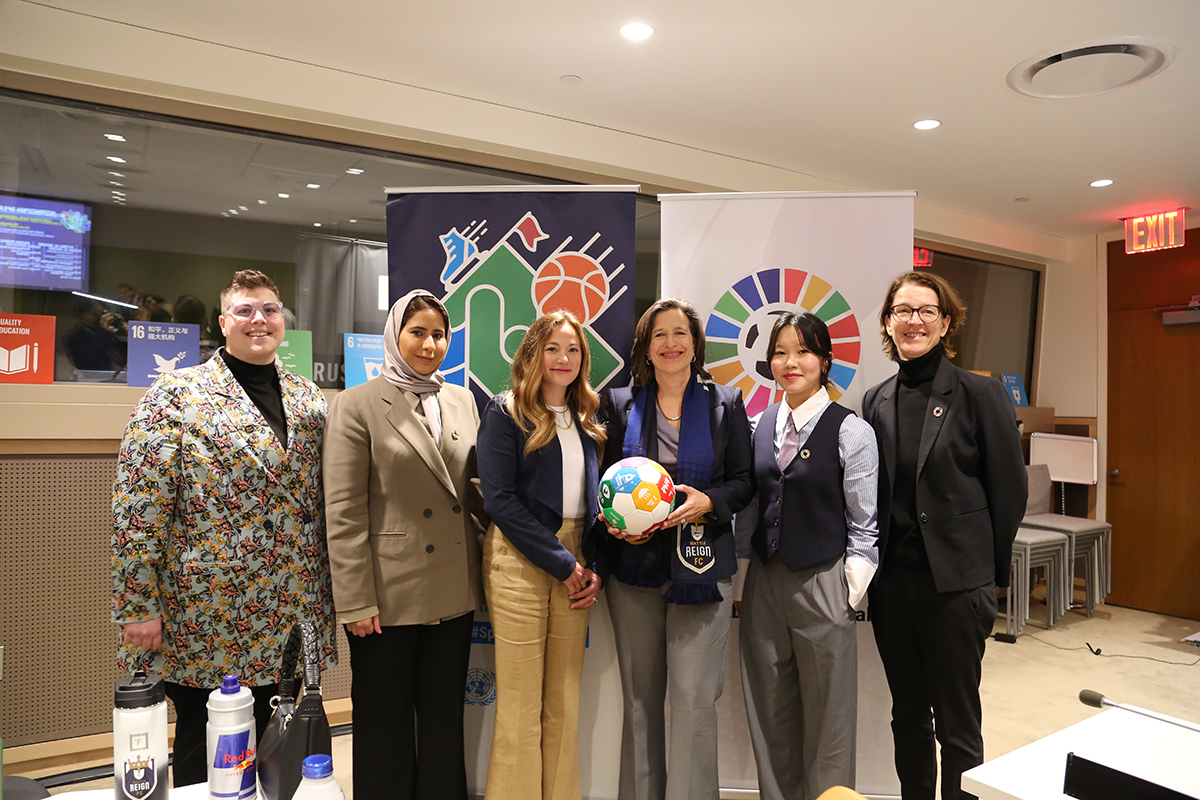
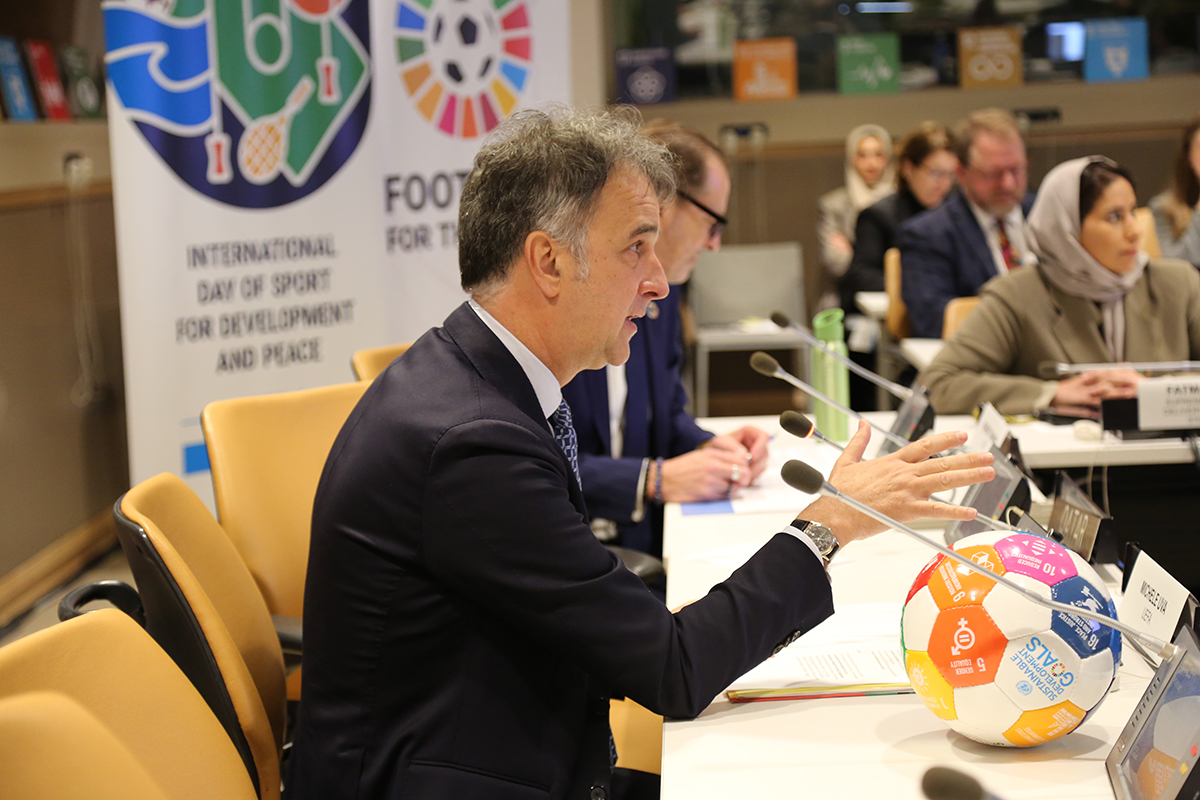
UN Photo/Yutong Guo

Background
Due to its vast reach, unparalleled popularity and foundation of positive values, sport is ideally positioned to contribute towards the United Nations’ objectives for development and peace.
To raise awareness of this potential, 6 April was declared as the International Day of Sport for Development and Peace (IDSDP) by the UN General Assembly. The adoption of this Day signifies the increasing recognition by the UN of the positive influence that sport can have on the advancement of human rights, and social and economic development.
In its Resolution (A/RES/67/296) establishing the Day, the General Assembly
invites States, the United Nations system and, in particular, the United Nations Office on Sport for Development and Peace, relevant international organizations, and international, regional and national sport organisations, civil society including, non-governmental organizations and the private sector, and all other relevant stakeholders to cooperate, observe and raise awareness of the International Day of Sport for Development and Peace."
The power of sport values
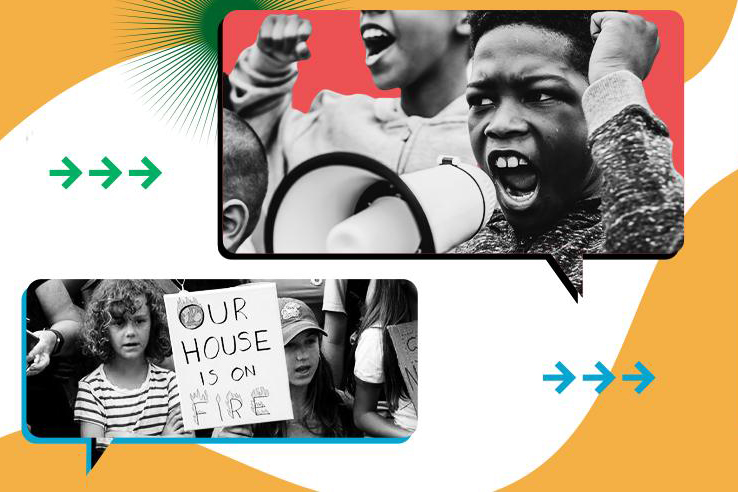
Sports can play a key role in bringing people together and championing climate action. Read more about youth in action here.
Related observances
- International Day of Living Together in Peace: 16 May
- World Fair Play Day : 19 May
- World Football Day : 25 May
- World Bicycle Day: 3 June
- International Day of Yoga: 21 June
- International Day of Peace: 21 September
- International Day for the Eradication of Poverty: 17 October
- International Human Solidarity Day: 20 December
- World Basketball Day : 21 December