Her Health is A Right: Invest in Ending Fistula and Childbirth Injuries
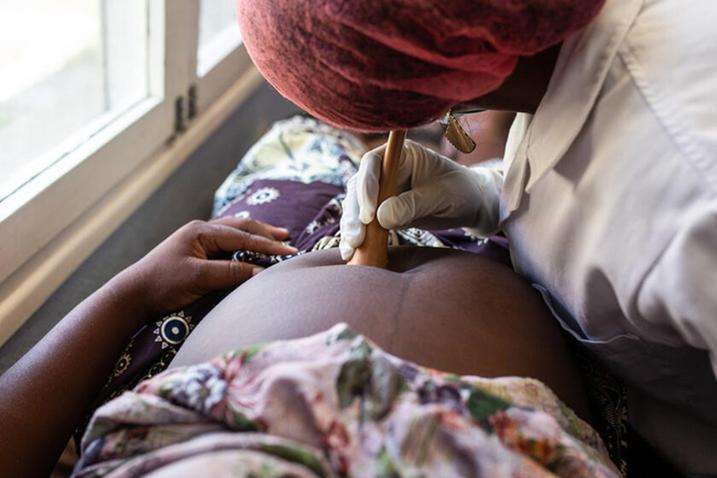
Obstetric fistula is preventable and treatable — and ending it is within our reach. Caused by prolonged, obstructed labour without timely care, it reflects deep inequalities in access to quality health services.
Although the number of obstetric fistula have declined over the past two decades, too many women and girls — especially the most vulnerable — still live with its devastating, lifelong consequences, including stigma, poor health and lost opportunities.
Ending fistula means ensuring that maternal health goes beyond survival. Every woman has the right not only to survive childbirth, but to thrive. This requires universal access to quality maternal care, including timely emergency and surgical services, as well as sustained support for survivors’ reintegration, dignity and well-being.
Accelerating progress is both urgent and smart. Investing in prevention and treatment reduces long-term costs, strengthens health systems and enables women to participate fully in society. Turning commitments into sustained, data-driven action is essential to reach those most at risk and finally end obstetric fistula.
Political pledges must be translated into sustained financing for health systems, so that they are equipped and accountable for delivering quality care to every woman, especially the most marginalized.
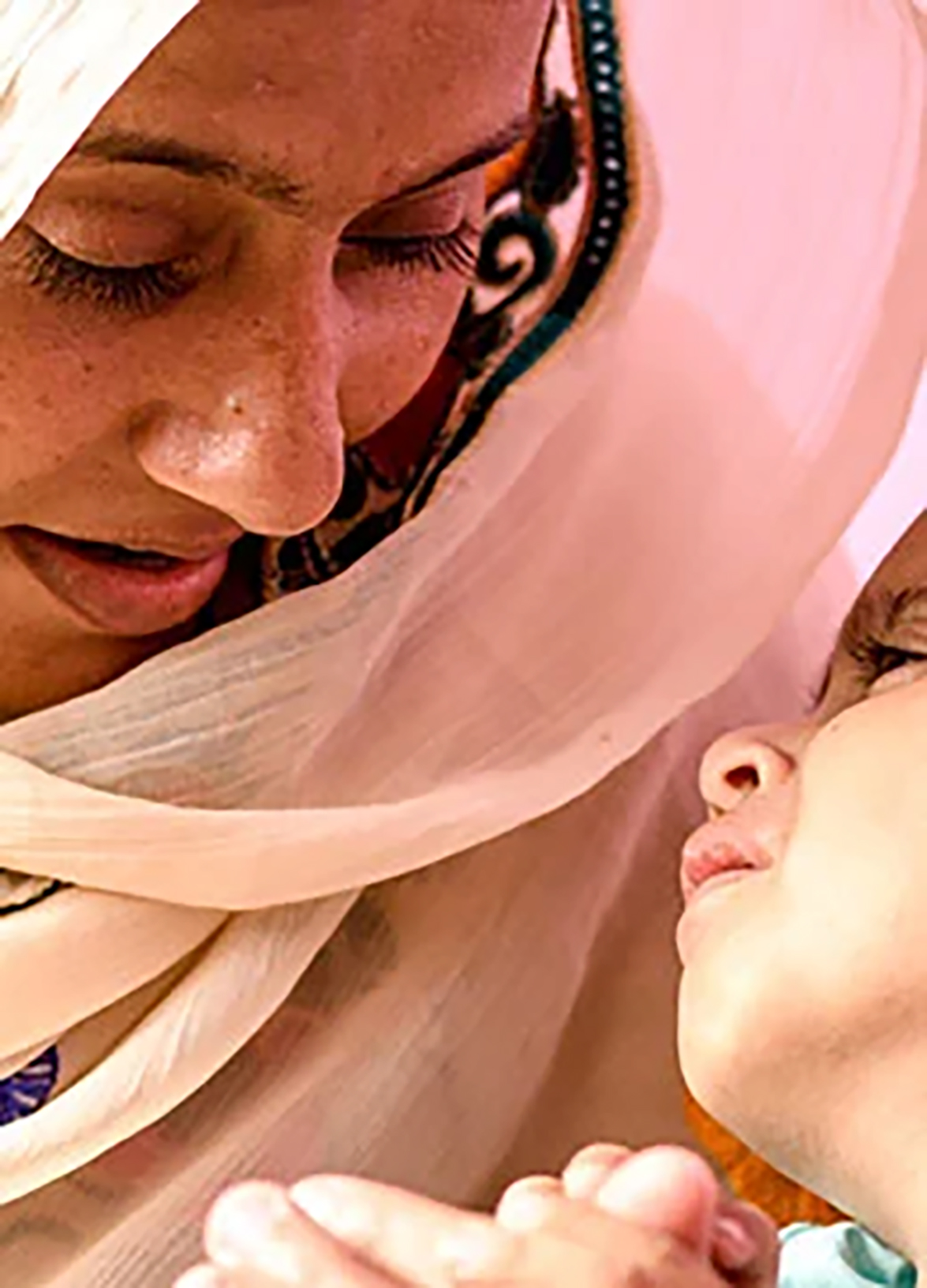
UNFPA leads the global Campaign to End Fistula, a drive to transform the lives of vulnerable women and girls.
The 21-year-old campaign represents a global commitment to fistula prevention and holistic treatment, including surgical repair and social reintegration and rehabilitation. Despite progress, elimination by 2030 demands accelerated action, starting now.
Obstetric Fistula Remains a Silent Crisis
Obstetric fistula is one of the most serious and tragic childbirth injuries. A hole between the birth canal and bladder and/or rectum, it is caused by prolonged, obstructed labour without access to timely, high-quality medical treatment. It leaves women and girls leaking urine, faces or both, and often leads to chronic medical problems, depression, social isolation and deepening poverty.
Half a million women and girls in sub-Saharan Africa, Asia, the Arab States region and Latin America and the Caribbean are estimated to be living with fistula, with new cases developing every year. Yet fistula is almost entirely preventable.
Its persistence is a reminder of gross inequities, a sign of global inequality and an indication that health and social systems are failing to protect the health and human rights of the poorest and most vulnerable women and girls.
As the leader of the global , the United Nations Population Fund (UNFPA) provides strategic vision, technical guidance and support, medical supplies, training and capacity building, as well as funds for fistula prevention, treatment and social reintegration and advocacy programmes. UNFPA also strengthens sexual and reproductive health care including timely and quality emergency obstetric services to prevent obstetric fistula from occurring in the first place.
Did you know?
- For every maternal death, 20–30 women suffer severe complications or lifelong disability.
- Around 500,000 women and girls live with obstetric fistula worldwide—down from 2 million two decades ago.
- About 15% of pregnancies involve life-threatening obstetric complications.
- More than 13% of fistula cases are caused by surgical error during C-sections or other procedures.
- Nearly 97% of cases are concentrated in sub-Saharan Africa and Asia–Pacific; prevalence reaches 86 per 100,000 women in the Arab States and 145 per 100,000 in Afghanistan.
- Since 2003, UNFPA has supported over 153,000 fistula repair surgeries.
- Untreated fistula costs an estimated $691 million in lost productivity each year.
Related links
- Campaign to end Fistula
- UN Population Fund (UNFPA)
- Nairobi Summit Commitments on ICPD25
- World Health Organization - 10 facts about obstetric fistula
- WHO: End fistula. Restore Women's Dignity
Related documents
- UN Secretary General’s Report
- Resolution on supporting efforts to end obstetric fistula (2012)
- Resolutions on intensification of efforts to end obstetric fistula (2014 and 2018)