
Watch
It’s time to end the needless suffering caused by obstetric fistula
Obstetric fistula is preventable and treatable. Yet thousands of women and girls suffer from the painful realities of living with it. Let UNFPA—the United Nations sexual and reproductive health agency—explain the traumatic consequences of this serious childbirth injury and why we need to end fistula.
Listen
Fistula in Africa song
Baay Bia (from Senegal), in collaboration with the Fistula Foundation, produced this song featuring Adiona Maboreke (Zimbabwe), Alvina Gachugu (Kenya), Roseliane Vavy (Madagascar), Wendy Harawa (Malawi) and Mamadou Deme (Mauritania) for the fistula awareness campaign.
Read

From isolation to dignity: Somali women reclaim life after fistula
After years of pain and isolation from childbirth injuries, women in Somalia are reclaiming their lives through life-changing fistula surgery and community support. Their journeys—from stigma to healing—highlight both the human cost of inadequate maternal care and the transformative power of access to treatment.

Healing and hope for women in Tigray, Ethiopia
During the Tigray conflict, Yemane Mihret, 26, experienced a desert birth, leading to obstetric fistula. Luckily, she received successful surgery in Mekelle, supported by UNFPA's initiatives to address fistula in the war-torn region.
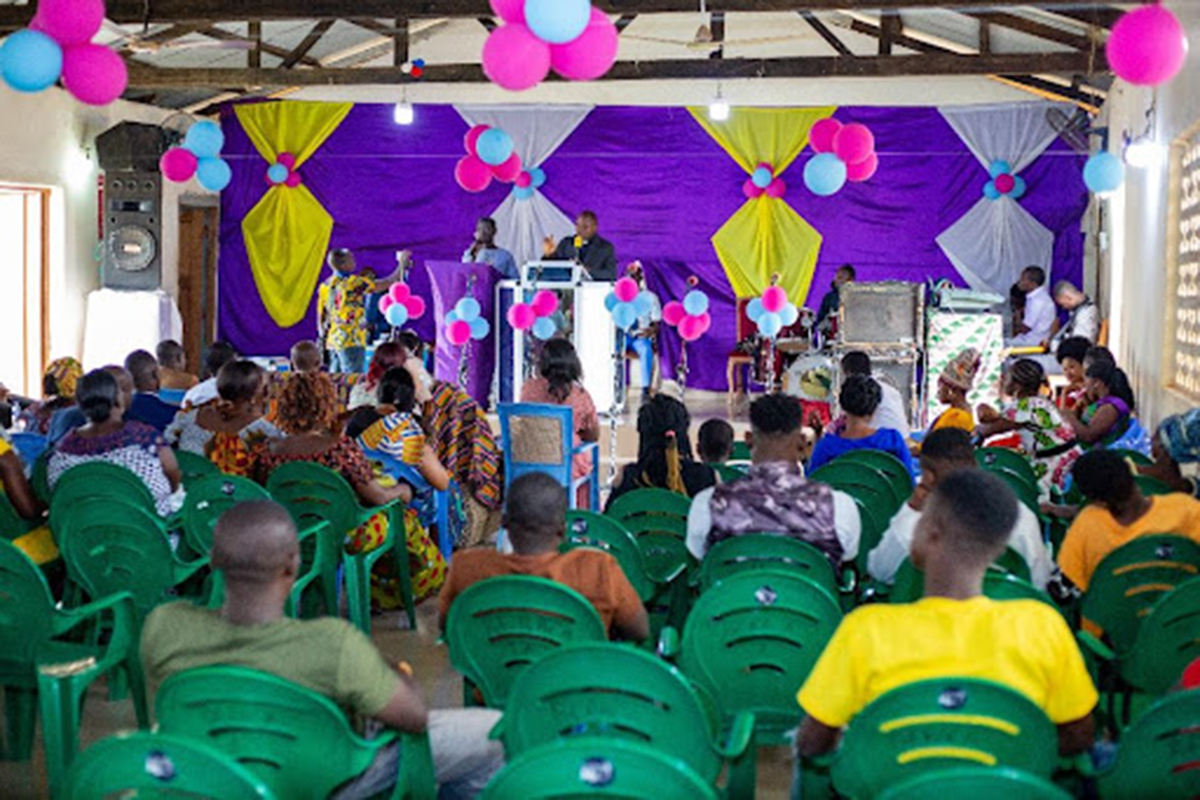
Prevention, treatment, reintegration and advocacy: How UNFPA and partners work to end obstetric fistula
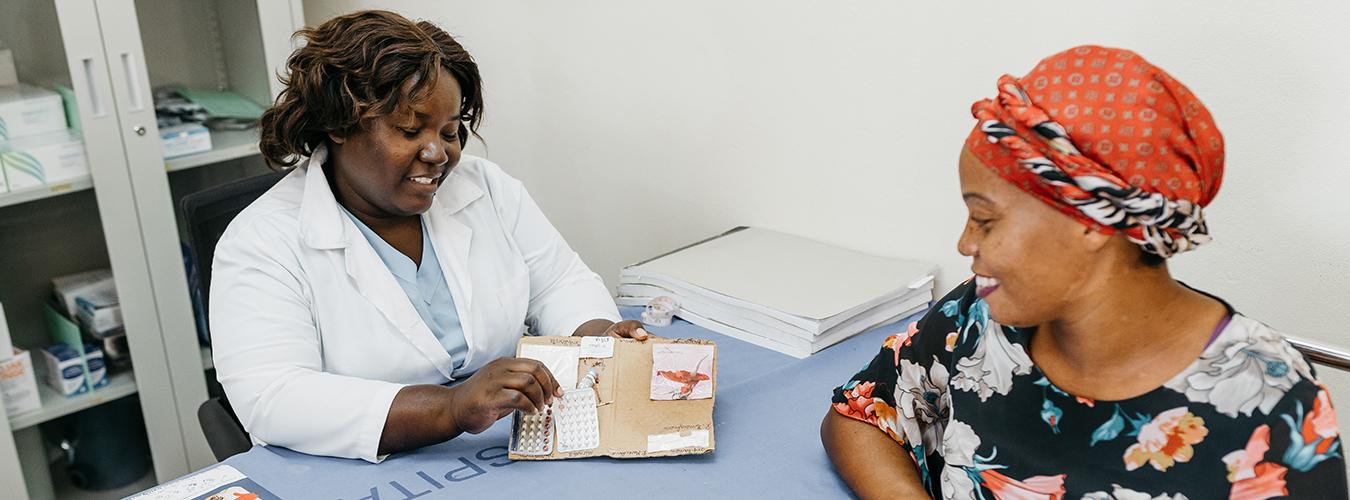
For twenty years, UNFPA has led the global Campaign to End Fistula, which aims to eliminate fistula by 2030 through prevention, treatment, social reintegration of survivors and advocacy programming.
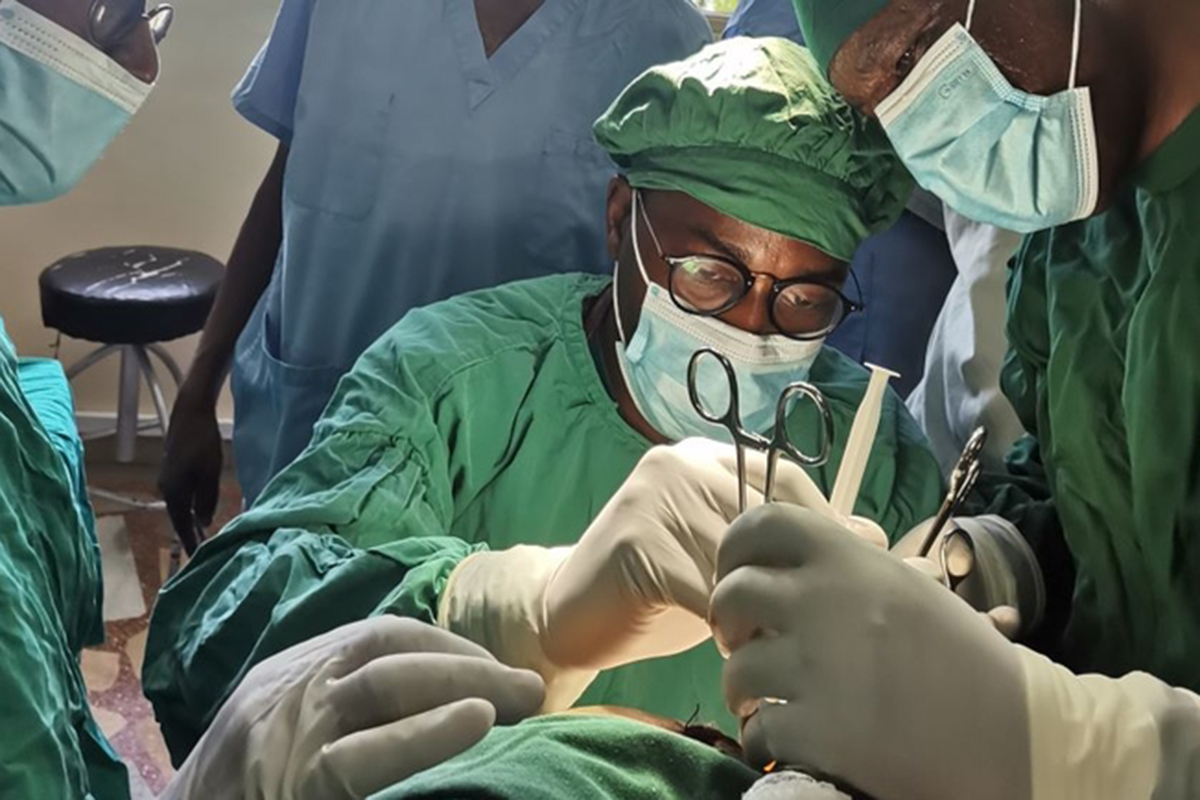
Restoring hope, rebuilding lives: A day in the life of a fistula surgeon
Take a look at the Q&A story featuring Dr. Paul Musoba, a young fistula surgeon at Solwezi General Hospital in the North Western Province of Zambia. He shares both his professional and personal insights into obstetric fistula and discusses his work surgically repairing women and girls who have been affected.
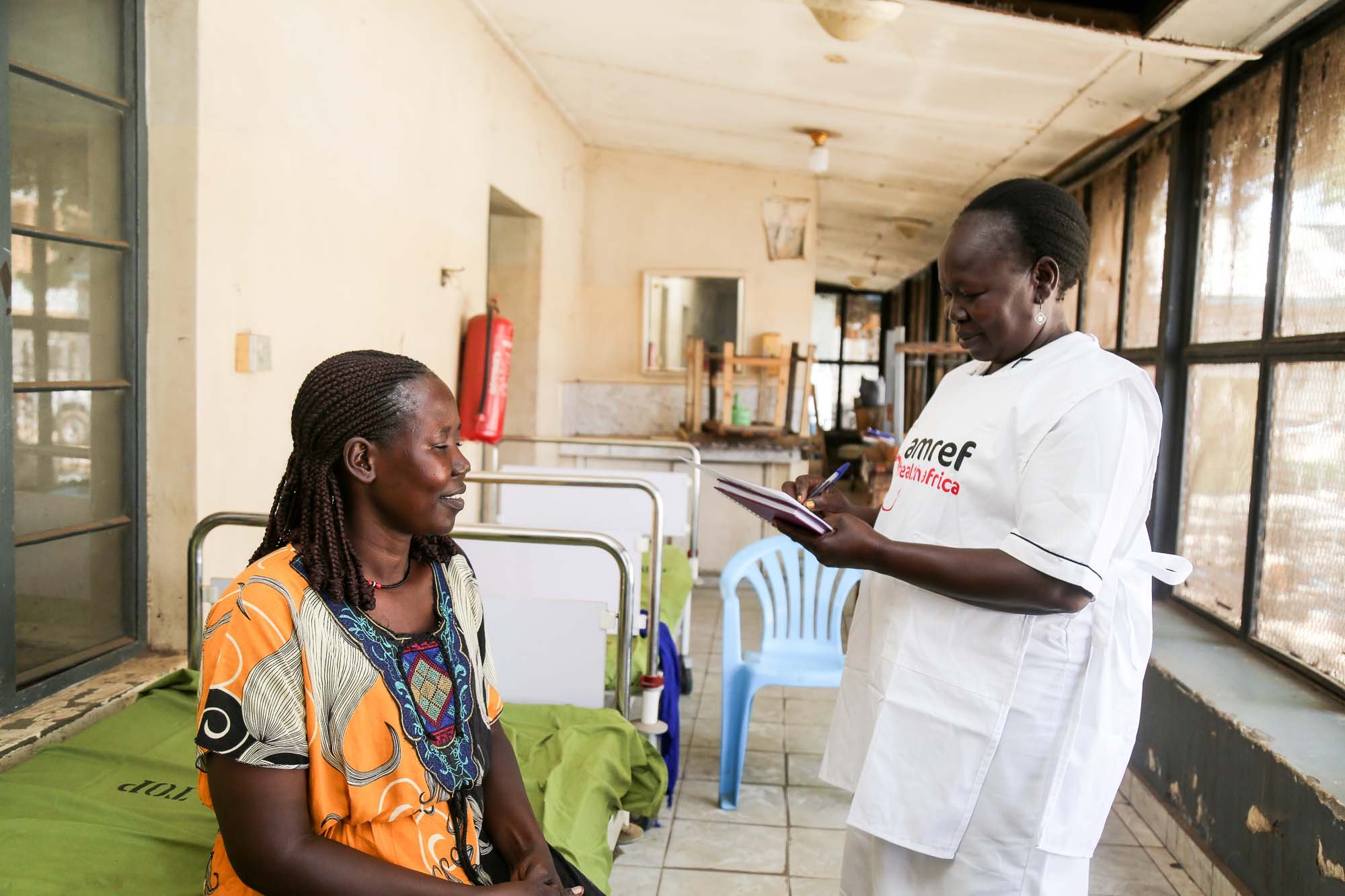
Celebrating Hayat an Obstetric Fistula Heroine in Juba
Explore the story of Hayat Peter, a registered nurse for the past 22 years, who has dedicated her career to ending obstetric fistula in Juba, South Sudan and accomplished her big moment of assisting fistula patients in regaining their dignity during this process.
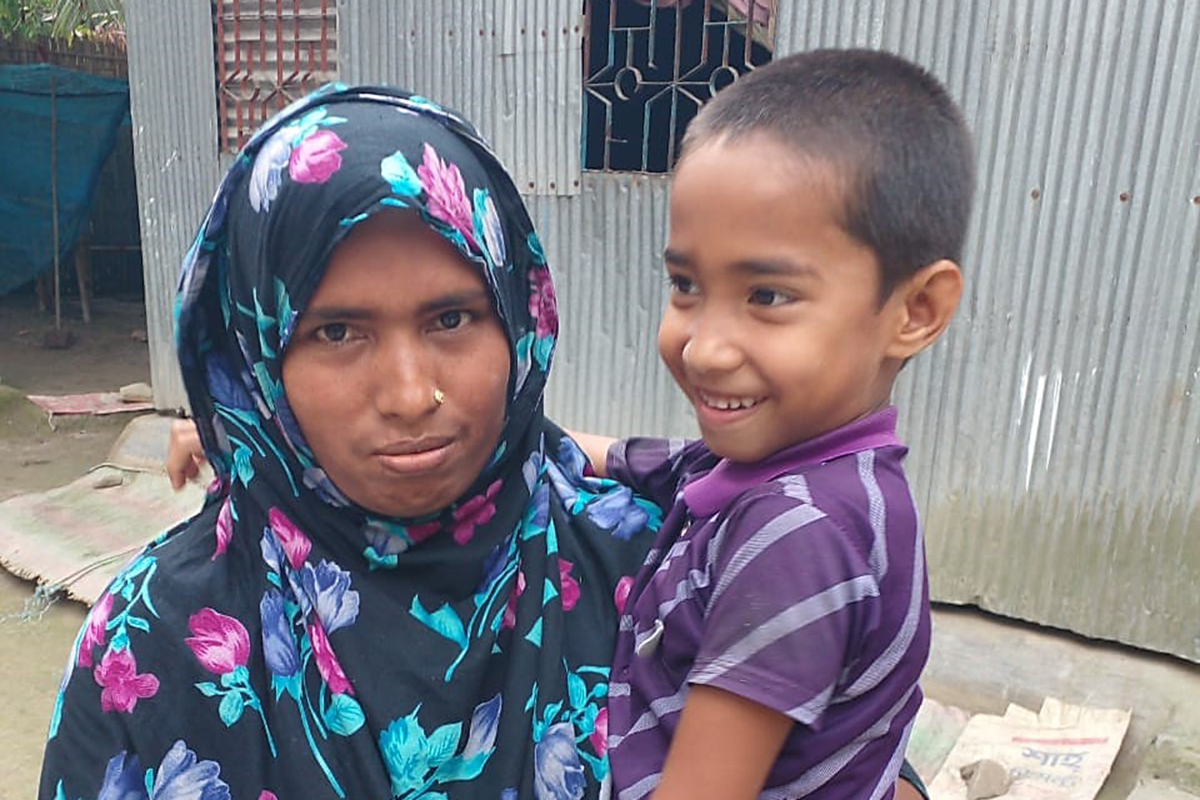
Three women, three stories: Picking up the pieces of lives broken by obstetric fistula
Discover the story of Pemba, Sojina, and Jamila - three women who has suffered and battled with obstetric fistula and successfully returned their lives to normal with UNFPA and its partner’s supports.
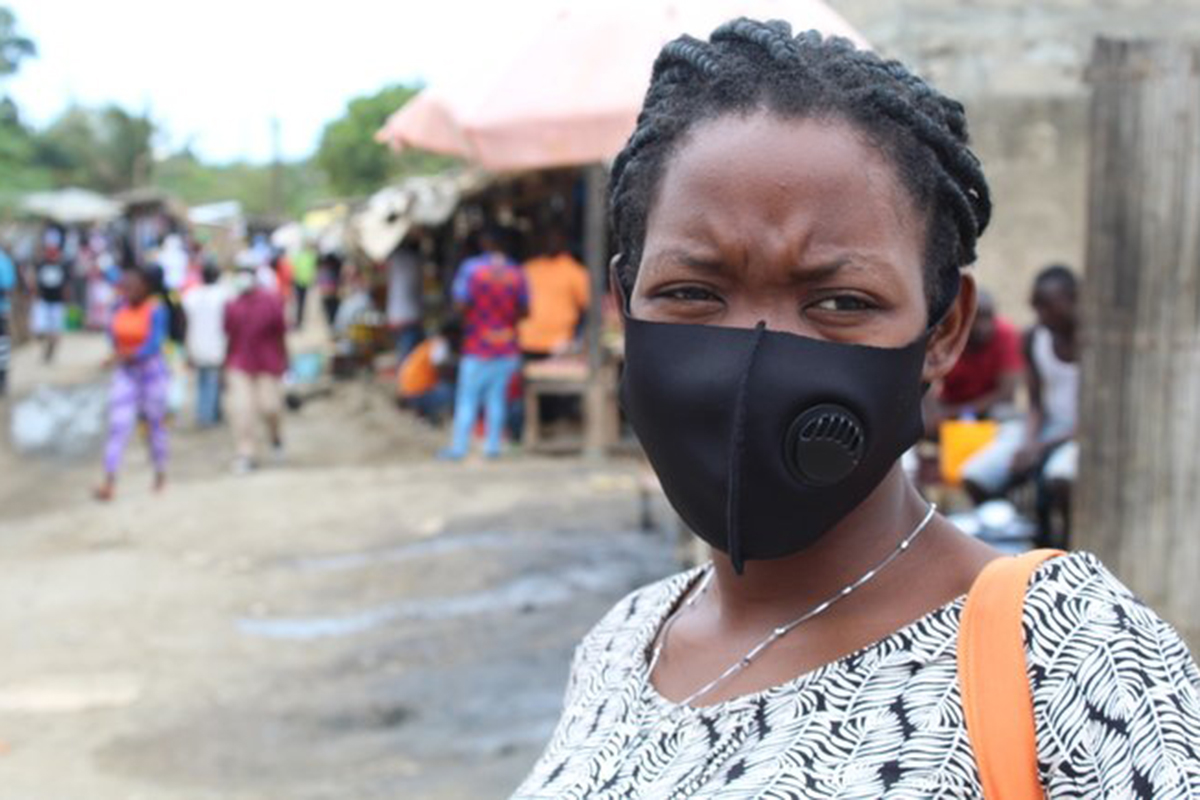
A new life for Fernanda
Fernanda didn’t realize she had an obstetric fistula until seeking medical support. Her brother, a health technician, recommended she get medical care where she learned she had fistula and received repair surgery after two long years of suffering.
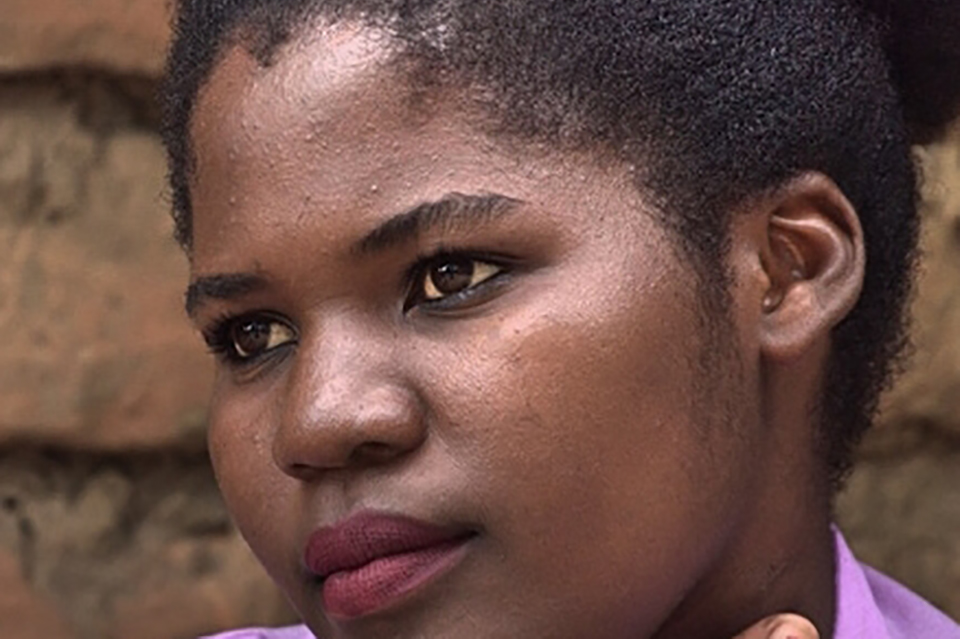
From social outcast to future teacher
Monica Kaleso loved to go to school. She studied hard and never missed class. Her dream of becoming a medical doctor was on course until 2013, when, at the age of 17, she began a relationship with a man from the same village of Kadammanja.

Niger’s girls find sanctuary in fistula treatment centres
Twenty-three-year-old Kodi Moumdau took shelther at the National Fistula Centre in the outskirts of Niamey, the capital of Niger. She can consider herself amongst the lucky women who have been treated for and survived an obstetric fistula condition.