
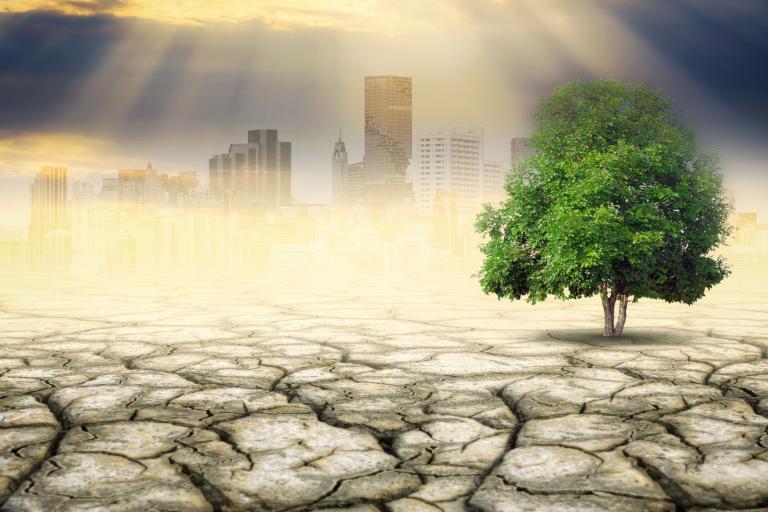
A new World Meteorological Organization report reveals how air quality and climate are deeply connected, urging integrated policies, better monitoring, and global cooperation to protect health and ecosystems
WMO
The World Meteorological Organization (WMO) has established a new world record for the longest lightning flash – an incredible 829 km (515 miles) in a notorious storm hotspot in the United States of America.

“We can see how many people are suffering…We can see that people are running out of food, are running out of water, and the real narrative is that this will affect everyone sooner or later.”
Celeste Saulo has always been fascinated by the weather. Now Secretary-General of the World Meteorological Organization (WMO), she is seeing climate breakdown warp global weather systems beyond recognition, with devastating impacts on countless lives and livelihoods.
“We want to save lives. We need these early warnings to reach everyone on Earth.”
The UN Secretary-General has issued a red alert for the planet after a full decade of record-breaking heat driven by human activity. In this episode of Awake at Night, Celeste reflects on our shared responsibility to future generations, on an emotional meeting with Pope Francis, and on why she can never give up hope.
“If you work with youth, you need to have hope, because for me, it's not fair not having hope… We need to work along the lines we believe are better opportunities for them, and we need to engage them, and I would say, to follow them.”
Photo: ©WMO
As climate change impacts intensify, the need for climate services to support mitigation, adaptation and increase resilience has never been higher. In the past five years, there has been progress in provision of this climate information for decision-making, but big gaps remain and investment lags far behind needs, according to a new multi-agency flagship report produced by the World Meteorological Organization (WMO)
A recent World Meteorological Organisation report reveals that 2023 marked the driest year for global rivers in over three decades, impacting water availability significantly

The World Meteorological Organization report on the State of the Climate in the South-West Pacific 2023 shows how weather-related disasters are undermining socio-economic development, as well as threatening health, food and water security in the region. The report was launched yesterday and provides a snapshot of climate indicators like temperatures, sea level rise, ocean heat and acidification and extreme weather, alongside risks and impacts.

Tropical Cyclone Freddy has been officially recognized by the WMO as the longest-lasting tropical cyclone on record, lasting 36 days and covering approximately 12,785 kilometers across the Indian Ocean basin.
Watch the 2050 forecast delivered by Weather Kids, created in partnership with the World Meteorological Organization and The Weather Channel. The campaign is part of UNDP’s efforts to boost awareness on the impacts of climate change and to mobilize people around the world to take meaningful climate action for future generations.
A new report from the World Meteorological Organization (WMO) shows that records were once again broken, and in some cases smashed, for greenhouse gas levels, surface temperatures, ocean heat and acidification, sea level rise, Antarctic sea ice cover and glacier retreat.
The World Meteorological Organization congratulates its winners of the 2024 Calendar photo competition based on the theme: At the frontline of climate action.
2023 has shattered climate records, accompanied by extreme weather which has left a trail of devastation and despair, World Meteorological Organization report confirms.
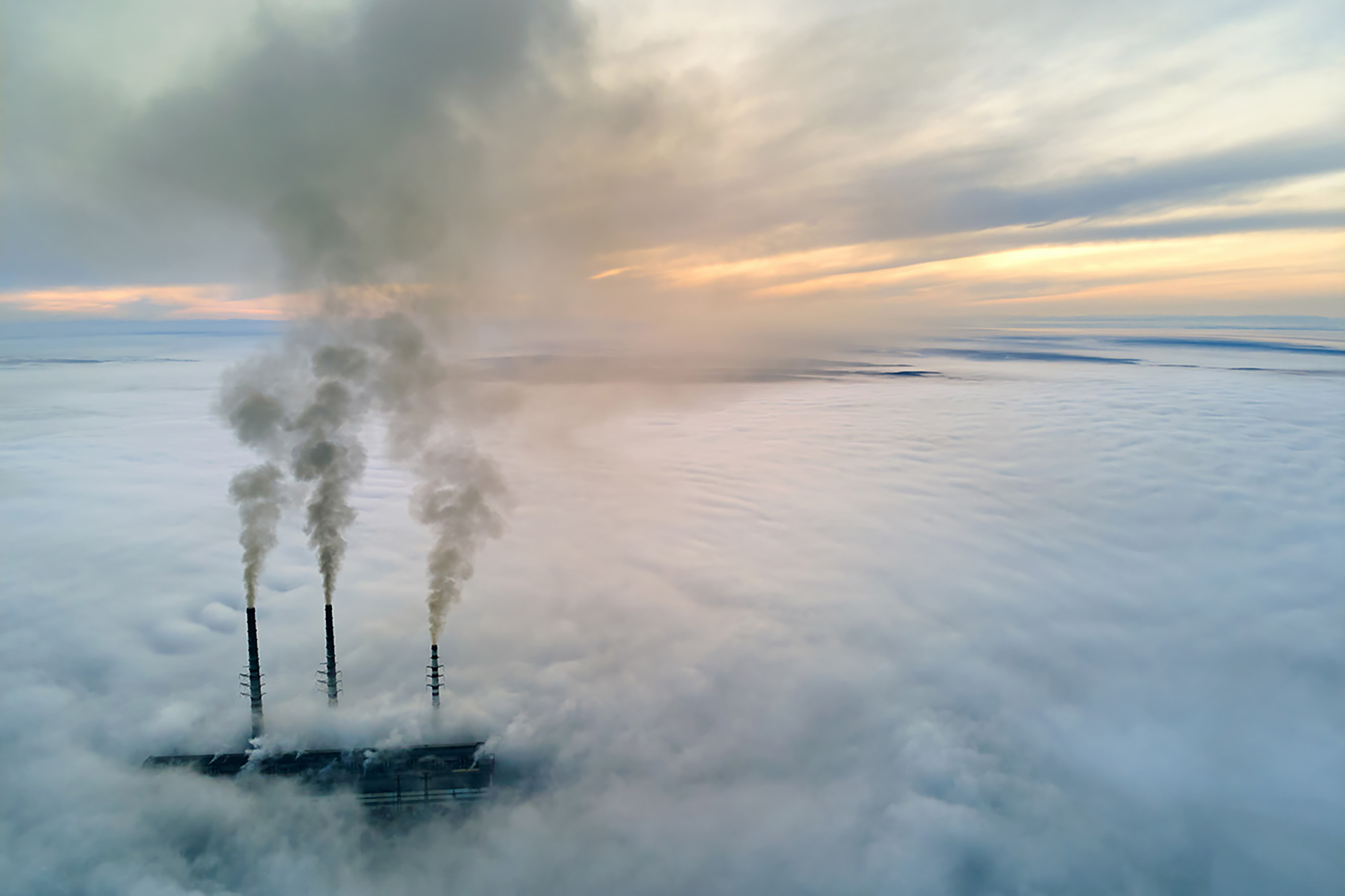
The concentration of heat-trapping greenhouse gases in the atmosphere reached a new record level last year. This is part of an upward trend with no end in sight, according to the World Meteorological Organization (WMO). The UN agency’s latest Greenhouse Gas Bulletin compares the gas concentration levels with the previous year and with preindustrial levels. It warns that the rising concentration of greenhouse gases in the atmosphere will lead to a rise in temperature, extreme weather conditions, and a rise in sea levels.
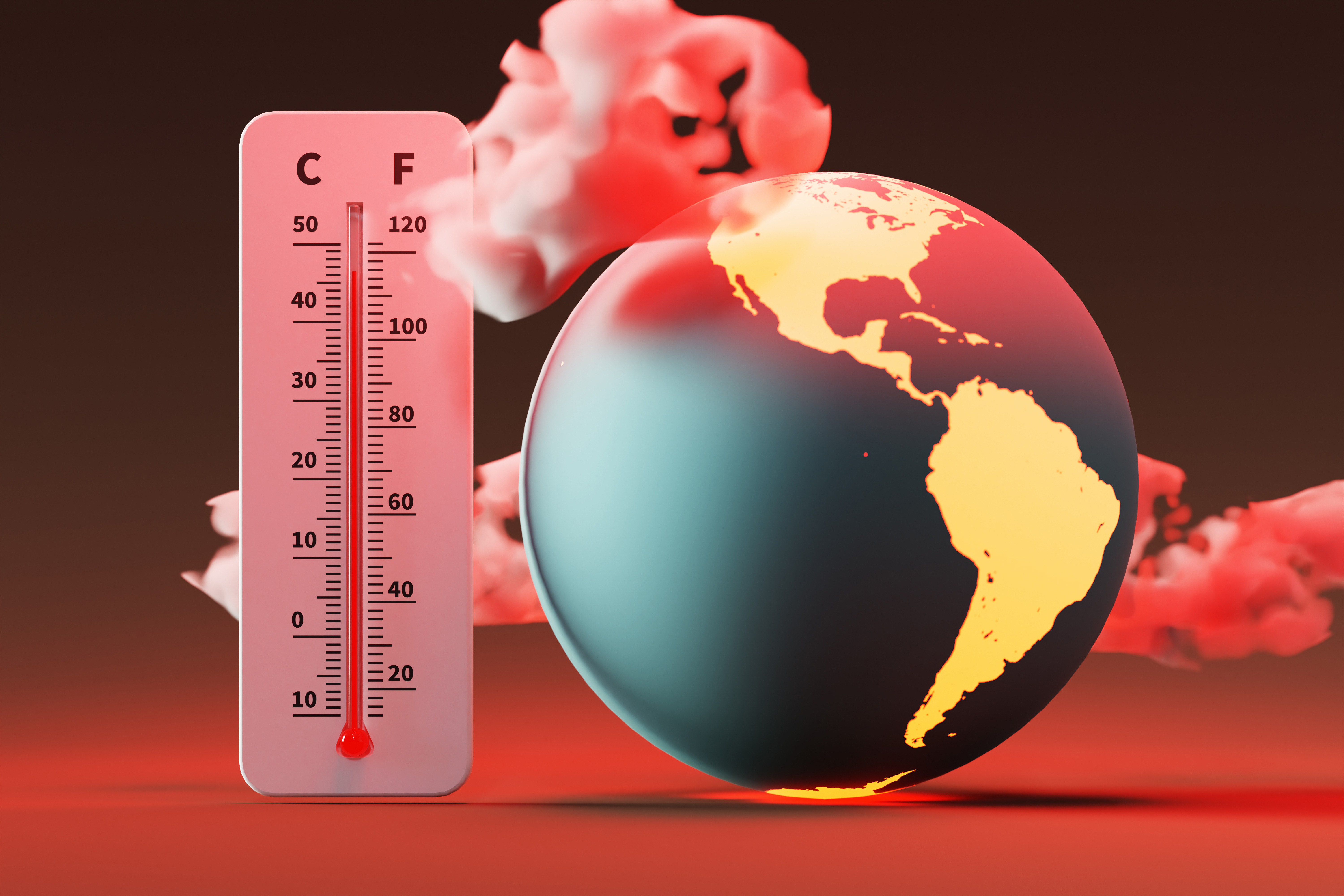
WMO warns that the ongoing El Niño event is expected to last at least until April 2024, influencing weather patterns and contributing to a further spike in temperatures, both on land and in the ocean.
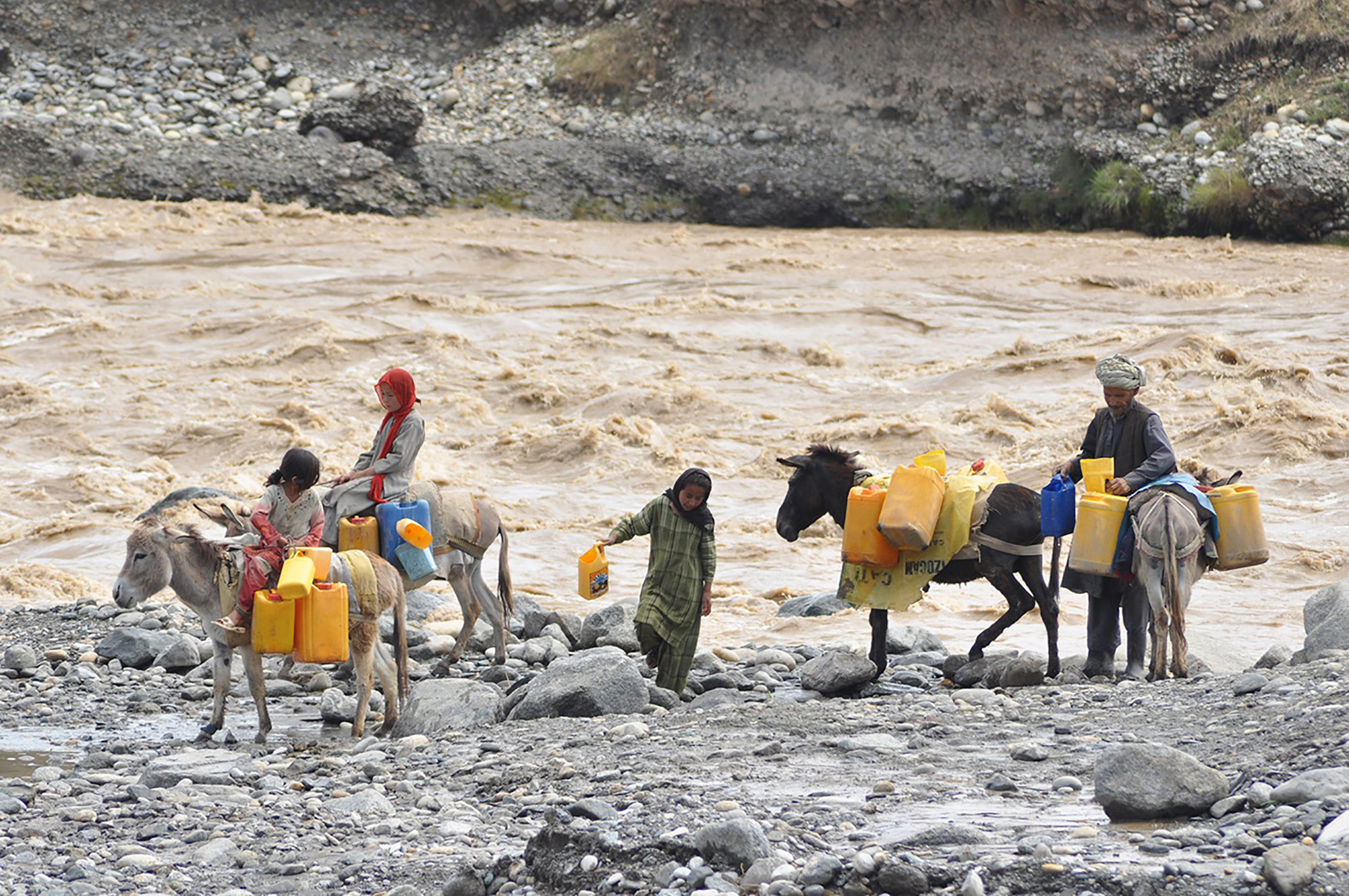
According to the new State of Global Water Resources Report 2022 by the World Meteorological Organization, the hydrological cycle is being disrupted by climate change and human activities. Droughts, heavy rainfall, and melting ice are causing significant damage to both lives and economies and threaten the long-term water security of many millions of people. Considering that the overwhelming majority of disasters are water-related, the report urges increased data sharing for early warnings and more coordinated water management as part of climate action.
El Niño is coming, warns WMO. Early warnings and anticipatory action of extreme weather events associated with this major climate phenomenon are vital to save lives and livelihoods.