
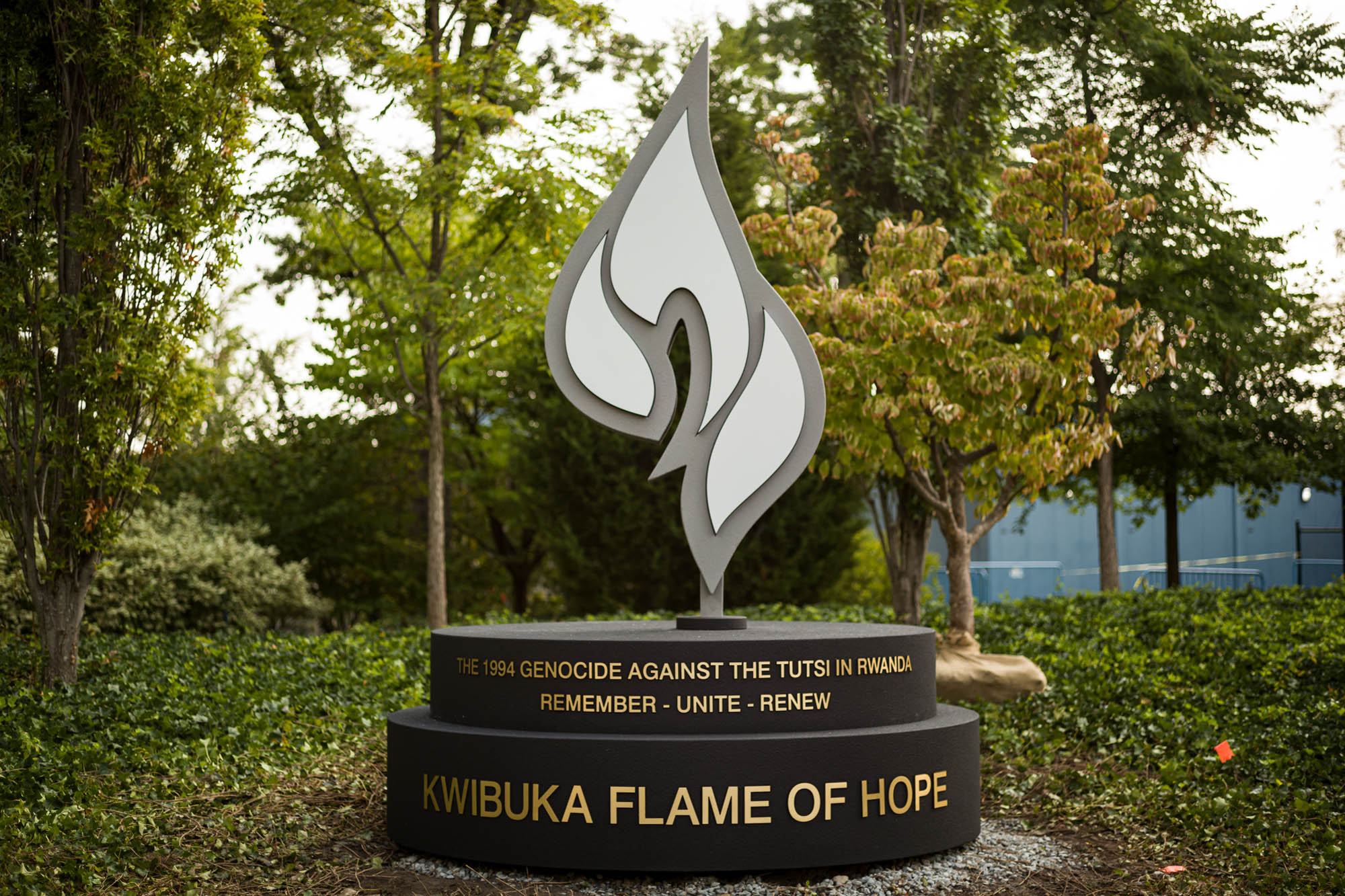
Thirty-one years ago, the world witnessed one of the most tragic events in recent human history. More than one million people – overwhelmingly Tutsi, but also Hutu and others who opposed the genocide – were systematically killed in less than three months. On the International Day of Reflection on the 1994 Genocide against the Tutsi in Rwanda (7 April), we honour those who were murdered and reflect on the suffering of those who survived. To mark the anniversary, the Department of Global Communications and the Permanent Mission of Rwanda to the United Nations are hosting a commemorative event.
Genocide
Kada Hotic is a Mother of Srebrenica who lost her husband, son and 50 other family members during the 1995 genocide there. Since then, she has devoted herself to building a new future for Bosnia and Herzegovina where people live in peace regardless of their ethnicity.
The International Day of Reflection and Commemoration of the 1995 genocide in Srebrenica is crucial for raising awareness and preventing future atrocities.

Twenty-nine years ago more than 8,000 Bosnian men and boys were brutally murdered by the army of Republika Srpska in the previously UN-declared safe area of Srebrenica, after the women, children and elderly were forcibly expelled from the enclave. This was the largest massacre in Europe since the Holocaust and has been recognized as an act of genocide by international courts. The United Nations has declared 11 July as the International Day of Reflection and Commemoration of the 1995 Genocide in Srebrenica, to counter denial of this historical event and prevent genocide in the future.
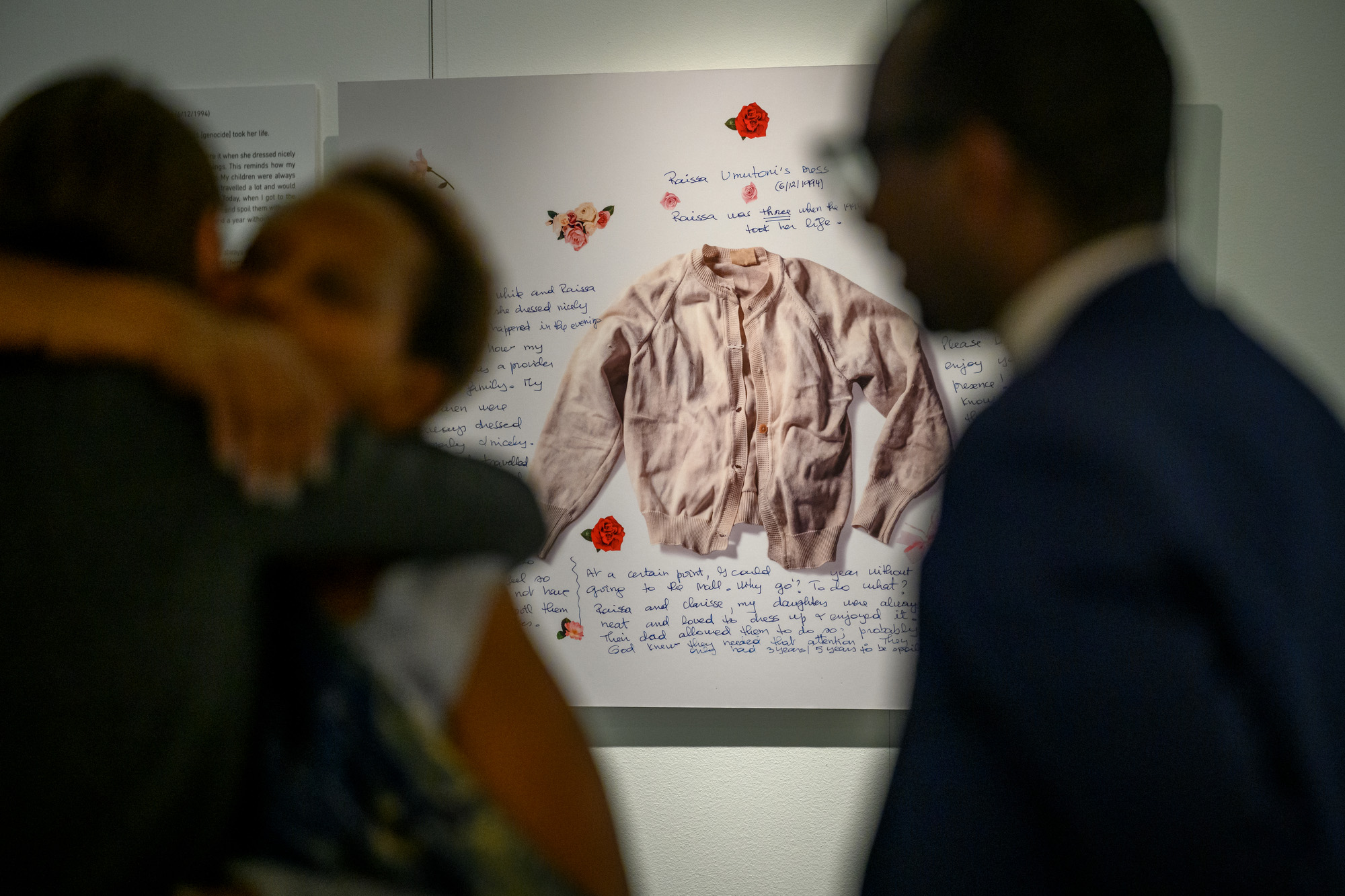
2024 marks the 30th anniversary of the genocide in Rwanda, one of the darkest chapters in human history. In less than three months, one million Tutsi children, women and men were killed by their fellow Rwandans. On this day, we honour those who were murdered and reflect on the suffering of those who survived. “Let’s ensure that the acts that began on April 7, 1994, are never forgotten – and never repeated”, says the UN Secretary-General in his message for the observance. The UN will commemorate the anniversary with events in Geneva, Paris and New York.

During the Holocaust, the Nazis went to great lengths to dehumanize their victims. Defying the Nazis took extraordinary courage. Resistance took many forms. The drawings of children hidden as a final act of defiance remain vivid testimonies to courage and resistance against dehumanization. In 2024, the United Nations is paying tribute to the bravery of all those who stood up to the Nazis, despite the grave risks. We honour their legacy with their remarkable stories. In the memory of all victims and survivors, we will step up our efforts to counter Holocaust denial, antisemitism and racism.
Amid the war in Bosnia and Herzegovina, a UN safe area was established in the Bosnian town of Srebrenica in 1993. But in July 1995, the town was overrun by Bosnian-Serb forces and over 8,000 Bosniak boys and men were killed within a week. The Srebrenica genocide is considered the largest atrocity in Europe since World War II. In June 2023, three Mothers of Srebrenica visited the United Nations to meet with senior officials and see the exhibit “Stories of Survival and Remembrance - A call to action for genocide prevention.”
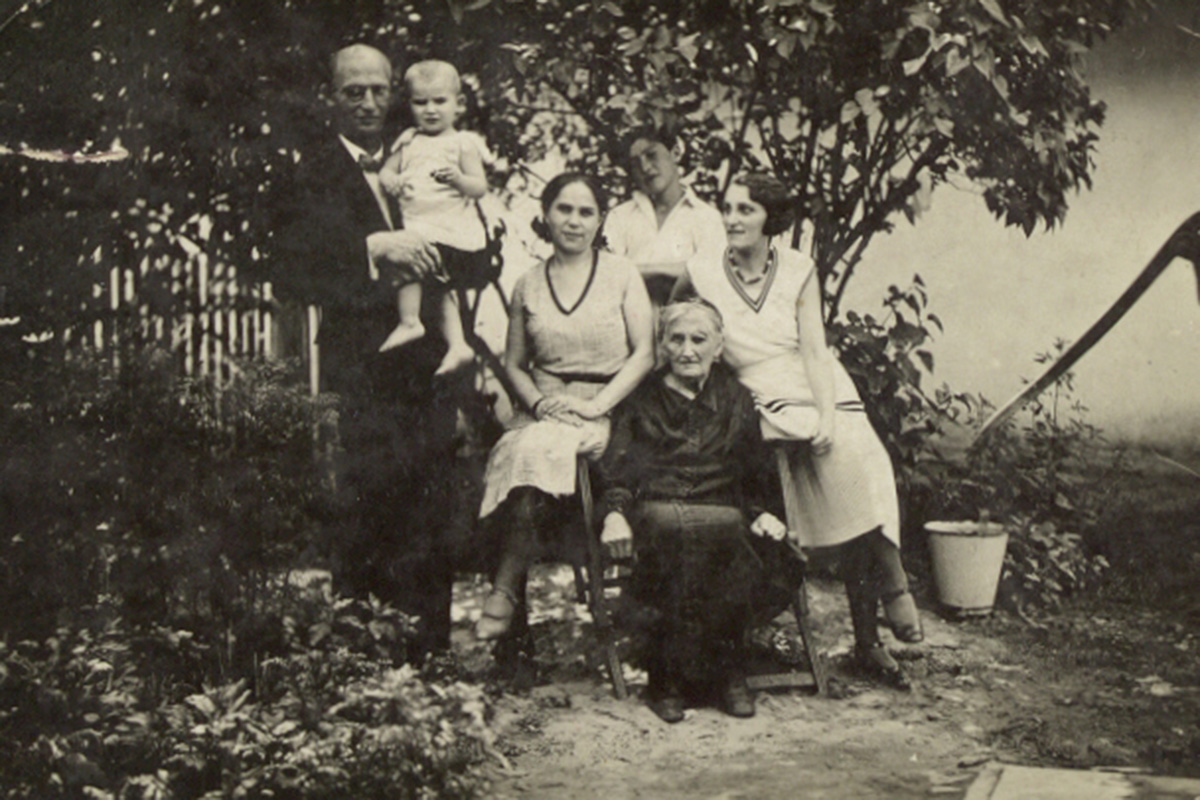
In 1933, the Nazi Party took control of Germany and put its ideology into practice, identifying who could claim Germany as home. The process of exclusion went beyond legislation and propaganda campaigns of disinformation and hate speech, to state-sanctioned acts of terror. This year’s International Day of Commemoration in Memory of the Victims of the Holocaust explores how victims adjusted their ideas of “home” and “belonging” as they faced the violent, antisemitic onslaught of the Holocaust. Holocaust remembrance and education can inform our response to the plight of contemporary victims.

9 December 2020 marks the International Day of Commemoration and Dignity of the Victims of the Crime of Genocide and of the Prevention of this Crime, as well as the 72nd anniversary of the 1948 “Genocide Convention”. The Convention signifies the international community’s commitment to “never again” and provides the first international legal definition of “genocide”. Register for the event on 9 December to listen to the voices of the victims of genocide to prevent further atrocity crimes. This year’s event will also reflect the need for the Secretary-General’s call for a global ceasefire.
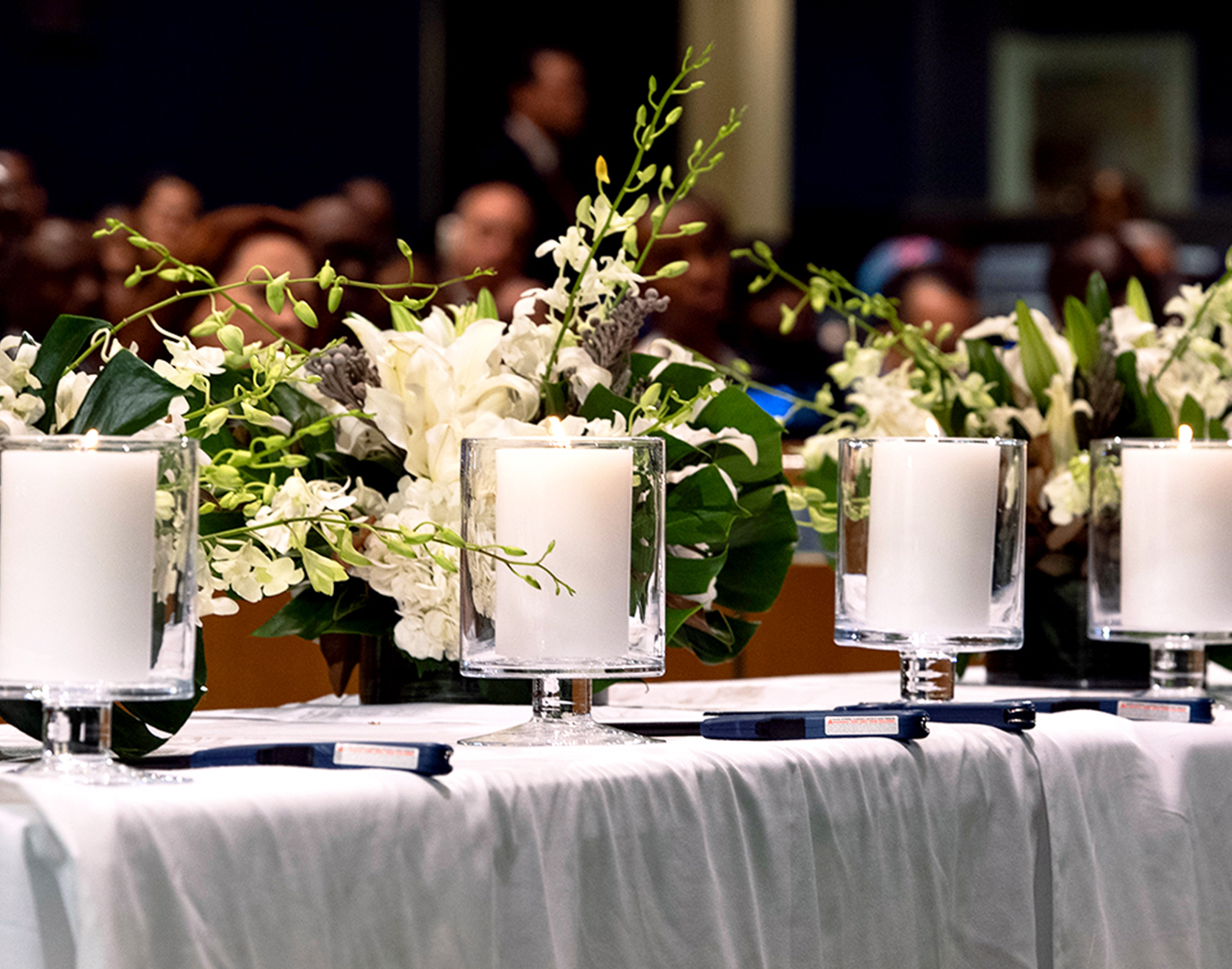
Due to COVID-19, the traditional commemorative meeting of the General Assembly to mark the International Day of Reflection on the 1994 Genocide Against the Tutsi in Rwanda was postponed. However, on April 7th, the public is invited to reflect on one of the darkest chapters in human history when more than one million people – overwhelmingly Tutsi, but also moderate Hutu, Twa and others who opposed the genocide – were systematically killed in less than three months. We honour those who were murdered and reflect on the suffering of those who survived. Join the virtual observance and share the UN social media cards along with your own messages of solidarity.