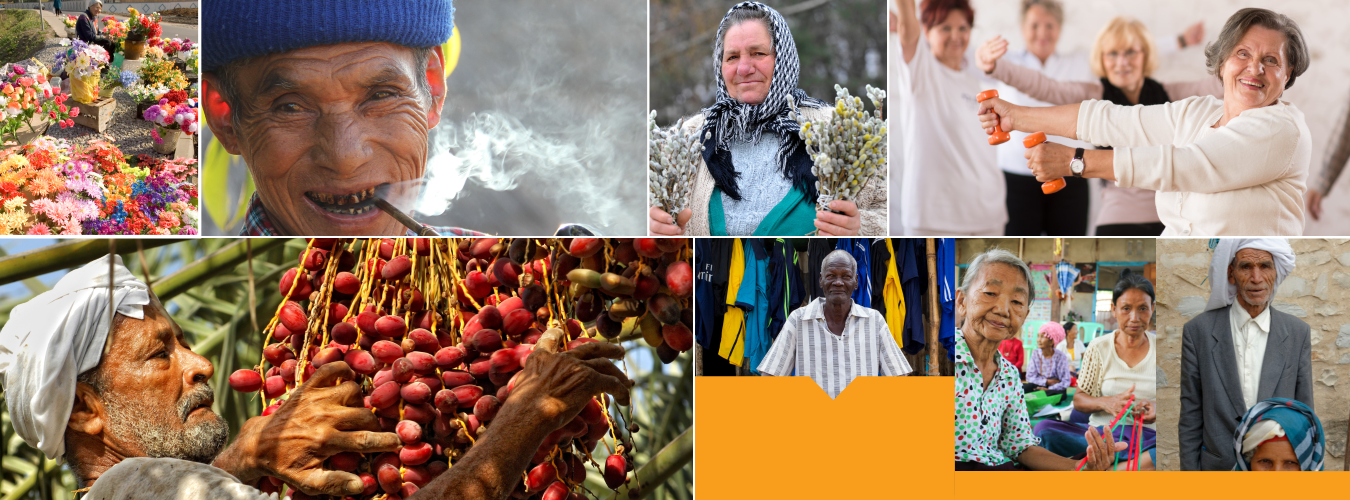
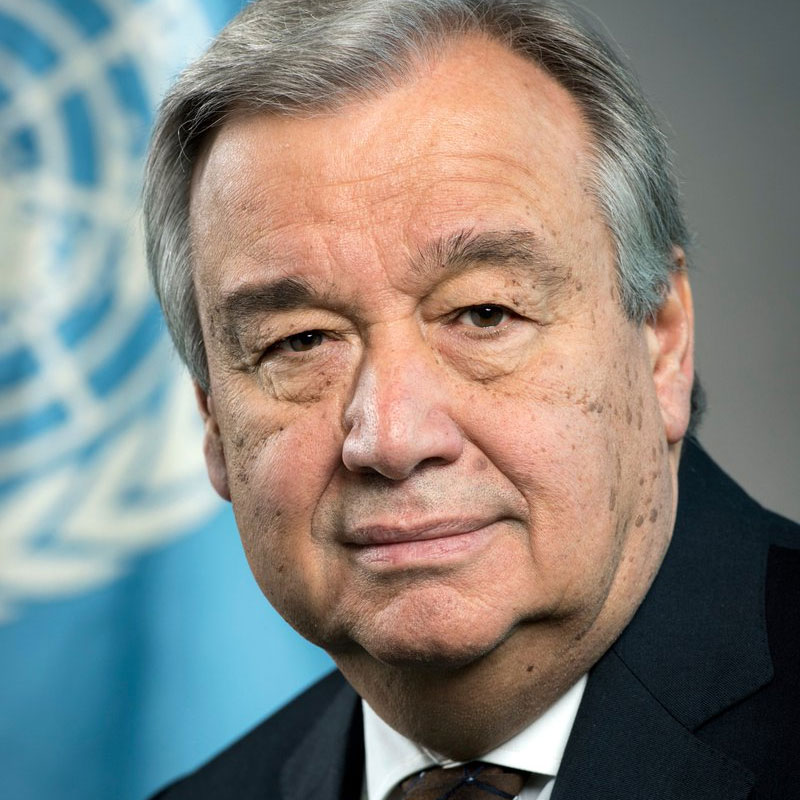
Our elders are leaders and caregivers, playing a vital role in families, communities and economies.
UN Secretary-General António Guterres
2026 Theme: The Age of Longevity: Rethinking Systems for Longer Lives
The 2026 United Nations International Day of Older Persons, under the theme "The Age of Longevity: Rethinking Systems for Longer Lives," calls on Governments, civil society, the private sector, researchers and older persons themselves to examine how societies can ensure that the additional years gained translate into healthy, productive, dignified and equitable lives for all.
Humanity is living longer than ever. Global life expectancy has risen steadily for over seven decades, yet the gap between life expectancy and healthy life expectancy reached 9.6 years in 2019, reflecting the growing burden of noncommunicable diseases. Longer lives are drawing greater attention to how health, social and economic conditions, and human rights are experienced across the life course.
Longevity intersects with health systems, labour markets, social protection, education, housing and fiscal sustainability in ways that cannot be addressed in isolation. Where years are lived in good health and supported by inclusive labour markets and effective social protection, longer lives can generate a longevity dividend. Conversely, without improvements in healthy life expectancy, older persons may spend more years in poorer health, limiting their functional ability, well-being, autonomy and participation.
The Madrid International Plan of Action on Ageing (MIPAA), adopted in 2002, remains the cornerstone of international efforts, alongside growing momentum to strengthen the human rights framework for older persons. This year's commemoration invites all stakeholders to examine how societies can ensure that the additional years gained translate into healthy, productive, dignified and equitable lives for all.

2026 Commemoration Event in New York
8 October 2026, 10:00-13:00 EDT | ECOSOC Chamber, UNHQ
Sponsored by the Permanent Mission of Argentina to the UN and organized by UN DESA and the NGO Committee on Ageing, the event will explore one of the defining transformations of our time. Follow the event live on UN Webtv | More detals

2026 Event in Geneva: Older Persons at the Centre: Towards a Legally Binding Instrument
1 October 2026, 13:00-14:00 Geneva time | Room V, Palais des Nations, Geneva
Halfway through the "Decade of Healthy Ageing”, global experts on ageing will address the central role of the brain in maintaining one's health and quality of life. The opportunities and challenges for older people for a healthy life across the life span will be explored from various perspectives. Follow it live on WebEx

Commemoration Event in Vienna: Connecting Generations: Rediscovering the Value of Our Elders in an Aging Society
5 October 2026, 14:00-17:30 (arrival at Gate 1 at 13:30) | UN Vienna, VIC, Room CR 2 (C-Building, 2nd floor) (hybrid)
The event will focus on intergenerational dialogue to bridge the social and emotional divide that isolates older persons from the rest of the community. Follow it live on Zoom
Background
On 14 December 1990, the United Nations General Assembly designated October 1 as the International Day of Older Persons (resolution 45/106). This was preceded by initiatives such as the Vienna International Plan of Action on Ageing, which was adopted by the 1982 World Assembly on Ageing and endorsed later that year by the UN General Assembly.
In 1991, the General Assembly adopted the United Nations Principles for Older Persons (resolution 46/91). In 2002, the Second World Assembly on Ageing adopted the Madrid International Plan of Action on Ageing, to respond to the opportunities and challenges of population ageing in the 21st century and to promote the development of a society for all ages.
The number of older people (defined as those aged 65 years or older) tripled from around 260 million in 1980 to 761 million in 2021. Between 2021 and 2050, the global share of the older population is projected to increase from less than 10% to around 17%.
Rapid growth in the number of people reaching older ages underscores the significance of promoting health, preventing, and treating illnesses throughout the entire course of life.
In societies with aging populations, it becomes imperative to adjust to the increasing number of elderly individuals who possess a diverse range of functional capacities. The capability to carry out essential functions and partake in everyday activities is influenced not solely by an individual's inherent capacity but also by the social and physical environments in which they reside. Supportive environments play a pivotal role in assisting older individuals to maintain their activity levels and independence as they progress in age.
Did you know?
- The number of people aged 60 years or over has more than doubled, from around 541 million in 1995 to 1.22 billion in 2025 and is projected to reach 2.1 billion by 2050. By 2080, persons aged 65 or older will outnumber children under 18.
- Global life expectancy has reached 73.5 years in 2025, an increase of 8.6 years since 1995. The number of persons aged 80 years or over is growing even faster and is projected to surpass the number of infants by the mid-2030s and reach 265 million.
- As populations age, the demand for healthcare and social support has surged, especially for those with conditions like dementia, a major cause of dependency and disability in older adults. Specialized care is now essential to meet these growing needs.
- In 2025, remaining life expectancy at age 60 varies substantially across regions, from 17.4 years in Africa to 24.9 years in Oceania, reflecting deep inequalities in access to health, social protection and economic opportunity.
Ageing and health
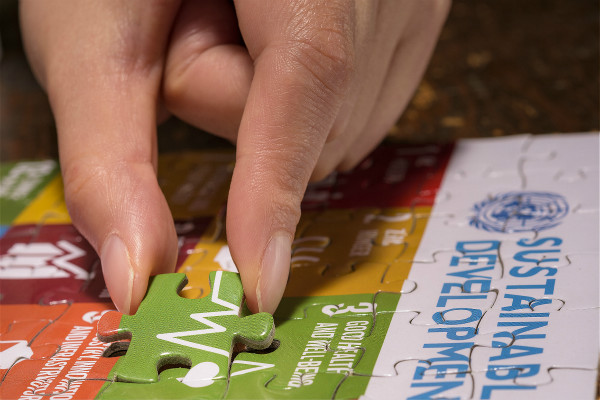
A longer life brings with it opportunities, not only for older people and their families, but also for societies as a whole. Additional years provide the chance to pursue new activities such as further education, a new career or pursuing a long neglected passion. Older people also contribute in many ways to their families and communities. Yet the extent of these opportunities and contributions depends heavily on one factor: health. Learn more.
Resources
Key documents:
- General Assembly Resolution on International Day of Older Persons (A/RES/45/106)
- General Assembly Resolution "Follow-up to the Second World Assembly on Ageing" (A/RES/65/182)
- General Assembly Reports
- Commission for Social Development: Reports on Ageing
Declarations and other instruments:
- Political Declaration and Madrid International Plan of Action on Ageing (2002)
- Berlin Ministerial Declaration (2002)
- Proclamation of Ageing (1992)
- United Nations Principles for Older Persons (1991)
- Vienna International Plan of Action on Ageing (1982)
Related links
- The International Day of Older Persons (UN DESA)
- Ageing (UN DESA)
- Ageing (UN Global Issues))
- World Health Organization (WHO)
Related Observances
- Decade of Healthy Ageing (2020-2030)
- International Year of Older Persons (1999)
- World Elder Abuse Awareness Day(15 June)
- World Population Day(11 July)
- International Universal Health Coverage Day (12 December)