

Through ecotourism and photography, José Pérez reveals Cuba’s hidden biodiversity, connecting visitors with communities and conservation while transforming images into powerful bridges between science, emotion and protection.
Tourism

The 4th Global Tourism Resilience Day Conference and Expo taking place on 16–18 February 2026 are hosted by Nairobi, Kenya under the theme "Tourism Resilience in Action: From Crisis Response to Impactful Transformation." Because tourism connects people with nature, sustainable tourism has the unique ability to spur environmental responsibility and conservation. Sustainable tourism can contribute to the achievement of the Sustainable Development Goals by fostering economic growth, alleviating poverty, creating full and productive employment and decent work for all.

As tourism rebounds, a mismatch between labor supply and demand, driven by low wages, informality, and skills shortages, highlights the urgent need for investment in training, and inclusive workforce development.

The Safe Destinations Challenge invites innovative solutions to strengthen tourism resilience across Europe, focusing on hazard preparedness, safety, and crisis communication.

For many developing countries, including the least developed countries, small island developing states, countries in Africa and middle-income countries, tourism is a major source of income foreign currency earnings, tax revenue and employment. Sustainable tourism, including ecotourism, can contribute to sustainable development and the achievement of the Sustainable Development Goals. Global Tourism Resilience Day (17 February) aims to emphasize the need to foster resilient tourism development to deal with shocks, taking into account the vulnerability of the tourism sector to emergencies.

In Albania, agritourism is flourishing, driven by the stunning Vjosa Wild River National Park and its untamed river valleys. The Lile family farm and restaurant, located near the Bënja thermal baths, offers Albanian and Greek cuisine, wine, and traditional raki. With tourism doubling from 2016 to 2023, there’s a growing demand for quality local food and services. By fostering agritourism, Albania aims to create market opportunities and boost rural development, addressing interrelated sectors like agriculture, tourism, and culture. FAO is supporting the country’s vision for improving its agrifood system and increasing prosperity in rural areas.

Part community exchange, part communion with the natural world, part experiential hospitality, ECO EGYPT answers the call to the innate human desire for freedom, exploration and wonderment. Ecotourism done well offers a heightened sense of discovery through awe-inspiring natural landscapes and authentic engagement with unique local cultures. With the goal of prompting natural rediscovery and boosting the importance of ecological conservation, ECO EGYPT Experiences sheds light on the myriad wildlife, plant diversity, and natural landscapes on offer throughout the country. This work is implemented by the Egyptian Environmental Affairs Agency and UNDP Egypt, and financed by the Global Environment Facility.
Every year, Best Tourism Villages by UNWTO recognizes rural destinations which stand out for their commitment to sustainability in all its aspects – economic, social and environmental – and the preservation and promotion of community-based values with the aim to make tourism a driver or rural development and well-being.
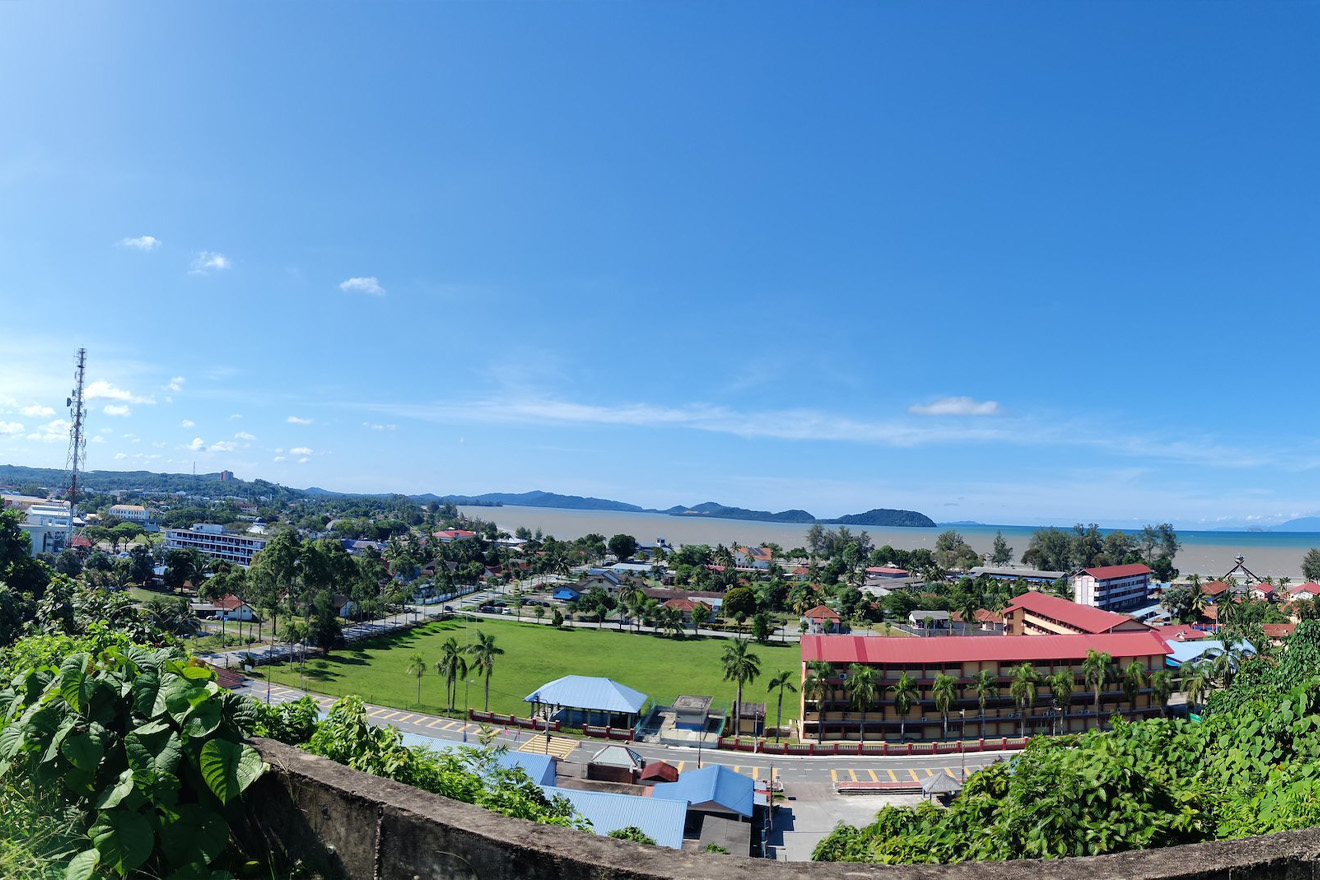
Tourism is one of Malaysia’s major economic sectors, contributing 6.7 percent to its gross domestic product, and was responsible for generating US$18.32 billion in revenue in 2019. However, the COVID-19 pandemic and consequent travel restrictions resulted in a 72 percent reduction in tourism’s direct contribution to Malaysia’s GDP in 2020. To address the issues of tourism sustainability and island waste management, UNDP Malaysia launched the Integrated Island Waste Management in Malaysia project and subsequently the Sustainable Tourism Recovery project.

This World Tourism Day (27 September), UN Tourism emphasizes “Tourism and Sustainable Transformation”, underscoring the importance of directing resources towards the Sustainable Development Goals, the UN's 2030 roadmap for a better world. Targeted tourism investments can generate skilled jobs, bolster local businesses, and reduce tourism's environmental impact, all while empowering communities and celebrating their cultures. It's time for innovation, not just profit-driven investments. Let’s harness the power of tourism as a force for positive transformation.
The UNWTO recognizes villages for their commitment to innovation and sustainability in all its aspects – economic, social and environmental – and a focus on developing tourism in line with the Sustainable Development Goals (SDGs).
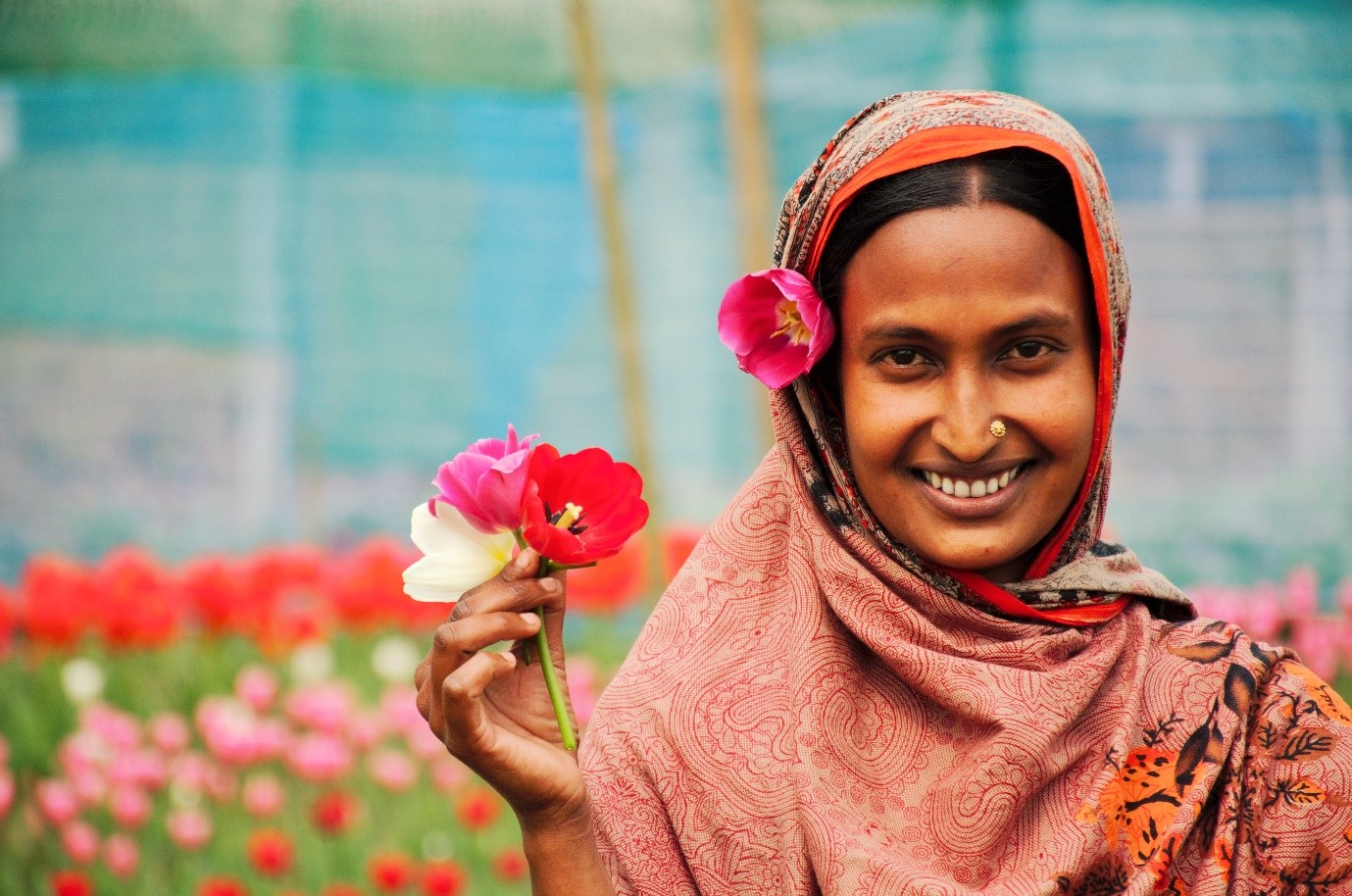
There are almost as many smartphones on the planet as there are people. From messaging, to maps, to mobile payments, it's almost impossible to imagine a world without internet or devices. Yet, for many women in developing countries, this is their reality. Here, men are twice as likely to use the internet than women. To empower rural women, and help them contribute to economic growth, access to the internet and digital platforms is vital. IFAD trains women in digital finance and marketing, and ensures they have access to the technology they need to connect to the rest of the world. Find out more in this story about taking tomato-growing to new heights in Pakistan, and texting for tulips in Bangladesh.
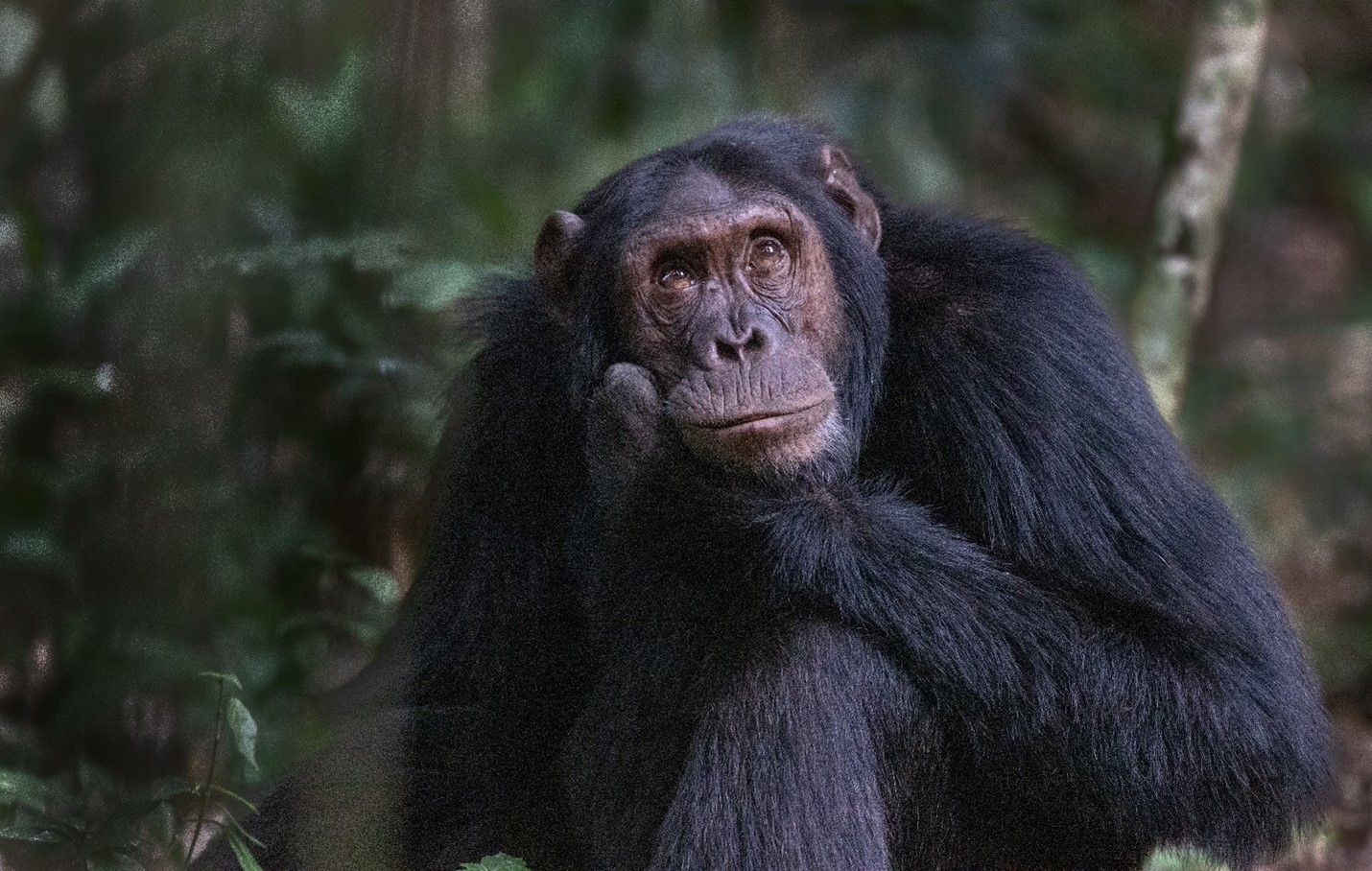
Mammalwatching: The New Ecotourism Frontier
UNDP presents a new social movement – mammalwatching. First came birdwatching, then whalewatching, now there is ‘mammalwatching’ which is like birdwatching except with mammals. Like birders, ‘mammalwatchers’ have a ‘life list’ that they actively seek to fill, and every mammal counts - from the Big Five (lions, buffaloes, leopards, elephants, rhinos), to the more humbly proportioned elephant shrew. Fast-growing nature tourism has made tremendous contributions to nature conservation, prompting the creation of protected areas, contributing to research through citizen science, and with the ecotourism dollars that bring practical financial benefits to people living in rural and undisturbed environments worldwide.

Sustainable tourism, including ecotourism, is a cross-cutting activity that can contribute to the achievement of the Sustainable Development Goals by fostering economic growth, alleviating poverty, creating full and productive employment and decent work for all. Global Tourism Resilience Day (17 February), aims to foster resilient tourism development to deal with shocks, taking into account the vulnerability of the tourism sector to emergencies. It is also a call for action for Member States to develop national strategies for rehabilitation after disruptions.
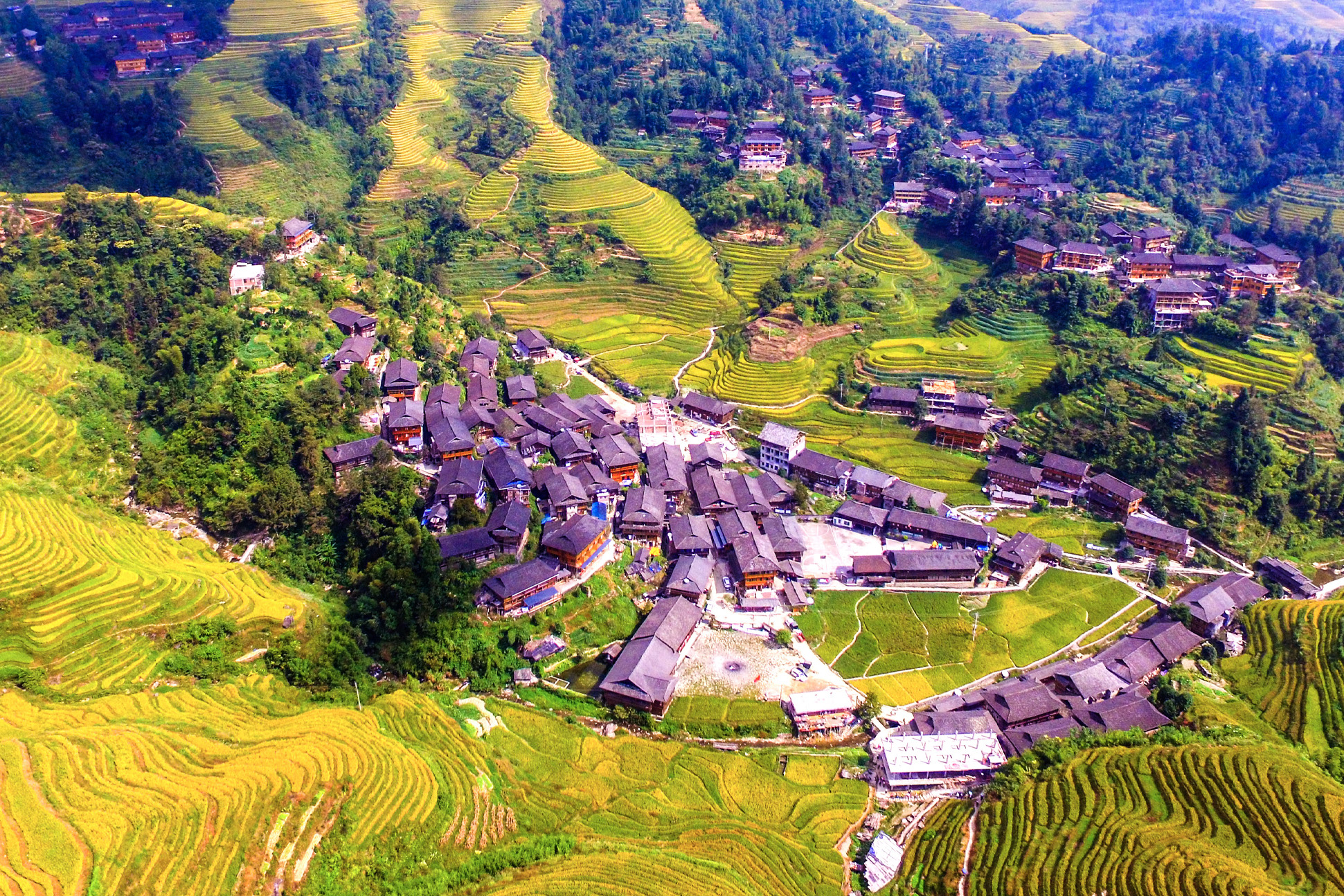
32 destinations from all around the world have been named as ‘Best Tourism Villages 2022’ by UNWTO recognizing rural destinations that are embracing tourism as a driver of development.