
Continued action and investment
Continued action and investment needed to sustain progress and better prepare the world to respond to pandemic threats.
How global cooperation can address pandemic emergencies and build a more healthy and sustainable future

Viruses, like COVID-19, do not respect borders.
A country may detect an outbreak first, but people in other countries can quickly become infected.
That makes surveillance, data sharing, research, vaccines, diagnostics and treatments international concerns.
Years after COVID-19 killed millions, shocked health systems, disrupted lives and drove the global economy to a virtual standstill, the world is trying to make sure it is better prepared for the next pandemic.
The need is even greater amidst growing threats on global stability and security from emerging infectious diseases to climate-related crises and conflicts.
At the United Nations, Member States are asking a fundamental question:
How can the world protect people and nations from pandemic emergencies?
The COVID-19 pandemic exposed deep fissures in our global preparedness to health emergencies — from unequal access to vaccines to a lack of coordinated response. In this video, we break down the WHO pandemic treaty, why it matters, and how it aims to prevent, detect, and respond to future pandemics.
A “pandemic emergency” is a communicable disease outbreak that spreads widely across multiple countries, overwhelming health systems, causing major social or economic disruption, and requiring coordinated international action.
In 2021, about 4.5 billion people were not fully covered by essential health services, underscoring the need to strengthen health systems before the next emergency.
The International Health Regulations require countries to notify WHO of events that may constitute a public health emergency of international concern.
Around 75 per cent of emerging infectious diseases in humans are zoonotic, meaning they originate in animals.
WHO estimated that between 80,000 and 180,000 health and care workers may have died from COVID-19 between January 2020 and May 2021.
During COVID-19, 90 per cent of countries reported disruptions to essential health services.
In 2025, the World Health Assembly adopted the WHO Pandemic Agreement, to make the world safer and more equitable before, during and after future pandemics.
It is critical [...] to prevent, prepare for and respond to future pandemics.”
ANTÓNIO GUTERRES, United Nations Secretary-General

Pandemic preparedness has been on the United Nations agenda for some time. Here are some of the key milestones in international action.
Looking for a quick overview? Start with these five facts about pandemic preparedness.
The International Health Regulations (2005) remain the main legally binding global framework for health emergency detection, notification and response. The 2024 amendments strengthened that framework after COVID-19.
From 2020 onward, the General Assembly adopted a series of resolutions on solidarity, equitable access, recovery and preparedness. The 2023 political declaration is the main political outcome.
UN and WHO actions increasingly stress equitable access to vaccines, diagnostics, treatments, financing, technology transfer and health-system capacity.
The 2025 agreement represents the most significant WHO-led treaty-level action on pandemic prevention, preparedness and response since the adoption of the revised International Health Regulations.
UN action connects pandemic preparedness with universal health coverage, resilient health systems, humanitarian access, conflict settings, supply chains, social protection and sustainable development.
Key takeaways
World leaders meeting at the United Nations General Assembly renewed commitments to prevent, prepare for and respond to future pandemics, calling for equitable investment, stronger health systems and sustained international cooperation.
Continued action and investment needed to sustain progress and better prepare the world to respond to pandemic threats.
The PABS system will enable research, development and timely and equitable sharing of vaccines, medicines, diagnostics and other health products.
This approach addresses the connections between human, animal and environmental health.
Protecting the world from future pandemics will require continued political leadership, international cooperation and long-term investment.
Explore expert insights, stories, and resources on one of the defining challenges of our time.
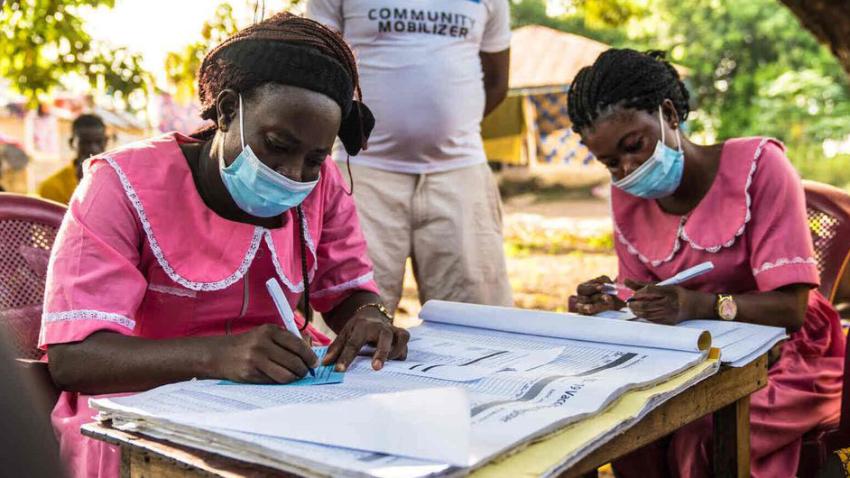
Explainer
Six years after COVID-19 killed millions, battered health systems, disrupted lives and brought the global economy to a virtual standstill, the world is still grappling with how we can prepare better for the next pandemic.
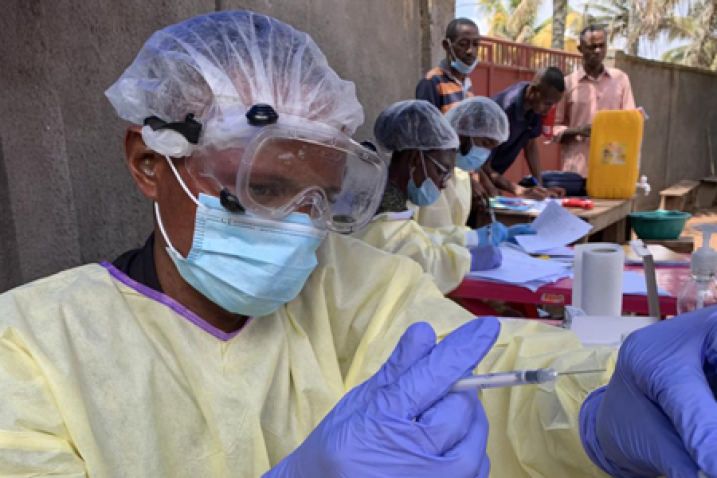
Agreement
The WHO Pandemic Agreement was adopted by the World Health Assembly on 20 May 2025, marking a historic moment for global public health.
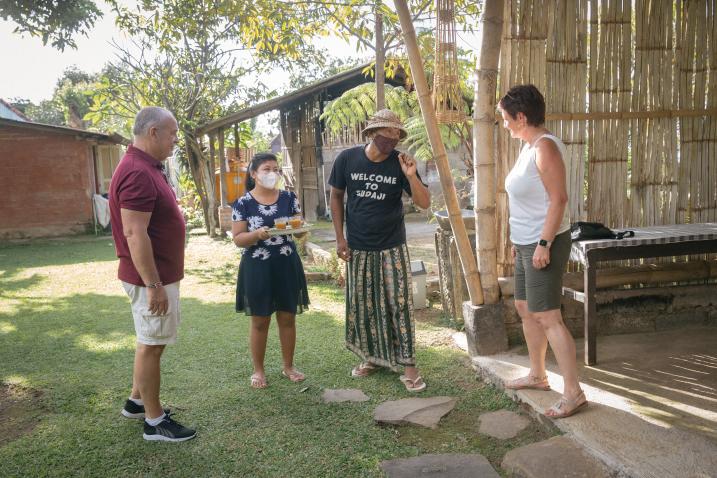
Website
This website features important advisories, guidelines, resources, and materials on the COVID-19 pandemic.
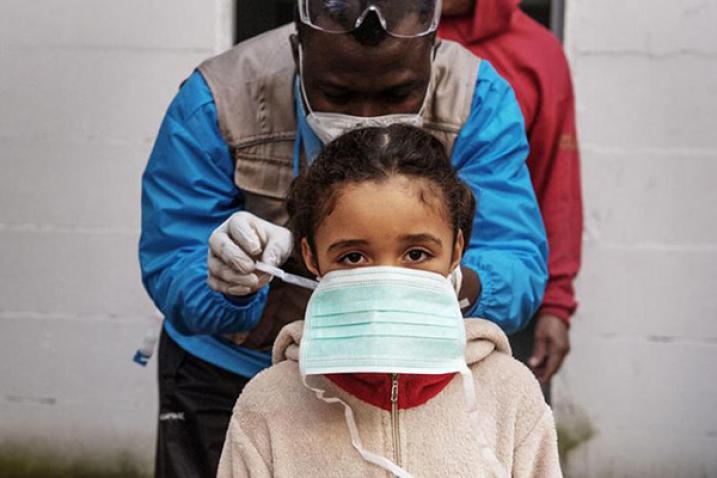
International Day
General Assembly proclaimed 27 December as the International Day of Epidemic Preparedness.
Explore the latest news and updates from across the United Nations on pandemic preparedness.