Clean energy: for all…
Energy lies at the core of a double challenge: leaving no one behind and protecting the Planet. And clean energy is crucial to its solution.
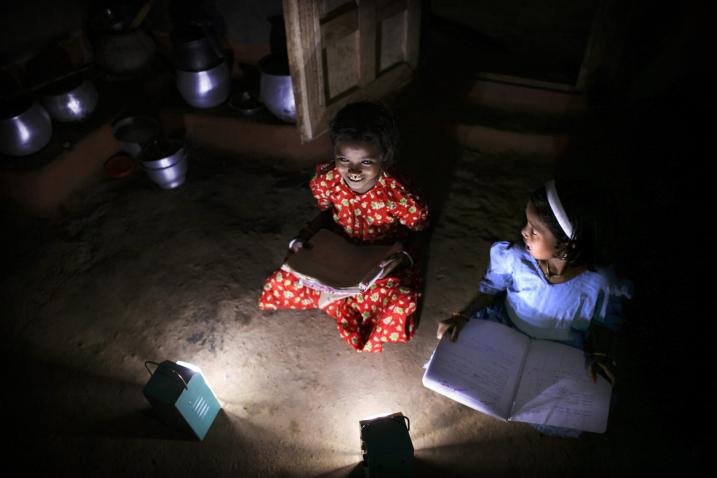
In a world grappling with climate change, clean energy plays a vital role in reducing emissions, and can also benefit communities lacking access to reliable power sources. Still today, 666 million people live in the dark - more than 85 per cent of them in Sub-Saharan Africa.
The connection between clean energy, socio-economic development, and environmental sustainability is crucial in addressing issues faced by vulnerable communities worldwide.
For populations without clean energy access, the lack of reliable power hinders education, healthcare, and economic opportunities, and many of these developing regions still rely heavily on polluting fossil fuels for their daily life, perpetuating poverty. An estimated 1.5 billion people in rural areas still use unsafe, unhealthy and inefficient cooking systems, such as burning wood or dung, and the number of people without clean cooking in Sub-Saharan Africa continues to rise at a rate of 14 million people yearly because of population growth.
Although this situation has been gradually improving, the world is not on track to achieve Sustainable Development Goal 7 (SDG7), which aims to ensure access to affordable, reliable, sustainable and modern energy for all by 2030.
On a positive note, notable progress is being made on the transition to clean energy: installed renewables capacity per capita has continued to grow each year, reaching a new high of 341 watts per capita in developing countries, up from 155 watts in 2015.
… and for our planet
But adopting clean energy is integral to the fight against climate change, as well.
A large chunk of the greenhouse gases that blanket the Earth and trap the Sun’s heat are generated through energy production, by burning fossil fuels (oil, coal, and gas) to generate electricity and heat.
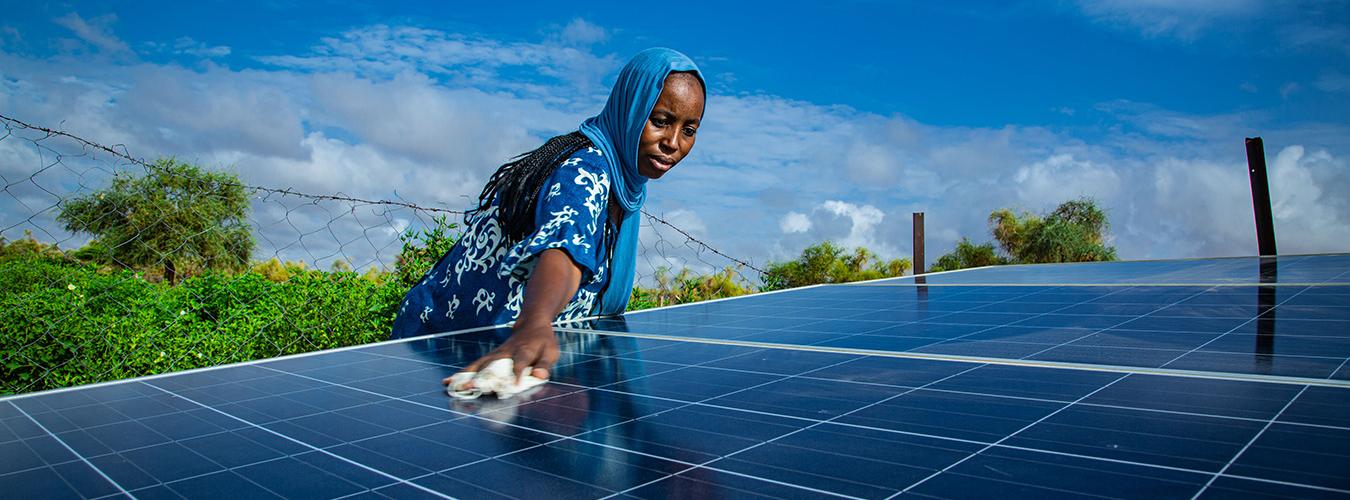
The science is clear: to limit climate change, we need to end our reliance on fossil fuels and invest in alternative sources of energy that are clean, accessible, affordable, sustainable, and reliable. Renewable energy sources – which are available in abundance all around us, provided by the sun, wind, water, waste, and heat from the Earth – are replenished by nature and emit little to no greenhouse gases or pollutants into the air.
At the same time, improving energy efficiency is key. Using less energy for the same output – through more efficient technologies in the transport, building, lighting, and appliances sectors for instance: saves money, cuts down on carbon pollution, and helps ensure universal access to sustainable energy for all.
Background
The International Day of Clean Energy on 26 January was declared by the General Assembly (resolution A/77/327) as a call to raise awareness and mobilize action for a just and inclusive transition to clean energy for the benefit of people and the planet.
26 January is also the founding date of the International Renewable Energy Agency (IRENA), a global intergovernmental agency established in 2009 to support countries in their energy transitions, serve as a platform for international cooperation, and provide data and analyses on clean energy technology, innovation, policy, finance and investment.
Join us
26 January, 10am-12pm, New York time.
Live stream and in person (Conference Room-12)
Organizer: UN DESA, with the support of UN-Energy.
The event will review progress, share practical experiences, and agree on next steps to speed up the global shift to clean energy.
Did you know?
- Over 75% of global greenhouse gas emissions come from burning fossil fuels for energy.
- Polluting fuels for cooking cause 3.2 million premature deaths annually; clean cooking can prevent many of these.
- Every $1 invested in renewables creates 3X more jobs than in the fossil fuel industry.