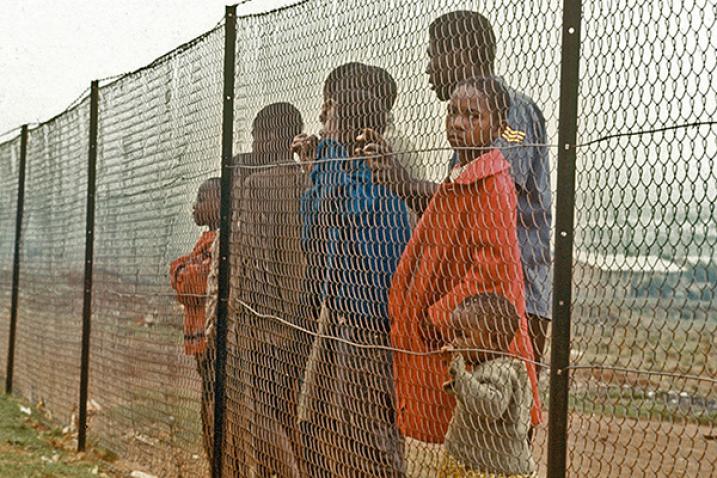
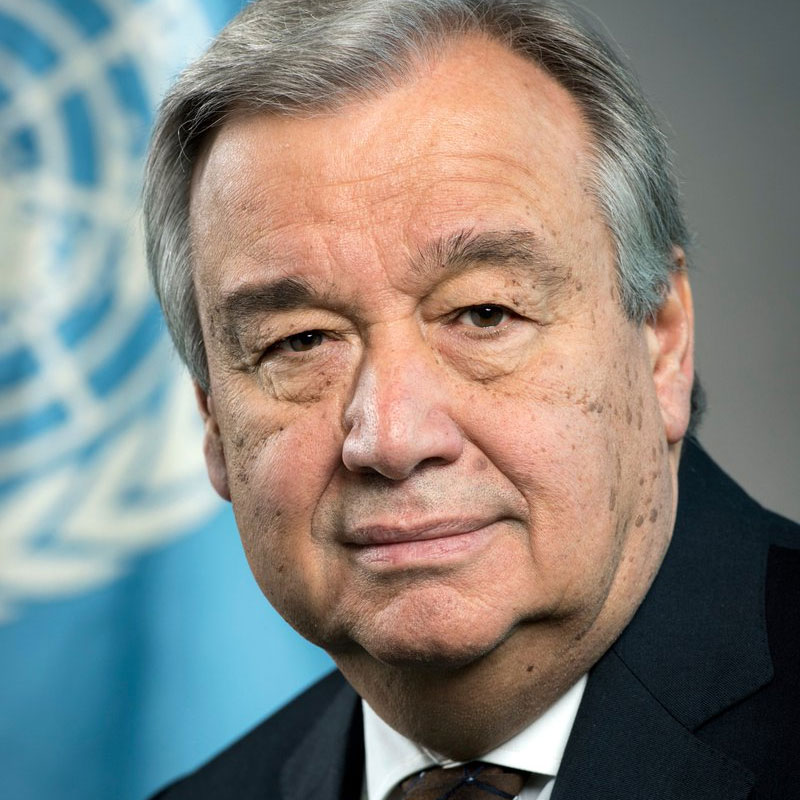
We must continue our fight to right these wrongs by acknowledging the historical facts and enduring repercussions of colonialism and slavery, in particular the transatlantic slave trade. [...] The second International Decade for People of African Descent is a further opportunity to drive meaningful progress."
UN Secretary-General António Guterres
Reparatory justice, youth leadership, and decade alignment
The 2026 International Day for People of African Descent is being observed under the theme “Expanding the Human Rights of People of African Descent” within the framework of the Second International Decade for People of African Descent (2025–2034). Building on the achievements of the first International Decade, the observance reaffirms the commitment to Recognition, Justice and Development while accelerating action to address persistent inequalities, systemic racism, and the lasting impacts of racialized chattel enslavement and colonialism. It also provides an opportunity to strengthen collaboration among the United Nations, Member States, civil society, and people of African descent to advance the promotion and protection of human rights worldwide.
The 2026 observance seeks to expand the human rights of people of African descent through stronger legal, policy, and institutional measures to combat racism, racial discrimination, xenophobia, and related intolerance. It also underscores the importance of ensuring the full enjoyment of economic, social, cultural, civil, and political rights, while advancing equal access to education, employment, healthcare, housing, and economic opportunities. These priorities reflect the objectives of the Second International Decade and build on efforts to increase visibility, awareness, and respect for people of African descent and their contributions to society.
This year's discussions examine reparatory justice through the return of cultural artefacts, the human rights situation of youth of African descent, and the 25th anniversary of the Durban Declaration and Programme of Action as an opportunity to reflect on turning existing human rights commitments into concrete action. Guided by the Durban Declaration and Programme of Action, these discussions will reinforce international efforts to address the enduring consequences of racism, racial discrimination, the transatlantic slave trade, racialized chattel slavery, and colonialism through sustained cooperation and concrete action.
Second International Decade for People of African Descent

Second International Decade for People of African Descent (2025-2034)
The Second International Decade was proclaimed by the United Nations General Assembly to build on the achievements of the International Decade while accelerating efforts to address persistent inequalities, systemic racism, and the lasting impacts of enslavement and colonialism.
Advancing recognition, justice and development
The launch of the Second International Decade for People of African Descent reflects both the progress achieved during the first Decade and the recognition that significant challenges remain. The year 2024 marked the conclusion of the International Decade, during which progress was made at the legislative, policy, and institutional levels. At the same time, people of African descent continue to experience intersectional and compounded forms of racial discrimination, marginalization, and exclusion. The continuing lack of recognition remains a significant barrier to the full and effective enjoyment of human rights. These ongoing challenges demonstrate the need for continued international attention and action to advance the rights and well-being of people of African descent.rights of people of African descent.
From progress to action
Building on this progress, the Second International Decade for People of African Descent provides a renewed framework for collaboration among the United Nations, Member States, civil society, and people of African descent. Global discussions on racial justice, together with initiatives to strengthen legal, policy, and institutional measures, have reinforced efforts to combat racism, racial discrimination, xenophobia, and related intolerance. Governments have also taken steps to improve the statistical visibility of people of African descent to help address historical injustices and disparities in access to healthcare, social services, and opportunities. However, further action, political will, and sustained investment remain essential to eliminate inequalities and ensure the full enjoyment of economic, social, cultural, civil, and political rights. Through continued cooperation and concrete action, the Second International Decade provides a framework for translating existing commitments into concrete measures that advance Recognition, Justice and Development and expand the human rights of people of African descent worldwide.
Related websites
- OHCHR and the Second International Decade for People of African Descent (2025-2034)
- Fellowship programme for People of African Descent
- International Day for Women and Girls of African Descent
- Fight racism
- #FightRacism (OHCHR)
- UNESCO Routes of Enslaved Peoples
- Outreach Programme on the transatlantic slave trade and slavery
- Conferences | Racism
- Durban Declaration and Programme of Action 20th Anniversary (2021)
Key documents
- Report of the Secretary-General on the Programme of activities for the implementation of the International Decade for People of African Descent
- Report of the Secretary-General on the Programme of activities for the implementation of the International Decade for People of African Descent
- Report of the Secretary-General on the Programme of activiites for the implementation of the International Decade for People of African Descent
- General Assembly resolution proclaiming the Second International Decade for People of African Descent
- General Assembly resolution: International Day for People of African Descent
- General Assembly resolution: Proclamation of the International Decade for People of African Descent
- Human Rights Council resolution: Promotion and protection of the human rights and fundamental freedoms of Africans and people of African descent
- General Assembly resolution: International Day for the Elimination of Racial Discrimination
- General Assembly resolution: Week of Solidarity with the Peoples Struggling against Racism and Racial Discrimination
- International Convention on the Elimination of all Forms of Racial Discrimination (ICERD)
- Declaration on Race and Racial Prejudice
- Durban Declaration and Programme of Action
- Political Declaration adopted at the 10-year anniversary of the Durban Conference
- Report of the Working Group of Experts on People of African Descent
- Report of the United Nations High Commissioner for Human Rights
UN Human Rights
- Working Group of Experts on People of African Descent
- Committee on the Elimination of Racial Discrimination
- Special Rapporteur on contemporary forms of racism, racial discrimination, xenophobia and related intolerance
- Intergovernmental Working Group on the effective implementation of the Durban Declaration and Programme of Action
- Anti-discrimination database