
Lakes: Hidden Giants in the Global Hydrological Cycle


Protecting freshwater ecosystems like lakes is central to biodiversity, water, energy and food security, and offers climate resilience.
Take Time to Reflect on Water


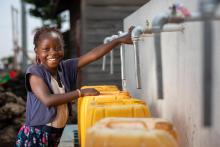
We need two things to happen at once: the United Nations must take the global lead on water as a critical issue, and water must be mainstreamed across all other intergovernmental processes related to sustainable development.
Speaking of Toilets... A Chronicle Conversation with "Mr. Toilet", Jack Sim, 18 November 2022


Ahead of World Toilet Day (19 November), the UN Chronicle spoke with Jack Sim, Founder and Director of the World Toilet Organization. Mr. Sim, popularly known as "Mr. Toilet", who discussed the important role of toilets and sanitation in achieving sustainable development; his work to improve sanitation systems throughout the world; and progress towards the goal of ensuring that everyone everywhere has access to a functioning toilet whenever needed.
World Water Week 2022: Revealing the Importance of Unseen Water


This year’s conference will place particular focus on what can be described as “invisible water”—groundwater, soil moisture and atmospheric water. These occurrences of water are often forgotten, even by experts in the water community, and their potential is therefore not fully explored.
The Value of Water and Its Essential Role in Supporting Sustainable Development
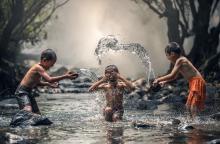
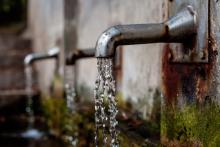

Recognizing, measuring and expressing water’s worth, and incorporating it into decision-making, are fundamental to achieving sustainable and equitable water resources management and the Sustainable Development Goals.
Improving Water Resource Management to Address the Climate Emergency


Embracing adaptation and mitigation measures through water is a win-win-win proposal. It benefits sustainable water resources management and the human right to safe drinking water and sanitation.
Reducing Single-Use Plastic Pollution: A Unified Approach


Organizations, partnered with the corporate sector and individual citizens at the local level, can significantly reduce plastic pollution around the world.
The Dynamic Role of Gender and Social Inclusion: Achieving Internationally Agreed Water-Related Goals

It is estimated that over the next 10 years, climate change and resulting weather extremes will affect around 175 million children a year. We need to increase equitable access to sustainable water sources and improved sanitation, so that in times of both stability and crisis, every child is given a chance to survive.
Coming to Grips with Water Security in the Face of Climate Change

In a landmark study published a decade ago, the International Water Management Institute (IWMI) suggested that under likely scenarios the world's freshwater supplies should be adequate to meet future demands from agriculture, industry and other sectors.
Water Is a Prerequisite for All Development

The World Water Council (WWC) considers the formulation of the Sustainable Development Goals (SDGs) to be an endeavour of the highest importance for the achievement of water security throughout the world, which is crucial for a prosperous and equitable future for humankind.