
A Decade of Prevention: Renewing Commitment to Human Rights-Based, Nationally Led Efforts against Violent Extremism


Victims of terrorism must remain at the heart of prevention efforts. Their voices and experiences highlight both the profound human costs of terrorism and the obligations of States to protect those within their jurisdiction.
World Hepatitis Day and Every Day: Advancing Global Solidarity to Eliminate Hepatitis


This World Hepatitis Day, let us celebrate our successes in fighting the disease and reaffirm our global commitment to ending hepatitis as a public health threat.
The Tobacco Industry Is Aggressively Marketing New Products – Here Is How We Can Combat Their Actions and Save Lives


Tobacco use kills millions of people each year, and the introduction of new nicotine products has created new threats, particularly for young people.
Improving Diagnosis for Patient Safety: A Global Imperative for Health Systems



States are increasingly recognizing the importance of ensuring access to safe diagnostic tools and services, towards avoiding preventable harm and achieving positive patient outcomes.
Voices for Peace: The Crucial Role of Victims of Terrorism as Peace Advocates and Educators



In the face of unimaginable pain and trauma, victims and survivors of terrorism emerge as strong advocates for community resilience, solidarity and peaceful coexistence.
What if We Could Put an End to Loss of Precious Lives on the Roads?

Road safety is neither confined to public health nor is it restricted to urban planning. It is a core 2030 Agenda matter. Reaching the objective of preventing at least 50 per cent of road traffic deaths and injuries by 2030 would be a significant contribution to every SDG and SDG transition.
Promoting Evidence-Based Prevention Strategies to Mitigate the Harms of Drug Use: The Role of the United Nations Office on Drugs and Crime

The engagement of the United Nations Office on Drugs and Crime with Member States is particularly focused on interventions addressing early adolescence through schools and families by piloting evidence-based, manualized programmes worldwide.
Creating Hope Through Action: Preventing Suicide in the Post-Pandemic Era

Much can be done to prevent suicide at the individual, community and national levels. In line with the triennial theme for World Suicide Prevention Day, we all have a role to play in “creating hope through action” to prevent suicide.
Twenty Years of Progress Is Not Enough: We Must Act Now to End Obstetric Fistula
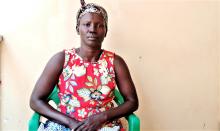

Obstetric fistula can be prevented when there is access to quality, comprehensive sexual and reproductive health services and information.
We Can End AIDS by 2030 if We Equalize
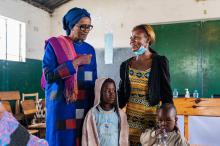

We can end AIDS, but only if leaders are courageous in tackling the inequalities that are blocking progress.