

The ocean covers over 70% of the planet, but only a tiny portion of its waters has been explored. Despite humanity’s utter reliance on it and compared to the breadth and depth of what it gives us, the ocean receives only a fragment of our attention and resources in return. Under the theme "Awaken New Depths", this World Oceans Day (8 June), the UN is joining forces with decision-makers, indigenous leaders, scientists, private sector executives, civil society, celebrities, and youth activists to put the ocean first. Join our UN virtual event on 7 June (10-1:30 p.m. EDT) and spread the word.
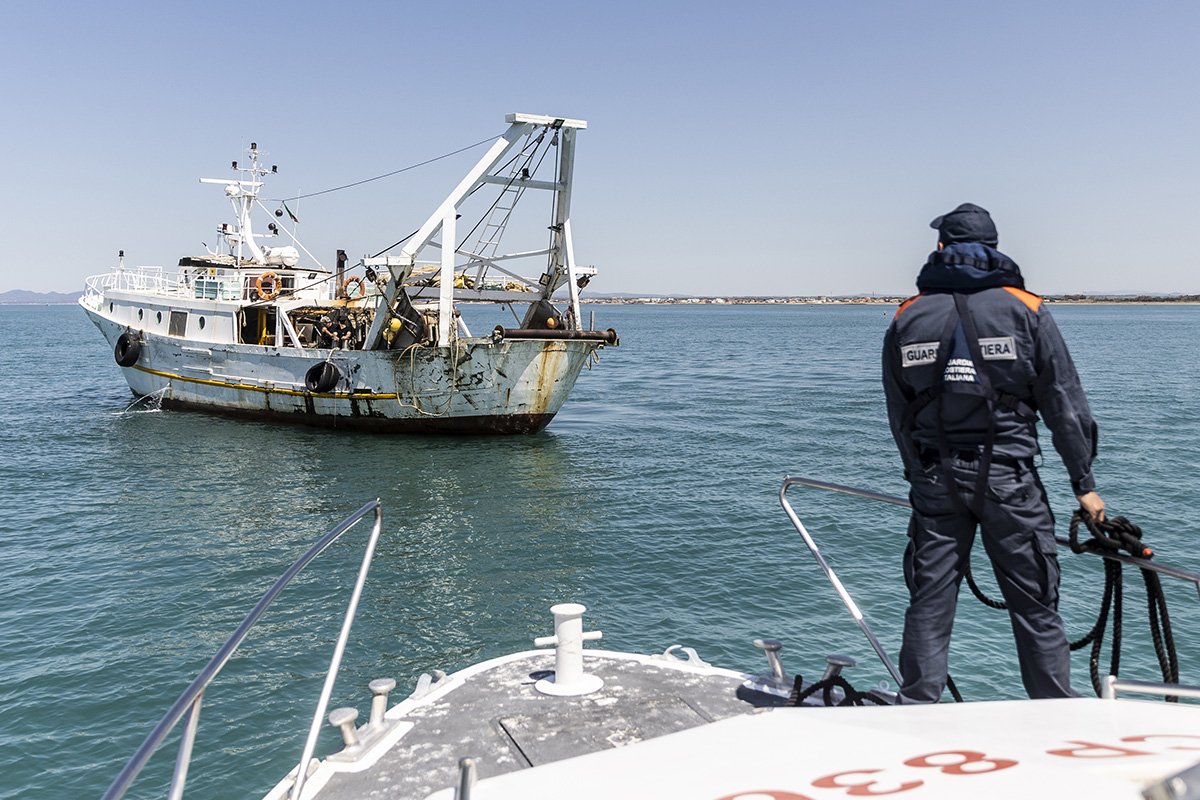
Fisheries provide a vital source of food, employment, recreation, trade and economic well-being. With our growing population and persistent hunger, fish has emerged as an important commodity towards food security. However, efforts to ensure the sustainability of fisheries are being seriously compromised by illegal, unreported and unregulated fishing activities. To promote long-term conservation of fisheries FAO adopted the Code of Conduct for Responsible Fisheries and later established 5 June as the International Day for the Fight against Illegal, Unreported and Unregulated Fishing.
FAO higlights why IUU fishing threatens livelihoods, exacerbates poverty, and augments food insecurity.
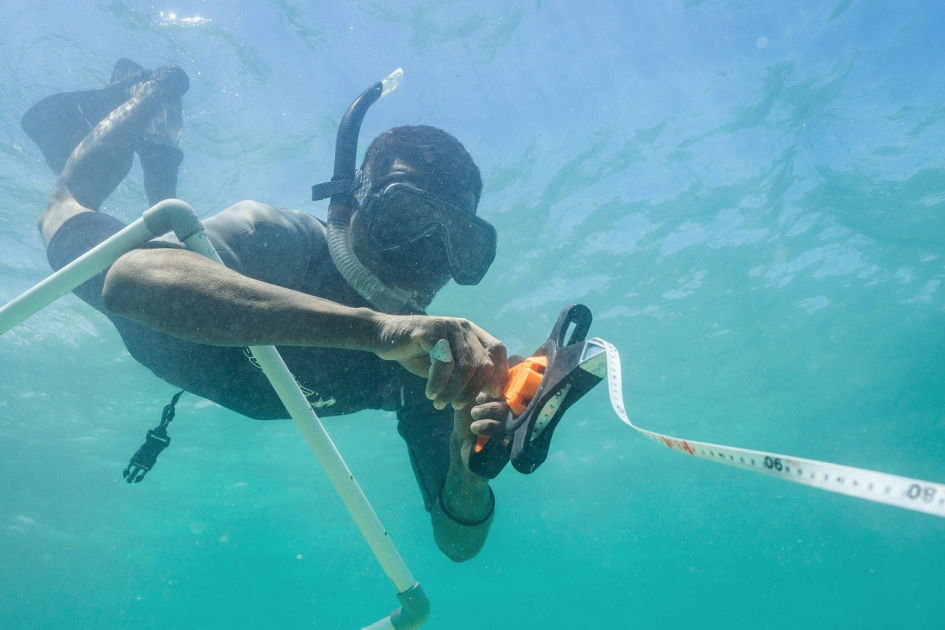
Fishing communities in Madagascar have seen their catches dwindle - a by-product of overfishing. But in some communities, fish stocks have start5ed to rebound thanks to small grants from UNEP.
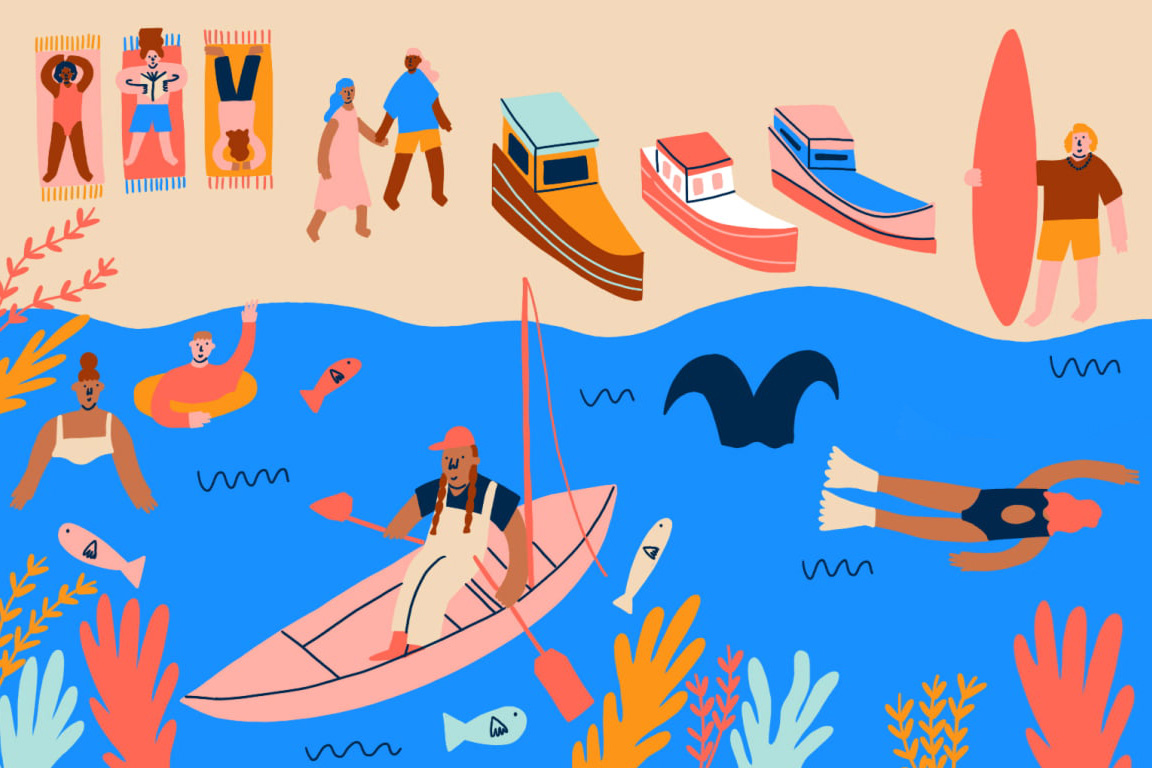
A new landmark treaty to protect biodiversity in international waters has been agreed to – UNDP presents this interactive story of how the new High Seas Treaty can advance progress towards the SDGs.
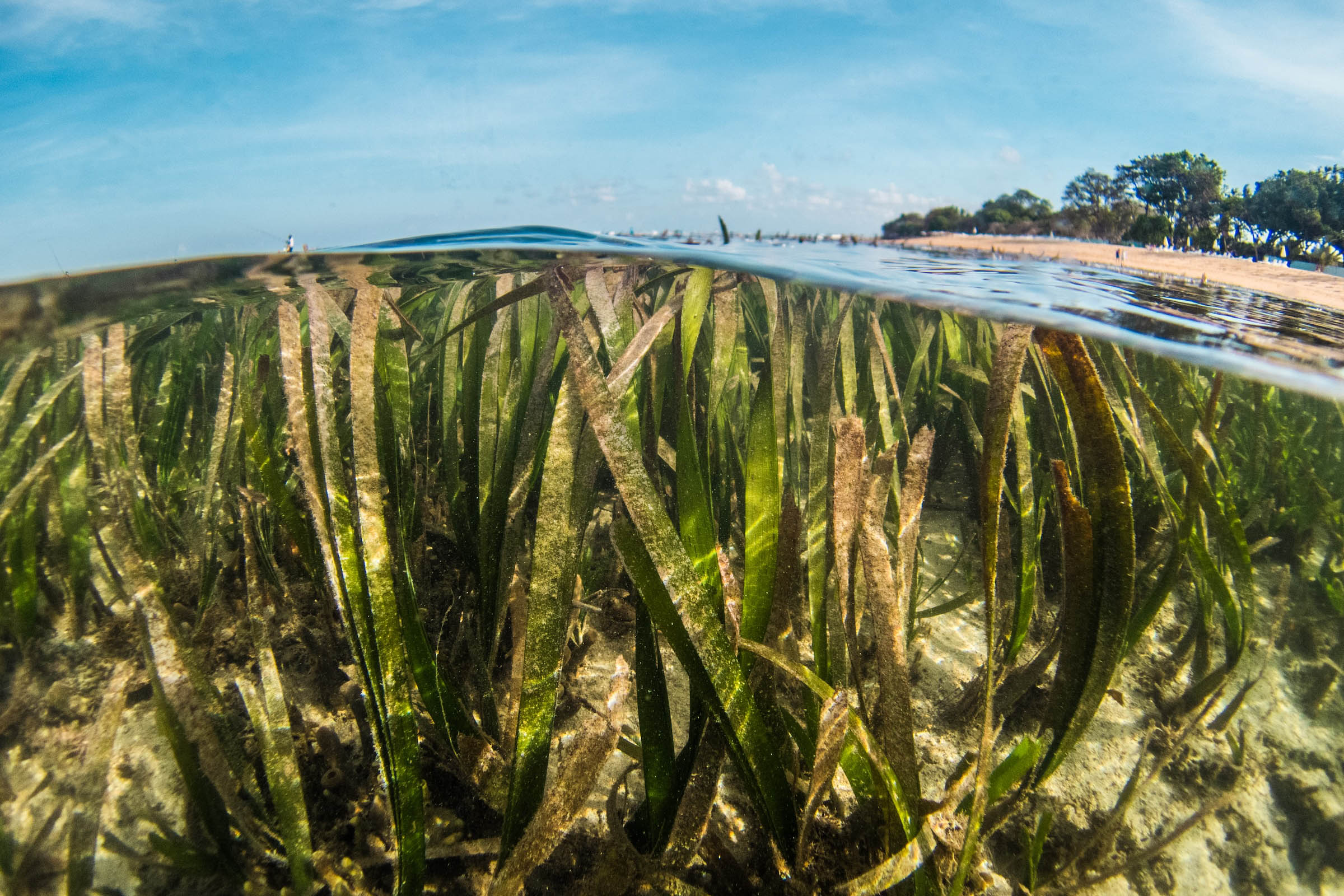
World Seagrass Day is observed on 1 March. The marine flowering plants, known as seagrass, found in shallow waters in many parts of the world are essential to the life of thousands of species of fish, seahorses, turtles, and others. They help improve water quality and play an active role in buffering ocean acidification. But they are disappearing. Protecting and restoring seagrass meadows will help countries achieve multiple economic, societal and nutritional objectives, like the Sustainable Development Goals, the Paris Agreement and the Aichi Biodiversity Targets.
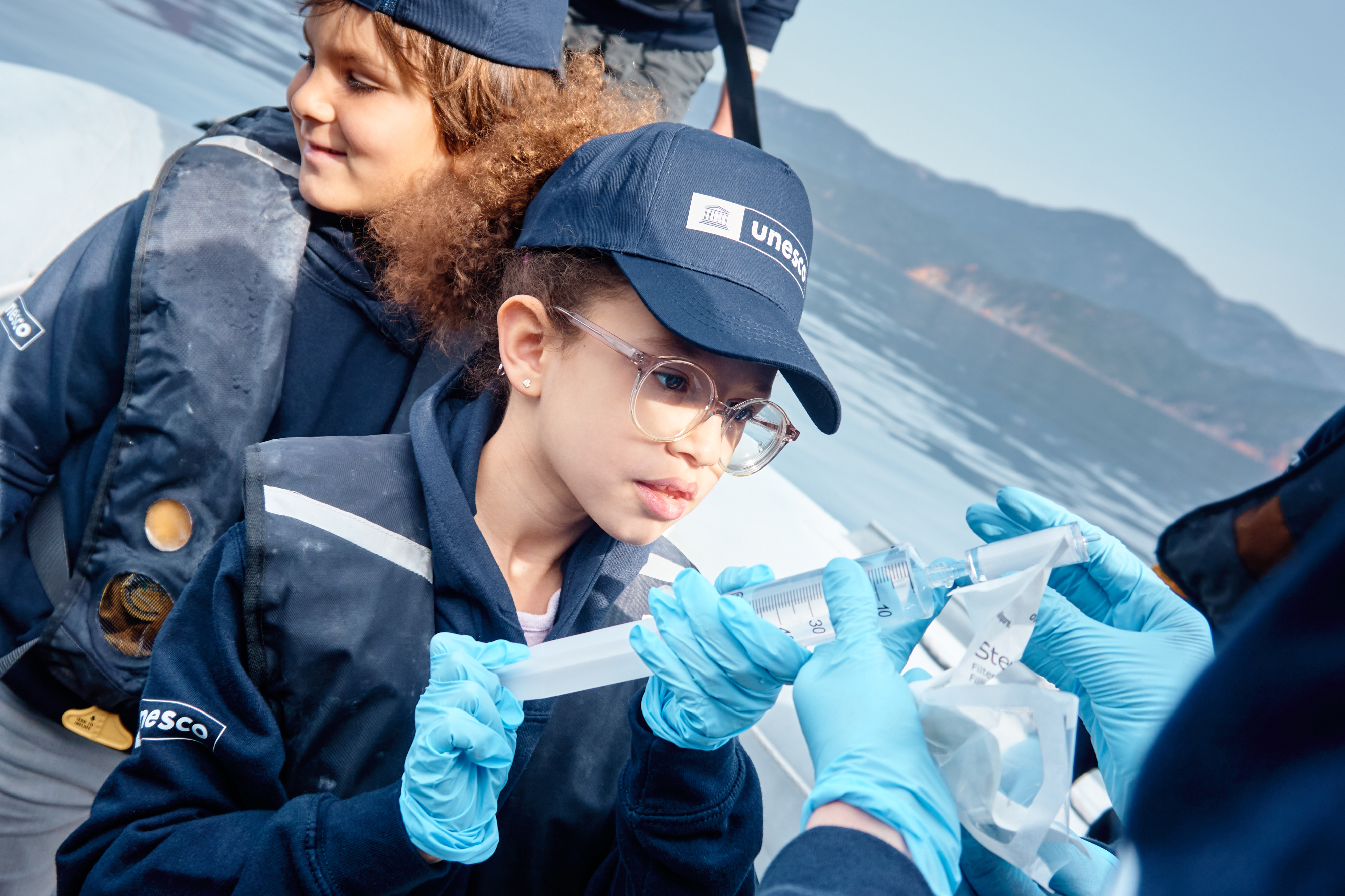
UNESCO is accelerating the mapping of marine species across some of the world’s most exceptional ocean places by combining science and education and working with local schools.
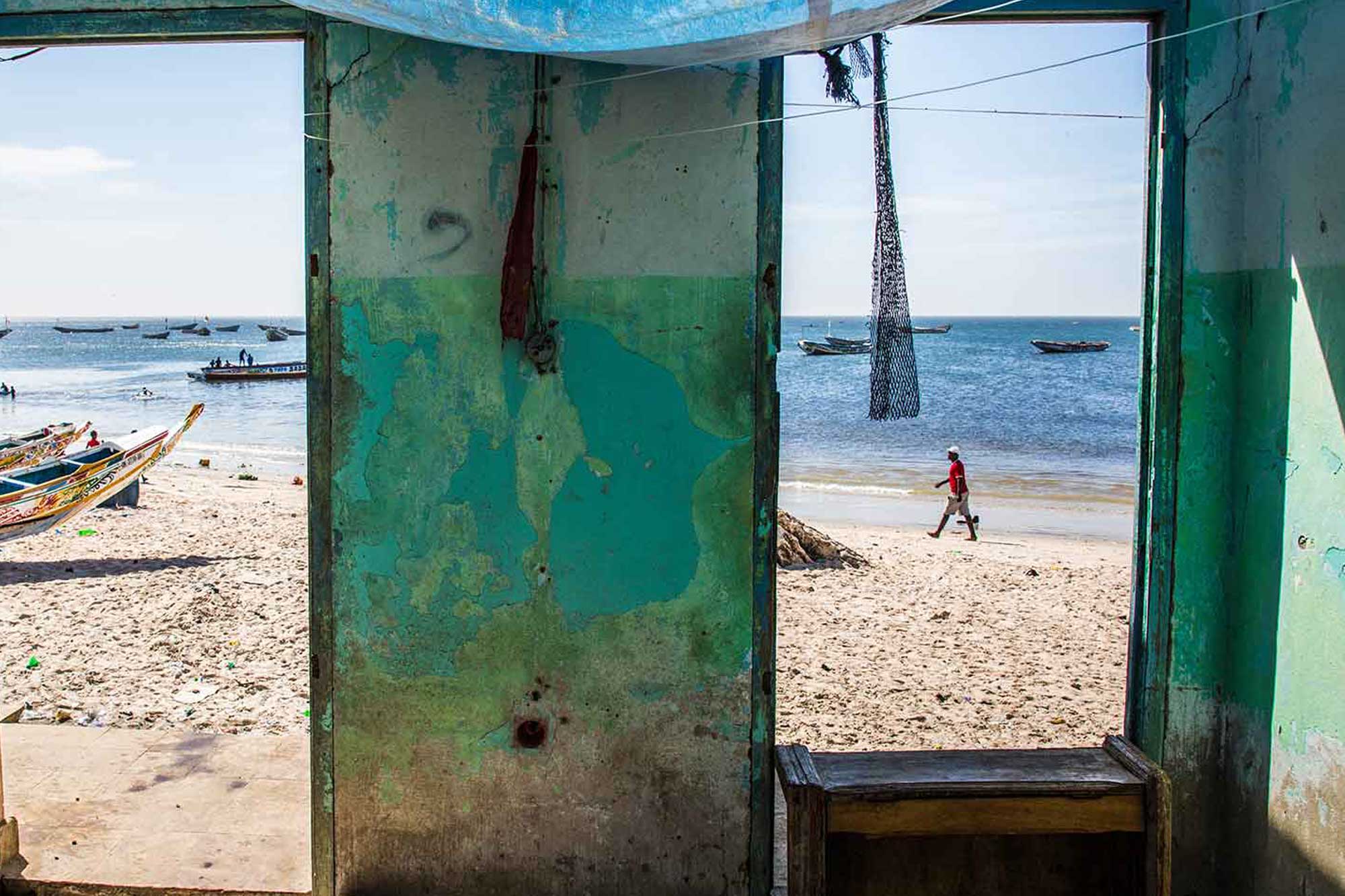
There is a recent wave of “ocean-friendly” financial solutions working to support the blue economy. While the blue finance market is still in its infancy, it is starting to flourish. But can we move fast enough? Here is what the IFC is doing to make it happen.
António Guterres, Secretary-General of the United Nations; Abdulla Shahid, President of the 76th Session of the United Nations General Assembly; and 40 other guests, among them Cody Simpson, explain why the oceans matter for the 2022 UN Ocean Conference. The ocean covers 70 percent of the Earth’s surface, is the planet's largest biosphere, and is home to up to 80 percent of all life in the world. It generates 50 percent of the oxygen we need, absorbs 25 percent of all carbon dioxide emissions and captures 90 percent of the additional heat generated from those emissions.
UN News reports on Colombia’s vibrant undersea world, with over a thousand square kilometres of coral reef awaits those who take the plunge. Yet this improbable marine wonder is in danger. Scientists, local experts, passionate activists, and islanders are sounding the alarm about the deterioration of one of the richest ecosystems in the Caribbean Sea, even as they work together on innovative ways to restore it. The One Million Coral for Colombia project initiated by the Colombian Government in 2021 aims to plant one million coral fragments and restore 200 hectares of coral reef by 2023.
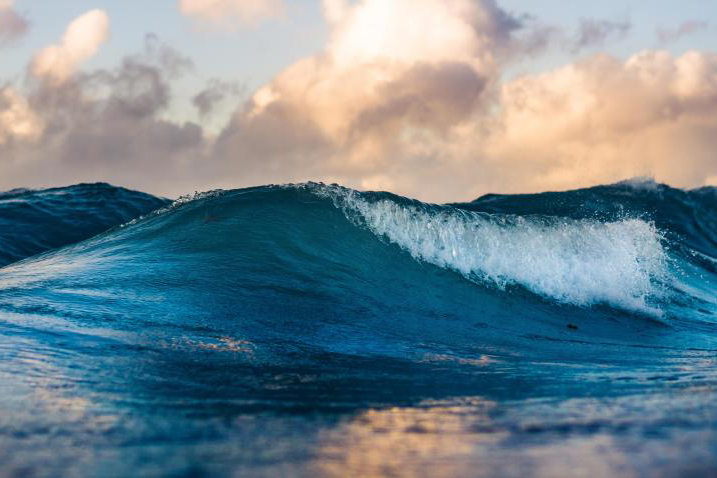
Ambassador Peter Thomson, the UN Secretary-General’s Special Envoy for the Ocean, reflects on the positive actions we can take this year at a series of international meetings related to the ocean, including the 2022 UN Ocean Conference in Lisbon. In an article for UN Chronicle, he says we can all play a part in halting the decline in the ocean’s health: "Let us all commit to reforming our relationship with Nature to one of respect and balance. And let us do this for our children and grandchildren, so that they may live the secure lives we wish for them on a healthy planet."

The ocean is not just ‘the lungs of the planet’ but also its largest carbon sink - a vital buffer against the impacts of climate change. It nurtures unimaginable biodiversity and produces food, jobs, mineral and energy resources. However, the science is clear – the ocean is facing unprecedented threats as a result of human activities, and we need to act now. The UN Ocean Conference (Portugal, 27 June -1 July) will seek to propel much needed science-based innovative solutions aimed at starting a new chapter of global ocean action.
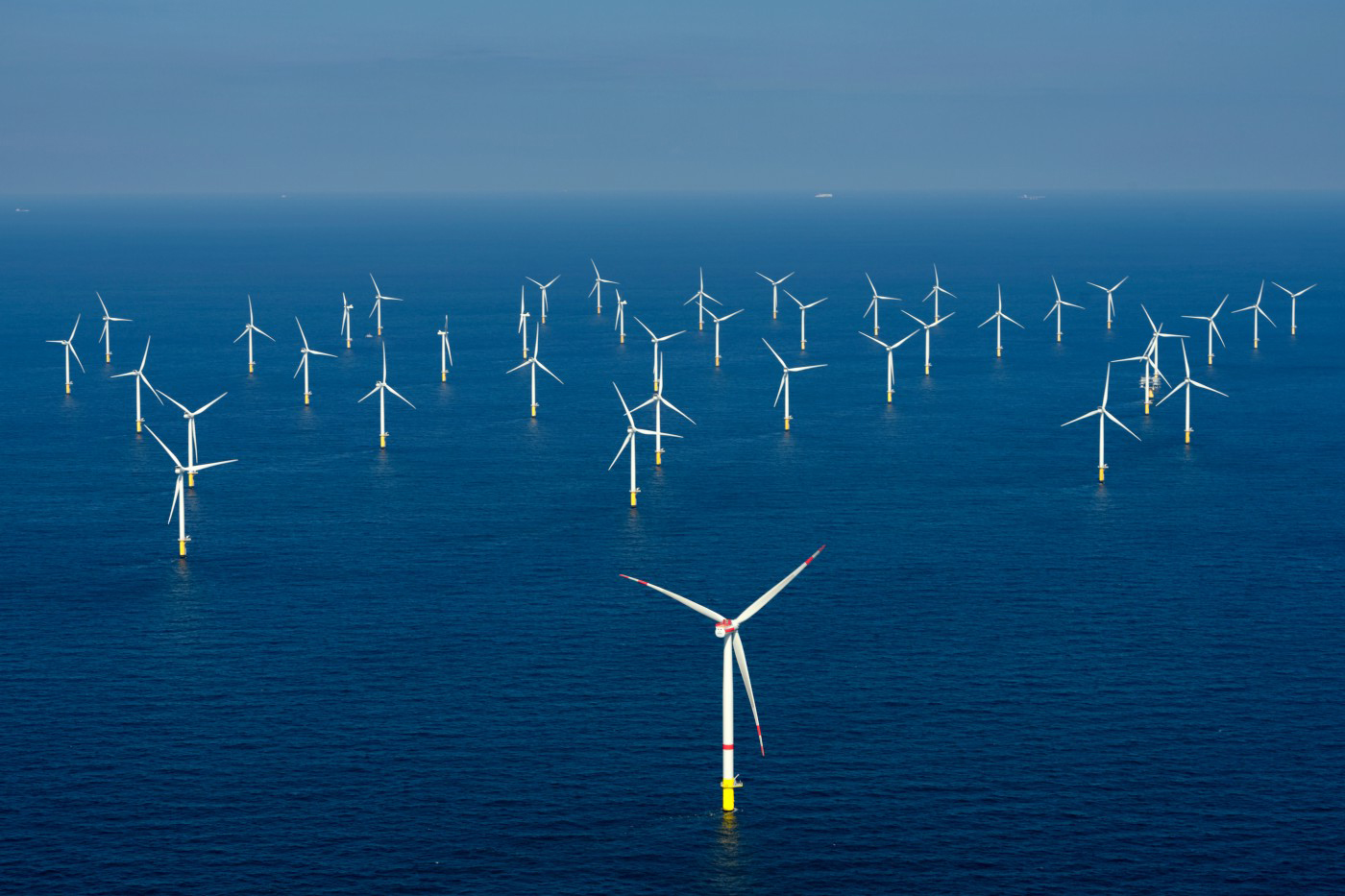
Ahead of the UN Ocean Conference, UNDP checks in with the Special Envoy for the Ocean, who reminds us: “No healthy planet without a healthy ocean, and the ocean’s health is measurably in decline.”
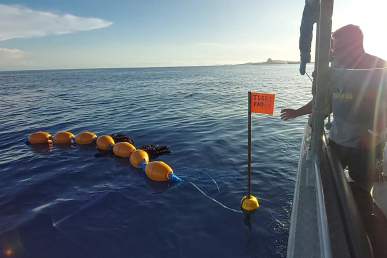
Through an FAO project in Fiji, fishers learn how to access aquatic species further offshore and are given the skills and equipment they need to do it. It’s about building capacity and resilience.
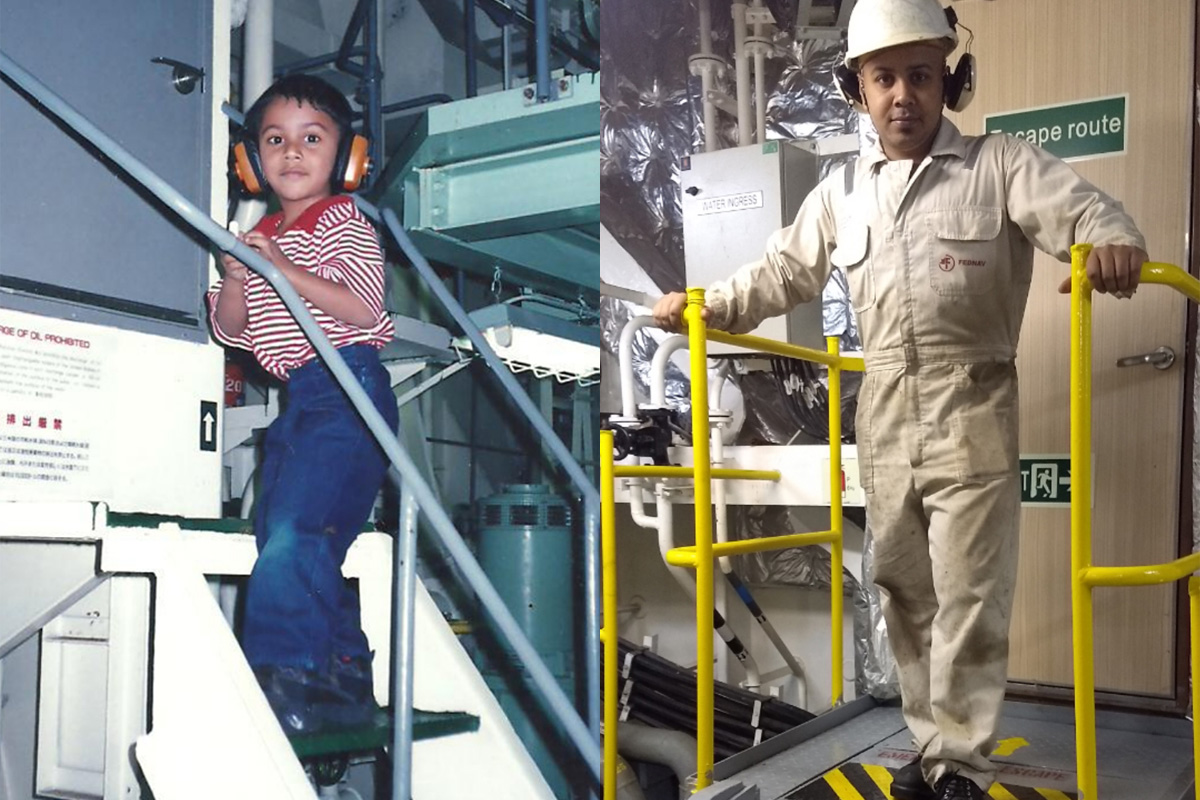
The Day of the Seafarer (25 June) focuses on the contributions made by seafarers to the entire global community. Every day, hundreds of thousands of seafarers are underway on ships, while others get ready for their next voyage. Without seafarers, there would be no shipping. Under this year’s theme “Your voyage - then and now, share your journey”, IMO calls on seafarers to share what resonates with them most, include photos of their first and most recent voyages, and tell us what has changed. Search #SeafarerJourney in social media, to take a look at seafarer voyages.