
World Autism Awareness Day: Inclusion in the Workplace
The COVID-19 pandemic has exposed and heightened glaring inequalities around the world, especially when it comes to income and wealth distribution, access to health care, protection under the law, and political inclusion. Persons with autism have long faced many of these inequalities, which have only been further exacerbated by the pandemic. It’s a problem made worse by long recognized discriminatory hiring practices and workplace environments that present major obstacles for persons with autism; all of which contribute to the unemployment or severe underemployment of a large majority of adults on the autism spectrum.
The 17 Sustainable Development Goals adopted by world leaders at the United Nations in 2015 provide a blueprint for addressing the major challenges facing the world, including strategies for reducing inequalities that hinder prosperity for people and the planet. One of the aims of Sustainable Development Goal 8 (SDG 8) – Decent Work and Economic Growth – is to promote full and productive employment and decent work for all, including persons with disabilities. Article 27 of the UN Convention on the Rights of Persons with Disabilities also recognizes “the right of persons with disabilities to work, on an equal basis with others,” and to a “work environment that is open, inclusive and accessible to persons with disabilities.”
Some employers have recently launched inclusive employment programmes, which accommodate people with diagnoses of autism and related conditions, such as ADHD, OCD, etc., often referred to as neurodivergent persons. Based on the experience gained from these programmes, and motivated by the desire to both be socially responsible and to gain a competitive advantage by capitalizing on the skills and abilities of a more diverse talent pool, an increasing number of employers are now creating models to make the workplace and hiring practices more inclusive generally.
The pandemic has undoubtedly impacted the efforts of companies to implement these new models, at a time when the international economy is undergoing the worst economic recession since the great depression, with the loss of hundreds of millions of jobs. At the same time, new ways of working, including remote working and the use of new technologies, have created opportunities for employees on the autistm spectrum that previously found it difficult to thrive in traditional work place environments.
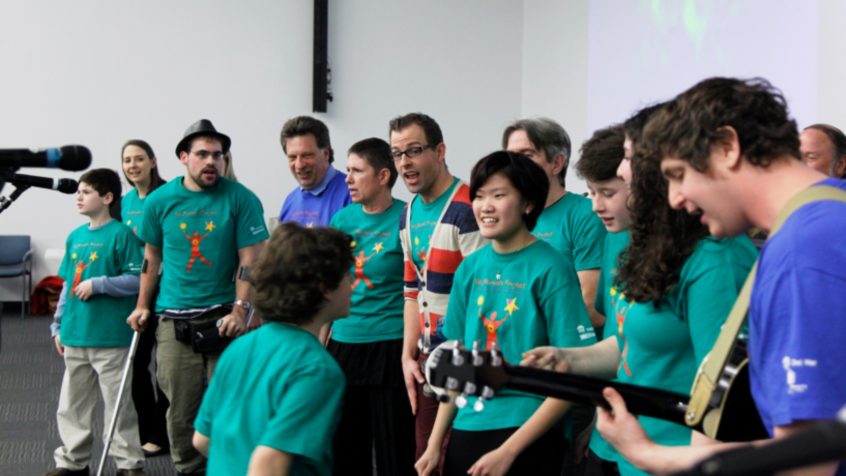
The 2021 World Autism Awareness Day observance will address these issues through a virtual event that will include moderated panel discussions with individuals on the autism spectrum who have themselves experienced the challenges and seen these new opportunities in the employment market.
Virtual event on Thursday, 8 April 2021, 10-11 a.m. EST
The event is organized by the UN Department of Global Communications and UN Department of Economic and Social Affairs, in collaboration with the Specialisterne Foundation.
For more information, please visit: https://www.un.org/en/observances/autism-day
Past Events
Overcoming the Digital Divide to Ensure Disability Inclusiveness
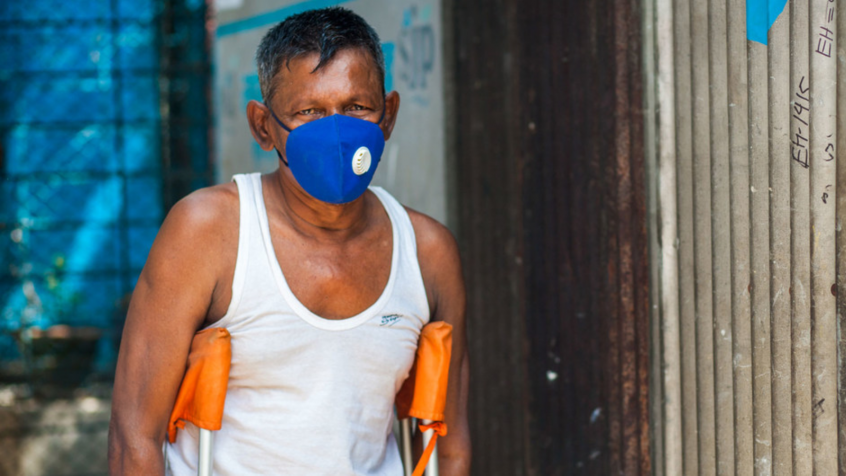
The aim of this event during the 59th Commission for Social Development (CSocD59) is to show how digital technologies can become a driving force for the inclusion of persons with disabilities. This event aims to initiate a conversation about how digital technologies can advance the rights of persons with disabilities at national and international levels.
Distinguished speakers will share their own experience and expertise in describing the basic lack of access persons with disabilities face on a regular basis and discussing one modality of how to bridge the disability divide: digital technologies. Participants will share examples of the success and challenges of different technologies that can be used to support different types of disabilities to enable persons with disabilities.
Presentations
- Removing barriers to digital inclusion: Engaging stakeholders in rethinking policies and services by Mr. Evert-Jan Hoogerwerf, Secretary-General of the Global Alliance of Assistive Technology Organizations
- Assistive Technology & disability inclusiveness by Dr. Chapal Khasnabis, Access to Assistive Technology and Medical Devices Unit, WHO

Recognize and protect rights of persons with disabilities, UN chief urges
“These rights touch on every aspect of life: the right to go to school, to live in one’s community, to access health care, to start a family, to engage in political participation, to be able to play sport, to travel – and to have decent work,” UN Secretary-General António Guterres said in a message.
While the coronavirus pandemic has upended societies globally and deepened pre-existing inequalities, persons with disabilities are among the worst affected. They are more likely to live in poverty and experience higher rates of violence, neglect and abuse.
“As the world recovers from the pandemic, we must ensure that the aspirations and rights of persons with disabilities are included and accounted for in an inclusive, accessible and sustainable post COVID-19 world,” the UN chief urged.
“This vision will only be achieved through active consultation with persons with disabilities and their representative organizations,” he added.
“On this International Day of Persons with Disabilities, let us all commit to work together to tackle the obstacles, injustices and discrimination that persons with disabilities experience.”
‘Future cannot be like the past’
Similarly, UN human rights experts called on world leaders to ensure that persons with disabilities are fully included in the “building back better” process.
An “obvious learning” from the past few months was a “conspicuous lack of consultation” with persons with disabilities, which resulted in missing of predictable problems and negatively affected COVID-19 responses, said Danlami Basharu, Chair of the Committee on the Rights of Persons with Disabilities.
Gerard Quinn, Special Rapporteur on the rights of persons with disabilities, added that only through the adoption of a human rights approach would the aim of equitable, sustainable and resilient societies be achieved.
“This includes, among others, the recognition of education as an essential element to empower persons with disabilities and to integrate them into their communities socially and politically … the future cannot be like the past, and that is what ‘building back better’ should be all about,” he said.
Impact on education
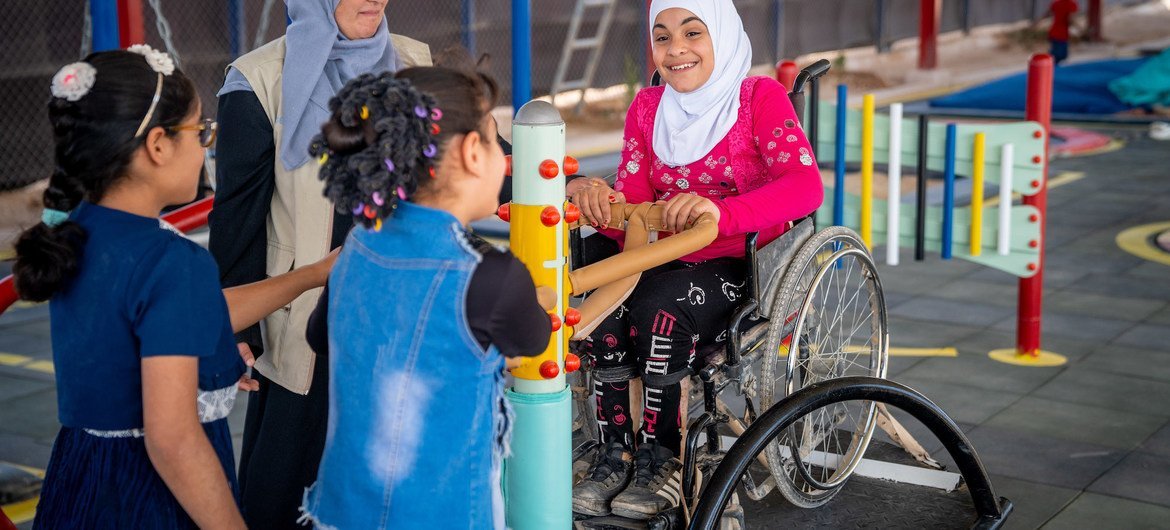
Audrey Azoulay, Director-General of the UN Educational, Scientific and Cultural Organization (UNESCO), highlighted the impact of the pandemic and related mitigation measures, such as school closures, on children and young people with disabilities.
They are often at the highest risk of experiencing a disruption of their education, she added, warning that many distance learning methods do not account for their specific needs.
“It is crucial to involve persons with disabilities in the devising of solutions that are truly aimed at everyone and to learn from the experience,” Ms. Azoulay urged.
This can be achieved by developing digital resources and skills that foster inclusion, training teachers in the principles of accessible education for all, and creating accessible tools adapted to different learning requirements, she added.
“This is crucial not only for students with disabilities, but also for their classmates. All students benefit from a more inclusive education … access to education, like access to other common goods, must become universal,” the UNESCO Director-General said.
The International Day
Observed every year on 3 December, the International Day of Persons with Disabilities was established by the UN General Assembly in October 1992, to promote awareness and mobilize support for critical issues pertaining to the inclusion of persons with disabilities in society and development.

13th Session of the Conference of States Parties to the CRPD
The Convention on the Rights of Persons with Disabilities (CRPD) was adopted by the General Assembly by its resolution 61/106 of 13 December 2006. It came into force on 3 May 2008 upon its 20th ratification.
Article 40 of the Convention stipulates that “The States Parties shall meet regularly in a Conference of States Parties (COSP) in order to consider any matter with regard to the implementation of the present Convention.”
Since 2008, the following are the sessions of the Conference of States Parties that meet at United Nations Headquarters in New York.
The 13th session of the COSP will take place this year on 30 November 2020 (in-person meetings: Opening and the election of the CRPD Committee members), 1 and 3 December 2020 (virtual meetings: roundtable discussions, the interactive dialogue with the UN system and the closing).
The “Over-arching theme is "A decade of action and delivery for inclusive sustainable development: implementing the CRPD and the 2030 Agenda for all persons with disabilities".
Sub-themes for the three round tables
- Disability and business: realizing the right to work in open, inclusive and accessible environments for persons with disabilities.
- Addressing the rights and needs of older persons with disabilities: ageing and demographic trends (co-chair by Liberia and CSO)
- Promoting Inclusive environments for the full implementation of the CRPD (co-chair by Finland and CSO)
For more information, please visit: http://bit.ly/un-cosp13.
Building Back Better: toward a disability-inclusive, accessible and sustainable post COVID-19 World
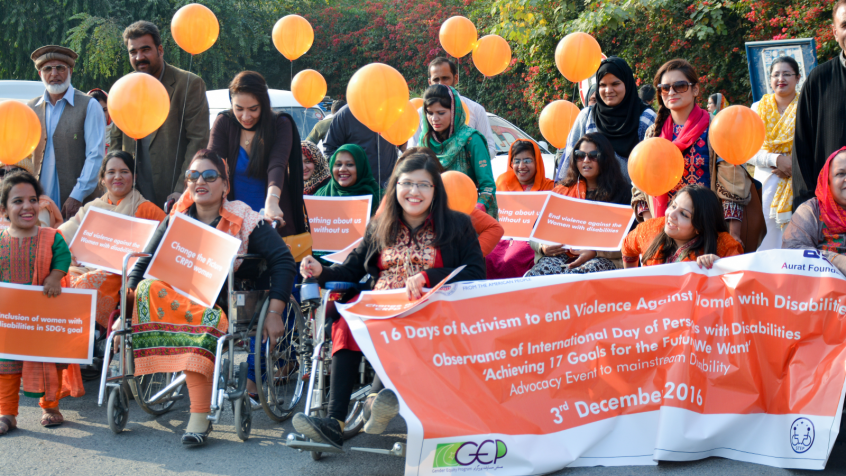
The International Day of Persons with Disabilities (IDPD) is annually observed on 3 December to promote the full and equal participation of persons with disabilities and to take action for the inclusion of persons with disabilities in all aspects of society and development.
This year, the International Day of Persons with Disabilities will be commemorated on 4 December 2020 in conjunction with the 13th session of the Conference of States Parties to the Convention on the Rights of Persons with Disabilities.
The theme this year is “Building Back Better: toward a disability-inclusive, accessible and sustainable post COVID-19 World”.
Learn more about the 2020 International Day of Persons with Disabilities (IDPD).
Reimagining cooperation on sport for persons with disabilities
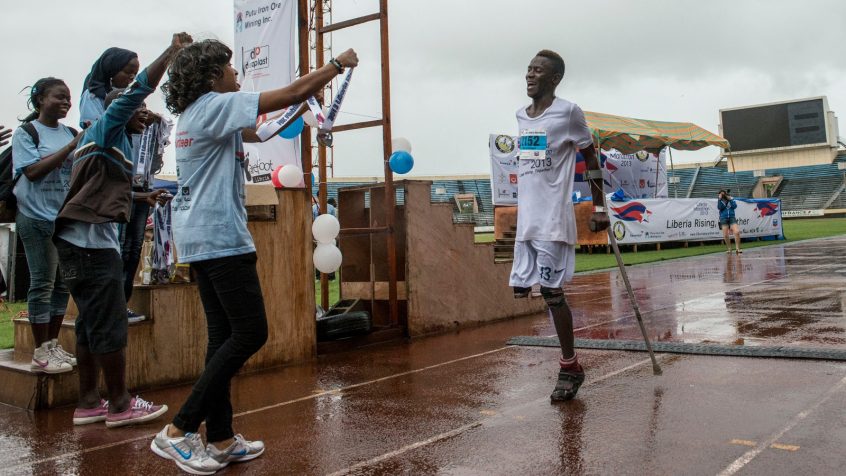
The global outbreak of COVID‐19 has heavily impacted the world of sport and access to physical activity, resulting in closure of gyms, stadiums, pools, dance and fitness studios, physiotherapy centers, parks and playgrounds. It has also led to the unprecedented postponement of the Olympic and Paralympic games and the cancellation of sporting events at all levels. This, in turn, also impacts many social benefits of global and regional sport events, which can cement social cohesion, contribute to the social and emotional excitement of fans, as well as their identification with athletes leading to greater physical activity of individuals. Sport has long been considered a valuable tool for fostering communication and building bridges between communities and generations. Within this context, sport is used as a tool for creating learning opportunities and accessing often marginal or at‐risk populations.
The impacts of COVID‐19 have also deepened existing inequalities, including for the world’s more than one billion persons with disabilities. The United Nations Secretary-General Policy Brief: A Disability‐Inclusive Response to COVID‐191 highlights that persons with disabilities are particularly disadvantaged by the socio‐economic consequences of COVID‐19. In some cases, measures to control the pandemic have also caused significant disruptions to support services that are essential for safe, independent, and healthy lives and have limited access to critical opportunities, including the opportunity to organize, develop and participate in disability‐specific sporting and recreational activities.
Last July the Secretary‐General António Guterres challenged Member States to “reimagine the way nations cooperate” to respond to and recover from the pandemic.
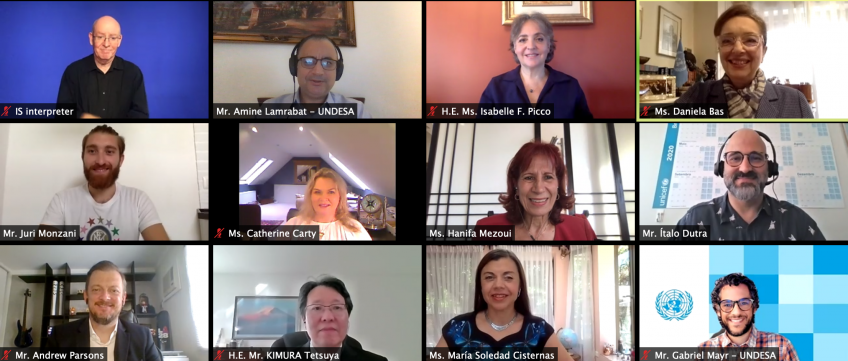
UNDESA's Division for Inclusive Social Development organized a webinar on "Reimagining cooperation on sport for persons with disabilities, leaving no one behind" on 10 November 2020 from 8 to 10 am EDT (NY Time). The webinar aimed at raising awareness and identifying collaborative innovative solutions and responses to recovering better from the pandemic with a focus on building more equal, inclusive, resilient, and sustainable economies and societies by engaging persons with disabilities and other stakeholders through sport.
Written Contributions
UNDESA welcomes written contributions from experts and organizations who may not be presenting at the webinar. These contributions, which should be submitted via email, shouldn't be longer than 1000 words, providing examples of good practices and/or detailed recommendations on further development of the field under this recovery process. Inputs should highlight good practices developed by UN Agencies, Governments, International Sport Federations, Civil Society, Academia, and lay solid foundations for the discussion on the next steps in maximizing the role of sport in ensuring inclusive development for persons with disabilities.
https://youtu.be/0qVMX0C_k-0
Photo Credit: Ms. Anne Wafula-Strike and Africa Renewal
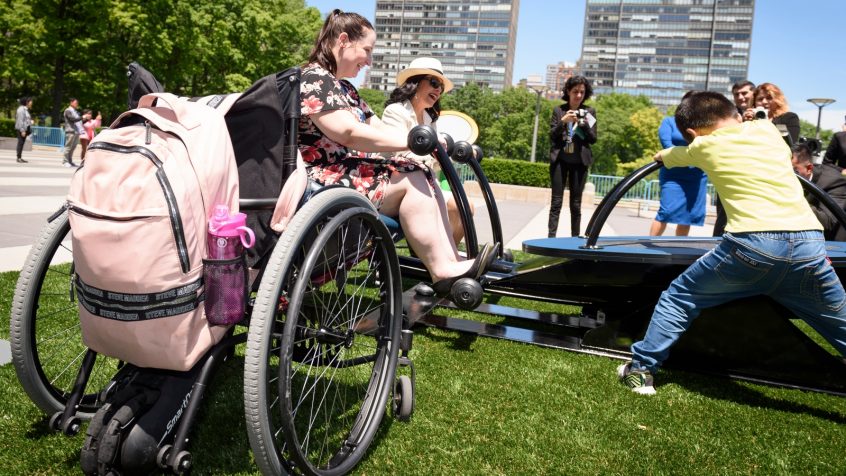
Persons with Disabilities and Addressing Inequalities in our Cities and Communities
With the devastating impact of COVID-19, cities everywhere are facing key challenges in ensuring that the basic needs of people living in hardship are met. As cities implement actions to strengthen public services in the face of the pandemic, they must also provide equal access to technology, education, livelihoods and services that strengthen the health and well-being of all, with particular focus to the most vulnerable social groups to leave no one behind.
Early this year, the UN World Social Report reported that even before the impact of the COVID-19 pandemic our world faced historically high levels of inequality. Persons with disabilities are particularly vulnerable to rising inequality and poverty. Of the nearly 1 billion persons with disabilities, an estimated 80% live in cities across developing countries, often in poverty.
Innovation and dialogue can be catalysts for change to ensure that our cities and communities are resilient, particularly in times of crisis like the present COVID-19 pandemic. United Cities for All serves as an annual platform for experts to share their knowledge and identify innovative solutions to the challenges that cities are facing to build back better and offer accessible and usable infrastructure, services, information and more.
In September 2019, during the UN Secretary-General’s SDG Summit, Heads of State agreed on a Political Declaration adopted by the UN General Assembly called for accelerated progress on the SDGs and committed to “Leaving no one behind: we will place a focus on the poorest and most vulnerable in our policies and actions” while “Bolstering local action to accelerate implementation”. The Political Declaration also commits us to “empower and support cities, local authorities and communities in pursuing the 2030 Agenda”.
SDG 11, “Sustainable cities and communities”, aims at enhancing “inclusive and sustainable urbanization and capacity for participatory, integrated and sustainable human settlement planning and management in all countries” (Target 11.3), and calls for the provision of “universal access to safe, inclusive and accessible, green and public spaces, in particular for women and children, older persons and persons with disabilities.” (Target 11.7).
Persons living with disabilities are often the poorest and most vulnerable in cities today. While obstacles exist to achieve the SDGs for persons with disabilities, sub-national governments in cities are enabling this progress. However, scaling up the inclusion of and accessibility of persons with disabilities across cities and communities today is an imperative to leave no one behind. This webinar will examine current trends, responses and lessons to accelerate SDG progress for citizens living with disabilities and make inclusion and empowerment a reality for all.
Registration Link:
Documents and Readings
Concept Note (Updated as of 27 October 2020)
Organizers
This webinar is organized by the United Nations Department of Economic Affairs (UN DESA) Division for Sustainable Goals (DSDG) and its United Nations Office for Sustainable Development (UNOSD) in partnership with the UN DESA Division for Inclusive Social Development (DISD).
Objectives and Content
Organized by the United Nations Department of Economic Affairs (UN DESA) Division for Sustainable Goals (DSDG) and its Office for Sustainable Development (UNOSD) in partnership with the UN DESA Division for Inclusive Social Development (DISD), this webinar is as part of the IVth Edition of United Cities for Al - 2020, marking the celebration of the World Cities Day 2020, and taking a focus on Leaving No One Behind: Persons with Disabilities and Inequalities in our Cities and Communities.
This webinar is also part of a series of online webinars exploring specific sessions under the United Nations Office for Sustainable Development’s 2020 International Mayors Forum. The 2020 International Mayors Forum examines the social, economic and environmental impacts of the current crisis on cities and local governments as well as potential solutions for sustainable response and recovery.
This webinar aims to provide local governments and local actors with the knowledge to help them go in that direction, supporting a swift recovery from COVID-19 and advancing the decade of action and delivery for sustainable development. Local governments are currently facing multiple challenges in reducing inequality and vulnerability. This webinar will focus on accelerating progress for the inclusion of persons with disabilities and universal design in cities and communities to leave no one behind.
Target Audience
This webinar aims to engage sub-national government representatives and national institutions, as well as civil society, private sector and local leaders across UN Member States.
The webinar also seeks to ensure the participation and contribution of non-government experts working in the areas of national to local SDG implementation, access to persons with disabilities, urban mobility, planning, and management, as well as legislative and legal aspects related to the urban space and services. Academia, youth, elderly persons, experts and non-experts engaged in or concerned by the theme of making our cities and communities more inclusive and sustainable and accelerating local solutions for delivering the 2030 Agenda in the Decade of Action are also welcomed to join.
Opening Remarks
- Mr. Chun Kyoo Park, Head, UN Office for Sustainable Devbelopment, UN DESA (video message)
Moderator
- Mr. Amson Sibanda, Chief, National Strategies and Capacity Building Branch, Division for Sustainable Development Goals, UN DESA
Speakers
- Ms. Daniela Bas, Director, Division for Inclusive Social Development, UN DESA (video message)
- Mr. Victor Kalise, Commissioner, Mayor's Office for People with Disabilities, City of New York, USA (video message)
- Dr. Deisi Kusztra, President, World Family Organization
- Mr. Johny Tom Varghese, State Commissioner for Persons with Disabilities, State of Tamil Nadu, India (video message)
- Mr. Murali Padmanabhan, Disability Inclusion Advisor, Light for the World
For more information:
For any questions or comments please contact Mr. Jean D’Aragon (daragon@un.org), Senior Sustainable Development Expert, United Nations Office for Sustainable Development (UNOSD), Ms. Sara Castro-Hallgren (sara.castrohallgren@un.org), Programme Management Expert, UNOSD, and Mr. Amine Lamrabat (lamrabat@un.org), Associate Public Information Officer, Division for Inclusive Social Development, UN Department of Economic and Social Affairs.
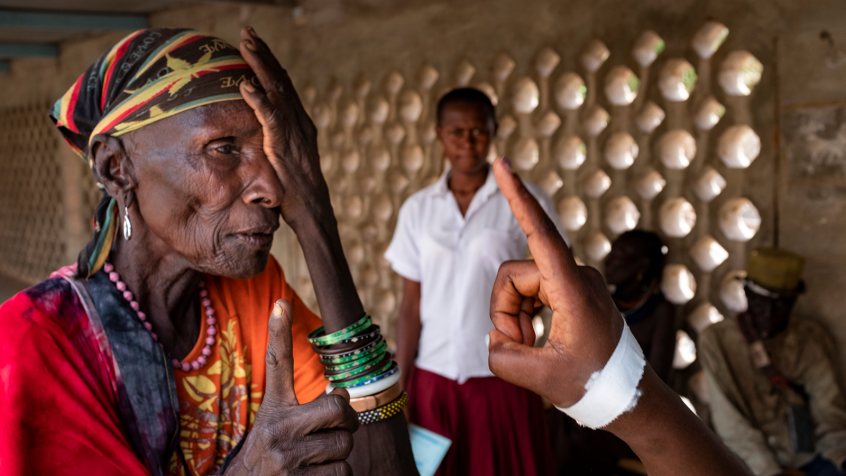
Accelerating Vision for Everyone
The Permanent Representatives of Antigua and Barbuda, Bangladesh, and Ireland to the United Nations, as the Co-Chairs of the Friends of Vision Group, are organizing a virtual High -Level Side Event titled, "2020 and Beyond: Accelerating Vision for Everyone” on 14 October 2020 at 8:30 am EST, in recognition of World Sight Day.
This event aims to place the issue of eye health firmly on the 2030 Agenda for Sustainable Development. The event will also feature a preview of the Lancet Global Health Commission on Global Eye Health’s forthcoming report.
The event will be attended by Permanent Representatives, Government Ministers, United Nations officials, and staff as well as representatives from international organizations. CEO’s from civil society and the private sector working in the eye care and development sector will also attend and participate.
Flyer of the event.
To register please click here.
Resources:
- WHO launches first World report on vision
At least 2.2 billion people have vision impairment or blindness, of which over 1 billion cases could have been prevented or have yet to be addressed. - OneSight is an independent nonprofit with the solutions, people, and resources to eradicate the vision care crisis for good. We believe that when the world sees better, the world lives better—and that with a clear vision, we can take on humanity’s greatest challenges.


Disability and Development Report
Disability-inclusive development is an essential condition for a sustainable future. In 2015, the United Nations adopted the 2030 Agenda for Sustainable Development, pledging to leave no one behind in the global efforts to realize the 17 Sustainable Development Goals (SDGs).
Resources

Reports, resolutions and other documents related to the UN intergovernmental process from the General Assembly, the Economic and Social Council (ECOSOC), the Commission for Social Development, the Human Rights Council, and the Inter-Agency Support Group (IASG) for the CRPD.