


Events archives for 2014-2015
 UN Water family at the 7th World Water Forum
Date: 12-17 April 2015
Place: Daegu and Gyeongbuk, Republic of Korea
Organiser/s: World Water Council (WWC)
The 7th World Water Forum will take place under the theme, ’Water for Our Future;' to raise awareness on the importance of tackling water challenges within the context of the post-2015 development agenda and the Sustainable Development Goals (SDGs). The World Water Forum is an international conference that is held every three years to provide a forum for global water issues in cooperation with the public and private sectors, academia and industries. Different UN agencies will play an active role in the WWF: On 13 April, the United Nations Human Settlements Programme (UN-Habitat) coordinates facilitating the inter-regional cooperation for better water and sanitation service provision at the inter-regional session for the Caribbean and the Pacific ; the Food and Agriculture Organisation (FAO) organises the event Water and food security in a changing world the United Nations Economic Commission for Europe (UNECE), Safe drinking water for all: Realizing the human right to water and sanitation . The same day, United Nations World Water Assessment Programme (UN WWAP UNESCO), in cooperation with UN-Water Members and partners, will present the main findings and messages of the World Water Development Report 2015 (WWDR 2015) . On 14 April, the United Nations Development Programme(UNDP) coordinates the session Innovative financing for small and decentralized water and sanitation operators and actors. The UN Office to Support the International Decade for Action: Water for Life 2005-2015 will participate at the Organisation for Economic Co-operation and Development (OECD) session on water governance indicators Counting what counts: getting indicators right for better water governance and the United Nations Environment Programme (UNEP) session Efficient water management in the Post 2015, both on 15 April.
The UNESCO International Hydrological Programme will convene on 16 April the event Water Education and Capacity Building: Key for Water Security and Sustainable Development, and UNEP will coordinate Sustainable Wastewater Management and Reuse. UNW-DPAC will participate at the UNESCO high level session on Water Security and Sustainable Development: Co-operation among Disciplines and Stakeholders and the Thematic Process Session entitled Addressing water security challenges: Case-studies and sharing of experiences on providing enough safe water for all, on 16 April 2015.
>> Access the 7th World Water Forum website
>> See the complete Programme
 High-level Interactive Dialogue on the Water for Life Decade: Progress achieved and lessons learned
Date: 30 March 2015
Place: UN Headquarters, New York, USA.
Organisers: President of the United Nations General Assembly (UNGA), UN-Water
On 19 December 2014 the UN General Assembly adopted the resolution (A/RES/69/215) on the ’International Decade for Action, «Water for Life», 2005-2015’, calling to evaluate progress achieved in the implementation of the Decade and continue taking steps for achieving internationally agreed water-related goals. The resolution also invited the President of the UN General Assembly to convene a High-level Interactive Dialogue on the theme ’The International Decade for Action: Progress achieved and lessons learned relevant to the achievement of sustainable development'. The dialogue will review progress achieved and gaps in the implementation of the Decade and will reflect on lessons learned that can contribute to a comprehensive approach to sustainable management of water and sanitation in the post-2015 development agenda. The event will feature a plenary segment and a high-level, interactive, multi-stakeholder panel discussion on the theme ’Carrying lessons learned from the Decade into the post-2015 development agenda'. It will result in a President's summary that will be circulated to Member States and other stakeholders. The UN Water Decade Programme on Advocacy and Communication (UNW-DPAC) will moderate the interactive discussion on good practices with regards to means of implementation and partnerships.
>> Visit the event website
>> Provisional programme >> Background document
 Developing capacity in the use of new technologies for improved water management and productivity
Date: 26-27 March 2015
Place: Delft, the Netherlands
Organiser/s: CAP-Net, UNESCO IHE Institute for Water Education
The expert consultation has as its main objective to develop a partnership in capacity development on the use of new technologies for improved water productivity and management. To this purpose, it will bring together experts and users from various fields and disciplines who are all actively involved in the development and use of these technologies. The meeting will gather the supply and demand sides of new technologies: water professionals and managers, development practitioners, policy makers, farmer representatives and industrialists, researchers, and capacity development specialists. Along the 2-day meeting these participants will discuss salient questions and set the basis for the design of a capacity development programme for the period 2016-2019 which will be lead by Cap-Net UNDP under a partnership approach including partner organisations and affiliated networks.
>> Read more
 Dresden Nexus Conference 2015 on Water, Soil and Waste
Date: 25-27 March 2015
Place: Dresden, Sachsen, Germany
Organiser/s: United Nations University Institute for Integrated Management of Material Fluxes and of Resources (UNU-FLORES)
The Dresden Nexus Conference (DNC) 2015 will convene under the theme 'Global Change, Sustainable Development Goals and the Nexus Approach,' and include participants from UN organizations, UN University (UNU) institutes, governments, international organizations, as well as individual researchers and representatives of non-governmental organizations (NGOs). Focusing on the contributions of a nexus approach to the management of water, soil and waste, the DNC 2015 will address the following issues: maintaining and enhancing environmental resources under global change; facilitating efficient and sustainable use of limited natural resources; engaging international development partners in the promotion of the nexus approach; and facilitating a transition to a green economy, especially with regard to agriculture. There will be three thematic topics over the course of the three days; each day will deal with one aspect of global change: climate, urbanization and population growth. It will be discussed how the integrated management of environmental resources guided by nexus approach may help to achieve the potential targets of the post-2015 agenda.
>> Visit the Conference website!
 13th session of the Committee for the Review of the Implementation of the Convention to Combat Desertification
Date: 25-27 March 2015
Place: Bonn, Germany
Organiser: Secretariat of the United Nations Convention to Combat Desertification
According to its tentative agenda and programme of work, the 13th session of the Committee for the Review of the Implementation of the Convention will focus on three main topics: 1) assessment of implementation of the Convention against the five operational objectives; 2) review of financial support for the implementation of the Convention; 3) formulation, revision and implementation of action programmes in view of the post-2015 sustainable development framework. The session will be preceded by meetings of the five Regional Implementation Annexes to the Convention, on 23 and 24 March 2015.
>> Provisional agenda
>> More information
 11th meeting of the Compliance Committee of the UNECE Protocol on Water and Health
Date: 24 - 25 March 2015
Place: Geneva, Switzerland
Organisers: United Nations Economic Commission for Europe (UNECE), World Health Organization (WHO) Regional Office for Europe
The main objective of the 11th meeting of the Compliance Committee of the Protocol on
Water and Health to the Convention on
the Protection and Use of Transboundary
Watercourses and International Lakes will be to discuss the preparations and the expected outcomes of a Consultation Process under the Committee, as well as to consider implementation of and compliance with the reporting requirements under the Protocol. The UNECE-WHO/Europe Protocol on Water and Health aims to protect human health and well being by better water management and by preventing, controlling and reducing water-related diseases.
>> Agenda of the meeting
>> More on the Protocol on Water and Health
 Expert Group Meeting on the Water, Energy, Food Security Nexus in the Arab Region
Date: 24-25 March 2015
Place: Amman
Organisers: United Nations Economic and Social Commission for Western Asia (ESCWA) in partnership with the League of Arab States
The objective of the meeting is to increase understanding of the water, energy and food security nexus and foster discussion on how this conceptual framework can support efforts to improve integrated natural resources management and progress towards sustainable development in the Arab region. The meeting is organized back-to-back with the 10th Session of the ESCWA Committee on Energy (Amman, 22-23 March 2015) and the 11th Session of the ESCWA Committee on Water Resources (Amman, 26-27 March 2015).
>> Information note
>> Meeting agenda
 Intergovernmental Negotiations on Post-2015 Development Agenda – 3rd Session
Date: 23-27 March 2015
Place: New York
Organiser/s: Office of United Nations General Assembly (UNGA) President
The United Nations is in the process of defining a post-2015 development agenda to be launched at a Summit in September 2015, which is the target date for realizing the MDGs. The intergovernmental negotiations on post-2015 development agenda are taking place over several sessions from January 2015. The upcoming 3rd session will focus on Sustainable Development Goals (SDGs) and targets and will include side events organized by Member States, major groups and other stakeholders, UN system and other intergovernmental organizations.
>> Draft programme
>> More information
>> Read more about the 1st and 2nd sessions
2nd workshop on Transboundary Flood Risk Management
Date: 19-20 March 2015
Place: Geneva, Switzerland
Organiser/s: German Ministry of Environment, Nature Protection, Building and Nuclear Safety, the Ministry of Infrastructure and the Environment of the Netherlands, the World Meteorological Organization (WMO) and the United Nations Economic Commission for Europe (UNECE).
In accordance with the work plan for 2013-2015 under the Convention on the Protection and Use of Transboundary Watercourses and International Lakes (Water Convention), a workshop on transboundary flood risk management will bring together professionals from around the world working on this topic. The workshop will offer a platform to share experiences, good practices, challenges and lessons learned on issues such as sustainable flood risk management policies, institutional and legal arrangements for flood risk management in a transboundary context, flood forecasting and flood risk mapping. The workshop will also reflect on the relevance of disaster risk reduction for transboundary flood risk management.
>> More information
>> Information notice
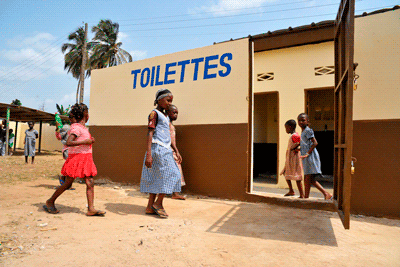
Unlocking multiple benefits for women and girls through sanitation and hygiene in the Post-2015 Era
Date: 13 March 2015
Place: UN Headquarters, New York, United States
Organisers: Permanent Missions of Singapore and Senegal to the United Nations, co-sponsored by the Water Supply and Sanitation Collaborative Council (WSSCC) and UN Women
This event seeks to (i) raise awareness and break the taboo surrounding sanitation and menstrual hygiene management; and (ii) highlight country case studies to better understand the nature and consequences of the problem, and how to address them. It draws on the Open Work Group on Sustainable Development Goals (SDGs) and the Secretary General’s Synthesis Report on the Post -2015 development agenda. SDGs 3, 4, 5, 6 and 11 clearly articulate the need for health, education, water and sanitation services and human settlements to be prerequisites to achieving Goal 5 - gender equality in all its forms. The experience-sharing and presentations will be followed by a moderated discussion with Government representatives, policymakers and other practitioners, which will address the relevance of this issue in the post-2015 agenda.
>> More information
Managing the transition from the MDGs to the SDGs: What it will take

Date: 17 February to 17 March 2015
Place: on-line
Organiser/s: United Nations Department of Economic and Social Affairs (DESA) and the United Nations Development Programme (UNDP)
The purpose of the e-discussion is to engage stakeholder groups, experts, practitioners and policy-makers from various regions in a global dialogue on specific aspects of the 2015 ECOSOC theme of ’Managing the transition from the Millennium Development Goals to the sustainable development goals: What it will take’. The discussion will focus on policy choices and mindset change for an integrated agenda, adaptation by institutions and structures, partnerships for the implementation of the SDGs and the post- 2015 agenda and monitoring and review. The e-discussion provides a unique opportunity for the water community to formulate critical policy messages and recommendations for ECOSOC.
>> Join the e-discussion!
UNCCD 3rd Scientific Conference
Date: 9-12 March 2015
Place: Mexico
Organisers: The United Nations Convention to Combat Desertification (UNCCD) Secretariat, Scientific and Traditional Knowledge for Sustainable Development (STK4SD) Consortium.
Science continues to find ways to combat land degradation through better management of natural resources including lands, soils, plants, water and the atmosphere. The UNCCD 3rd Scientific Conference will address the theme ’Combating desertification, land degradation and drought for poverty reduction and sustainable development - the contribution of science, technology, traditional knowledge and practices’. It will be held during the 4th special session of the Committee on Science and Technology of the UN Convention to Combat Desertification (UNCCD). The Scientific Conference aims to harness a wide range of scientific, local and traditional knowledge to achieve poverty reduction and sustainable development in areas susceptible to desertification, land degradation and drought.
>> Access the Conference website!
International Women's Day 2015: Empowering Women, Empowering Humanity
Date: 8 March 2015
Place: Worldwide
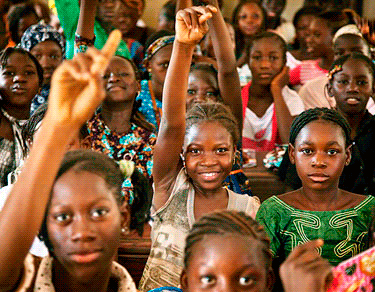
TInternational Women’s Day takes place on 8 March each year to reflect on progress made, to call for change and to celebrate acts of courage and determination by ordinary women who have played an extraordinary role in the history of their countries and communities. This year’s theme, "Empowering Women - Empowering Humanity: Picture It!" envisions a world where each woman and girl can exercise her choices, such as participating in politics, getting an education, having an income, and living in societies free from violence and discrimination. In developing nations the responsibility for collecting water every day falls disproportionately on women and girls. On average women in these regions spend 25% of their day collecting water for their families. ’Water is Equality’ is one of this year’s World Water Day topics. To make the linkages between World Water Day 2015 and International Women's Day 2015, UNESCO-IHE Institute for Water Education, together with Women for Water Partnership, is organizing its annual Women's Day conference with a World Water Day twist: 'Women and Water Make Sustainable Food Security Happen', on 12 March 2015.
>> Access the International Women's Day 2015 website
>> More information on the ’Women and Water Make Sustainable Food Security Happen’ Conference
>> Read more on water and equality at the World Water Day website
UN Statistical Commission to agree on indicator framework for Post - 2015
Date: 3-6 March 2015
Place: New York City, US
Organiser: UN Statistical Commission (UNSC)
The 46th Session of the UN Statistical Commission will agree on modalities for the development of the indicator framework for the post-2015 development agenda. UNSC’s Friends of the Chair Group on broader measures of progress (FOC) is expected to prepare and guide discussions on the development and implementation of the framework. The annotated provisional agenda, provisional programme of work, and side events are available.
>> More information on the 46th Session
>> Report of the Friends of the Chair Group on broader measures of progress
Workshop to define roadmap for the American Soil Partnership
Date: 2-5 March 2015
Place: Chile
Organiser/s: Food and Agriculture Organization of the United Nations (FAO)
The year 2015 has been declared by the United Nations General Assembly as International Year of Soils, for their fundamental and irreplaceable role in food production, and to call for their protection and sustainable use. Soil also plays a key role in the supply of clean water and resilience to floods and droughts. FAO, as the Secretariat of the Global Soil Partnership, is organizing a workshop for the focal points of such partnership in South America, to inform and share the national situation of soil protection policies in the countries of the region and define a medium-term roadmap to take care of this vital resource.
>> More information about the workshop
>> Learn more about the International Year of Soils
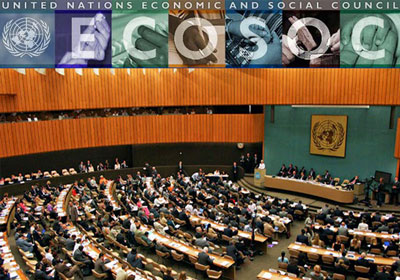
ECOSOC special event: 'Multi-stakeholder partnerships: Making them work for the Post-2015 Development Agenda’
Date: 27 February 2015
Place: New York City, US
Organiser: UN Economic and Social Council (ECOSOC)
In the transition from the Millennium Development Goals (MDG) to the Sustainable Development Goals (SDG), it is important to consider how multi-stakeholder partnerships could best support the new development agenda as well as the type of sustainable framework and platform for reviewing progress that will be required. This special event will discuss ways in which multi-stakeholder partnerships could best be aligned to the goals and targets of the Post-2015 Development Agenda, the types of modalities required for effective review, as well as where such a review could take place. It will also look at what makes some partnerships effective and the elements which could be extracted to help define a new partnership framework for the post-2015 era and the means for their implementation. It is hoped that the main proposals and recommendations coming out of the event’s discussions will help provide parameters for a possible framework for reviewing and evaluating partnerships in the Post-2015 period.
>> Read more
Sustainable Ocean Initiative (SOI) Capacity-building Workshop for South America
Date: 23 - 27 February 2015
Place: Lima, Peru
Organiser/s: Secretariat of the Convention on Biological Diversity, United Nations Environment Programme, Ministry of Environment of Perú and various other partners, including FAO.
The workshop will focus on regional experiences in the use of: (i) integrated marine and coastal area management toward achieving Aichi Biodiversity Targets 6 and 11 in a holistic manner, and (ii) scientific and technical tools in support of the Aichi Biodiversity Targets, such as the description of ecologically or biologically significant marine areas. The SOI is a global platform to build partnerships and enhance capacity to achieve the Aichi Biodiversity Targets related to marine and coastal biodiversity (in particular Targets 6 and 11)
>> Learn more about the workhop
>> Further information on the Sustainable Ocean Initiative
Caribbean Green Economy Conference 2015
Date: 23-24 February 2015
Place: Kingston, Jamaica
Organiser/s: Ministry of Water, Land, Environment and Climate Change of Jamaica, United Nations Environment Programme (UNEP), UWI Consulting Inc.
The outcome document of the 3rd
International Small Island Developing States (SIDS) Conference - the SIDS Accelerated Modalities of Action (SAMOA) Pathway -endorsed green economy as an important tool for achieving sustainable development and poverty reduction, and calls upon the United Nations system to strengthen support of SIDS that want to pursue green economy policies. This Conference will bring together policymakers, civil society, academia and the private sector to discuss cross-fertilization of ideas, experiences and
institutional innovations to transition to a green economy at the national and regional levels and how these efforts can help in advancing implementation of the SAMOA Pathway, which includes specific efforts in relation to water and sanitation (paragraphs 64 and 65).
>> More information on the Conference
>> Learn more about the SAMOA Pathway
UNITAR Launches New Course on Climate Change Diplomacy
Date: 23 February - 19 April 2015
Place: On-line
Organiser: Multilateral Diplomacy Programme of United Nations Institute for Training and Research (UNITAR)
The new online course ’Climate Change Diplomacy: Negotiating Effectively under the United Nations Framework Convention on Climate Change (UNFCCC)’ is now open for registration. The Course aims to develop participants’ understanding of the climate change policy framework, by building an appreciation of the science, causes and impacts of climate change, the history of the policy making process and the UNFCCC framework.
>> Learn more and apply now!
UNESCO-IHE ‘Let’s Talk About Water 2015’ Film and Water event
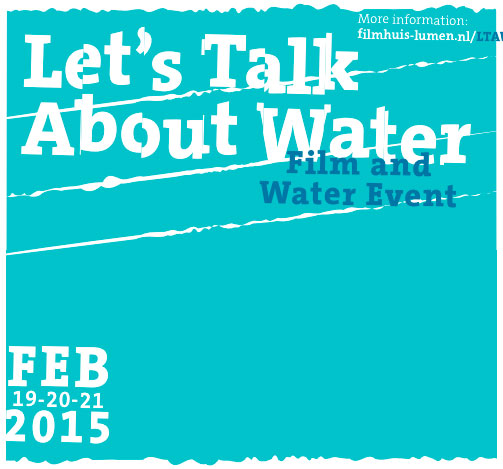
Date: 19-21 February 2015
Place: Delft, The Netherlands
Organiser/s: UNESCO-IHE Institute for Water Education
’Let's Talk About Water’ is a program designed to bring film and hydrologic science together to spark meaningful dialogue amongst scientists, students and the greater public. Three feature films will be shown on 3 consecutive days at Filmhuis Lumen in Delft, this year all focusing on floods, flooding, and Disaster Risk Management, as well as infrastructure and mobility in times of flood. In addition, the Workshop Film, Scientific Visualizations and Water will be hosted at UNESCO-IHE on Friday, February 20.
>> More information
>> Access the programme
Intergovernmental Negotiations on Post-2015 Development Agenda – 2nd Session
Date: 17-20 February 2015
Place: New York City, US
Organiser/s: Office of UNGA President
The intergovernmental negotiations on post-2015 development agenda will take place over several sessions starting in January 2015. After the first stocktaking session which took place from 19-21 January 2015, this second session will take place on 17-20 February 2015, and focus on the Declaration. Side events organized by Member States, major groups and other stakeholders, UN system and other intergovernmental organizations, will be held during this session.
>> More information
African Ministerial Conference on Meteorology (AMCOMET) will address resilience to climate change
Date: 13-14 February 2015
Place: Cabo Verde
Organiser/s: World Meteorological Organisation, Government of Cabo Verde.
"Africa is extremely vulnerable to the increasing impacts of climate change, which will worsen food insecurity and water stress for the continent’s growing population," said Michel Jarraud, World Meteorological Organization (WMO) Secretary-General and Chair of UN-Water. The African Ministerial Conference on Meteorology (AMCOMET) will focus on how to improve the provision and use of weather and climate services which will be vital to help the continent cope with shocks caused by extreme weather and climate change. It will be preceded by a meeting from 3-9 February of Permanent Representatives of African countries at the World Meteorological Organisation (WMO), and by a Technical preparation meeting for AMCOMET on 10-12 February. Outcomes of the meetings in Cabo Verde will inform discussions on Sustainable Development Goals and feed into the 3rd World Conference on Disaster Risk Reduction in Japan in March 2015 and the UN Climate Change negotiations in Paris in December 2015.
>> Read the full press release
21st meeting of the Bureau of the Water Convention
Date: 12 - 13 February 2015
Place: Geneva, Switzerland
Organiser: United Nations Economic Commission for Europe (UNECE)
The meeting aims to discuss implementation of the current programme of work, the future programme of work for 2016-2018 and the preparations for the seventh Meeting of the Parties, to be held on 17-20 November in Budapest. The Convention on the Protection and Use of Transboundary Watercourses and International Lakes (Water Convention) aims to protect and ensure the quantity, quality and sustainable use of transboundary water resources by facilitating cooperation.
>> More information
Webinar Learning from wetlands – the case for dry soils
Date: 12 February 2015
Place: On-line
Organiser/s: Secretariat of the Convention on Biological Diversity,United Nations Environment Programme
The webinar, which is targeted towards Focal Points, national biodiversity managers, sustainable land management experts and other technical specialists in the African region, will include presentations on reducing soil carbon emissions in peatlands and other wetlands, and provide an opportunity for discussions with experts on opportunities and challenges. Outcomes from the webinar will include the identification of priority actions to enhance the consideration of soil biodiversity and carbon for the implementation of the Convention on Biological Diversity.
>> More information
Symposium ‘Aid and Trade in the Water Sector - the Delft Triangle’
Date: 6 February 2015
Place: Delft, The Netherlands
Organiser: UNESCO-IHE Institute for Water Education
The symposium will reflect on how key Delft water institutes collaborate in research, development and capacity building for the international water sector. The Delft Triangle consists of Delft University of Technology, Deltares and UNESCO-IHE Institute for Water Education. The symposium will show how the institutes of the Delft Triangle jointly contribute to international development (with water as a lead principle) and business cooperation (by contributing to business matches between partners and partner countries).
>> More information and programme
>> Symposium invitation
International Advisory Committee for Biosphere Reserves: 21st Meeting
Date: 2 to 5 February 2015
Place: UNESCO Headquarters, Paris, France
Organiser: United Nations Educational, Scientific and Cultural Organization (UNESCO)
International experts will meet from 2 to 5 February 2015, at UNESCO Headquarters, to review submissions for new biosphere reserves and extensions to existing ones. This Committee will provide recommendations to the Man and the Biosphere (MAB) Programme governing body, the International -Coordinating Council (MAB-ICC) on scientific and technical matters concerning the nomination of new sites, and changes and periodic reviews of sites already included in the World Network of Biosphere Reserves (WNBR), as well as the functioning of this network. Biosphere reserves are considered by UNESCO to be particularly appropriate places to test, evaluate and implement innovative strategies in freshwater.
>> More information
>> UNESCO Publication "Water - a key element in UNESCO biosphere reserves"
Expert Workshop: ‘Beyond water: Regional economic integration and geopolitical benefits of transboundary water cooperation’
Date: 28-29 January 2015
Place: Talinn, Estonia
Organiser: United Nations Economic Commission for Europe (UNECE)
Transboundary water cooperation, through improved water management, generates a range of economic, social and environmental benefits. Transboundary water cooperation may also have spill-over benefits in terms of regional economic integration, peace and security and other foreign policy goals. The objective of this Expert Workshop ’Beyond water’ is to contribute to the further development of a Policy Guidance Note on Identifying, Assessing and Communicating the Benefits of Transboundary Water Cooperation by producing recommendations on how to assess and communicate the regional integration and geopolitical benefits of transboundary water cooperation. The workshop aims to gather participants from regional economic integration and foreign policy communities.
>> Information notice
>> More information
Intergovernmental Negotiations on Post-2015 Development Agenda: 1st session
Date: 19-21 January 2015
Place: UN Headquarters, New York City, US
Organiser: Office of United Nations General Assembly UNGA President
The intergovernmental negotiations on post-2015 development agenda will take place over several sessions starting in January 2015. The co-facilitators have prepared a food-for-thought paper regarding the modalities for the intergovernmental negotiations on the basis of the views expressed by Members States during the consultations held on 4 November and 10 November, 2014. Water and sanitation issues will be part of the debates.
>> Read more
>> Paper: ’Modalities for the intergovernmental negotiations on the post-2015 development agenda’
2015 UN-Water Annual International Zaragoza Conference: one month to go!
Date: 15-17 January 2015
Place: Zaragoza, Spain
The UN-Water International Conference ’Water and Sustainable Development: From Vision to Action’ will start the year focusing on how to bring the post-2015 international agenda on water and sanitation into action. From 15 to 17 January 2015 more than 300 participants from UN agencies and programmes, experts, representatives of the business community, governmental and non-governmental organizations will meet in Zaragoza, Spain, to draw conclusions based on existing practice and the exchange of views between governments and stakeholders. This event will take place during the final year of the International Decade for Action ’Water for Life’, and participants will contribute to take stock of and learn from achievements as well as planning the next steps. Pre-Conference side events and technical visits begin on 14 January. Visit the Conference website to learn more and get engaged!
>> Access the presentation introducing the Conference
>> Check the conference flyer and agenda
>> Access the Conference website
Workshop on the role of legal and scientific expertise in the avoidance and settlement of water law disputes
Date: 12-30 January 2015
Place: online
Organiser: World Bank
This course provides practical knowledge about how climate change is likely to impact agriculture, food production and security, and what actions can be taken to increase productivity and build resilience to mitigate the negative impacts of climate change, as well as contribute to reducing greenhouse gas emissions through practicing climate-smart agriculture, both in policies and practices. Application ends 5 January 2015.
>> More information
1st meeting of the Core Group on Reporting under the UNECE Water Convention
Date: 15-16 December 2014
Place: Geneva, Switzerland
Organiser: United Nations Economic Commission for Europe (UNECE)
The Core Group on Reporting was established by the Meeting of the Parties through the Working Group on Integrated Water Resources Management and mandated to prepare a proposal for a possible reporting mechanism under the UNECE Water Convention, taking into account the capacity of countries and other relevant reporting mechanisms. At its first meeting, the Core Group will review other related reporting mechanisms and discuss the purpose, scope, content and format of a possible reporting mechanism under the Water Convention.
>> Agenda
>> More information
UN side event on water at the Lima Climate Change Conference
Date: 10 December 2014
Place: Lima, Peru
Organisers: United Nations Framework Convention on Climate Change (UNFCC), Government of Peru
In the framework of the UN Climate Change Conference 2014 taking place from 1-12 December 2014 to assess progress in dealing with climate change, UN agencies and programmes participate with different water-related activities. On 10 December 2014, the Stockholm International Water Institute (SIWI), France, UNESCO-International Hydrological Programme (IHP), and LEAD organise the side-event ‘Water holds the key for mitigation, adaptation and for building resilience: towards a climate deal’.
>> Side events schedule
>> More information
Workshop on the role of legal and scientific expertise in the avoidance and settlement of water law disputes
Date: 5 December 2014
Place: Queen Mary University of London, United Kingdom
Organisers: United Nations Economic Commission for Europe (UNECE), United Nations Educational, Scientific and Cultural Organization (UNESCO) and Queen Mary University London
This workshop will address the different contributions made by legal and scientific expertise, how those contributions may (or may not) be combined, the difficulties encountered when doing so and the good practices that have emerged. The focus will be on the interaction between the different approaches and their joint impact on dispute avoidance. The workshop will be held back-to-back with the 4th meeting of the Implementation Committee of the Water Convention (London, 4 December 2014).
>> Draft agenda
>> More information
>> 4th meeting of the Implementation Committee
Seminar: Cycles and Spirals of Justice in Water Allocation Decision Making
Date: 4 December 2014
Place: Delft, the Netherlands
Organisers: UNESCO Institute for Water Education (UNESCO-IHE)
The seminar will present a conceptual framework that helps make sense of the relationship between justice and injustice in the context of water allocation decision making. It describes how justice and injustice are part of a cycling continuum of ‘justice for whom?’ and how this plays out in a multilevel system where the problem of scale can surface.
>> More information
International Day of Persons with Disabilities 2014 focuses on sustainable development and technology
Date: 3 December 2014
Place: Worldwide
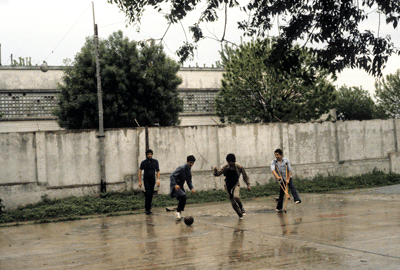
The International Day of Persons with Disabilities was proclaimed in 1992 by the United Nations General Assembly to promote an understanding of disability issues and mobilize support for the dignity, rights and well-being of persons with disabilities. Access to safe and clean water and sanitation is a basic right of all people, including people with disabilities, the denial of which can have serious implications on their health, dignity and well-being. Under the theme “Sustainable development: the promise of technology”, the focus of the International Day of Persons with Disabilities this year is on the role of technology in disaster risk reduction and emergency responses, creating enabling working environments and disability-inclusive sustainable development goals.
>> More information
>> Events at UN Headquarters
UN Climate Change Conference 2014
Date: 1-12 December 2014
Place: Lima, Peru
Organisers: United Nations Framework Convention on Climate Change (UNFCC), Government of Peru
The 20th session of the Conference of the Parties to the United Nations Framework Convention on Climate Change (UNFCCC) and the 10th session of the Conference of the Parties serving as the Meeting of the Parties to the Kyoto Protocol will gather to assess progress in dealing with climate change. In this framework, the first round of the newly established multilateral assessment will be conducted, which offers the opportunity to engage all countries to assess how developed countries are implementing actions to reduce greenhouse gas emissions. Different UN agencies and programmes participate in the conference and organize different water-related activities and side-events.
>> Overview schedule
>> More information
What are the financial mechanisms and tools enabling access to water and sanitation for all in Europe?
Date: 26-27 November 2014
Place: Strasbourg, France
Organisers: United Nations Development Programme (UNDP), Global Water Solidarity (GWS), Solidarity Water Europe (SWE)
Organized in the context of International Solidarity Week and preparations for the 7th World Water Forum, this symposium will bring together high-level experts, representatives of European and international institutions as well as representatives of local authorities and civil society organisations. Its objective will be to outline the general framework of financing mechanisms for cooperation and solidarity in the field of water – at the level of the European Union, its member States and local authorities – in order to develop and/or strengthen these mechanisms and to step up actions to foster access to water and sanitation for all.
>> Event agenda and documents
>> More information about the programme
7th meeting of the Working Group on Water and Health
Date: 26-27 November 2014
Place: Geneva, Switzerland
Organisers: United Nations Economic Commission for Europe (UNECE). World Health Organization (WHO) Regional Office for Europe
The main objective of the meeting is to review the implementation of the programme of work for the period 2014–2016, adopted at the third session of the Meeting of the Parties to the Protocol (Oslo, 25–27 November 2013), and to provide guidance on its further development, with particular consideration of the financial situation. The meeting will be held back to back with the tenth meeting of the Protocol’s Compliance Committee.
>> Draft agenda
>> More information
10th meeting of the Compliance Committee under the Protocol on Water and Health
Date: 25 November 2014
Place: Geneva, Switzerland
Organizers: United Nations Economic Commission for Europe (UNECE), World Health Organization (WHO) Regional Office for Europe
The main objective of the meeting of the Compliance Committee under the Protocol on Water and Health to the Convention on the Protection and Use of Transboundary Watercourses and International Lakes is to discuss the different follow up actions planned as the result of the decisions taken by the Meeting of the Parties to the Protocol at its third session.
>> Draft agenda
>> More information
World Toilet Day 2014 highlights dignity and equality
Date: 19 November 2014
Place: Worldwide
Organisers: UN-Water in collaboration with Governments and relevant stakeholders.
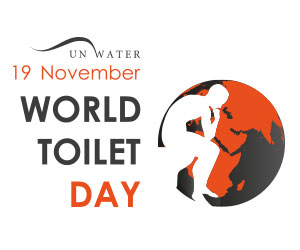
2.5 billion people around the world do not have access to a clean and safe toilet. 1 billion people practice open defecation and many women and girls are assaulted because they lack a toilet that offers privacy. In 2013, the United Nations General Assembly designated 19 November as World Toilet Day to draw attention to the global sanitation crisis. The 2014 campaign has focused on dignity and equality, especially inspiring action to end open defecation and putting a spotlight on how access to improved sanitation leads to a reduction in violence on women.
This year’s initiatives include the End Open Defecation, Sanitation Drive, and the Urgent Run among others. World Toilet Day featured a high-level event at the UN headquarters and the launch of the 2014 UN-Water Global Analysis and Assessment of Sanitation and Drinking-Water (GLAAS).
>> UN Secretary General’s Message for 2014
>> World Toilet Day website
>> UN experts joint statement for World Toilet Day: Three UN experts, one common view on equality and dignity when it comes to sanitation
UNITAR’S E-Course on Water Diplomacy
Date: 17 November - 14 December 2014
Place: Online
Organizer: United Nations Institute for Training and Research (UNITAR), in collaboration with the University of East Anglia (Water Security Research Centre) and UNESCO International Hydrological Programme (IHP)
The purpose of this course is to raise awareness on the current state of freshwater resources worldwide and the need for adequate diplomatic solutions to stimulate cooperation around the way the resource is managed. It will provide knowledge resources, circumstantial experiences, and tools to enhance the ability of water-relevant stakeholders to assess, prevent, and respond to the tensions arising from situations of water scarcity and mismanagement worldwide. Participants from Least Developed Countries are eligible to apply for a fellowship.
>> More information
Climate Change Impacts on Snow, Glacier and Water Resources: Multidisciplinary Network for Adaptation Strategies
Date: 6-7 November 2014
Place: International Centre for Water Resources and Global Change, Koblenz, Germany
Organizers: UNESCO-International Hydrological Programme (IHP)
The aim of the workshop is to connect scientific research, policy development and action, and identify recommendations to develop sustainable adaptation strategies. The session will also present case studies which will consider geographic hotspots of particular concern such as melting glaciers in mountains. Finally the session will contribute to enhanced resilience to global change, particularly climate change, through improved understanding of vulnerabilities, opportunities and potentials for adaptation. It will consequently contribute to the development of strategies and policies based on scientific/evidence-based knowledge in major mountain regions of Africa, Asia, Europe, and Americas.
>> More information
UNESCO-IHE Symposium on UV disinfection in developing countries
Date: 6 November 2014
Place: Delft, The Netherlands
Organizers: International Ultraviolet Association (IUVA) and UNESCO-IHE Institute for Water Education
In recent years, an increasing number of demonstration projects have highlighted the great potential of UV disinfection as point of use, point of entry, or community-based treatment system. This one-day symposium on UV disinfection in developing countries will encompass basic principles of UV disinfection, applications, commercial solutions, research and future up-scaling potential of this technology. Academic, practitioner and manufacturer experts will be involved in a panel discussion on the future role of UV technology in meeting the needs for safe drinking water in developing countries.
>> More information
>> Symposium brochure
Inaugural World Cities Day to be commemorated this 31 October under the theme "Leading Urban Transformations"
Date: 31 October 2014
Place: Worldwide
In 2013, the UN General Assembly designated every 31 October as World Cities Day, to promote the international community’s interest in global urbanization, push cooperation among countries in meeting opportunities and challenges in urbanization and contribute to sustainable urban development in cities and towns around the world.
Under the theme Leading Urban Transformations, the first World Cities Day to be commemorated this 31 October will be hosted by Shanghai Municipality, in the People’s Republic of China. 300 participants are expected to attend the event, including the Ministry of Housing and Urban-Rural Development in China, UN-Habitat and other UN agencies, Mayors and representatives of various cities around the world, universities, research institutes and the media.
World Cities Day 2014 marks the conclusion of Urban October, a month of raising awareness, promoting participation, generating knowledge and engaging the international community towards a New Urban Agenda. Urban October starts on World Habitat Day on 6 October to World Cities Day on 31 October.
Today, more than two thirds of the global population lives in cities with greater levels of inequality than 20 years ago. From an urban perspective, and especially in the developing world, challenges related to water and sanitation will magnify in the future due to an ever growing city population needing to share already insufficient and poorly managed resources.
Check the official website for ideas on how to participate on World Cities Day!
>> More information about World Cities Day
>> Water and cities
>> UN Publications on water and urban areas
United Nations Day
Date: 24 October 2014
Place: Worldwide
UN Day marks the anniversary of the entry into force in 1945 of the UN Charter. 24 October has been celebrated as United Nations Day since 1948. “The United Nations is needed more than ever at this time of multiple crises. Poverty, disease, terrorism, discrimination and climate change are exacting a heavy toll. Millions of people continue to suffer deplorable exploitation through bonded labour, human trafficking, sexual slavery or unsafe conditions in factories, fields and mines. The global economy remains an uneven playing field. […]At this critical moment, let us reaffirm our commitment to empowering the marginalized and vulnerable”, says Ban Ki-moon, UN Secretary General, on his message for the Day.
>> More information
United Nations General Assembly side-event on the Human Rights to Water and Sanitation: challenges and opportunities for their realization
Date: 22 October 2014
Place: Dag Hammarskjold Library auditorium, United Nations Headquarters, New York.
Organisers: Permanent Missions of Germany and Spain to the United Nations in New York and the UN Office of the High Commissioner for Human Rights (OHCHR)
In the framework of the 69th session of the UN General Assembly, the outgoing UN Special Rapporteur on the human right to safe drinking water and sanitation, Catarina de Albuquerque, has organised a side-event to discuss tools for the realization of the rights to water and sanitation and remedies for violations of these rights. In this context she will present her new publication ‘Realising the human rights to water and sanitation: A handbook’. This Handbook is the product of six years work and a collaborative approach to the identification of the key barriers, challenges and opportunities that stakeholders encounter in realising these rights.
>> More information
>> Handbook "Realizing the human rights to water and sanitation"
International Conference Public – Private Partnerships (PPPs) in the water and sanitation sector: an exchange of experiences between Europe, Central Asia and the Middle East and North Africa
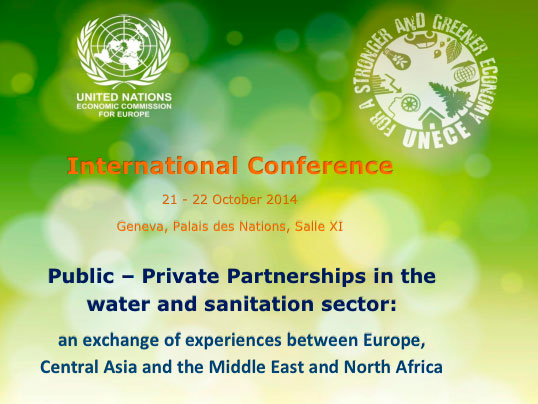
Date: 21-22 October 2014
Place: Room XI, Palais des Nations, Geneva, Switzerland
Organizers: UNECE International PPP Centre of Excellence, World Bank, European Bank for Reconstruction and Development (EBRD)
This conference will explore challenges, bottlenecks, results and achievements in water and sanitation PPPs through case studies of experiences in Europe, Central Asia and the Middle East and North Africa with the aim to identify best practices and identify a roadmap for future work on water and sanitation PPPs in these regions. The conference will also officially launch the International Centre of Excellence international centre on water and sanitation PPPs.
>> More information
Global Handwashing Day
Date: 15 October 2014
Place: Worldwide
Organizers: The Global Public-Private Partnership for Handwashing with Soap (PPPHW)
Global Handwashing Day is celebrated every year with over 200 million people involved in celebrations in over 100 countries around the world. Global Handwashing is endorsed by a wide array of governments, international institutions, civil society organizations, NGOs, private companies, and individuals. It was originally created for children and schools, but can be celebrated by anyone promoting handwashing with soap.
>> More information
E-learning course on Governance in Urban Sanitation
Date: 6 October-12 December 2014
Place: Online
Organizers: United Nations Institute for Training and Research (UNITAR)
This online course aims to enhance the capacity of local decision-makers to make enlightened decisions and investments in the area of urban sanitation. It provides analytical tools to understand the financial and institutional framework of the sanitation sector, taking into account the needs of urban poor communities.
>> More information
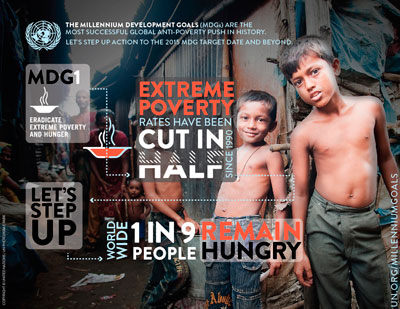
International Day for the Eradication of Poverty. Leave no one behind: think, decide and act together against extreme poverty
Date: 17 October 2014
Place: Worldwide
The International Day for the Eradication of Poverty has been observed every year since 1993. The United Nations designated this day to promote awareness of the need to eradicate poverty and destitution in all countries.
The 2014 theme recognises the demanding challenge of identifying and securing the participation of those experiencing extreme poverty and social exclusion in the "Post-2015 Development Agenda".
The official commemoration on 17 October at UN Headquarters will be an occasion to recognize people living in poverty as critical partners for fighting the development challenges we face.
Access to clean water and sanitation are among the most powerful drivers for human development. They extend opportunity, enhance dignity and help create a virtuous cycle of improving health and rising wealth. Clean water and sanitation would save the lives of countless children, support progress in education and liberate people from the illnesses that keep them in poverty. Ensuring the participation and involvement of poor people in water-related development efforts is essential to ensure the success of policies and initiatives implemented.
Help the United Nations to raise awareness about the progress made and the challenges that remain for people living in poverty. Use the hashtag #EndPoverty to post your messages.
>> More information about the Day
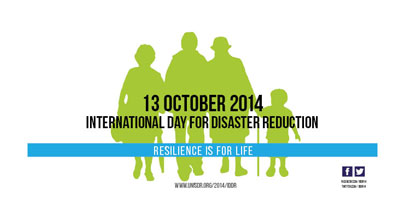
International Day for Disaster Reduction 2014: Resilience is for Life
Date: 13 October 2014
Place: Worldwide
Organiser: United Nations International Strategy for Disaster Risk Reduction (UNISDR)
The United Nations General Assembly decided in 1989 to celebrate the International Day for Disaster Reduction (IDDR) as a way to promote a global culture of disaster reduction, including disaster prevention, mitigation and preparedness. The International Day for Disaster Reduction (IDDR) encourages every citizen and government to take part in building more disaster resilient communities and nations.
The world is ageing. The world population has quadrupled to 7 billion people in just over 100 years. Today, people aged over 60 constitute 11% of the global population. By 2050, this proportion will have doubled, to 22% – that is, 2 billion older persons. Populations are ageing most rapidly in developing countries, which are currently home to 60% of the world’s older persons, projected to rise to 80% by 2050.
This year's day will highlight the need for a more inclusive approach for older people in disaster risk reduction and recognize the critical role they can play in resilience-building through their experience and knowledge. IDDR 2014 intends to switch on and amplify this critical issue now and for the post-2015 framework for disaster risk reduction.
The 2014 theme for the International Day for Disaster Risk Reduction is part of a Step Up initiative started in 2011, which focuses on a different group of partners every year leading up to the World Conference for Disaster Reduction in 2015: Children and Young People (2011), Women and Girls (2012), People Living with Disabilities (2013), and the Ageing Population (2014).
How will you celebrate IDDR? You could start by sharing your photos!
>> IDDR 2014 website
>> More information about the Step Up Initiative
7th meeting of the Task Force on Water and Climate
Date: 13 October 2014
Time: 10 a.m.-5 p.m.
Place: Geneva, Swtizerland
Organizers: United Nations Economic Commission for Europe (UNECE)
The Task Force on Water and Climate under the United Nations Economic Commission for Europe (UNECE) Convention on the Protection and Use of Transboundary Watercourses and International Lakes (Water Convention) is responsible for activities related to adaptation to climate change, including flood and drought management. In this meeting, the Task Force will review the progress and discuss the implementation of future activities to be undertaken under the programme of work for 2013-2015 of the Water Convention. The Task Force meeting will be followed by the 5th Workshop on Adaptation to Climate Change in Transboundary Basins, which will be held on 14-15 October 2014 in Geneva. Register by 1 October.
>> More information
World Habitat Day 2014 puts spotlight on slums
Date: 6 October 2014
Place: Worldwide
Organiser: United Nations Human Settlements Programme (UN-Habitat)
World Habitat Day focused this year on slums. This offered an opportunity to talk about water and sanitation in the poorest areas of the world’s ever-swelling cities. In 2012, 828 million people were living in slum conditions, lacking basic services such as drinking water and sanitation. This number is increasing by 6 million each year to hit a total of 889 million by 2020.
The United Nations has designated the first Monday of October of every year as World Habitat Day. The purpose of World Habitat Day is to reflect on the state of our towns and cities, and on the basic right of all to adequate shelter. It is also intended to remind the world that we all have the power and the responsibility to shape the future of our cities and towns.
UN-Habitat called upon its partners in central government, local government, civil society, the private sector and the media to take part in organizing activities to raise awareness and stimulate debate on the right to sustainable and adequate shelter for all.
>> Visit World Habitat Day website
>> Access to a selection of UN publications on water, sanitation and slums
4th AfricaSan Conference ‘Making Sanitation for All a Reality in Africa’
Date: 8-10 October 2014
Place: Dakar, Senegal
Organizers: African Ministers’ Council on Water (AMCOW)
Since 2008 AfricaSan has been associated with establishing and tracking progress towards achieving the eThekwini commitments. AfricaSan also features a growing and high-level learning exchange on different aspects of sanitation and hygiene service improvement and promotes political prioritization of sanitation and hygiene. The Conference was attended by Ministers responsible for water and sanitation and the key agencies working in this field in Africa.
>> More information
7th Global FRIEND-Water Conference 'Hydrology in a Changing World: Environmental and Human Dimension'
Date: 7-10 October 2014
Place: Montpellier, France
Organizers: UNESCO’s International Hydrological Programme (IHP), German IHP/HWRP Hydrological Committee, Institut de recherche pour le développement (IRD), Hydrosciences Montpellier, UNESCO Office in Jakarta
For over 25 years, FRIEND-Water program has aimed to boost regional experts and communities to generate new knowledge on regional hydrology and multi-scale water cycle processes. FRIEND-Water studies long-term variations and changes in hydrological variables to better understand the effects of climate, environment and human activities on the spatial and temporal distribution of water. Conference topics included: Hydrological databases: how to cope with future questions; Trends in hydrological regimes and extremes; Changes in ecological flows and coastal ecohydrology; Erosion and sediment transport processes and trends; Regional observational-hydrological modelling frameworks; Water resources and prospective scenarios.
>> More information
69th Session of the UN General Assembly
Date: 16 September-1 October 2014
Place: United Nations Headquarters, New York, USA
Organizers: United Nations
The 69th Session of the UN General Assembly (UNGA 69) convened at UN Headquarters. The General Debate opened on Wednesday, 24 September 2014. This session’s theme was ‘Delivering on and Implementing a Transformative Post-2015 Development Agenda’. Water and Sanitation issues were part of the debate.
>> More information
2014 Stockholm World Water Week: Energy and Water
Date: 31 August - 5 September 2014
Place: Stockholm, Sweden
Organizers: Stockholm International Water Institute (SIWI)
The World Water Week looked at energy and water within two principal approaches: the societal opportunities and challenges and the cross cutting issues which include governance, economical and financial impacts and decision making. Many of the UN-Water family members were present and, as every year, participants were welcome to attend the UN-Water Stakeholder Dialogue, the presentation of next year’s World Water Day campaign and to visit the UN-Water Pavilion.
>> UN-Water Stakeholder Dialogue on ’The Water, Energy and Food-Nexus and the Post-2015 Development Agenda’
>> Seminar on ’World Water Day 2015. Water and sustainable development’
>> More information
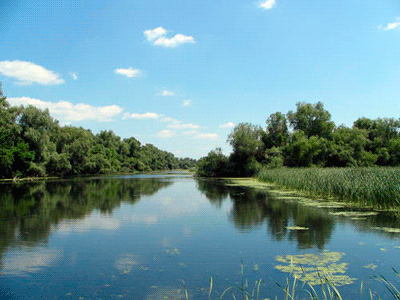
XXVI Conference of the Danubian Countries on Hydrological Forecasting and Hydrological Bases of Water Management
Date: 22-24 September 2014
Place: Deggendorf, Germany
Organizers: UNESCO Venice Office
The aims of this XXVI Danube Conference were: to foster exchange of hydrological basic information; to improve and adopt new models and techniques for hydrological forecasting and parameters at several time and space scales; to deal with disasters in an appropriate manner; to better articulate the role of hydrological and biotic processes in aquatic systems; to link different fields of science; and, to promote cooperation of the Danube countries. Both methodological approaches as well as case studies from countries of the Danube were analyzed.
>> More information
Water, Energy and Human Rights: Wastewater Reuse Can Help Realize Human Rights
Date: 22 September 2014
Place: Room XXII, Palais des Nations, Geneva, Switzerland
Organizers: WaterLex in partnership with the Permanent Mission of the Netherlands, the UN Economic Commission for Europe (UNECE) and the UN Environment Programme (UNEP)
This side event explored local populations' wastewater reuse for energy production and highlighted energy sector practices which help realise the human rights to sanitation and a safe and healthy environment.
>> More information
Hydrology Water Group Annual meeting
Date: 11 - 16 August 2014
Place: City College of New York, USA
Organizers: World Meteorological Organization (WMO)
This meeting was the 5th workshop of the WMO/OGC (World Meteorological Organization/Open Geospatial Consortium) Hydrology Domain Working Group. The five day event was followed by a one day workshop on the Standardisation of Water Data exchange: WaterML 2.0 and beyond. Both events addressed several key aspects of standardization including: information modeling and encoding of hydrologic and hydrogeologic features; encoding of hydrologic and hydrogeologic observations; development and representation of community vocabularies of water-related terms; and respective web service interfaces. Both events invited hydrology researchers; practitioners; water resource managers; and information system developers interested in standards-based water data exchange and interoperability.
>> More information
WaterLinks Forum 2014
Date: 11-13 August 2014
Place: Manila, The Philippines
Organisers: WaterLinks with the support from Asian Development Bank (ADB), International Water Association (IWA), United States Agency for International Development (USAID) and the Global Water Operators' Partnerships Alliance (GWOPA) among others
This Forum provided a platform to learn about and debate the most recent developments in solving critical urban water and wastewater efficiency problems. The forum focused on key issues of growing urban water insecurity in Asia and the Pacific, the need to create new water and promote efficiencies amidst the challenge of climate change.
>> More information
2nd International Forum of NGOs: "Access to Water for All in Africa"
Date: 30-31 July 2014
Place: Yamoussoukro, Côte d’Ivoire
Organisers: NGO-UNESCO Liaison Committee, United Nations Educational, Scientific and Cultural Organization (UNESCO)
Experts, representatives of international NGOs, stakeholders on the ground, men and women from different backgrounds gathered to discuss, exchange, and share their experiences on different aspects of the issues addressed: progress and obstacles, the pollution problem, role of education and traditions, international decisions and their implementation, conflicts, etc. The Forum was intended primarily for NGOs in official partnership with the Organization, but was open also to other organizations and institutions interested in the topics.
>> More information
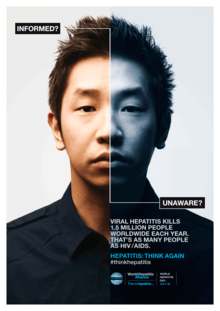
World Hepatitis Day: Think again
Date: 28 July 2014
Place: Worldwide
Organizer: World Health Organization (WHO)
Every year on 28 July, WHO and partners mark World Hepatitis Day to increase the awareness and understanding of viral hepatitis and the diseases that it causes. Viral hepatitis affects millions of people worldwide, causing acute and chronic liver disease and killing close to 1.4 million people every year. Hepatitis, a broad term for inflammation of the liver, remains largely ignored or unknown and has a number of infectious and non-infectious causes. Among the infectious causes, hepatitis A and hepatitis E are associated with inadequate water supplies and poor sanitation and hygiene. World Hepatitis Day provided an opportunity to focus on specific actions and urge policymakers, health workers and the public to 'Think again' about this silent killer.
>> More information
Capacity-building workshop for Central, South and East Asia on ecosystem conservation and restoration to support achievement of the Aichi Biodiversity Targets
Date: 14-18 July 2014
Place: Jeju, Republic of Korea
Organiser: Secretariat of the Convention on Biological Diversity (CBD), Food and Agricultural Organization of the United Nations (FAO)
This workshop focused on ecosystem conservation and restoration to support achievement of the Aichi biodiversity targets. Aichi Biodiversity Targets 5, 11 and 15 set quantitative global targets to reduce the loss of natural habitats, improve protected area networks and restore degraded areas. Through this workshop, the Secretariat planned to offer capacity-building to Parties within an integrated, participatory, approach to promote holistic planning and implementation at the landscape level.
>> More information
13th Session of the Open Working Group on Sustainable Development Goals
Date: 14-18 July 2014
Place: New York, USA
Organiser: United Nations Division for Sustainable Development
The Open Working Group (OWG) is entering the final phase of its work, starting in March 2013 with eight stock taking meetings, followed by consideration of elements for a goals and targets framework, at the 9th session in March 2014. Since then the OWG has forged an ambitious, extensive yet focused text. The 13th and final session finalized and refined the framework and passed it on to the UN General Assembly.
>> More information
>> Zero Draft document
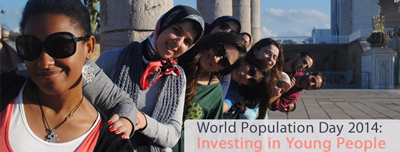
World Population Day 2014: Investing in Young People
Date: 11 July 2014
Place: Worldwide
Organiser: United Nations Population Fund (UNFPA)
As the world population edged to 7 billion people in 2011 (up from 2.5 billion in 1950), it has had profound implications for development. A world population of 7 billion is both a challenge and an opportunity with implications on sustainability, urbanization and access to water and sanitation services. In 1989, the Governing Council of the United Nations Development Programme recommended that, in order to focus attention on the urgency and importance of population issues in the context of overall development plans and programmes and the need to find solutions for these issues, 11 July should be observed by the international community as World Population Day. This year’s World Population Day focused on Youth engagement and the Sustainable Development Agenda.
>> More information
Regional workshop on link-ups with other existing monitoring and reporting mechanisms related to water and health
Date: 3 July 2014
Place: Geneva, Switzerland
Organizer: United Nations Economic Commission for Europe (UNECE)
This workshop supported the establishment of link-ups between the reporting mechanism under the Protocol on Water and Health and other existing regional and global monitoring programmes; discussed possible ways to link target setting and reporting under the Protocol with existing national monitoring and information systems; and informed about proposed post-2015 development goals and indicators on water and sanitation and discussed the possible ways to integrate these into the national target setting process.
>> More information
World Climate Research Programme (WCRP) Joint Scientific Committee 35 Session
Date: 30 June – 4 July 2014
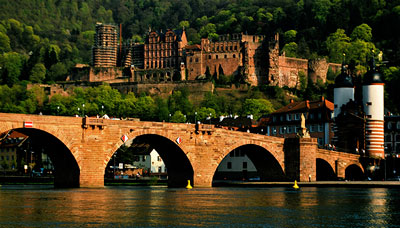
Place: Heidelberg, Germany
Organizer: World Climate Research Programme
The World Climate Research Programme, sponsored by the World Meteorological Organization (WMO), the International Council for Science (ICSU) and the Intergovernmental Oceanographic Commission (IOC) of UNESCO, facilitates analysis and predictions of Earth's system variability and changes for use in an increasing range of practical applications. This event discussed the implementation of Grand Challenges on water availability, cryosphere in a changing climate, climate extremes, etc. The meeting also discussed core projects and working groups activities.
>> More information
20th meeting of the Bureau of the Water Convention
Date: 27 June 2014
Place: Geneva, Switzerland
Organizer: United Nations Economic Commission for Europe (UNECE)
In view of the entry into force on 6 February 2013 of the amendments to the Water Convention, the Bureau of the Water Convention will discuss how to ensure ratification of the amendments by all Parties and start discussions on the 7th session of the Meeting of the Parties, planned for 17–20 November 2015 in Hungary.
>> More information
9th meeting of the Working Group on Integrated Water Resources Management
Date: 25-26 June 2014
Place: Palais des Nations, Geneva, Switzerland
Organizers: United Nations Economic Commission for Europe (UNECE)
The main objective of this meeting is to review the implementation of the programme of work for 2013–2015 for the Convention on the Protection and Use of Transboundary Watercourses and International Lakes. The Working Group will discuss how to foster ratification of the Convention; how the exchange of experience and good practices between joint bodies worldwide will be promoted; and progress in development of the policy guidance note on identifying, assessing and communicating the benefits of transboundary water cooperation, among others. The meeting is open to experts representing governmental authorities, the private sector and non-governmental as well as international organizations and other interested stakeholders.
>> More information
International Day of Cooperatives focuses on "Cooperative enterprises achieve sustainable development for all"
Date: 5 July 2014
Place: Worldwide
In its resolution 47/90 of 16 December 1992, the United Nations General Assembly proclaimed the International Day of Cooperatives to be celebrated annually on the first Saturday of July. The aim is to increase awareness on cooperatives; highlight the complementarity of the goals and objectives of the United Nations and the international cooperative movement; underscore the contribution of the movement to the resolution of the major problems addressed by the United Nations; and strengthen and extend partnerships between the international cooperative movement and other actors, including governments at local, national and international levels.
Cooperatives have a significant impact on people's lives. These associations and enterprises allow citizens to effectively improve their lives while contributing to the economic, social, cultural and political advancement of their community and nation. Rio+20 recognized cooperatives for their role in sustainable development in the context of the environmental crisis.
This year, International Day of Cooperatives will acknowledge the role of cooperatives in achieving sustainable development for all. Water and Sanitation are at the core of sustainable development as they are closely linked to a number of key global challenges so don’t forget these on your activities to commemorate the International Day of Cooperatives!
World Refugee Day 2014
Date: 20 June 2014
Place: Worldwide
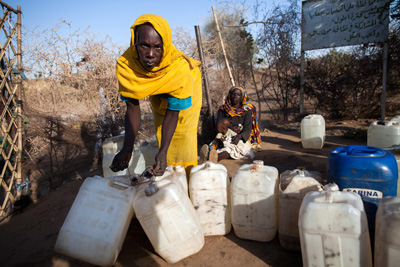
On World Refugee Day, the UN commemorates the strength and resilience of the millions people around the world forced to flee their homes due to war or human rights abuses.
Refugees are more exposed to unsanitary conditions, including unsafe drinking water and a lack of water for personal hygiene, placing them at further risk of water-borne diseases including acute respiratory infections and skin diseases.
The Office of the United Nations High Commissioner for Refugees (UNHCR) estimates that more than half the refugee camps in the world are not able to provide the recommended minimum daily water requirement of 20 litres per person; while some 30 percent of camps do not have adequate waste disposal and latrine facilities.
World Refugee Day provides an opportunity to raise these issues and propose solutions. Keep involved and share your story!
>> Share your story on World Refugee Day 2014
>> Access to a selection of UN publications on water and refugees
21st session of the Intergovernmental Council of the International Hydrological Programme (IHP) of UNESCO

Date: 18-20 June 2014
Place: UNESCO HQ, Paris, France
Organizer: UNESCO International Hydrological Programme (IHP)
The IHP Intergovernmental Council, which holds its sessional meetings once every two years, is responsible for planning the International Hydrological Programme, defining its priorities and supervising its execution. On 19 June, and in the framework of its 21st session, there was a special session on "Water in Post-2015 Development Agenda and Sustainable Development Goals"
>> 21st session of the IHP Intergovernmental Council
>> Special session on Water in the Post-2015 Development Agenda
World Day to Combat Desertification: Land Belongs to the Future, Let’s Climate Proof It!
Date: 17 June 2014
Place: Worldwide
Since 1995, the World Day to Combat Desertification (WDCD) raises awareness about the threats and consequences of desertification and drought. The goal of the day is not only to talk about the problems, but also the solutions. The theme of this year's observance was ecosystem-based adaptation and intended to increase awareness about the potential of ecosystem-based adaptation as a strategy for coping with the impacts of climate change, especially in the drylands. The health and productivity of drylands extend far beyond the people living there. As the "breadbasket of the world," the drylands are home to nearly half of livestock and cultivated systems globally.
Scientists warn that the climate is changing abnormally fast and in ways that could significantly disrupt our livelihoods and security, from our economies and infrastructure to the social and ecological systems we depend on. Climate change is affecting biodiversity and ecosystem functioning and the many benefits that they provide to society.
Healthy ecosystems supply a variety of services such as drinking-water, habitat, shelter, food, raw materials, genetic materials, a barrier against disasters and the formation and regeneration of the natural resources in the ecosystem that people depend for their livelihoods. Also, when ecosystems are healthy, they are less vulnerable to the impacts and hazards of climate change.
>> More information
>> WDCD Planning Action Guide 2014
>> Video message from Mr. Jarraud, Secretary General of World Meteorological Organization and UN-Water Chair
3rd Asia-Netherlands Water Learning Week

Date: 16-20 June 2014
Place: Delft, the Netherlands
Organizers: Asian Development Bank (ADB), UNESCO-IHE Institute for Water Education
Under the theme "Partnerships for Green Growth and Water Security", participants contributed project case studies from Asia and the Netherlands and learned together how to leverage results from collaborative approaches in water investment projects for cities and river basins.
>> More information
12th session of the Open Working Group on Sustainable Development Goals
Date: 16-20 June 2014
Place: United Nations Headquarters, New York, USA
This was the fourth of five scheduled "decision-making" meetings of the Open Working Group on Sustainable Development Goals (SDGs). The session was preceded by three days of "informal informals" to discuss the new "zero draft" of the SDGs.
>> More information
>> SDGs zero draft document
Hydrological Sciences and Water Security: Past, Present and Future. 11th Kovacs Colloquium
Date: 16-17 June 2014 Place: UNESCO HQ, Paris, France Organizers: UNESCO International Hydrological Programme (IHP), International Association of Hydrological Sciences (IAHS)
This Colloquium is part of a series of meetings (Kovacs Colloquiums) which commemorate the late George Kovacs, an established authority on hydrology, who served as Chairman of the Intergovernmental Council of IHP and as Secretary General and President of IAHS. The event addressed the emergence and development of water security concepts over the past decades, the state of present day ideas and opinions and looked to likely developments in the future.
>> More information
Experts meeting on the "Management and protection of coastal wetlands"
Date: 12-13 June 2014
Place: UNESCO HQ, Paris, France
Organizer: UNESCO International Hydrological Programme (IHP)
In the framework of the Medpartnership project "Management of coastal aquifers and groundwater", this meeting gathered national experts from 13 Mediterranean countries and international experts to present and discuss the results achieved so far, including country reports, regional reports, and a hydrological map of selected coastal wetlands.
>> More information
Legal frameworks for cooperation on transboundary waters: Key aspects and opportunities for Arab countries Workshop
Date: 11-12 June 2014
Place: Tunis, Tunisia
Organizers: United Nations Economic Commission for Europe (UNECE), the Center of Water Studies and Arab Water Security of the League of Arab States, Global Water Partnership Mediterranean (GWP-Med)
This workshop was a follow up to the International Roundtable on Transboundary Water Resources Management in the Southern Mediterranean, which took place in Rome, Italy, in November 2012. The workshop discussed how transboundary cooperation can be fostered in order to improve water resources management between riparian countries, the sustainability of these shared resources and how to safeguard water rights. Specifically, the workshop aimed to increase awareness and understanding of the different legal frameworks for cooperation on shared waters resources. It provided a platform to discuss the opportunity that the globalization of the Water Convention represents for the Arab region.
>> More information
Environment Day celebrates Small Island Developing States in the context of climate change
Date: 5 June 2014
Place: Worldwide
The UN General Assembly declared 2014 as the International Year of Small Island Developing States to raise awareness of the special needs of this diverse coalition as part of the global discussion on how to achieve a sustainable future for all. Some of the problems that these small islands face - climate change, waste management, unsustainable consumption, degradation of natural resources, extreme natural disasters and water scarcity - are the problems that face us all but they are the ones to suffer them first.
World Environment Day (WED) 2014 focuses on Small Island Developing States (SIDS) in the broader context of climate change as its theme.
This year, an effort has made to make this day as important to the public as the issues and challenges themselves. Whether it is to organize clean-up campaigns, walk-to-work days, plastic purges, art exhibits, tree-planting drives, concerts, dance recitals, switching off the lights, recycling drives, social media campaigns and different contests - every action counts. When multiplied by a global chorus, our individual voices and actions become exponential in their impact. Why not get involved, be part of the change and register your own event
>> Message from UN Secretary General for WED2014
>> WED 2014 booklet
>> More information
1st annual Sustainable Energy for All Forum and global launch of the UN Decade of Sustainable Energy for All 2014-2024
Date: 4-6 June 2014
Place: UN Headquarters, New York, USA
Organizers: Sustainable Energy for All Initiative (SE4ALL)
The 1st annual Sustainable Energy for All Forum officially launched the United Nations Decade of Sustainable Energy for All 2014-2024. In working towards its targets, the Forum assessed progress on SE4ALL since Rio +20; inspired and mobilised further action, partnership and commitments by showcasing success stories, innovation and best practices; and shaped and set the direction for the global policy debate on energy. The importance of water within the model of sustainable energy was discussed on the first day of the event, under the title 'Catalyzing investment through innovative business models: the water-energy-food nexus'.
>> More information
Workshop for the Assessment of Capacity Development Resources for Water and Sanitation Operators
Date: 2-3 June 2014
Place: UNESCO-IHE Institute for Water Education, Delft, The Netherlands
Organizers: Global Water Operators' Partnerships Alliance (GWOPA)/UN-Habitat, UN-Water Decade Programme on Capacity Development (UNW-DPC) and UNESCO-IHE Institute for Water Education
This workshop, co-organized in the framework of the UN-Water Task Force on Capacity Development for Water Operators and the Boosting Effectiveness of Water Operators' Partnerships (BEWOP) project, aimed at building synergies between these two global initiatives. These initiatives are looking at the assessment of existing Capacity Development resources for water and sanitation operators and at analyzing the more significant needs and gaps in these resources. Water Operators from 17 countries as well as members and partners of UN-Water attended. The approach for the work of the UN-Water Task Force is to gather resources and avail them to an extensive network of water supply and sanitation operators on a not-for-profit basis.
>> More information
International Conference: Ecosystems, Economy and Society. How large-scale restoration can stimulate sustainable development

Date: 29-30 May 2014
Place: US National Academy of Sciences, Washington DC, USA
Organizers: Veolia Institute, US National Academy of Sciences, Agence Française de Développement (AFC) and the International Union for Conservation of Nature (IUCN)
This event provided an international platform for scientists, practitioners, NGOs, business leaders and policymakers to discuss remarkable case studies, best practices and share better insights on the potential of large-scale ecosystem restoration, together with the recovery of ecosystems functionalities, continuity and biodiversity. Examples of successful initiatives discussed included: Watershed Protection for Drinking Water (city supplies), Reforestation and Poverty Alleviation, Wetlands Engineering, etc. The UN Convention to Combat Desertification (UNCCD) is an associated partner to this event.
>> More information
5th Africa Water Week (AWW) and 9th AMCOW General Assembly
Date: 26-31 May 2014
Place: Abuja, Nigeria
Organizers: African Ministers Council on Water (AMCOW), African Union Commission (AUC)
This event represented a political commitment at the highest level with over 1000 participants from governments, regional institutions, international partners, the private sector, the scientific community, civil society, and the media from all over the world, and in particular Africa, meeting to discuss and collectively seek solutions to Africa’s water resources, and sanitation challenges. The 5th AWW focused on the Africa Water Vision 2025 and served as a platform for improving understanding of why managing resources wisely is key to development endeavours at various levels and why a more holistic water agenda beyond WASH (WASH-Plus) is crucial for the post-2015 development framework. UN-Water chair participated in the Opening Plenary on 26 May.
>> More information
3rd Asian Sanitation Dialogue: Making sanitation a sustainable business
Date: 27–29 May 2014
Place: Manila, Philippines
Organizers: Asian Development Bank (ADB)
The 3rd Asian Sanitation Dialogue emphasized a comprehensive approach to sanitation and focused on packaging on-site sanitation, wastewater and septage management projects as viable business opportunities. There were discussions on solution options, addressing the policy and capacity gaps; adoption of appropriate technologies; dealing with financing, viability and affordability issues; promoting performance-based contracts and output-based incentives; and demonstrating health, socioeconomic and environmental benefits. There were also sessions on green cities, solid waste management, and other cross-cutting issues to show holistic planning, bold strategies, and innovative approaches in achieving environmental sustainability.
>> More information
Economic and Social Council (ECOSOC) Integration Segment: Sustainable Urbanisation
Date: 27–29 May 2014
Place: United Nations Headquarters, New York, USA
Organizers: United Nations Economic and Social Council (ECOSOC)
This event demonstrated how urbanization can be an effective tool for the integration of economic, social and environmental dimensions of sustainable development. Attending the three-day event were be high-level representatives of Member States, including Heads of Government, ministers and mayors, the United Nations system, civil society actors and the private sector. The meeting featured various interactive panel discussions, dialogues, and a town-hall style meeting. High-level roundtable events and side events focused on different urbanization issues, including water, sanitation and waste management among others.
>> More information
Counting our gains: Sharing experiences on identifying, assessing and communicating the benefits of transboundary water cooperation
Date: 22-23 May 2014
Place: Palais des Nations, Room XI, Geneva, Switzerland
Organizers: United Nations Economic Commission for Europe (UNECE)
This workshop, organized in the framework of the Water Convention, provided a forum for discussion on the benefits of transboundary water cooperation and how benefit assessment can support the cooperation process. Discussions took place between stakeholders from different backgrounds such as water practitioners, politicians, parliamentarians, journalists and researchers. It also provided an opportunity to share good practices, challenges faced and lessons learned on the identification, assessment and communication of the wide range of benefits of transboundary water cooperation. The workshop added conclusions from the above to the draft Policy guidance notes on identifying, assessing and communicating the benefits of transboundary water cooperation.
>> More information
International Day for Biodiversity: Island Biodiversity
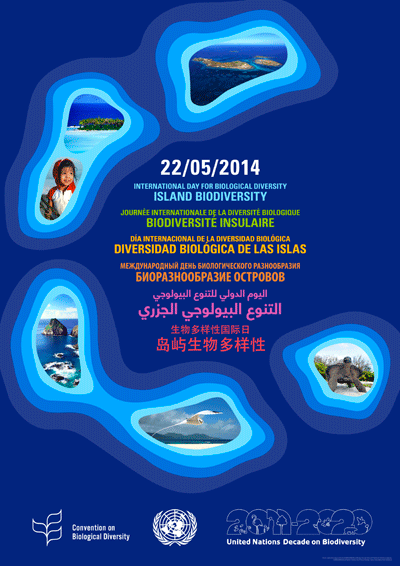
Date: 22 May 2014
Place: Worldwide
Island Biodiversity was chosen to commemorate International Day for Biodiversity 2014, coinciding with the designation by the United Nations General Assembly of 2014 as the International Year of Small Island Developing States (SIDS). Islands are home to some 600 million people, one-tenth of the world's population, and constitute unique ecosystems often comprising many plant and animal species that are endemic.
Islands, although surrounded by water, grapple with various water challenges which affect their economic development, public health and environment. For Islands, being able to meet the growing demands for access to clean potable water is one of the greatest challenges they face.
In addition, climate change poses a significant challenge to water management. An islands' dependency on rainfall leaves it vulnerable to both long-term and short-term changes in rainfall patterns, with predictions of a 10% reduction in average rainfall by 2050.
The International Day for Biodiversity is an opportunity to bring the focus needed to the important challenges faced by the people, economies and environments affected by these issues. Please use this opportunity to learn about the future of water challenges on Islands and their biodiversity and advocate the message of a water safe future for the world.
>> International Day for Biodiversity 2014 website
>> Read more about Island Biodiversity
Asia Pacific Forum on Sustainable Development (APSFD)
Date: 19–21 May 2014
Place: Pattaya, Thailand
Organizers: Government of Thailand and the United Nations Economic and Social Commission for Asia and the Pacific (ESCAP)
In preparation for the 2nd High-level Political Forum on Sustainable Development, this forum discussed how to build and maintain successful Sustainable Development Goals (SDGs) after the target date of 2015 has expired within the areas of hunger, health and sanitation in the Asia-Pacific region. The forum focused on developing strong regional inputs to inform global dialogue and decision-making, as well as national responses; identifying effective and inclusive means of implementation for a transformational development agenda; and defining the regional high level political forum processes for 2015 and beyond. Highlights of the forum included a high-level roundtable on addressing the challenges of meeting the MDGs, a multi-stakeholder roundtable on integrating sustainable development and a special session on the rule of law.
>> More information
International Conference: Sustainability in the Water-Energy-Food Nexus. Synergies and Tradeoffs: Governance and Tools at various Scales
Date: 19-20 May 2014
Place: Bonn, Germany
Organiser: Global System Water Project (GSWP)
This conference addressed linkages between water, energy and food security, seeking to assess available information, identify knowledge gaps, share lessons, facilitate networks and contribute to consensus on priorities in order to consider joint improvement in efficiency as a win-win strategy for human development and environmental sustainability. Recognizing the sustainability of the Water-Energy-Food (WEF) Nexus as a key research-for-action initiative, the conference allowed an internal policy consultation process to inform, influence, and catalyze action by key actors— including policymakers, non-governmental organizations, the private sector, educators, and researchers. Sessions addressed themes such as tools for sustainable implementation of the nexus approach; governance and management of the nexus; the role of ecosystems in sustainability; and implementing the nexus at various scales. The UNESCO-IHE Institute for Water Education and the United Nations Environment Programme (UNEP) are part of the steering committee of the Conference.
>> More information
3rd Meeting of the Implementation Committee of the Water Convention
Date: 15-16 May 2014 Time: 10:00
Place: University of Bologna, Bologna, Italy
Organiser: United Nations Economic Commission for Europe (UNECE)
The implementation Committee of the United Nations Economic Commission for Europe (UNECE) Convention for the Protection and Use of Transboundary Watercourses and International Lakes (Water Convention) met to discuss the draft analysis on the need for reporting under the Convention and the modalities for raising awareness about the mechanism to facilitate and support implementation and compliance.
>> More information
4th Partnership meeting of the Wealth Accounting and the Valuation of Ecosystem Services (WAVES)
Date: 14-15 May 2014
Place: Washington D.C, USA
Organiser: Wealth Accounting and the Valuation of Ecosystems Services (WAVES)
The 4th partnership meeting brought together WAVES countries and partners to share successes and challenges, with a focus on water and ecosystem accounts. The meeting featured presentations from UN and private sector partners and panel discussions on how natural capital accounts support wider development goals. WAVES is a global partnership that aims to promote sustainable development by ensuring that natural resources are mainstreamed in national economic accounts and development planning. The partnership includes UN agencies, governments, international institutes, NGOs and academics.
>> More information
5th African Regional Platform for Disaster Risk Reduction
Date: 13-16 May 2014
Place: Abuja, Nigeria
Organiser: United Nations International Strategy for Disaster Risk Reduction – Regional Office for Africa (UNISDR-AF)
This conference developed the African position on a post-2015 framework for disaster risk reduction focused on building resilience of African communities in line with Sustainable Development Goals. Governments, intergovernmental regional organizations, donors, United Nations representatives, academic and technical institutions, representatives youth, media and the private sector participated to consolidate a common position.
>> More information
3rd International Forum on Integrated Water Management
Date: 7–9 May 2014
Place: Laval University, Quebec, Canada
The aim of this biennial gathering is to promote the exchange of knowledge and best practices related to the sustainable use of water resources. The theme of this year’s edition of the meeting focused on issues of transboundary water management in a changing climate. It was addressed in 16 thematic sessions organized around the presentation of governance and capacity-building tools for water management, water uses and risk management, as well as climate change adaptation. Two workshops were led by UNESCO’s PCCP programme and the Secretariat of the 1992 Water Convention of the United Nations Economic Commission for Europe (UNECE). These workshops discussed the expected benefits of cooperation in the field of water and assessed the place of this resource in the design of the post-2015 development agenda.
>> More information
National Capacity Development Training of Trainers (TOTs) Workshop on Developing and Implementing Mitigation and Preparedness, Water Scarcity and Drought Management Plans
Date: 6-9 May 2014
Place: Mediterranean Agronomic Institute of Zaragoza (IAMZ-CIHAEM), Spain
Organizers: UN-DESA, Mediterranean Agronomic Institute of Zaragoza (IAMZ-CIHAEM) and United
Nations Office to Support the International Decade for Action ‘Water for Life’ 2005-2015
The National Capacity Development Training of Trainers (TOTs) Workshop and Field Training aimed at to train key national drought management officials in the pilot countries and strengthen their knowledge of the latest Water Scarcity and Drought (WS&D) management guidelines, methodologies, tools and best management practices, in particular the Mediterranean Drought Preparedness and Mitigation Planning Guidelines (MEDROPLAN). This training session brought together key policy makers and national stakeholders from the pilot countries along with experts with extensive regional and international experiences on drought planning and management. This included key project team members from the five pilot country governments (Jordan, Morocco, Palestine, Tunisia, and Yemen); project regional and national experts and consultants from the five pilot countries; experts from regional and international institutions involved in drought management and MEDROPLAN scientists from the Polytechnical University of Madrid in Spain.
Managing Groundwater in Coastal areas and Small Island Developing States (SIDs)
Date: 6-7 May 2014
Place: Mediterranean Information Office, Athens, Greece
Organizers: UNESCO-International Hydrological Programme (IHP)
In contribution to the International Year of SIDs 2014, this workshop aimed to promote conjunctive surface, groundwater and marine management; identify best and replicable practices and share experiences from Global Environment Facility (GEF) projects; review opportunities for Integrated Water Resource Management/Integrated Coastal Zone Management integration as well as the state of integration of groundwater and surface water management within organizations dealing with aspects of coastal zone management, including in SIDS and discuss knowledge management strategies whilst reviewing existing tools.
>> More information
11th Session of the Open Working Group on Sustainable Development Goals

Date: 5-9 May 2014
Place: Conference Room 2, Conference Building, United Nations Headquarters, New York, USA
The Open Working Group (OWG) on Sustainable Development Goals (SDGs) met to continue the discussions and further conclusions from the 10th session. Water and sanitation is focus area 6 and was discussed on Tuesday 6 May from 10:00 am. Challenges considered within the time frame of 2030 relate to providing universal access to safe and affordable drinking-water, sanitation and hygiene; improving wastewater management, recycling and reuse; improving water use in all sectors; and implementing integrated water resource management amongst other focus areas. The discussion aimed to shape the future SDG on water and sanitation.
>> More information
1st African Water Integrity Summit: Accelerating towards a Water Secure World
Date: 29–30 April 2014
Place: InterContinental Hotel, Lusaka, Zambia
Organizers: UNDP-Water Governance Facility, The Water Integrity Network, UNDP/Cap-Net, WaterNet and Stockholm International Water Institute
This event marked the conclusion of a three year regional integrity training programme in Sub-Saharan Africa, the impact of which was summarized in order to extract practical insight into how to respond to misconduct in the water sector. The summit intended to strengthen local African relationships in the water community and at political levels in taking action against corruption. It brought together water sector stakeholders from all over Africa to exchange knowledge and experiences in facing the challenges of implementing water integrity action plans. The main themes of the Summit were the demonstration of social accountability tools, developing infrastructure and integrity and building water capacities.
>> More information
3rd Meeting of the OECD Water Governance Initiative
Date: 28-29 April 2014
Place: Casa de América, Madrid, Spain
Organizers: Organisation for Economic Cooperation and Development (OECD)
This meeting, which counted with the participation of different UN agencies and programmes, offered an opportunity to discuss recent developments in the global water agenda; discuss the scope, rationale and building blocks of OECD principles on water governance; discuss ways forward to build water governance indicators to support the effectiveness and performance of institutions and governance arrangements; draw lessons from regional initiatives in support of better water governance, in particular in Middle East and North Africa; and share experience on current and forthcoming water governance reforms, events and projects.
>> More information
>> Follow the webcast
Women validation workshop on gender, water and jobs
Date: 28–30 April 2014
Place: International Training Center of the International Labour Organisation, Turin, Italy
Organizers: International Labour Organisation (ILO) and UN-Women
During this workshop participants identified trends in women's unpaid labour in the water sector, identified linkages between gender, informal employment and environmental impact in water supply and shared experiences from their varied professional contexts. It aimed to produce a concise outline of the issues faced in the given scenarios and approach a set of leading questions concerning water needs, summarizing with possible policy options and promising projects or policy initiatives for the future. The workshop involved a broad range of stakeholders including national governments at central and local level, representatives from water provision agencies, representatives from employers and workers agencies, gender, water and informality experts, UN Women and UN-Water staff, ILO employment specialists and other NGOs active in the water sector.
On World Malaria Day: Invest in the future, defeat malaria!
Date: 25 April 2014
Place: Worldwide
World Malaria Day is an opportunity to celebrate the fact that the world is on track to meet the global Millennium Development Goal target of reversing the incidence of malaria. Over the last decade, the World has made major progress in the fight against malaria. Since 2000, malaria mortality rates have fallen by 42% and 50 of the 99 countries with ongoing transmission are now on track to meet the 2015 World Health Assembly target of reducing incidence rates by more than 75%.
However, we're not there yet. Malaria still kills an estimated 627,000 people worldwide, mainly children under five years of age in sub-Saharan Africa. Emerging drug and insecticide resistance threaten to reverse these gains. If the World is to accelerate progress against malaria in line with Millennium Development Goal (MDG) 6, more efforts are urgently required.
World Malaria Day provides an opportunity for advocacy, an occasion to highlight the need for continued investment and sustained political commitment for malaria prevention and control. It is an opportunity for affected regions to learn from each other's experiences, donors to join the global partnership, researchers and academic institutions to share their advances and international partners, companies and foundations to demonstrate their efforts and reflect on future intervention.
>> World Malaria Day 2014 page
>> Malaria factsheet
>> World Malaria Report 2013
International Mother Earth Day celebrates 'Green Cities'

Date: 22 April 2014
Place: Worldwide
On the 22 April people from all countries take action for International Mother Earth Day. This year we recognize that within two decades nearly 60 percent of the world's population will live in cities. As the population grows and the cities swell to accommodate a mass influx, we must consider the effects that urbanization, increased transport, increased industry and demand for water in cities has on our environment.
The lack of adequate water and sanitation facilities in cities leads to health issues such as diarrhoea, malaria and cholera outbreaks. Though water supply and sanitation coverage increased between 1990 and 2008, the growth of the world's urban populations jeopardizes those results. A green city takes these factors into consideration, providing energy through renewable sources, providing adequate clean water for a growing population, efficient infrastructure and transport networks; it is a place that meets the challenges of increased water and energy demand and is a healthy, clean and pleasant place to live.
International Mother Earth Day provides an opportunity for learning and advocacy; do you live in a Green City? Please take that opportunity to think about how your surroundings can be green, help campaign for clean, green cities or learn more about what it means to be green!
>> UN page on International Mother Earth Day
>> International Mother Earth Day events around the World
>> Resources for your event
>> Cities and Water
International Workshop on Tools for Improving Drinking Water Quality and International strategic meeting on improving access to water, sanitation and hygiene (WASH) in health facilities
Date: 21-23 April 2014
Place: Ministry of Health, Social Services and Equality (MSSSI), Madrid, Spain
Organizers: Ministry of Health, Social Services and Equality of Spain in collaboration with World Health Organisation (WHO), United Nations Children's Fund (UNICEF), UN-Water Decade Programme on Advocacy and Communication (UNW-DPAC)
This international workshop discussed the tools for improving the quality of water for human consumption, including information systems, water safety plans and guidelines for quality drinking water. The main objective was to share knowledge and experiences between countries and international organizations. Participants included UN experts, international and national organisations. The event also included an International strategic meeting on improving access to water, sanitation and hygiene in health facilities which brought together international organizations, national organizations from Spain, academics and donors to discuss and commence a global, collaborative effort to improve water, sanitation and hygiene (WASH) in health care facilities. Participants presented the latest global data regarding the status of this issue and discussed key gaps and measures to strengthen monitoring, policy and implementation. In addition, national case studies were presented. The outcomes of the meeting included a Global strategy on WASH in health care facilities and a Global Action Plan for 2014-2024.
>> More information
>> Workshop Programme
3rd High Level Meeting of Sanitation and Water for All (SWA)
Date: 11 April 2014 Time: 1pm
Place: World Bank Headquarters, Washington DC, USA
Organizers: UNICEF on behalf of the SWA Partnership
The 2014 High Level Meeting (HLM) of SWA aimed to provide a major milestone in the ongoing SWA High-Level Commitments Dialogue (HLCD). The meeting built upon the previous success of the meetings, as can be seen in the 2013 Progress Update of the 2012 SWA HLM, which showed significant gains have already been achieved, such as increased budgets, strengthened National planning and country-level dialogues. The meeting brought together ministers responsible for finance, water and sanitation from developing countries, ministries of development cooperation from donor countries, high-level representatives from development banks and leading sanitation agencies. This year's meeting was jointly opened by the President of the World Bank, Jim Yong Kim, and UN Secretary General, Ban Ki-moon.
>> More information on the event
2nd Workshop "River Basin Commissions and Other Joint Bodies for Transboundary Water Cooperation: Technical Aspects"
Date: 9-10 April 2014
Place: Palais des Nations, Geneva, Switzerland
Organizers: Economic Commission for Europe (UNECE), Governments of Finland and Germany
This workshop focused on selected technical aspects in the work of joint bodies, notably inter-sectoral coordination, infrastructure, groundwater management, environmental protection and selected management issues, including financing and communication. The workshop presented and discussed the experiences of joint bodies in specific topics in transboundary water cooperation worldwide, demonstrated the benefits of transboundary water cooperation and increased awareness on how global legal frameworks relate to joint bodies and can support them.
>> More information
13th CEO Water Mandate Conference
Date: 8–10 April 2014
Place: Convention Center of Colegio Medico, Miraflores District, Lima, Peru
Organizers: CEO Water Mandate and the Pacific Institute
The 13th working conference of the CEO Water Mandate involved the 'Global Water Stewardship Initiatives Showcase Seminar' on 8th April, the 'Corporate Water Stewardship, Collective Action, and the Post-2015 Development Agenda: Exploring the Relevance for Peru' on 9th April, and the 'CEO Water Mandate Lima Multi-Stakeholder Conference' on 10th April. The Corporate Water Stewardship event, taking place 9th April, explored how the emerging corporate water stewardship paradigm and Post-2015 Sustainable Development Goals (SDGs) are relevant to addressing local and regional water resource management challenges. It approached the challenges facing Peru and elsewhere in mitigating water risk and supporting more sustainable water management. The discussion on the water related challenges in the Post-2015 SDGs addressed how they will be of use to Peru, as well as how businesses may be able to support their achievement.
>> More information
Celebrate World Health Day and help recognize the important links between health and water
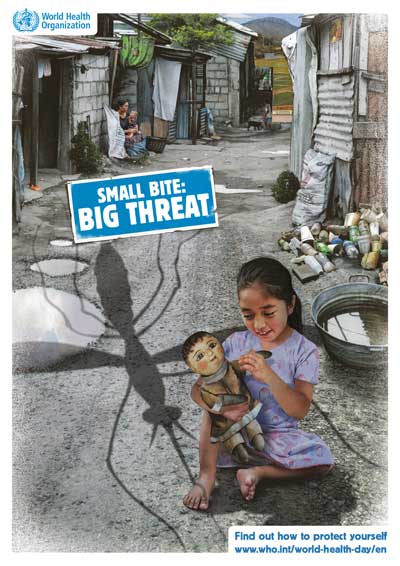
Date: 7 April 2014
Place: Worldwide
7 April is World Health Day, an opportunity for all to take stock of global health implications, as well as observing personal practices.
World Health Day 2014 focuses on vector borne diseases. Vectors are small organisms, such as mosquitoes, bugs, ticks, flies and freshwater snails, which carry disease from person to person and place to place. More than half the world's population is at risk of these diseases, which include malaria, dengue, leishmaniasis, schistosomiasis and onchocerciasis. Poorly designed irrigation and water systems, inadequate housing, poor waste disposal and water storage, deforestation and loss of biodiversity, all may be contributing factors to the most common vector-borne diseases.
The slogan for this year's campaign is "Small bite, big threat". You can protect yourself and your family by taking simple measures such as draining stagnant water to stop mosquitoes from multiplying, filling in/cover holes or dips in the ground that collect water and wearing shoes, socks, long pants and long sleeves when you are outside,... Share your experience and ideas using the Twitter hashtag #Just1Bite.
>> More information and campaign materials
>> Print your World Health Day Boarding Pass
>> Global brief on vector-borne diseases
3rd International Conference on the Use of Space Technology for Water Management
Date: 1-4 April 2014
Place: Centre International de Conference Mohammed VI, Skhirat Plage, Morocco
Organizers: United Nations Office for Outer Space Affairs (OOSA), Government of Morocco, Prince Sultan bin Abdulaziz International Prize for Water (PSIPW)
In the previous international meetings the Committee noted that in response to the deepening water crisis, space technology could contribute to water resource management by providing data and information on the availability of water resources, it could also provide practical information and data that could help formulate policy. These issues were discussed at the 3rd conference along with discussions on how space technology can contribute to better management of water resources, including combating desertification, ensuring access to safe drinking water and managing water-related emergencies in developing countries.
>> More information
World Water Day 2014
Date: 20 to 22 March 2014
Place: Worldwide and in Tokyo, Japan
Lead by the United Nations Industrial Development Organization (UNIDO) and the United Nations University (UNU)
World Water Day 2014 is a landmark day for 'Water and Energy,' not just for those people that advocate awareness and change, but also for the 768 million people that suffer the reality of not having access to improved water sources every day and for the 1.3 billion people who lack access to electricity. This year World Water Day (WWD) highlights the interlinkages between Water and Energy, in a world where the population will need 35% more food, 40% more water and 50% more energy by 2030.
As part of WWD celebrations, on 21 March UN-Water announced winners for the 2014 edition of 'Water for Life' UN-Water Best Practices Award, bringing recognition to the commitment and successes of water projects at ground level. Category 1 'Best water management practices' was awarded to a project focusing on policy research in co-management of energy and groundwater in India: The International Water Management Institute (IWMI)-Tata Water Policy Programme (ITP). Category 2 'Best participatory, communication, awareness-raising and education practices' was awarded to a project focusing on wide-scale implementation and public engagement plan of reclaimed water in Singapore: the 'NEWater programme'.
25 journalists from the Asian region participated in a workshop organized by UN-Water and had the opportunity to learn more about the relationship between water and energy and how the media can contribute to raise awareness on these issues.
21st March also marked the launch of the 2014 World Water Development Report (WWDR), a UN-Water flagship report now released annually. The report highlights the need for policies and regulatory frameworks that recognize and integrate approaches to water and energy. It also highlights the connections between water and energy, for example drought diminishing energy production and roughly 75% of all industrial water withdrawals being used for energy production.
>> Visit the World Water Day website
Water Integrity Workshop 'Broaden the base, Increase the pace'
Date: 20 March 2014
Place: OECD Conference Centre, CC10, Paris, France
Organizers: OECD, Water Integrity Network, Transparency International and SIWI-UNDP/Water Governance Facility
As part of the OECD Integrity Week 17 – 21 March 2014, this event discussed the challenges and best practices in promoting integrity in water services and water resource management across OECD and non-OECD countries. The event supported the activities of the Working Group on 'Integrity and Transparency' of the OECD Water Governance Initiative by launching the Water Chapter of the OECD CleanGovBiz Toolkit for Integrity, discussing policy messages on water integrity and transparency to be included in the OECD Principles on Water Governance, discussing indicators on water integrity/transparency that could contribute to a potential "governance target" of a dedicated Water SDG and discussing the contribution of the private sector to better integrity in the water sector.
>> Download the Workshop Agenda
>> More information on the OECD Integrity Week
Regional Policy Workshop of Stakeholders on Decentralized Waste Water Treatment Systems in South East Asia
Date: 19-21 March 2014 Time: 10am–12:30pm
Place: Bangkok, Thailand
Organizers: United Nations Economic Commission for Asia and the Pacific (UNESCAP)
This workshop discussed the implementation of the joint project 'Strengthening capacity of policymakers in South East Asia to promote policies and developing plans for improved wastewater treatment and reuse in urban and peri-urban areas' initiated by UNESCAP and UN-Habitat. The project, which will take place in LAO PDR, Cambodia and Vietnam, will address the fast growing problem of untreated wastewater through promotion of Decentralised Wastewater Treatment Systems (DEWATS) and focus on building capacity of policy makers and planners for better wastewater management.
>> More information
Targeting water in the post-2015 development agenda
 Date: 14 March 2014
Time: 10am–12:30pm
Place: World Meteorological Organization (WMO), Room A 'Obasi', Geneva, Switzerland
Organizers: United Nations Economic Commission for Europe (UNECE), UN-Water and the Swiss Agency for Development and Co-operation
This briefing has provided the opportunity to discuss and express how water issues shall be addressed within the post-2015 development agenda and Sustainable Development Goals and targets. The UN-Water paper "A Post-2015 Global Goal for Water: Synthesis of key findings and recommendations from UN-Water" was presented during the debate as well as recommendations on a Post-2015 Global Water Goal.
>> More information
Taking stock of the International Year of Water Cooperation and Advancing the Global Water Agenda post-2015
 Date: 11 March 2014 Time: 9:30 am-1:00 pm
Place: Trusteeship Council Chamber, United Nations Headquarters, New York, USA
Organizers: The UN Permanent Missions of Finland, Hungary, Switzerland, Tajikistan and Thailand, the Friends of Water Group and UN-Water
This special roundtable event brought together High-level UN officials to discuss and build upon the achievements and lessons learnt from the International Year of Water Cooperation (IYWC) with emphasis on how to carry the Global Water Agenda forward. The event included two roundtable sessions 'The IYWC and beyond' and 'Sharing lessons and experiences on water and disasters.'
>> More information and programme
Commission on the status of Women, implementing the MDGs for Women and Girls
 Date: 10-21 March 2014
Place: United Nations Headquarters, New York, USA
The 58th annual meeting of the Commission of the Status of Women (CSW) focuses on the challenges and achievements of the Millennium Development Goals (MDGs) for Women and Girls. Representatives of Member States, UN entities and ECOSOC accredited non-governmental organizations from all regions of the World discuss the participation of Women and Girls, particularly in the emerging theme of access to productive resources. In the draft of agreed conclusions to be discussed, the Commission acknowledges that, while progress has been made in access to safe drinking water, progress on access to basic sanitation has been particularly slow and that emphasis also needs to be made on the multiple factors contributing to Women’s poverty such as the right to food security and water.
>>More information
>>Agenda and related documents
International Women's Day: What does Gender have to do with Water?
 Date: 8 March 2014
Place: Worldwide
For over 100 years, the role of women in society has been celebrated on 8 March. During this time, shifting political, cultural and ethical challenges have been tackled and women have achieved great advances in securing their human rights and dignity. The International Decade for Action, "Water for Life" 2005-2015, calls for women's participation and involvement in water-related development efforts. Women can be powerful agents of change: with the same access to productive resources as men, including water, women could increase yield on their farms by 20-30% and help lift 150 million people out of hunger. Research also demonstrates women can increase the effectiveness of water projects up to 6 or 7 times. In the recent UN General Assembly thematic debate on Water, Sanitation and Sustainable Energy in the Post-2015 Development Agenda the UN General Assembly President, John Ashe, announced six post-2015 sustainable development initiatives, with a specific focus on the contributions of Women to the Post-2015 Development Goals.
There is a lot women can contribute to solve water problems but we still have a lot to do to ensure their involvement. Please use this day to remember, consider and involve the women and girls that spend up to 6 hours, every day, fetching water and can be harassed or assaulted when carrying water. Use the Twitter hashtag #1woman to spread your message.
>> Learn more about Gender and Water
>> International Women's Day website
Inspiring Change to Promote Women’s Rights and Dignity Meeting
 Date: 7 March 2014
Place: UN Palais, Geneva, Switzerland
Organizers: Water Supply and Sanitation Collaborative Council (WSSCC) and the Office of the High Commissioner for Human Rights (OHCHR)
On the occasion of International Women’s Day, this event celebrated the advances made by women in securing their human rights and dignity, while discussing key challenges in policy and practice for future action. The issues discussed were framed by women’s economic, social and cultural rights (ESCR) with a special focus on water, sanitation and hygiene. High-level professionals from Human-Rights, Health, WASH, Livelihoods, Education, Government and Businesses sought to inspire UN communities, governments and businesses to take action to fulfill the rights of girls and women to water, sanitation and hygiene.
>> Draft agenda
Workshop on Water-Food-Energy-Ecosystems Nexus Assessment in the Sava River Basin
Date: 4-6 March 2014
Place: Zagreb, Croatia
Organizers: United Nations Economic Commission for Europe (UNECE), International Sava River Basin Commission
The Parties to the UN Convention on the Protection and Use of Transboundary Watercourses and International Lakes (Water Convention) have included in the Work Programme 2013-2015 an assessment of the water-food-energy-ecosystems nexus in selected transboundary basins. This workshop delivered an introduction to the nexus assessment in the Sava River basin, providing an opportunity to participate in the development of the approach, assessment and materials used. It will also be an occasion for discussion amongst sector authorities, private sector and civil society of inter-sector policy challenges and how the assessment could aid decision-making at different levels.
>> Draft programme
2nd Stakeholders Consultation Meeting for the 7th World Water Forum
 Date :27–28 February 2014
Place: Gyeongju, Republic of Korea
Organisers: World Water Council and partners
This meeting served to create the Forum’s Working Groups, which will jointly develop the content of the Forum throughout its preparatory process. During the two-day meeting, the key concepts of the Thematic, Regional, Political and Science and Technology Processes were presented and discussed, as well as other components such as the Citizens’ Forum and the progress that has been made on the Forum Communications and organization. The consultation was the second big stepping stone towards the World Water Forum and provided active ways to participate in the Forum. UN-Water had a presence at the meeting.
>> More information
3rd and final round of e-discussions on realizing the rights to water and sanitation
 Date: 24 February-10 March 2014
Place: Online
The latest round of discussion from UN Special Rapporteur on the Human Right to safe drinking water and sanitation is underway, discussing the questions ‘have accountability and monitoring systems improved access to water and sanitation for marginalized groups or individuals? What are effective awareness-raising and advocacy strategies?’ So far, the discussions have received over 50 contributions under the topics of legislative and regulatory frameworks and the challenges in service delivery. This is the final phase of the e-discussion, so please share and get involved!
>> Join the e-discussion
32nd FAO Regional Conference (NERC32) for the Near East: For a resilient and food secure region
 Date: 24-28 February 2014
Place: FAO Headquarters, Rome, Italy
Organisers: Food and Agriculture Organization of the United Nations (FAO)
The FAO Regional Conferences meet every two years, bringing together ministers of agriculture and high officials of Member States from the same geographic region on challenges that transcend national borders and priority matters related to food and agriculture. NERC 32 included a three-day meeting for Senior Officers from 24 to 26 February, followed by a Ministerial Meeting on 27 and 28 February. Participants were set to discuss a new Regional Water Scarcity Initiative, launched by FAO to support member countries in identifying strategies, policies and practices that promote sustainable solutions to water scarcity and related food security problems. Use the Twitter hashtag #nerc32 to follow the Conference.
>> More information
>> Facthseet on ‘Coping with water scarcity in the Near East and North Africa’
7th Global FRIEND-Water Conference
 Date: 24-28 February 2014
Place: Hanoi, Viet Nam
Organizers: UNESCO’s International Hydrological Programme in collaboration with other organisations
The Flow Regime from International Experimental and Network Data (FRIEND)-Water Conference 2014 focused on the theme "Hydrology in a Changing World: Environmental and Human Dimensions."FRIEND-Water aims to facilitate understanding about how climate, human and river basin factors influence the spatial and temporal distribution of water. The conference shared knowledge on changes in hydrological processes and their impacts and discuss how to develop adaptable water management and water policies to account for these impacts.
>> More information
UN-Water presentation: technical advice on water’s role in the Post-2015 development agenda
 Date: 18 February 2014
Place: Dag Hammerskjöld Library Auditorium, UN Headquarters, New York
Organizers: UN-Water
As part of the President of the UN General Assembly's Thematic Debate on "Water, Sanitation and Sustainable Energy in the Post-2015 Development Agenda", this side event presented a technical advice from the UN system to Member States on what a possible water goal could look like and how it would capture the fundamental importance of water for both humans and the environment. The proposed water goal draws on the experiences of the Millennium Development Goals and priorities agreed at Rio +20, as well as other areas. It intends to provide an overall concept that is globally applicable and can be tailored to national circumstances.
>> UN-Water’s recommendations for a global goal on water
>> Technical advice document
17th Congress of the African Water Association
 Date: 17-20 February 2014
Place: Abidjan, Cote d’Ivoire
Organizers: African Water Association (AfWA)
UN-Water had a presence at the 17th African Water Association (AfWA) Congress, discussing the topic of "Mobilizing Resources and Governance of Water and Sanitation in Africa". In addition to a booth where information and materials on UN-Water were provided, the UN-Water Decade Programme on Capacity Development (UNW-DPC) and the Global Water Operators' Partnerships Alliance (GWOPA) organized on 19 February a technical session on "Non-Revenue Water: Strategies for Capacity-Building for Water and Sanitation Utilities".
>> More information
>> Website of the 17th Congress of the African Water Association
2nd meeting of the global network of basins working on climate change adaptation
Date: 13-14 February 2014
Place: Salle VIII, Palais des Nations, Geneva, Switzerland
Organizers: UNECE Convention on the Protection and Use of Transboundary Watercourses and International Lakes (Water Convention), International Network of Basin Organizations (INBO)
This meeting offered a platform for comparing methodologies and approaches, fostering exchange of experience and promoting a shared vision between the participating basins of the global network of basins. The meeting’s objectives included discussing the preparation of the collection of good practices and lessons learned on climate change adaptation in transboundary basins and collecting specific input.
>> More information
United Nations General Assembly thematic debate "Water, Sanitation and Sustainable Energy in the post 2015 development agenda"
Date: 18 – 19 February 2014
Place: UN headquarters, New York, USA
Organizers: Office of the President of the UN General Assembly (UNGA)
This thematic debate, which included participation of Member States, observers, UN Agencies and representatives of civil society, private sector, and other relevant stakeholders, intended to identify the main water, sanitation and sustainable energy challenges that hinder achievement of the Millennium Development goals (MDGs) and discuss how to tackle these challenges in an integrated manner in the post-2015 agenda with the overarching goal of poverty eradication. The debate also addressed what concrete means (e.g. finance, infrastructure, human capacity, institutional reforms, etc.) governments, their international partners and other stakeholders must undertake to ensure implementation; and how ecosystem approaches, science and technology know‐how, conservation measures and sustainable use can be successfully utilized to increase action at all levels on water, sanitation and sustainable energy.
Use the Twitter hashtag #UNPGA68WSSE to follow the debate.
>> More information
>> Statements by country representatives and UN Deputy Secretary-General
>> Video recording of Opening segment and Panel 1 "The water and sanitation challenge"
>> Video recording of Panel 2 "The sustainable energy challenge"
>> Video recording of Panel 3 The water-energy nexus
World Wetlands Day focused on the importance of wetlands for agriculture
 Date: 2 February 2014
Place: All over the world
World Wetlands Day took place on 2 February, under the slogan 'Wetlands and Agriculture: Partners for Growth'. 2014 being the UN International Year of Family Farming, Wetlands Day placed an emphasis on the need for the wetland, water and agricultural sectors to work together for the best shared outcomes.
Wetlands are often seen as a barrier to agriculture and they continue to be drained and reclaimed to make farming land available. As Christopher Briggs, Secretary General of the Ramsar Convention explains, in some regions "more than half our wetlands have been lost…these are not just places to swim, to sunbathe, to enjoy nature". The importance of these places is often understated and their inter-linkages with agriculture demonstrate an obvious human impact, where they provide reliable sources of water and fertile soil as well as "the water we drink!"
World Wetlands Day can be supported beyond 2 February through the variety of information materials available. Posters, leaflets, comics, educational packs and a leaflet explaining good practice from around the world have been produced, so please continue to get involved!
>> Download World Wetlands Day information materials
Workshop on Climate and Water Security through Sustainable Waste Management
 Date: 28-30 January 2014
Place: Bahdung, Jawa Barat, Indonesia
Organizers: Asian Development Bank (ADB)
This workshop discussed the innovative financing and technological options for sustainable waste management, with the objective of enhancing water quality and reducing greenhouse gas emissions. The workshop analysed different business models and discussed opportunities for more effective involvement of the private sector in climate and water security.
For more information contact
Ancha Srinivasan
2014 UN-Water Annual International Zaragoza Conference. Preparing for World Water Day 2014: Partnerships for improving water and energy access, efficiency and sustainability
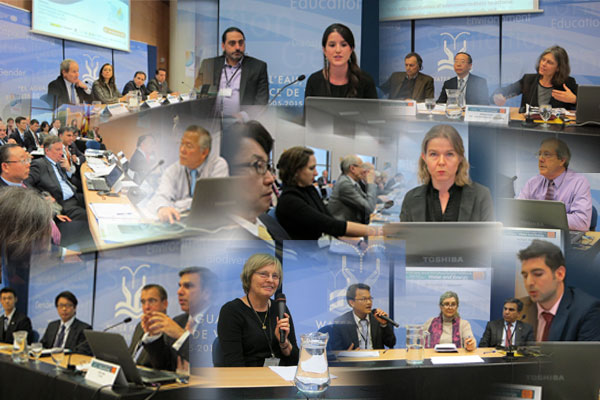 Date: 13-16 January 2014
Place: Zaragoza, Spain
In preparation for World Water Day 2014, this year focused on ‘Water and Energy’ issues, 9 UN Agencies and Programmes plus more than 120 experts, representatives for international companies in the water and energy sector, government and non-governmental organizations met in Zaragoza, Spain, to address the challenges, relationships and joint solutions that arise in ensuring access, efficiency and sustainability in the provision of water and energy.
Presentations, recordings of sessions and different information materials on water and energy are available on the Conference website.
>> Conference website
>> Press release summarizing main conclusions
>> Water for Life Voices campaign
>> Submit your voice!
>> Your #WaterForLifeVoices on Flickr

 Flickr
 Slideshare
 Twitter
 YouTube
>> Outcome Document from OWG on Sustainable Development Goals
>> A Post-2015 Global Goal for Water: Synthesis of key findings and recommendations from UN-Water 
>> Post 2015 Water Thematic Consultation Report
>> Report of the High-Level Panel of Eminent Persons on the Post-2015 Development Agenda
>> UN-Water section on water in the post-2015 process
>> UN post-2015 agenda
>> DESA section on Post-2015
>> JMP Post-2015 global monitoring
>> Sustainable Development Goals e-Inventory
>> Summary of Stock taking meeting of Intergovernmental Negotiations on the Post-2015 Development Agenda
>> Synthesis Report of the Secretary-General on the Post-2015 Agenda
>> Decade's weekly
The Decade's weekly brings you every week the latest news from the Decade.
>> Bimonthly Publications Review 25, 26 and 27 [ - 546 Kb]
UNW-DPAC. May 2015
>> Previous issues
Sustainable Development
15-17 January 2015: UN-Water International Zaragoza Conference ‘Water and Sustainable Development: From vision to action’
22 March 2015: World Water Day on Water and Sustainable Development
Biodiversity
2011-2020: UN Decade on Biodiversity
Deserts and Desertification
2010-2020: UN Decade for Deserts and the Fight Against Desertification
Energy
2014-2024: Decade on Sustainable Energy for All
22 March 2014: World Water Day on 'Water and Energy'
Sanitation
2011-2015: Sustainable sanitation: The Five-Year-Drive to 2015
19 November 2014: World Toilet Day