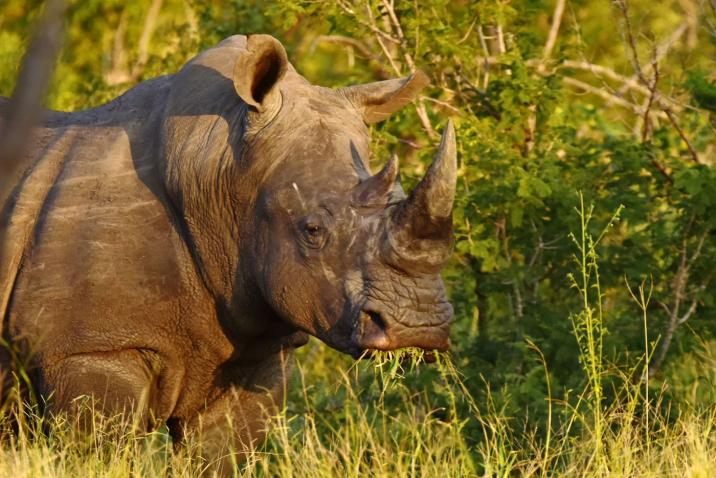
The incalculable value of wildlife
People everywhere rely on wildlife and biodiversity-based resources to meet our needs - from food, to fuel, medicines, housing, and clothing. For us to enjoy the benefits and the beauty that nature brings us and our planet, people have been working together to make sure ecosystems are able to thrive and plant and animal species are able to exist for future generations.
World Wildlife Day is an opportunity to celebrate the many beautiful and varied forms of wild fauna and flora, to raise awareness of their many benefits to reminds us of the urgent need to step up the fight against wildlife crime and human-induced reduction of species, which have wide-ranging economic, environmental and social impacts.
This 2026 the theme of the international day, “Medicinal and Aromatic Plants: Conserving Health, Heritage and Livelihoods”, highlights the vital role of these plants in sustaining human health, cultural heritage, and local livelihoods, and showcases the growing pressures they face from habitat loss, overharvesting, and climate change.

Join us!
World Wildlife Day 2026, led by CITES, includes multiple outreach initiatives to protect our wildlife.
Did you know?
- 50,000 Wild Species Meet Needs of Billions Worldwide.
- Over 20% of plant species used globally for medicinal and aromatic purposes are threatened with extinction due to overharvesting, habitat loss, climate change and illegal trade.
- One in five people relying on wild plants, algae and fungi for their food and income.
- 70%-95% of the population in developing countries rely on traditional medicine for primary healthcare.
UN courses on biodiversity